
Daily Care Habits That Help Pets Live Longer, Healthier Lives
Most pet owners think about health when something goes wrong.
A skipped meal. A limp. A sudden change that forces attention. What often gets missed is that long, healthy lives are shaped by what happens on ordinary days. The quiet routines. The small choices repeated without much thought.
Here is why daily care matters more than it seems.
Longevity is rarely built in dramatic moments. It grows out of steady habits that support the body and mind over time. The kind of habits that fit into real life, even on busy days.
This article focuses on simple care routines you can use right away to support your pet’s health without adding stress to your schedule.
Consistency Shapes How Pets Feel and Function

Let’s start with routine.
Pets rely on rhythm. Feeding times, sleep patterns, and daily activity help their bodies stay regulated. When those patterns stay predictable, stress stays lower and behavior stays steadier.
You do not need perfection. You need repetition.
What you can do today:
Pick one daily moment and anchor it. Morning feeding. Evening walk. Bedtime calm. Keep it steady for a week and notice how your pet settles faster.
Once routine feels familiar, awareness becomes easier.
Daily Observation Is One of the Strongest Care Tools
You do not need special training to notice change.
Most early signals show up during normal moments. Eating. Walking. Using the litter box. Resting. Grooming. These details fade into the background because they feel ordinary.
They matter.
What you can do today:
During one interaction, pause and observe. Appetite. Energy. Posture. Coat. Bathroom habits. No judgment. Just noticing.
Those quiet checks make future care decisions clearer.
Movement Keeps Bodies Working Well
Daily movement supports joints, digestion, circulation, and mood.
This does not mean long workouts or intense play. It means motion that fits your pet’s age, space, and energy level.
In small homes, short play sessions add up. In quieter households, gentle walks or slow games still count.
What you can do today:
Tie movement to something you already do. A few extra minutes before meals. A short play break during work. Gentle motion during calm time.
Movement often reveals other care needs.
Oral Care Affects More Than the Mouth
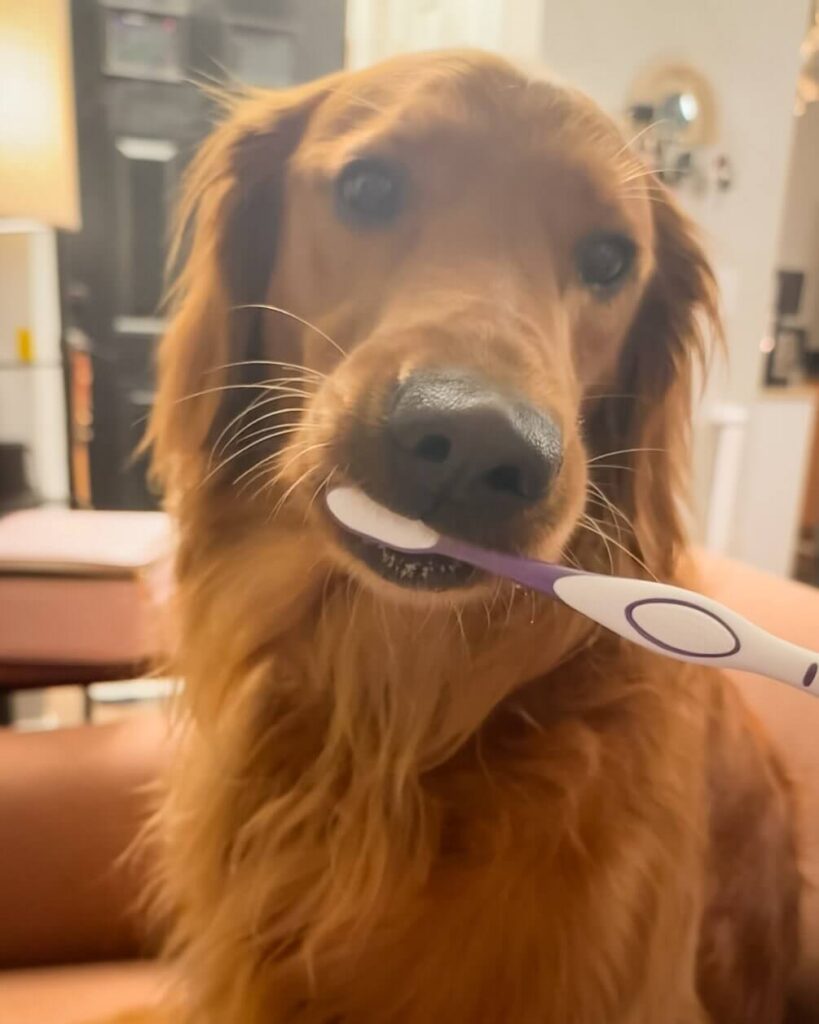
Dental care is easy to delay because problems hide well.
Oral health connects to the rest of the body in ways many owners never notice until late. Small habits here matter more than occasional effort.
The American Animal Hospital Association explains this clearly, stating that “The gold standard is brushing the pet’s teeth using a brush with soft bristles either once or twice daily.”
That can sound like a lot. Start smaller.
What you can do today:
Lift the lip. Look. Touch. Let your pet get used to mouth handling without tools.
That same gentle approach works with grooming.
Grooming Supports Health, Not Just Appearance
Brushing is more than cosmetic.
It helps you spot changes in skin, coat, and body shape early. It also builds trust through calm, predictable contact.
In my own routine, grooming became a quiet check-in. Small changes showed up there first, long before anything felt urgent.
What you can do today:
Keep grooming short and familiar. Same spot. Same time. Same pace.
Once the body feels supported, the mind follows.
Mental Engagement Reduces Long-Term Strain
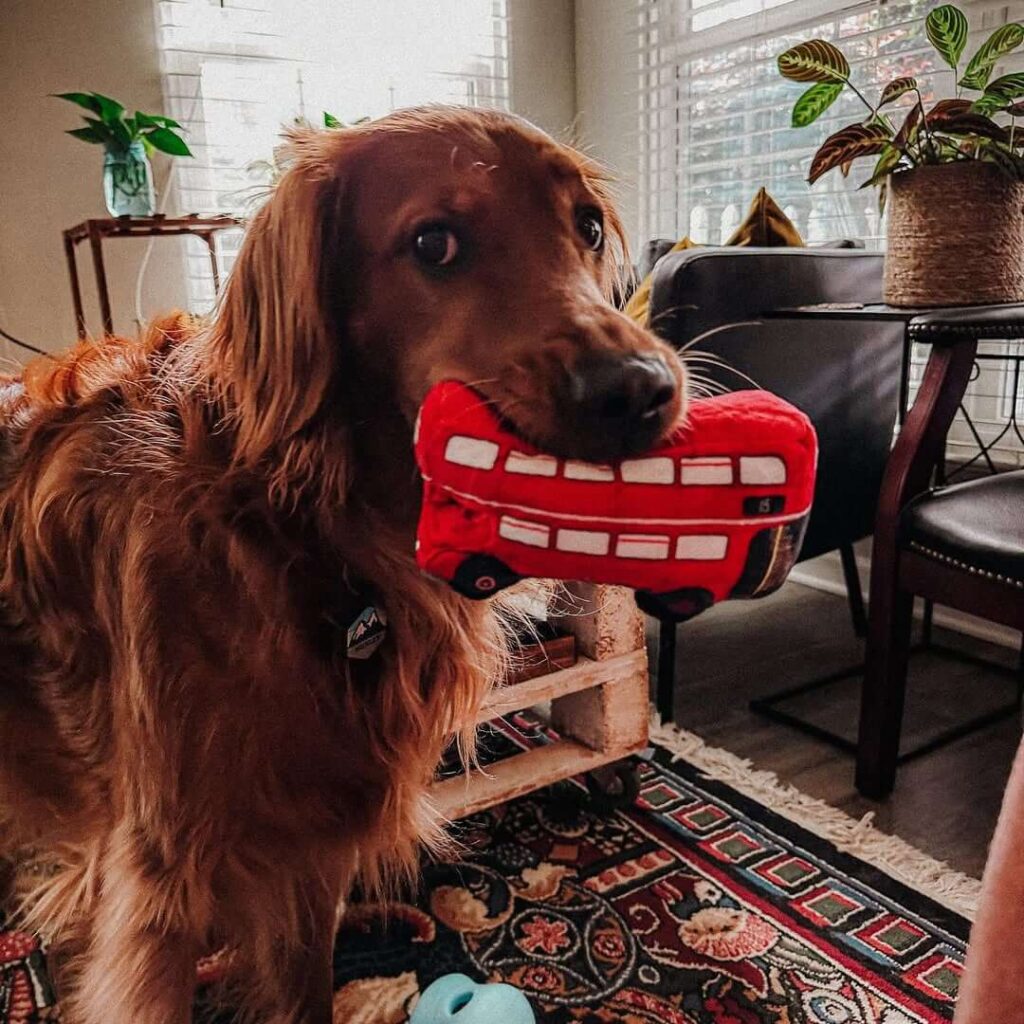
Boredom wears on pets quietly.
Mental engagement helps pets cope with daily life and supports emotional balance. It does not require constant activity.
The UC Davis School of Veterinary Medicine notes that “Enrichment ensures the welfare of animals in environments created and controlled by humans.” It also explains that “It reduces stress by providing for psychological and behavioral needs as determined by the natural history of the species, essentially addressing how animals fill their time.”
That can stay simple.
What you can do today:
Rotate one toy. Change the order of play. Add scent to an activity. Small changes hold attention longer.
Environment plays a role too.
Calm Spaces Support Health Over Time
Noise, clutter, and constant movement affect pets more than we realize.
A calm rest area helps the nervous system reset. Pets need places where nothing is expected of them.
What you can do tonight:
Create one quiet zone. A bed. A corner. A crate left open. Let it stay undisturbed.
That calm supports every other care habit.
Preventive Care Works Best With Daily Context
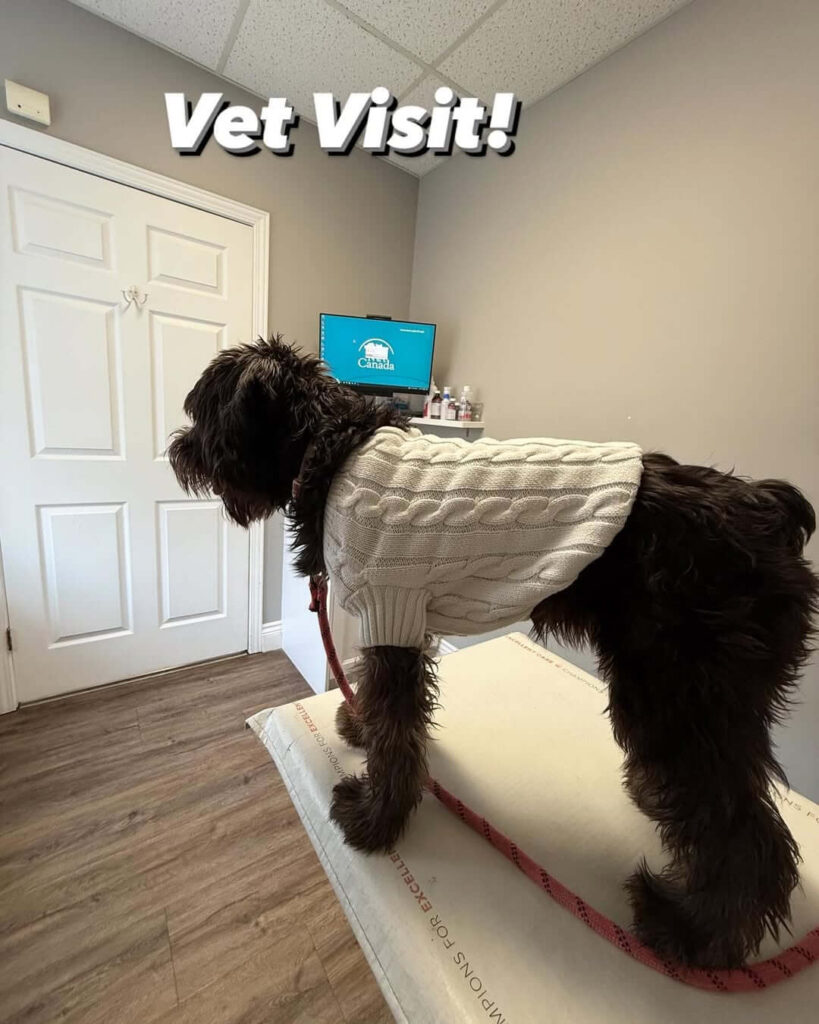
Professional care works best when paired with daily awareness.
The Centers for Disease Control and Prevention states that “Regular veterinary visits are essential to keeping your pet and family healthy.” Those visits become more useful when owners notice changes early.
What you can do today:
Write down one small observation each month. Appetite. Energy. Behavior. Bring that context with you.
Dental care fits here as well.
Veterinary guidance from Colorado State University’s Veterinary Teaching Hospital explains that “Because it helps remove soft plaque from the teeth, daily tooth brushing is the best way to slow (and possibly prevent) the recurrence of dental problems.”
Small habits shape long outcomes.
When Daily Changes Deserve Attention
Patterns matter more than moments.
If a change lasts, stacks with others, or alters daily function, it deserves attention. Awareness is not worry. It is care.
Long Lives Are Built One Day at a Time
Health is not only about reacting.
It is about noticing, adjusting, and staying present in the small moments that fill each day. Those moments shape how long and how well our pets live.
If you want, share in the comments.
Which daily habit made the biggest difference for your pet?
RELATED:


