
Why Pets Act Differently at Night and What It Means

The house goes quiet.
Lights dim.
You finally sit down.
Then your cat launches down the hallway like something lit a fuse. Or your dog starts pacing, circling the room, unable to settle.
If this feels familiar, you’re not alone. Many pet owners notice behavior shifts that only show up after dark. What makes it confusing is that nothing obvious seems wrong. The day felt normal. Meals were on time. Walks happened.
What often follows is broken sleep and quiet worry. You start wondering if you missed something important.
In most homes, nighttime behavior changes have simple roots. They come from instinct, routine, and how pets experience quiet hours differently than we do.
Here is why nighttime brings these behaviors to the surface, and what you can start adjusting tonight to help your pet feel calmer when the lights go out.
When Nighttime Changes How Pets Experience the World
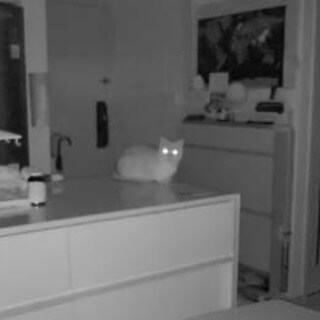
During the day, pets move through noise, activity, and routine. At night, those layers fall away. What remains is awareness.
Lower sound levels make small noises stand out. Body sensations feel louder once movement slows. Emotional cues that stayed buried during busy hours begin to surface.
This does not mean something is suddenly wrong. It means nighttime removes distractions that normally keep these signals quiet.
That shift explains why behavior changes can feel sudden even when the cause has been building slowly in the background.
Once you see nighttime as a mirror rather than a mystery, patterns become easier to recognize.
Let’s look at what this often means in real homes.
Why Cats Suddenly Zoom After Dark
Cats that explode into motion at night often worry owners the most. It looks chaotic. It feels random. It can also feel impossible to stop.
There is a biological reason behind it.
Veterinary guidance notes that cats are not truly nocturnal. They are most active around dawn and dusk, a rhythm shaped by hunting instincts that peak in low light, according to PetMD. When prey would naturally move, cats are wired to move too. This timing explains why energy surges often appear after sunset.
Indoor life changes how that instinct plays out. When daytime lacks enough movement or challenge, stored energy looks for an outlet. Night often becomes the release point.
What helps most is not more toys, but better timing.
Shifting play earlier in the evening can make a visible difference. Ten to fifteen minutes of focused play that mimics hunting often works better than scattered interaction all day. Wand toys that allow chasing, stalking, and pouncing give cats a clear way to burn energy.
Ending play with food helps complete the natural cycle. Move, catch, eat, rest.
Lighting matters too. Keeping it soft and consistent reduces sudden bursts of activity triggered by abrupt darkness.
I learned this the hard way with my own cat. I used to toss a toy once or twice while watching TV and call it play. The zoomies kept coming. Once I committed to a short, intentional play window before dinner, the midnight sprints eased within days.
Dogs tend to show nighttime stress in quieter ways.
Why Dogs Pace, Whine, or Refuse to Settle at Night
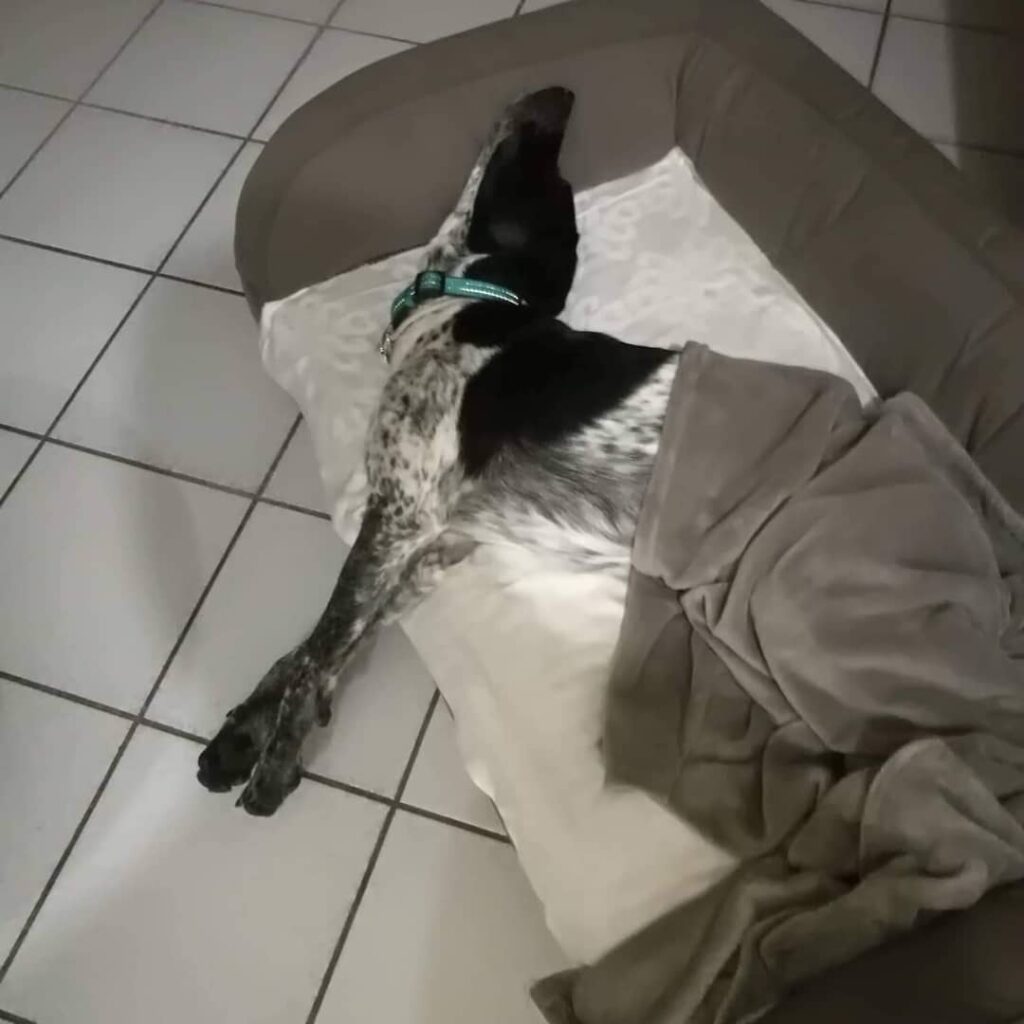
Dogs rarely zoom the way cats do. Their nighttime restlessness often looks slower and more emotional. Pacing. Standing up, then lying down again. Soft whining. Following you from room to room.
Part of this comes from unmet mental needs. Dogs rely heavily on structure. When the day winds down without a clear signal that rest is coming, the body stays alert.
Age can play a role as well.
Sleep pattern changes are a recognized part of canine cognitive dysfunction syndrome, including nighttime pacing and increased daytime sleep, as outlined by Cornell University College of Veterinary Medicine.
This does not mean every pacing dog has cognitive issues. It does mean nighttime behavior is often where early shifts show up first.
Small routine changes can help dogs settle more easily.
A consistent closing routine helps signal safety. A calm walk, dim lights, and the same order of events each night allow dogs to predict rest. Mental work earlier in the day, such as short training sessions or scent games, reduces leftover tension.
Late-night rough play often keeps the nervous system alert. Gentle presence works better once evening arrives.
Sometimes, energy is only part of the picture.
Hidden Triggers That Show Up After Dark
When movement slows, the body speaks louder.
Digestive discomfort often surfaces once pets lie down. Mild aches or stiffness feel stronger after a full day of activity. Anxiety tied to separation or past experiences can also become louder in quiet spaces.
Nighttime pacing or vocalizing paired with longer daytime sleep is one way sleep disruption shows up in the home, as described by Mar Vista Animal Medical Center.
Even in younger pets, these patterns offer useful clues.
Observation matters more than reaction at first. Watching posture, breathing, and movement patterns over several nights often reveals whether discomfort plays a role.
Sleeping surfaces matter too. Cold floors or worn beds can increase restlessness. Keeping nighttime noise consistent helps sensitive pets relax.
These small adjustments often point toward the real trigger.
That leads directly into daytime habits.
How Daytime Routines Shape Nighttime Behavior
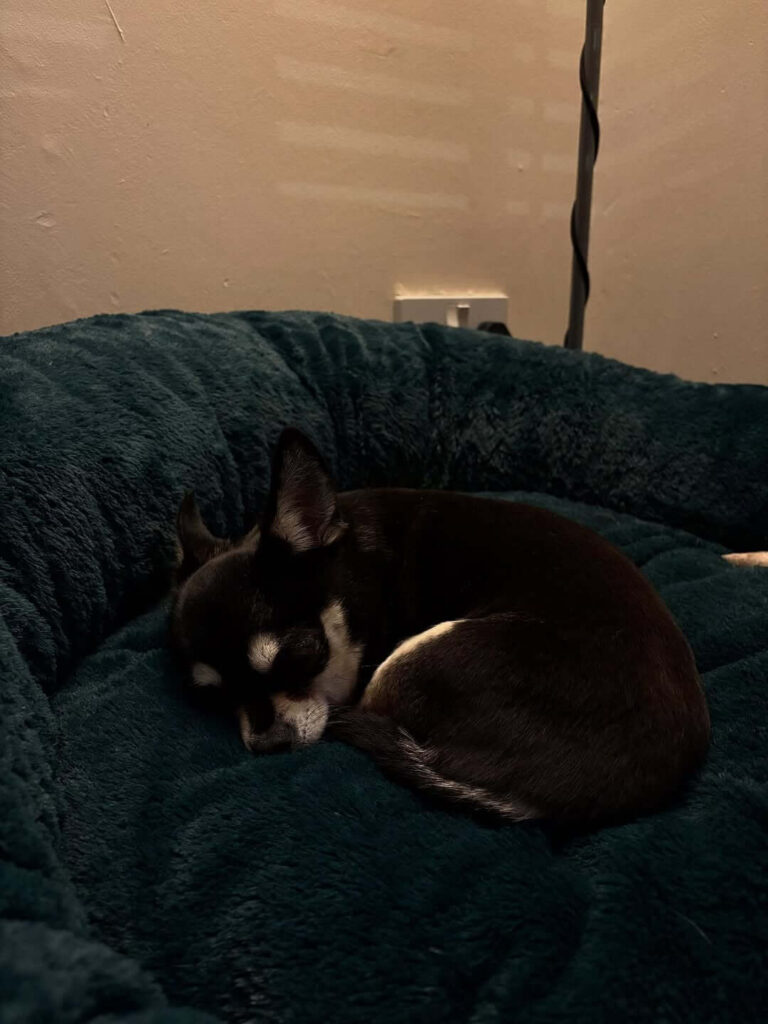
Night behavior rarely exists on its own. It reflects what came before it.
Inconsistent feeding times, long stretches of boredom, or overstimulation at odd hours teach pets to stay alert when they should rest.
Clinical behavior reporting links nighttime pacing to disrupted household sleep and inconsistent daily routines, a pattern noted by Today’s Veterinary Practice.
Even without medical causes, routine inconsistency keeps the nervous system on edge.
Resetting does not require a full schedule overhaul. Anchoring meals and walks to the same times each day helps. Limiting late-night engagement matters too. Calm presence often works better than constant interaction.
Predictable signals that the day is ending make a difference. Same lights. Same order. Same quiet.
Most pets respond within a week once routines settle.
Still, some changes deserve closer attention.
When Night Behavior Deserves a Second Look
Nighttime restlessness becomes a concern when patterns shift quickly or intensify.
Behavior that persists nightly, grows stronger, or pairs with appetite changes, confusion, or altered bathroom habits deserves attention.
The goal is not to diagnose. It is to notice.
Tracking timing, duration, and what helps or worsens the behavior gives professionals clearer insight if support is needed.
If something feels off, trusting that instinct is reasonable.
Helping Pets Feel Safer When the House Goes Quiet
Most nighttime behavior comes from instinct, unmet needs, or subtle discomfort. Not emergencies. Not failures.
Quiet evenings offer a chance to support pets when they are most sensitive.
Intentional play. Steady routines. Thoughtful observation.
Those small choices often bring the biggest relief, both for pets and for the people trying to rest beside them.
Also read:
Why Dogs Follow You Everywhere (Even to the Bathroom)
Why Cats Bring Dead Animals to Their Humans: And What It Really Means


