
Common Mistakes New Pet Owners Make and How to Avoid Them
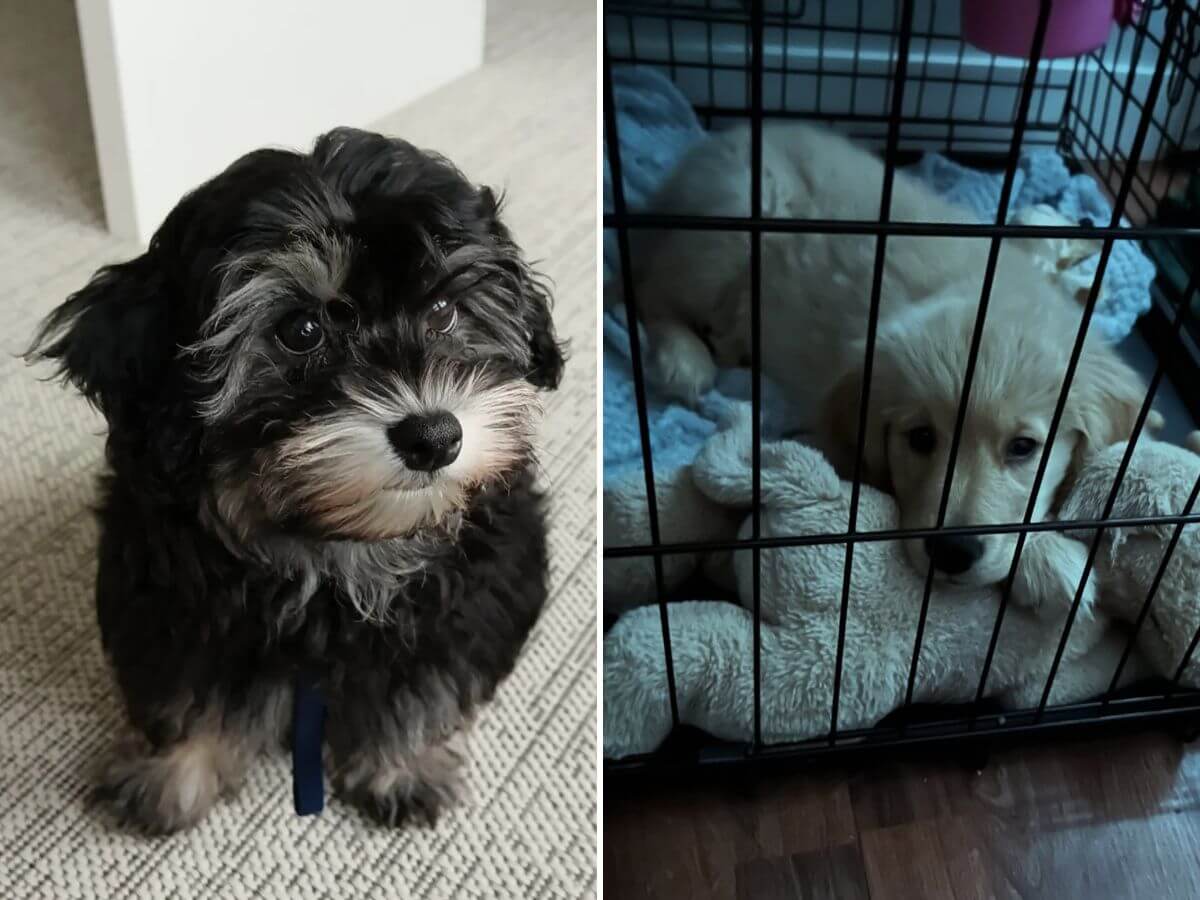
Bringing a new pet home feels exciting and emotional all at once. You want to do everything right. You want them to feel safe, loved, and settled as quickly as possible.
Most early mistakes don’t come from neglect. They come from trying too hard, too fast, especially during those first days when everything feels new.
New pets are adjusting to a different space, new people, unfamiliar sounds, and a rhythm they have not learned yet. When things feel off, it’s usually not because you’re failing. It’s because the pace needs softening.
This article looks at common missteps new pet owners make in everyday care, why they happen, and how small, steady changes can help pets settle with less stress and more trust.
Expecting Instant Adjustment

One of the most common mistakes is expecting a new pet to feel at home right away.
Many owners assume that love, attention, and comfort will speed up bonding. In practice, too much pressure often has the opposite effect.
Humane World for Animals explains that during the first few weeks, establishing a routine helps dogs understand what to expect.
In daily life, this looks simple. The same feeding time. The same walking order. The same resting spot. Familiar patterns allow pets to relax instead of staying alert.
Giving space is not distance. It’s permission to adjust.
That early pressure often reappears in routine choices.
Inconsistent Daily Routines
New owners often change routines without realizing it.
A late meal here. A skipped walk there. Bedtime that shifts night to night. These changes feel small to people. To pets, they can feel confusing.
Structure builds confidence. Without it, pets stay watchful, waiting for cues that never fully settle.
Once routines steady, behavior often improves on its own. Meals, movement, and rest do not need strict timing. They need familiar order.
When rhythm settles, the home usually feels calmer too.
Routine helps, but stimulation still matters.
Overstimulating Without Realizing It
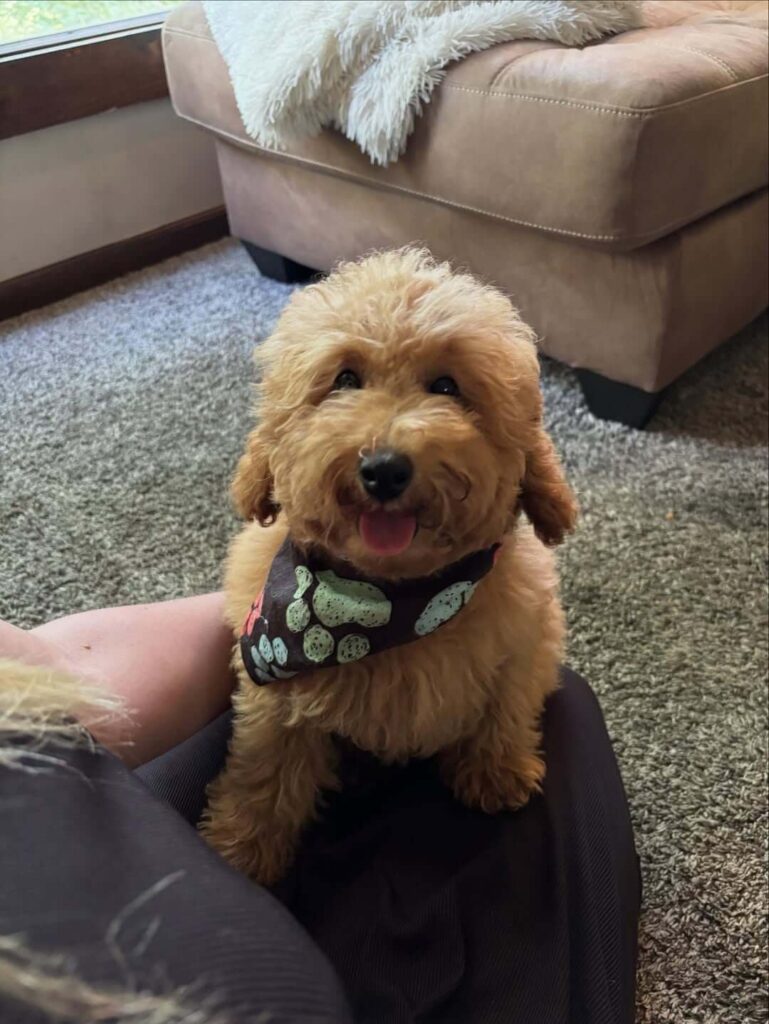
Another common mistake is offering too much activity early on.
Visitors. New toys. Long outings. Constant interaction. All well intentioned, but overwhelming.
Wisconsin Humane Society notes that during the first few days or weeks, continuing a new routine while keeping home life calm and quiet helps pets settle.
Signs of overstimulation can be subtle. Restlessness. Difficulty settling. Avoidance. These are not signs of disinterest. They are signs a pet needs fewer inputs.
Quiet time matters as much as play. Calm zones. Predictable rest. Short interactions spaced through the day often work better than nonstop attention.
Overstimulation often leads into another misunderstanding.
Misreading Normal Behavior as “Bad” Behavior
New pets do not arrive knowing household rules.
Pacing, hiding, vocalizing, or ignoring cues often reflect stress or confusion, not defiance. Many owners correct behavior that simply needs time.
Pausing before reacting helps. Watching patterns over several days gives clearer insight than responding to one moment.
When expectations soften, communication improves.
Sometimes the hardest part is slowing down change.
Trying to Fix Everything at the Same Time
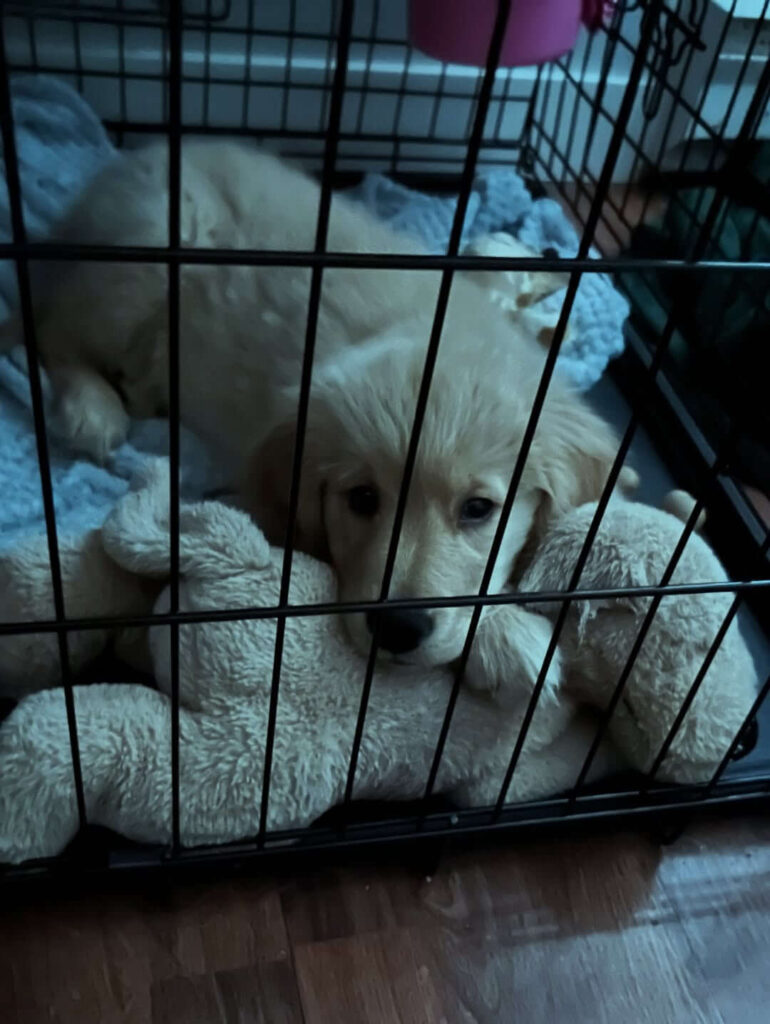
It’s tempting to adjust food, schedule, rules, and environment all at once.
Constant changes keep pets guessing. Stability builds trust. Trust allows behavior to settle naturally.
Making one change at a time gives pets room to adapt. Letting each adjustment settle often prevents frustration on both sides.
Still, some missteps come from waiting instead of acting.
Waiting Too Long to Ask for Guidance
Many new owners delay professional check-ins.
They worry about overreacting or being judged. Early guidance often prevents longer-term stress.
VCA Animal Hospitals explains that most puppies visit a veterinarian at six to eight weeks of age for a health exam.
Planning ahead matters too. American Kennel Club advises calling in advance to schedule a veterinary visit if you know when you’ll be bringing a puppy home.
Asking questions early builds confidence. It does not signal inexperience.
Mistakes do not define pet ownership.
Building Confidence as a New Pet Owner
Every new owner learns as they go.
Mistakes are part of the adjustment process for both pets and people. What matters most is awareness, patience, and consistency.
When routines settle, stimulation balances out, and expectations soften, most pets begin to relax into their new lives.
Good care grows through observation, not guilt.
With time, steady habits, and a little grace, confidence builds naturally on both ends of the leash.
RELATED:
Daily Care Habits That Help Pets Live Longer, Healthier Lives


