
How to Help Pets Adjust to a New Home Without Stress or Setbacks

Moving into a new home feels exciting for us.
For pets, it often feels confusing and unsafe.
I learned this during one of my moves. Boxes stacked everywhere. Doors opening all day. New sounds at night that never existed before. My pet seemed fine at first, then stopped eating normally and followed me from room to room. Nothing dramatic, just small changes that quietly piled up.
That is the moment most people miss.
The first days after a move shape how safe a pet feels long term. Get this part right, and behavior settles faster, routines return sooner, and stress stays lower for everyone in the house. Miss it, and problems often show up weeks later, when it feels harder to fix.
Here is why structure works better than comfort alone, and how to start helping your pet feel at home from day one.
What Pets Actually Experience During a Move

Pets rely on scent, routine, and predictability.
A new home strips all three away at once.
Every wall smells unfamiliar. The sound patterns change. Light enters rooms at angles they have never seen before. Even confident pets can feel unsettled because their internal map no longer works.
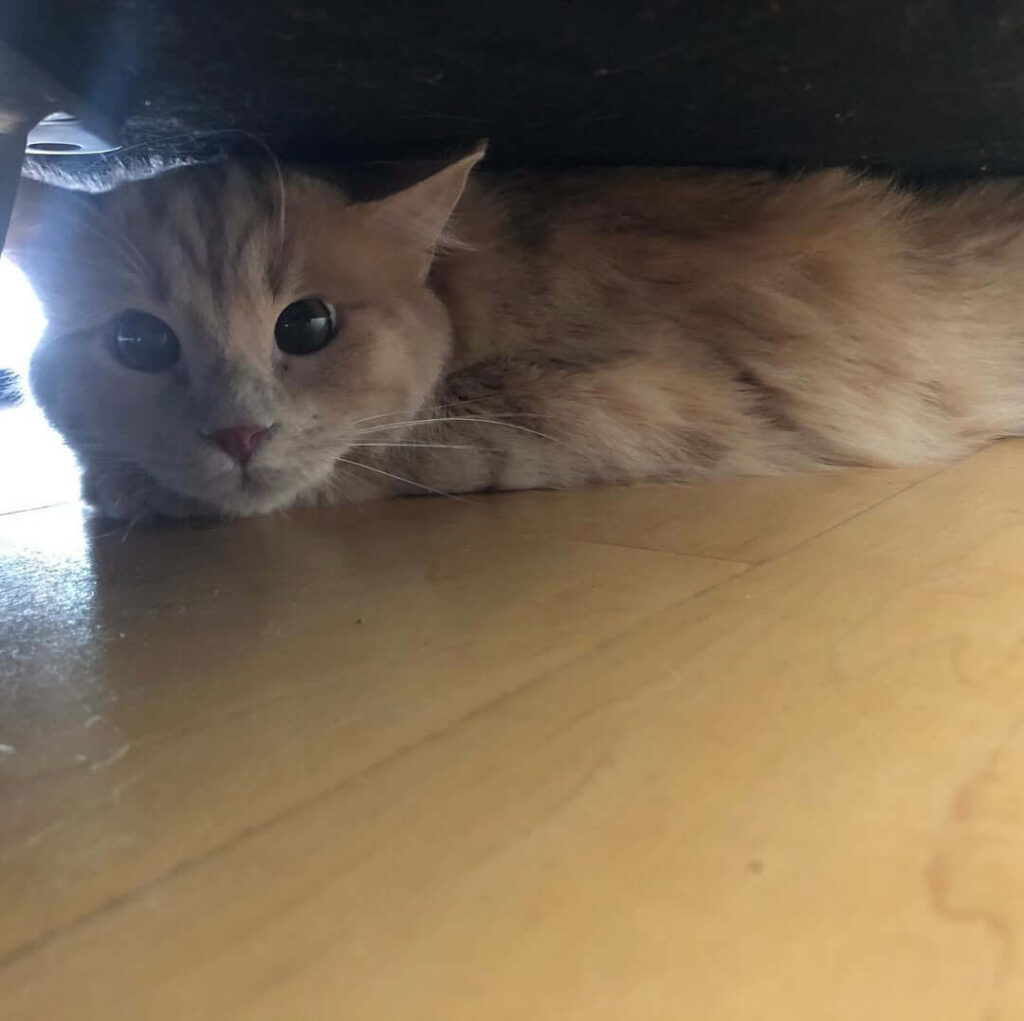
Veterinary behavior specialists note that stress during transitions often shows up quietly. Eating may slow down. Sleep patterns shift. Some pets stay unusually close. Others disappear into corners.
This does not mean something is wrong. It means your pet is recalibrating.
Once you understand that, your role changes. You stop trying to soothe every moment and start creating signals of safety through structure.
Let’s break that down in a way you can act on today.
Start With a Safe Zone, Not the Whole House

The biggest mistake I see is giving pets full access too fast.
More space does not mean more comfort early on.
Veterinary guidance from the Riney Canine Health Center at Cornell University explains that dogs moving into a new home do better when placed in a quiet, secure room with familiar bedding and toys, especially while the home is busy or unpacking is still happening. Their guidance also stresses keeping daily routines steady during this period.
That advice applies beyond dogs.
Choose one calm room. Add their bed. Use a blanket that smells like the old place. Place food and water nearby. Limit new items for now. Familiar signals safety.
In a small apartment, this might be a bedroom corner or a sectioned-off living area. Baby gates work well. The goal is predictability, not isolation.
When the space feels boring rather than tense, you know it’s working.
Next comes routine.
Rebuild Routine Before Offering Reassurance

Routine tells pets they are safe faster than words ever will.
Feed at the same times as before the move. Walk at familiar hours. Keep bedtime cues unchanged. Even small habits, like where you sit with your morning coffee, can ground a pet who watches you closely.
I learned this after hovering too much during one move. I thought closeness meant comfort. What helped more was acting normal. Sitting where I usually sat. Working when I normally worked. Letting my pet observe instead of manage my emotions.
Routine removes guesswork.
Once the day starts to feel predictable again, behavior changes often appear. That’s when many owners start to worry.
How to Read Adjustment Signals Without Guessing
Some changes are expected early on.
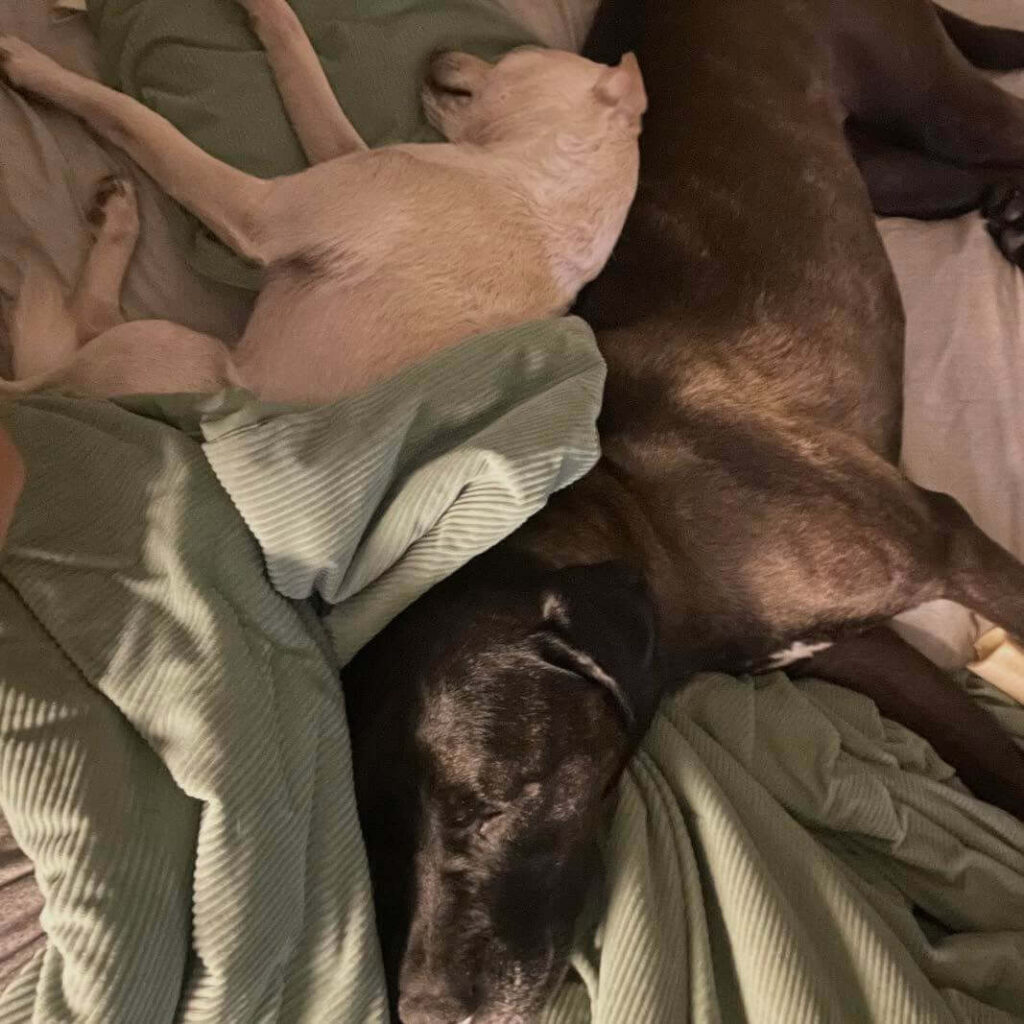
Temporary appetite dips. Extra sleeping. Mild clinginess. Slower response to cues. These often show up even in pets that seem calm.
What matters most is direction. Small improvements over days matter more than perfect behavior.
Animal welfare groups explain adjustment as a staged process. The Longmont Humane Society describes the 3-3-3 guideline, where the first three days often involve stress and adjustment, the next three weeks involve learning the household rhythm, and the first three months bring growing comfort and confidence.
If behavior steadily improves, stay the course.
If stress deepens or stalls for weeks, pause and reassess. Support comes before correction.
Training and Rules Still Matter, Just Differently
This part surprises many people.
Rules do not disappear during adjustment. They just stay simple.
Clear boundaries still help pets feel secure. Jumping. Counter surfing. Door rushing. Keep expectations calm and consistent.
What pauses is pressure. Avoid introducing new commands during the first phase. Let familiar cues carry the structure.
Punishment slows trust. Calm redirection builds it.
When rules feel steady rather than reactive, pets relax faster. That opens the door to wider access and exploration.
Some homes need extra consideration.
Special Situations That Change the Timeline
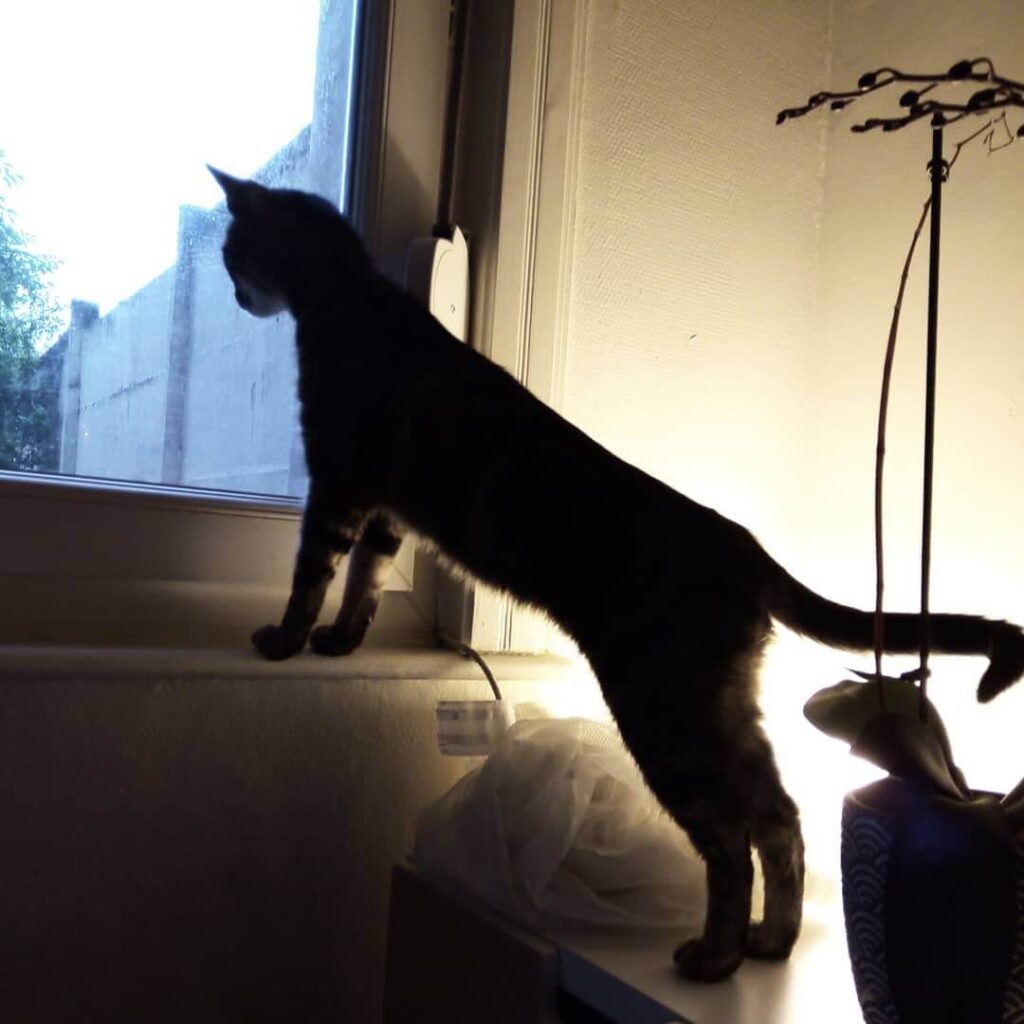
Rescue pets may carry past uncertainty. Multi-pet homes add social layers. Cats process space very differently from dogs.
Animal welfare guidance from SPCA New Zealand recommends keeping a new cat in one room for the first two to three days, then allowing exploration gradually, one room at a time. Their advice explains that slow expansion helps cats feel more in control rather than overwhelmed.
This works in studios and large houses alike.
In multi-pet homes, stagger access. Let resident pets keep their routines. Introductions work best after the new pet shows relaxed behavior in their own space.
Once space and social dynamics settle, sensory support can help further.
Using Scent, Food, and Movement to Ease Transition

Scent is comfort.
Keeping bedding unwashed during the first week helps preserve familiarity. Using the same bowls and feeding locations matters more than people expect. Short, familiar walks build confidence faster than long outings.
For cats, scent support plays a bigger role.
Research published in the Journal of Feline Medicine and Surgery explains that synthetic pheromones mimic the scent marks cats leave when they feel safe, and notes these pheromones can help cats feel more confident in unfamiliar environments.
Used correctly, these tools support routine rather than replace it.
At this stage, most pets begin to settle. A small number need more help.
When Adjustment Is Not Enough
If stress signs persist beyond the expected window, pay attention.
Ongoing appetite loss. Digestive changes. Repetitive behaviors. Withdrawal that does not ease over time.
These are not training issues. They are stress or health responses.
Early veterinary input can prevent longer-term behavior patterns and rule out physical causes that look like anxiety.
Asking for help early is clarity, not failure.
Helping Pets Feel at Home Faster
Most pets want to adapt. They just need structure to guide them.
Safe zones. Predictable days. Calm rules. Gradual freedom.
When you focus on those, adjustment stops feeling uncertain. It becomes something you can shape with intention.
If you’re moving soon or just settled in, start small today. Your pet will show you when they’re ready for more.
If things feel slower than expected, that’s normal. Adjustment rarely moves in a straight line.
Also read:


