
The Ultimate Guide to Creating a Pet-Friendly Home
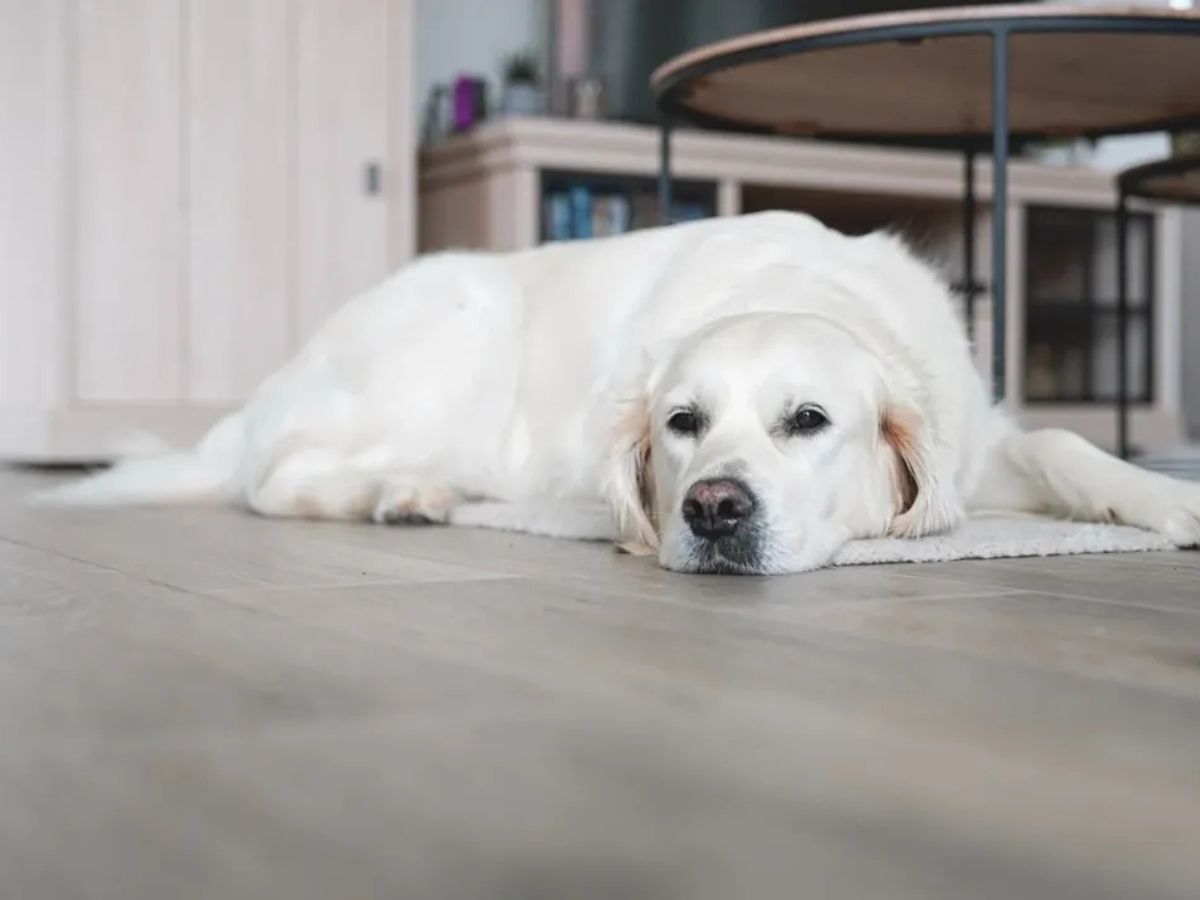
Most people think a pet-friendly home means a comfy bed, a few toys, and maybe a cute feeding station. If you have ever thought that, you are not alone. I did too.
What changed was noticing the small things that kept happening. Slipping paws on tile. A chewed cord behind the couch. A trash bin knocked over while I was out. None of it felt urgent on its own. Put together, it painted a clear picture of how easy it is for everyday homes to work against the pets living inside them.
A truly pet-friendly home is less about décor and more about how your pet moves, rests, and stays safe when you are not watching. The good news is that most fixes do not require renovations, expensive products, or major lifestyle changes. They come from understanding how pets experience space and adjusting a few habits that often go unnoticed.
If you want a home that supports your pet’s comfort, lowers injury risk, and makes daily life calmer for both of you, this guide will help you get there. Everything ahead focuses on changes you can make right away, using what you already have.
Let’s walk through it.
Understanding How Pets Experience Your Home

Pets do not experience a home the way we do. They live closer to the ground, explore with their mouths and noses, and follow the same paths day after day.
Dogs learn the feel of the floor beneath their paws and the patterns of daily movement. Cats pay attention to height, hiding spots, and whether they can leave a space when they want. When a home pushes against those instincts, tension builds quietly.
Here is why this matters. Stress often shows up first as behavior changes, then later as health issues. Many of those triggers start with the environment, not training or temperament.
A simple exercise you can try today is to sit on the floor and scan the room from your pet’s height.
Cords along the baseboards, sharp corners at head level, slick walkways, and food smells become obvious fast. That perspective alone reveals what needs attention.
Also read:
How to Teach Pets Good Habits Without Punishment
The Ultimate Guide to Responsible Pet Ownership and What It Really Looks Like
Floors, Surfaces, and Everyday Movement
Slippery floors look clean and modern, but they can work against pets. I noticed my dog slowing down before running down the hallway after we switched to tile. That hesitation was new, and it said more than I expected.
Hard, slick surfaces can strain joints and raise the risk of falls, especially for aging pets. You do not need to cover every inch of flooring. Placing runners or mats along common paths can restore confidence right away.
Cleaning habits matter too. Many floor cleaners leave residues that pets pick up through their paws and swallow later while grooming. The Centers for Disease Control and Prevention explains safer cleaning approaches in its guidance on cleaning and disinfecting pet supplies, which applies to any surface pets touch daily.
One easy step is to rinse floors with plain water after cleaning, especially near feeding spots and beds. It takes minutes and lowers exposure without changing your routine.
Furniture Choices That Protect Pets and Your Space
Furniture problems often show up after something breaks, tips, or gets damaged. A shelf wobbles. A corner meets an excited tail. A chair traps odor no cleaner seems to solve.
After replacing a scratched chair for the third time, I stopped blaming my pet and looked at placement and materials instead. Heavy furniture needs anchoring. Sharp edges near walkways or play areas need softening.
Fabric choices matter more than people expect. Tightly woven materials hold up better to hair, nails, and daily wear. This is not about creating a perfect home. It is about choosing items that tolerate real life with animals.
The American Animal Hospital Association shares practical guidance on pet-proofing your home, including furniture stability, cord safety, and indoor hazards many owners overlook.
Creating Safe Zones for Rest, Play, and Calm

Pets need spaces that belong to them. Not shared. Not temporary. Predictable.
Beds placed in busy areas often look nice but fail pets. Noise, footsteps, and constant movement interrupt rest. When I moved my dog’s bed just a few feet away from the main walkway, the change was immediate. Deeper sleep. Less pacing. Fewer startled wake-ups.
Cats benefit from elevated resting spots and clear exit paths. Dogs need areas where they are not stepped over or disturbed.
Here is a quick test. Watch where your pet chooses to rest when the house is quiet. That spot usually tells you where a bed should live, even if it is not where you planned.
Kitchen and Food Safety Inside the Home
Kitchens rank high for pet injuries, even when they look organized.
Some foods cause serious harm in small amounts. Xylitol, a sweetener found in gum, baked goods, and some peanut butters, is one example. The U.S. Food and Drug Administration warns that xylitol is dangerous for dogs, with effects that can appear fast and become severe.
Trash access creates another risk. Many covered bins tip easily or open under pressure. A locking lid or storing trash behind a cabinet door removes temptation completely.
A helpful mindset is to treat the kitchen like a toddler zone. If it would be unsafe for a curious child, it is likely unsafe for a pet.
Plants, Décor, and Hidden Toxins
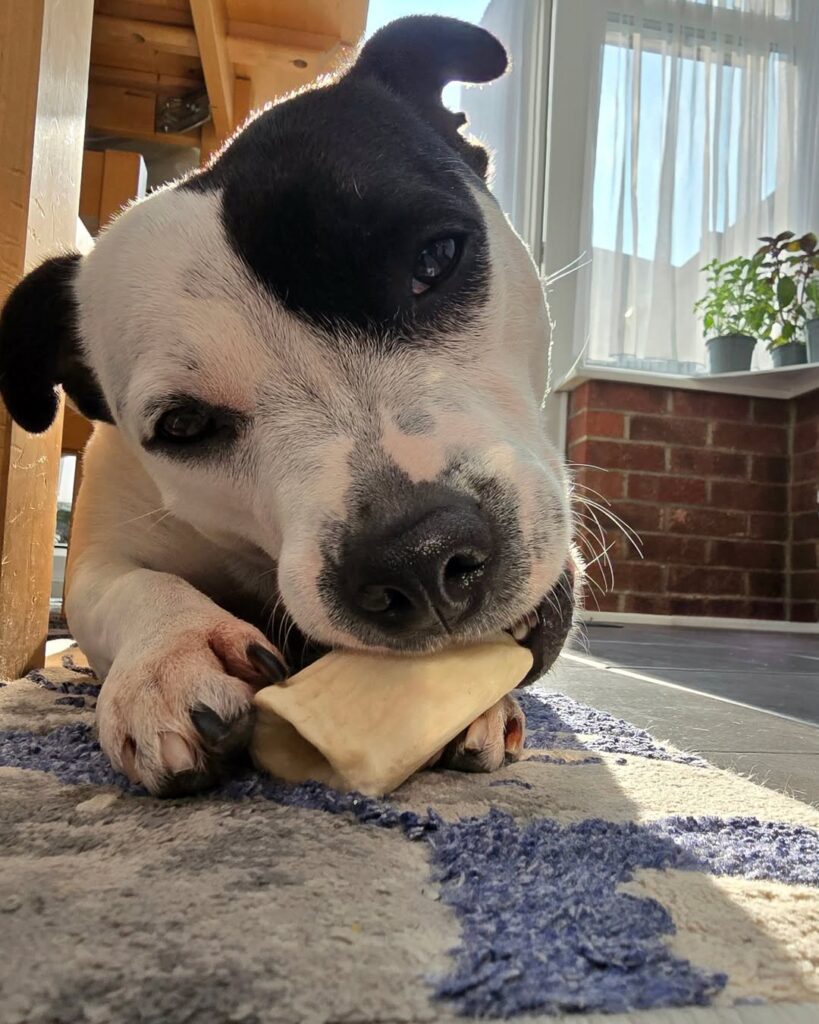
Plants add warmth to a home, but some popular varieties pose real risks to pets. Lilies, pothos, and sago palms are common examples people bring home without knowing the danger.
The UC Davis School of Veterinary Medicine maintains a toxic plant garden that outlines which plants cause harm and what symptoms to watch for. Checking new plants against that list can prevent emergencies.
Décor choices matter too. Candles, small sculptures, and seasonal items often sit at nose level. If something can be chewed, swallowed, or knocked over, it belongs higher or out of reach.
Cleaning, Air Quality, and Chemical Exposure
Pets breathe closer to the floor and groom themselves often. That makes them more sensitive to airborne chemicals and residues.
Essential oils fall into this category. Research shared through the U.S. National Library of Medicine documents tea tree oil toxicosis in dogs and cats, showing how concentrated exposure can lead to serious symptoms.
A safer approach is to reduce added fragrance and focus on fresh air. Opening windows when possible and using unscented cleaners lowers exposure without overhauling your home.
Windows, Balconies, and Vertical Risk Areas
Falls happen faster than most people expect. Screens are not barriers. Railings leave gaps. Curious pets misjudge distance.
If you live above ground level, secure screens and limit unsupervised access to windows and balconies. Cats face risk even from modest heights.
One practical check is to press firmly against window screens at the bottom edge. If it shifts, it is not secure enough.
Creating Routines That Support a Pet-Friendly Home
Environment and routine work together. Feeding, walking, and rest times shape how pets move through a space.
Predictable routines lead to calmer behavior. Calmer pets make fewer risky choices, which reduces accidents and damage.
Try adjusting one routine this week. A consistent feeding location. A regular evening walk. A quiet wind-down period. Small changes add up.
Signs Your Home May Be Stressing Your Pet
Pets communicate discomfort through behavior long before serious problems appear.
Pacing, avoiding certain rooms, sudden chewing, or hiding often point to environmental stress. Before assuming training issues, look at recent changes inside the home.
Ask what shifted. New furniture. New scents. Different traffic patterns. Many fixes are simpler than expected.
Making Changes Without Overwhelm
You do not need to fix everything at once.
Start with higher-risk areas. Floors, food access, and chemicals come first. Comfort tweaks can follow.
Progress matters more than perfection. Each adjustment makes your home safer and calmer for the animal that relies on you every day.
A pet-friendly home is not about control. It is about awareness.
Once you start seeing your space through your pet’s eyes, better choices follow naturally.
Even with a safer setup, questions tend to come up once you start paying closer attention to how your pet uses the home. Some concerns show up right away. Others only surface after you make a few changes and notice new behavior.
The answers below address the most common questions pet owners ask once they start rethinking their space. If something has crossed your mind while reading, it is likely covered here.
Frequently Asked Questions About Creating a Pet-Friendly Home
Do I need to redesign my entire home to make it pet-friendly?
No. Most improvements come from small adjustments rather than full changes. Moving a bed, adding traction in one hallway, or securing a trash bin often has more impact than buying new furniture or redecorating. The goal is to reduce risk and stress, not to start over.
Is a pet-friendly home different for dogs and cats?
Yes, and that difference matters. Dogs care more about traction, routine, and clear walking paths. Cats pay closer attention to height, hiding options, and escape routes. Homes with both benefit from separating quiet zones and shared areas so each pet can move comfortably.
How do I know if my home is stressing my pet?
Changes in behavior are usually the first sign. Avoiding certain rooms, pacing, sudden chewing, or hiding often point to environmental issues. Before assuming training problems, look at what changed inside the home and how your pet reacts to those spaces.
Are scented cleaners and air fresheners really a problem?
They can be. Pets spend more time close to the floor and groom themselves frequently, which increases exposure to residues and airborne chemicals. Reducing fragrance use and improving ventilation often leads to noticeable comfort changes, especially for sensitive pets.
What is the first thing I should fix if I can only change one thing?
Start with the area your pet uses most. That is usually the main walking path, feeding area, or sleeping spot. Improving traction, reducing clutter, or removing access to food hazards in those spaces lowers risk right away.
Can a pet-friendly home also look good?
Yes. Pet-friendly does not mean cluttered or unattractive. It means choosing materials, layouts, and routines that hold up to daily pet life. When safety and comfort are built into the setup, the home often feels calmer and more organized overall.
How often should I reassess my home setup?
Anytime something changes. A new pet, aging joints, new furniture, or a move to a different home all call for another look. A quick walkthrough every few months helps catch issues before they turn into problems.


