
How Environment Influences Pet Behavior and Health

I used to think behavior lived inside the pet.
If my dog paced, I assumed energy.
If my cat hid, I assumed attitude.
If either seemed restless, I looked for training fixes.
What I missed was the room itself.
If you live with a pet that never fully settles, this may sound familiar. Many owners focus on correcting behavior without noticing how sound, space, light, and daily routines shape what pets feel all day long.
Once I started paying attention to the environment, things shifted. Not overnight. Not magically. But enough to see that behavior often follows surroundings. When the space changed, daily stress softened for everyone involved.
Here is why that matters. And how small changes at home can make a real difference.
Why environment shapes behavior more than we expect

Pets spend most of their lives responding to what surrounds them. Noise levels, foot traffic, resting spots, and how often things change all send signals throughout the day.
Veterinary behavior guidance from the American Animal Hospital Association explains that animals settle more easily in settings built around predictability and low stress handling.
Their behavior management guidelines link steady environments with fewer fear-based and stress-driven behaviors.
When the environment stays steady, pets stop scanning for what comes next. That pause allows real rest.
Once I noticed how often my own routines shifted, I understood why my pets stayed alert even during quiet moments.
Let’s look at how stress builds quietly.
How everyday spaces create hidden stress
Stress does not always look dramatic. In many homes, it shows up as pacing during dinner, following from room to room, or waking at every sound.
Crowded layouts, unpredictable noise, and constant movement keep pets in a state of readiness. They rest lightly instead of settling fully.
The World Small Animal Veterinary Association frames environment as a core part of animal welfare. Their welfare guidelines explain that unsuitable surroundings can affect both mental state and physical health over time.
When I reduced background noise in the evenings and limited foot traffic near resting spots, my pets slept longer stretches without interruption. The change felt simple. The effect was noticeable.
Here is where predictability enters.
Why predictability supports wellbeing

Pets do best when they know what stays the same.
Stable routines support sleep patterns, digestion, and mood. When daily rhythms shift constantly, the body stays alert longer than it should.
The MSD Veterinary Manual explains that stressful or disruptive environments can contribute to fear and anxiety-related behavior problems. Environmental management often plays a role in addressing those behaviors.
Action step you can try today. Notice one part of the day that feels chaotic. Choose one small thing to keep steady, such as the feeding spot, walk timing, or a quiet window in the evening.
Small consistency adds up.
Let’s break it down into space.
Creating calm zones that allow real rest
Every pet needs a place where nothing is expected.
Not a crate used only when leaving.
Not a bed placed in the middle of foot traffic.
Location matters more than size.
When I moved resting spots away from doorways and screens, settling came faster. The shift felt subtle at first, but rest came more easily.
Guidance from the RSPCA Australia Knowledgebase explains that suitable environments and enrichment reduce stress by allowing natural behavior in safe ways.
Next steps. Choose one low-traffic area. Add a familiar scent. Keep interaction optional. Let your pet decide when to use it.
Now comes a common mistake.
When stimulation helps and when it overwhelms
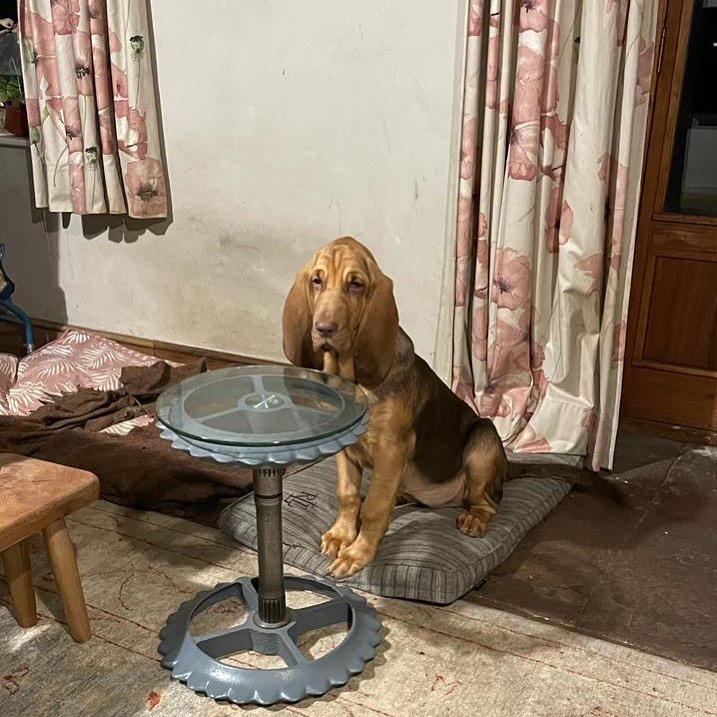
Enrichment matters. Overstimulation creates tension.
Too many toys, constant play, and endless novelty can keep the nervous system switched on longer than intended.
Research on indoor cats published in Compendium: Continuing Education for Veterinarians explains that environmental imbalance can contribute to both behavioral and physical problems. Structured enrichment supports health when it matches the animal’s needs.
I learned to rotate activities instead of stacking them. Behavior improved once stimulation had a clear end.
Next steps focus on us.
How human habits shape the home environment
Pets read us closely.
They notice schedules, reactions, and emotional energy. Late nights, loud calls, and fast movements all become part of the environment.
When I slowed my own evening routine, my pets followed suit without being asked. Calm became contagious.
Environmental change often starts with human awareness.
Let’s look at health.
How environment supports physical health
Stress affects the body in quiet ways.
Poor sleep can strain joints. Tension can affect appetite. Crowded spaces reduce movement.
The Centers for Disease Control and Prevention explains that clean, safe environments reduce disease risk and support health for pets and people alike.
Clear space supports movement. Quiet supports rest. Clean routines support health. These details stack quietly over time.
Adjusting space as pets age or change
Needs shift with age.
Older pets often need easier access to rest. Health conditions can change tolerance for noise or activity.
Small layout adjustments made daily life smoother in my home. Fewer jumps. Shorter paths. Less strain.
Behavior often improves when physical comfort improves.
That brings us to signals.
When behavior points to an environmental issue

Many behaviors labeled as problems are messages.
Restlessness, withdrawal, or sudden changes often follow a shift in surroundings.
Before assuming defiance, look at what changed in the space. New schedules. New noise. New layout.
I once corrected behavior that stopped as soon as I moved a resting area. That moment taught me to look outward first.
Here is what shifts when environment supports the pet.
What improves when space works with the animal
The change rarely feels dramatic.
It feels calmer.
Quieter.
More connected.
Pets rest more deeply. Owners feel less tense. Daily life flows with less resistance.
If you take one thing from this, let it be this.
Behavior often reflects the space.
Start with one small change. Watch closely. Let the environment do some of the work.
Once owners start looking at the environment instead of just behavior, a few common questions tend to surface. These are the moments where doubt, guilt, or uncertainty can creep in. The answers below are meant to help you move forward with clarity, not perfection.
Frequently Asked Questions About Environment and Pet Behavior
Can environment really change behavior without training?
Environment shapes what behavior looks like before training even begins.
When stress stays high, learning slows down. When the space feels calmer and predictable, many behaviors soften on their own. Training works better after the environment supports rest and focus.
Think of the space as the foundation.
How fast do environmental changes make a difference?
Some changes show up quickly. Others take time.
You might notice better sleep or less pacing within days. Deeper changes, like reduced reactivity or improved mood, often appear gradually as the pet starts trusting the space again.
Consistency matters more than speed.
What if my pet still acts stressed after I adjust the environment?
That happens, and it does not mean you failed.
Environment is one piece of the picture. Health issues, past experiences, and temperament also play a role. Environmental support lowers background stress, which makes other steps easier and more effective.
If stress stays high, professional guidance can help fill the gaps.
Can too much enrichment make behavior worse?
Yes, when it lacks balance.
Constant activity, noise, or novelty can keep the nervous system switched on. Many pets benefit from clear periods of stimulation followed by real downtime.
Rest is just as important as activity.
How do I know if a behavior is environmental or behavioral?
Look at timing.
If behavior shifts after changes in routine, noise, layout, or schedule, environment is often involved. If behavior appears suddenly without clear cause, health should be ruled out.
Observation often reveals the answer.
Does this apply to both dogs and cats?
Yes, though it looks different.
Dogs often react to movement, noise, and human schedules. Cats tend to react to territory, access, and resource placement. Both respond strongly to predictability and safe retreat spaces.
The principle stays the same. The setup changes.
What is the most helpful place to start?
Start with rest.
Look at where your pet sleeps, how often they are disturbed, and what surrounds that space. Improving rest often leads to calmer behavior across the day.
Small changes can carry surprising weight.
Also read:
How to Reduce Jumping, Pulling, or Attention-Seeking Behavior in Your Pet


