
Why Some Pets Become More Clingy Over Time

At first, it feels sweet.
Your pet follows you from room to room. They settle closer than they used to. They wait outside the door instead of wandering off.
Then it keeps happening.
And you start to wonder if something has changed.
I noticed it slowly with my dog. He stopped napping alone. He waited for me to sit before lying down. If I stood up, he did too. Nothing felt urgent or alarming. It just felt different in a way I could not ignore.
Clinginess rarely shows up overnight. It builds over time, often in response to small shifts that are easy to miss. Changes in routine, comfort, or emotional security can all play a role.
Here is why this matters.
When clinginess goes unexplored, it can quietly reshape daily life. Routines feel tighter. Independence fades. Worry creeps in. Understanding why this happens helps you respond with confidence, support your pet’s well-being, and keep your home feeling calm instead of tense.
Clinginess Is Communication, Not a Personality Change
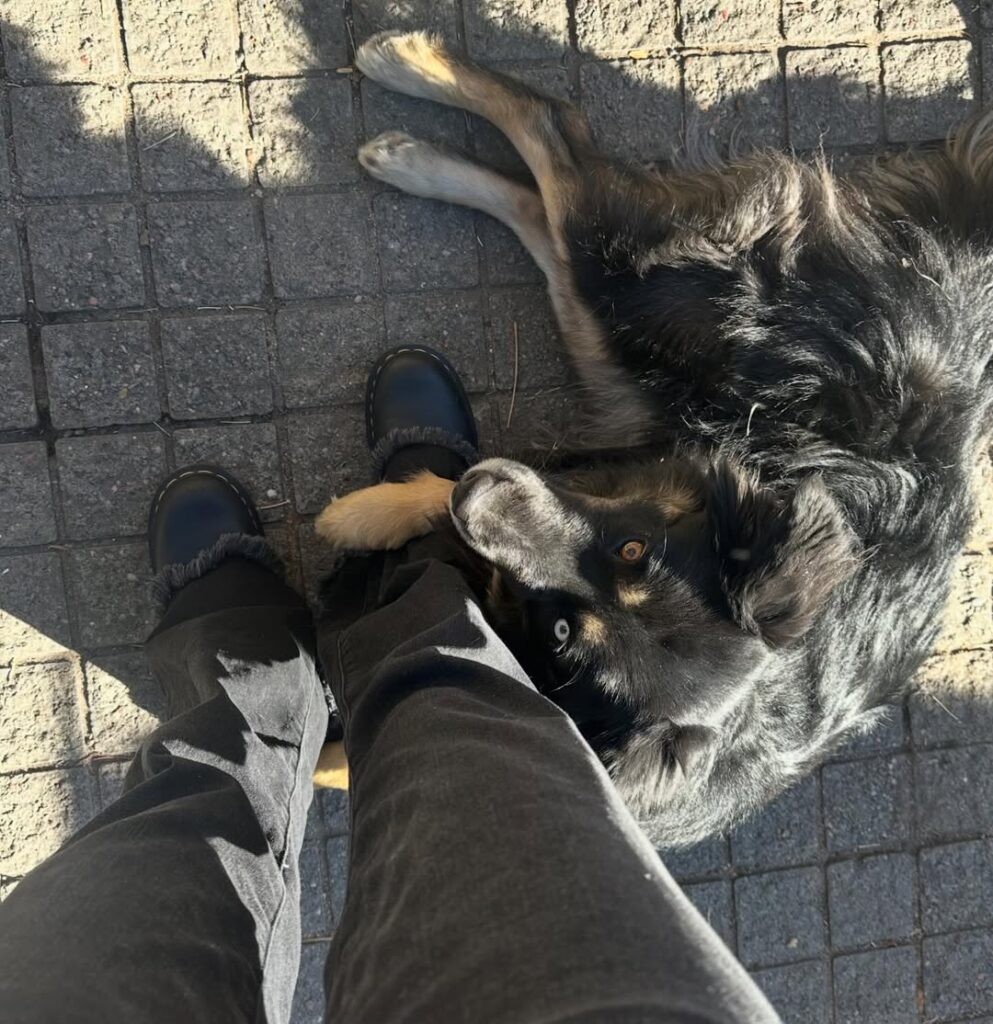
When a pet becomes more attached over time, it’s easy to chalk it up to affection or habit. In many cases, it’s about safety.
Veterinary guidance from the American Animal Hospital Association explains that anxiety tied to separation or routine shifts often builds gradually. It commonly shows up as increased following, distress during departures, or trouble settling alone.
Their separation anxiety guidance notes that these behaviors often follow life changes that feel minor to people but meaningful to animals.
Clinginess is often a coping response.
It’s how pets stay regulated when something feels uncertain.
Once you see it that way, the behavior stops feeling annoying or confusing. It starts feeling useful.
So what kinds of changes lead to that shift?
How Small Routine Changes Shape Attachment
Pets learn safety through predictability.
When daily rhythms change, even slightly, attachment patterns can shift with them.
Working from home more often. Leaving at new times. Travel. A new person in the house. Even small timing changes can matter.
Behavior experts at the American Veterinary Society of Animal Behavior explain that many behaviors that look like separation anxiety or clinginess are tied to context. Their guidance points out that observing how pets behave when alone can help separate anxiety from habit or environment.
I noticed this during a busy stretch of travel.
I was home for weeks. Then gone. Then home again. My dog learned that closeness felt steadier than distance.
If your routine shifted in the past year, even in a positive way, that change may still affect your pet.
Consistency tends to calm more than reassurance.
Regular mealtimes. Familiar departure cues. Quiet returns.
Routine builds confidence, but it’s not the only piece.
Physical Discomfort Can Increase the Need for Reassurance
When pets feel off physically, many seek proximity.
Being close feels stabilizing.
The MSD Veterinary Manual explains that medical issues, including pain, can lower a pet’s tolerance for stress and lead to behavior changes. That can include increased attachment or restlessness that doesn’t look like pain at first.
This matters because discomfort doesn’t always show up as limping or crying.
It often shows up as hovering.
I noticed my dog followed me more on mornings when he moved stiffly. Once I adjusted his activity level and resting setup, the behavior eased.
Pay attention to timing.
Does clinginess increase after walks, play, or long rest periods?
Physical comfort supports emotional balance, which brings us to another common cause.
Anxiety Often Looks Like Clinginess
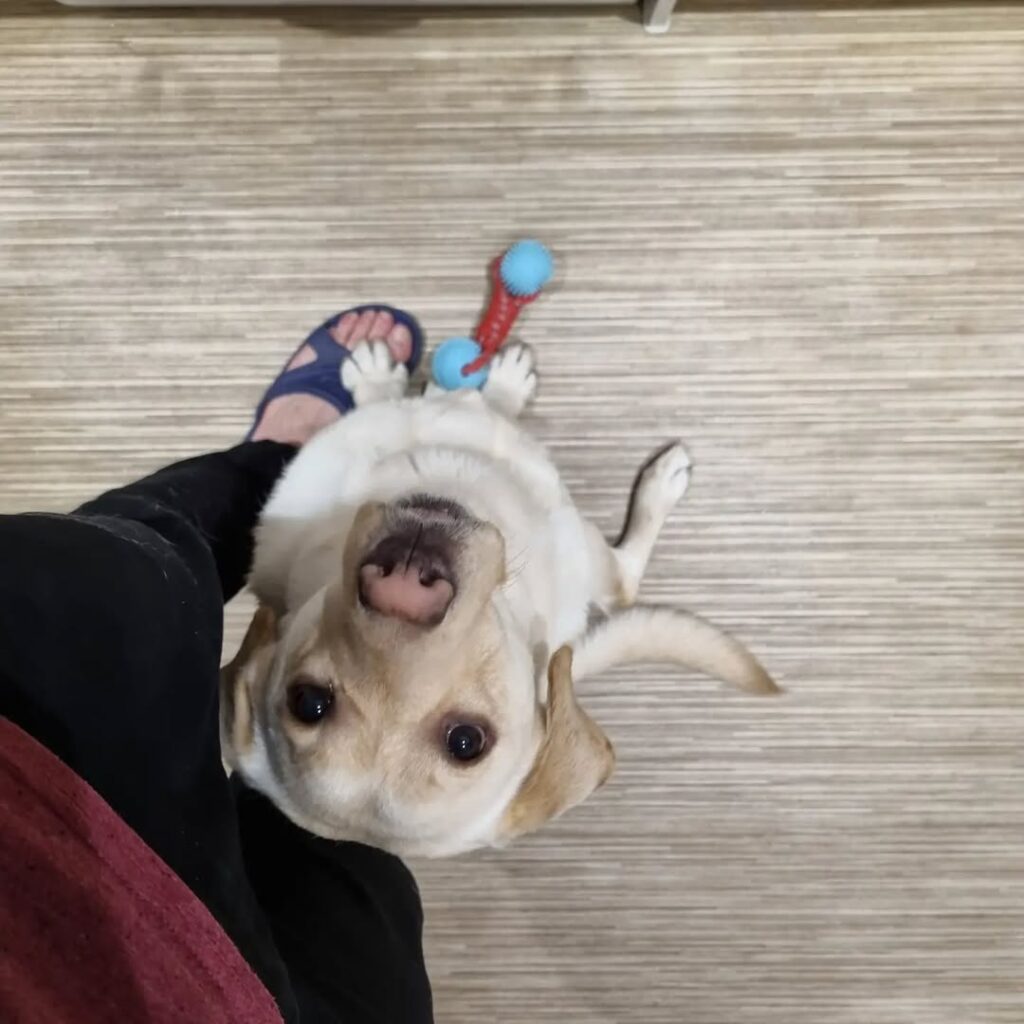
Anxiety doesn’t always look dramatic.
Sometimes it looks like a pet that just wants to stay close.
Veterinary guidance from the Cummings School of Veterinary Medicine at Tufts University explains that anxious dogs often appear needier or more attached. Their guidance also addresses a common concern. Comforting an anxious pet doesn’t create fear. Calm presence supports regulation.
This is where many owners feel unsure.
They want to help without making things worse.
Support doesn’t mean constant attention.
It means steady, predictable interaction without urgency.
That sense of predictability starts at home.
How Home Setup Influences Clingy Behavior
Pets notice their surroundings more than we expect.
Noise levels. Lighting. Foot traffic. Where rest happens.
When the home feels unpredictable, pets often seek proximity.
Guidance from the University of Illinois College of Veterinary Medicine explains that anxiety in pets often connects to environmental and schedule disruptions, including moves, household changes, or altered daily flow. Their separation anxiety guidance points toward calm routines and supportive spaces.
Small changes can help right away.
A resting spot away from foot traffic.
Lower evening lighting.
Background noise that stays consistent.
In smaller homes, this matters even more.
Clear rest zones help pets relax without tracking your every move.
Environment sets the tone, but attention patterns matter too.
Also read: How Environment Influences Pet Behavior and Health
When Attention Accidentally Reinforces Clinginess
Clingy behavior often increases because it works.
Pet follows you.
You respond.
Pet feels safer.
That loop forms quickly.
Research published in Veterinary Medicine: Research and Reports, available through the U.S. National Library of Medicine, explains that separation-related behaviors often improve with steady routines and gradual independence. The focus isn’t ignoring pets. It’s helping them feel safe during brief separations.
This changed how I responded.
I stopped constant reassurance and focused on calm departures and neutral returns.
Support doesn’t require constant contact. It relies on predictability.
So what helps without pushing your pet away?
What You Can Do Right Away
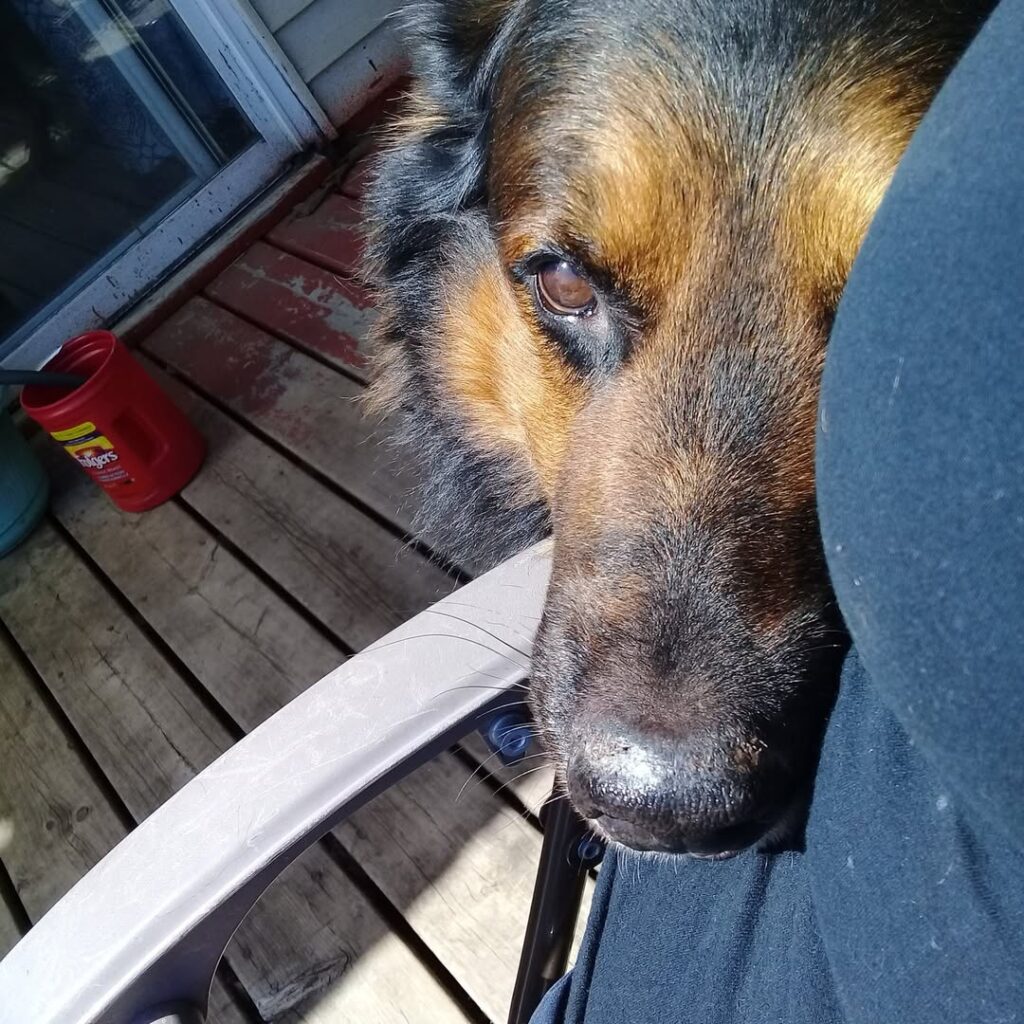
Start with balance.
Offer closeness during calm moments. Encourage rest in familiar spaces. Keep departures low-key.
Then build gentle independence.
Short time in another room. Brief exits with quiet returns. Familiar cues that signal safety.
Guidance from Hill’s Pet Nutrition explains that both dogs and cats can show separation-related behaviors through following, vocalizing, or distress. Their behavior guidance points toward gradual adjustments rather than sudden change.
Progress often looks quiet. Less hovering. Easier settling. More ease.
Still, some situations call for closer attention.
When Clinginess Signals Something More
Sudden clinginess paired with confusion, nighttime restlessness, or disorientation deserves attention.
The Cornell University College of Veterinary Medicine explains that aging pets can develop cognitive changes that affect behavior. Their guidance on canine cognitive dysfunction describes shifts that owners may read as neediness.
If behavior changes feel sudden, layered, or intense, professional guidance can help clarify what’s happening.
Early response supports comfort and quality of life.
That’s the goal.
Closeness With Confidence
Clinginess isn’t failure. It’s information.
When you respond with calm structure, steady routines, and thoughtful support, confidence grows on both sides.
I no longer worry when my dog checks in.
I look for patterns.
That awareness keeps daily life calmer. It keeps routines smoother.
And it helps pets feel safe enough to relax again.
Once you begin paying attention to clingy behavior, questions tend to surface quickly.
Am I overthinking this? Am I helping or making it worse? Is this just how my pet is now?
These are common concerns. The answers below are meant to guide, not diagnose. They’re about understanding what you’re seeing and deciding what makes sense next.
Frequently Asked Questions
Is clinginess always a sign of anxiety?
Not always.
Clinginess can grow from routine changes, physical discomfort, aging, or uncertainty. Anxiety is one possible cause, not the only one.
What matters most is how the behavior shows up and whether it’s new or increasing.
My pet has always been affectionate. How do I know this is different?
Look for change, not personality.
If your pet used to rest independently and now follows constantly, waits for you to move, or struggles to settle alone, that shift is worth noticing.
Affection feels relaxed. Clinginess often feels restless.
Can I make clinginess worse by comforting my pet?
Calm comfort doesn’t create fear.
What tends to increase clinginess is urgency or inconsistency. Rushing to reassure during every movement can turn closeness into a coping habit.
Steady, predictable interaction usually helps more than constant reassurance.
Should I ignore my pet to help them become more independent?
Ignoring isn’t helpful.
Support and independence can exist together. Offering calm closeness at planned times while allowing short, predictable separations helps pets feel secure without pressure.
Balance matters more than distance.
How long should I wait before being concerned?
A day or two of extra attachment can happen.
If clingy behavior builds or stays consistent across several days, especially when paired with other changes, it’s time to pay closer attention.
Patterns matter more than single moments.
Does aging affect clingy behavior?
Yes.
Older pets may seek reassurance more often as their senses or comfort levels change. Clinginess tied to confusion, disrupted sleep, or restlessness deserves closer attention.
Aging brings adjustments, not assumptions.
What’s the best first step if I’m unsure what’s causing the behavior?
Start by simplifying the day.
Stick to familiar routines, reduce noise and pressure, and watch how your pet responds. Small adjustments often bring clarity.
Observation gives you better answers than guessing.
Also read:


