
A Guide to Helping Pets Thrive in Modern Living Spaces
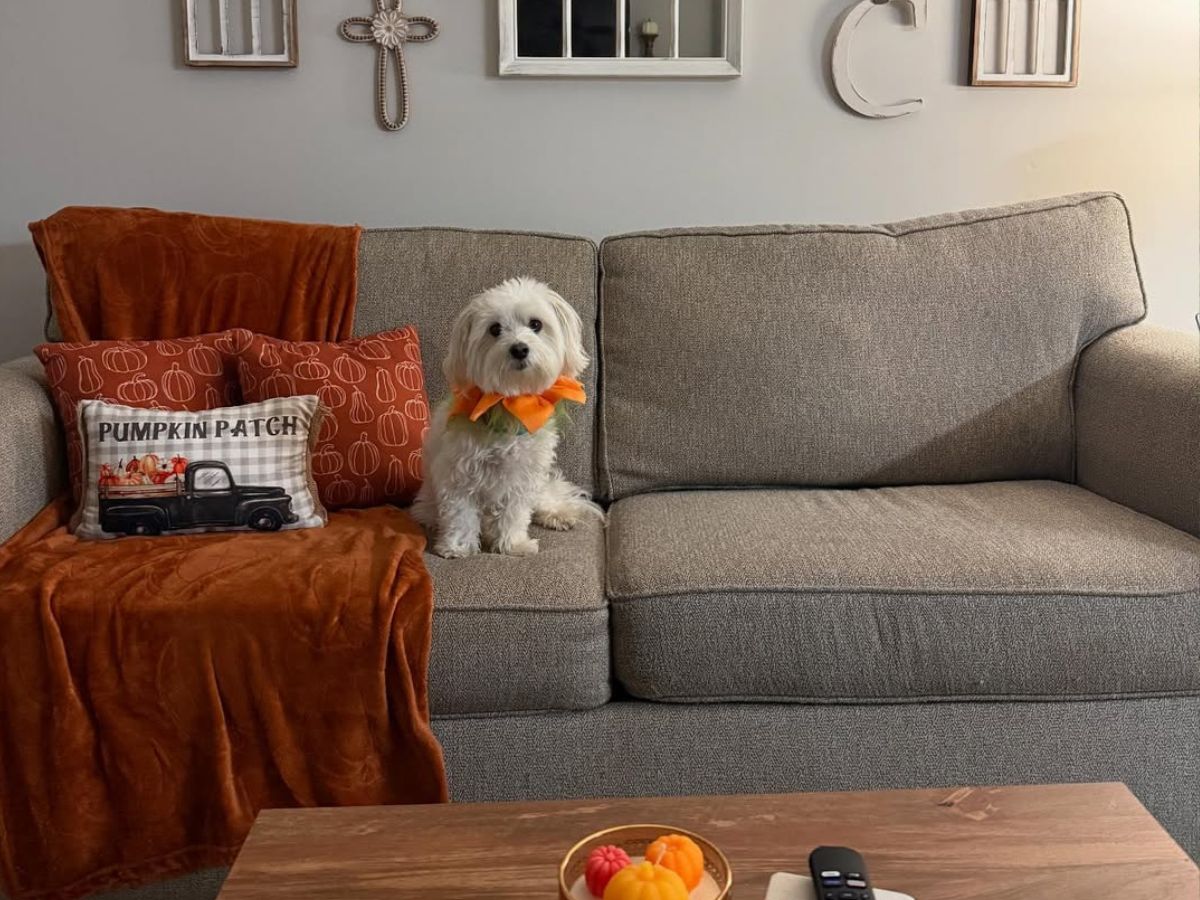
Modern homes look different from how they used to.
Smaller footprints. Shared walls. Busy schedules. Constant background noise.
Many pets now live in apartments, condos, or compact houses where quiet corners are rare and routines shift often. If you’ve ever wondered whether your space is really working for your pet, you’re not alone.
Pets can thrive in modern living spaces. They just need support that fits how life actually runs now, not how homes used to look.
Here is why this matters.
When a living space doesn’t meet a pet’s needs, stress shows up quietly. Rest becomes shallow. Attention feels constant. Daily routines grow harder than they should be.
Learning how to shape your home with intention helps pets settle, build confidence, and feel comfortable without adding more work to your day.
Thriving Is About Fit, Not Square Footage
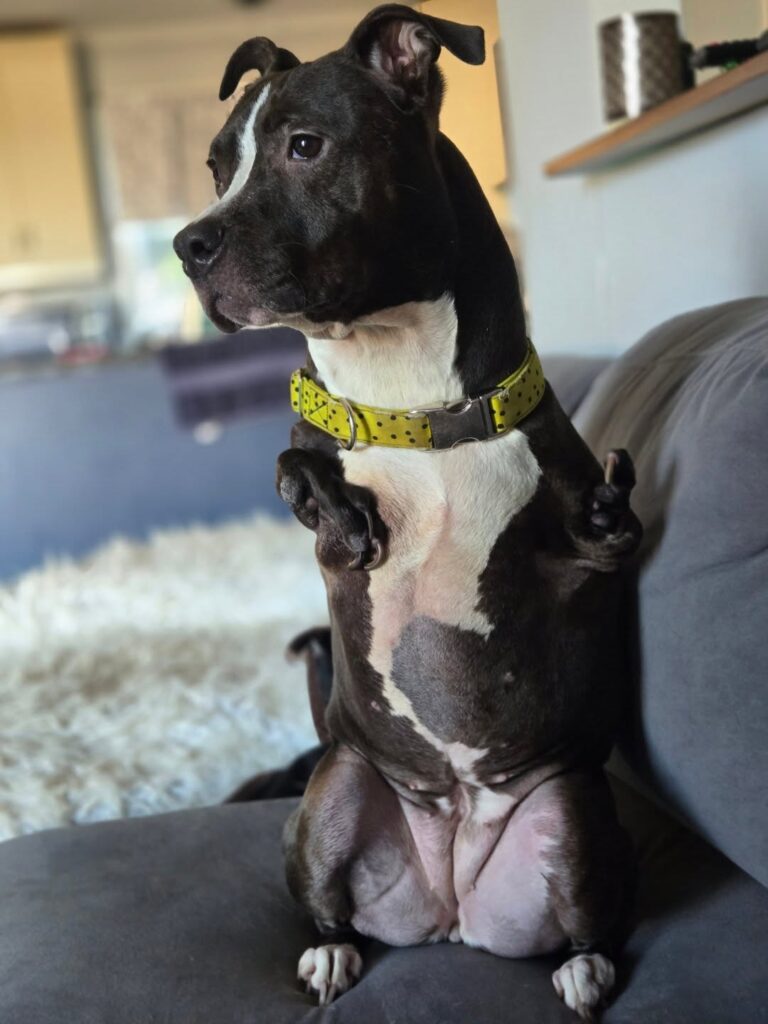
It’s easy to assume pets need large yards or wide open rooms to feel content. In practice, most pets settle better with predictability than with space alone.
Veterinary guidance from the American Animal Hospital Association explains that indoor enrichment and structured activity support well-being, especially when outdoor access or space is limited. Their guidance on indoor enrichment for dogs shows how thoughtful use of the home environment can meet both physical and mental needs.
Thriving comes from how a space functions, not how big it is.
Once you see that, modern homes stop feeling restrictive and start feeling workable.
Let’s break it down.
How Modern Living Shapes Pet Behavior
Modern homes bring constant input.
Footsteps. Voices. Appliances. Neighbors. Screens.
Pets absorb this stimulation even when we barely notice it anymore.
Animal welfare guidance from RSPCA Australia explains that when meaningful engagement is missing and stimulation never fully shuts off, stress can build. Pets may appear restless, overly attached, or unable to settle, even when their needs seem met.
I noticed this during workdays at home.
My dog had access to me all day, yet felt less settled by evening. He was taking in noise and movement without a true pause.
Awareness changes how you respond.
Once you notice the load modern living places on pets, small adjustments become easier to spot.
Space is one of the simplest places to start.
Creating Safe Zones in Shared Spaces

Pets need places where nothing is asked of them.
No foot traffic. No interaction. No sudden noise.
Research published in the journal Animals shows that environmental enrichment and thoughtful space use can reduce stress behaviors and support relaxation in dogs. Changes to the environment alone affected how dogs rested and responded to daily life.
A safe zone doesn’t need its own room.
It can be a corner. A crate with the door open. A mat tucked behind the couch.
What matters is that it stays consistent.
I moved my dog’s resting spot away from the hallway and noticed a shift within days. He settled faster and stopped following me as closely.
When rest improves, movement becomes easier to support.
Supporting Healthy Movement Indoors
Limited space doesn’t limit movement.
It just calls for structure.
Guidance from the American Veterinary Society of Animal Behavior supports reward-based approaches that encourage calm behavior and appropriate activity indoors. Their humane training guidance emphasizes teaching skills that fit the home instead of expecting pets to figure it out alone.
Indoor movement works best when it’s predictable.
Short play sessions. Gentle stretching. Calm exploration inside the home.
You don’t need intensity. You need regularity.
That balance supports mental ease as well.
Mental Engagement That Fits Real Life
Boredom and overstimulation often exist side by side in modern homes.
Pets see everything but engage with little.
Veterinary research available through PubMed Central shows that structured mental engagement paired with gradual independence supports calmer behavior, especially in environments with limited space and shifting routines.
Mental engagement doesn’t mean filling every moment. It means creating a few meaningful ones.
Focused interaction for a few minutes.
A simple puzzle during quieter hours.
Clear downtime afterward.
When the mind settles, the body follows.
That rhythm depends on how the day is shaped.
Why Routine Matters More Than Ever

Modern schedules shift often. Hybrid work. Errands at odd hours. Social plans that change.
Veterinary guidance from the University of Illinois College of Veterinary Medicine explains that pets rely on routine to feel secure, especially in homes with frequent change. Their separation anxiety guidance notes that predictable schedules help pets handle time alone and household movement more calmly.
Routine doesn’t need to be strict. It needs to feel familiar.
Meals around the same time
Walks with a recognizable flow.
Evenings that wind down the same way.
When the day has a shape, pets relax into it. That makes independence easier to learn.
Teaching Pets to Settle Independently
Many pets in modern homes struggle to be alone, even when their people are nearby.
They track movement. They wait. They hover.
That isn’t stubbornness. It’s uncertainty.
Guidance from Hill’s Pet Nutrition explains that both dogs and cats can show stress behaviors when independence isn’t practiced gradually. Their behavior resources point toward calm departures, neutral returns, and familiar cues.
I stopped narrating my movements at home. I sat down without calling my dog. I stood up without engaging him.
At first, nothing changed. Then he stayed put.
Independence grows quietly.
Still, some signs ask for closer attention.
When Your Living Space Is Asking for Adjustment

If a pet struggles to rest, startles easily, or seems constantly alert, the environment may need tuning.
Guidance from the FelineVMA on feline well-being explains that access to safe resting spaces, predictable resources, and control over interaction reduces stress. While focused on cats, the principles apply across species.
The space communicates too.
Small shifts often help. Lower noise during rest hours. Clear resting zones. Predictable transitions.
For older pets, the picture can change again.
Aging Pets and Modern Homes
Older pets often experience modern spaces differently. Lighting. Flooring. Nighttime noise. Disorientation.
The Cornell University College of Veterinary Medicine explains that cognitive changes in aging dogs can affect sleep, behavior, and attachment. Their guidance on canine cognitive dysfunction describes shifts owners may read as restlessness or neediness.
Supporting aging pets often means simplifying the space.
Clear paths. Steady lighting. Familiar routines.
Comfort changes with age, and homes can adapt.
Thriving Together in the Space You Have
Modern homes can support calm, content pets. They just ask for awareness.
When you create places to rest, structure movement, support the mind, and shape the day with intention, pets adapt with ease.
I no longer focus on square footage. I focus on fit.
That shift keeps daily life calmer. It supports independence and connection at the same time.
And it helps pets thrive right where they are.
Once you begin shaping your home with your pet in mind, questions tend to surface.
Am I doing enough? Is this normal for my space? Should things feel easier by now?
These questions are part of the process. The answers below focus on awareness and next steps, not perfection.
Frequently Asked Questions
Can pets really thrive in small apartments or shared homes?
Yes.
Thriving depends more on predictability, comfort, and engagement than square footage. Many pets do well in compact spaces when rest, movement, and routine are supported consistently.
Space matters less than how it’s used.
How do I know if my home setup is stressing my pet?
Watch how your pet rests.
Difficulty settling, constant alertness, or following every movement often point to an environment that feels busy or unpredictable.
If calm moments are rare, the space may need adjustment.
Is it okay if my pet wants to be near me all the time?
Wanting closeness isn’t a problem on its own.
The concern starts when a pet struggles to relax unless you’re present or becomes restless when you move away.
Healthy attachment includes comfort with short, predictable separation.
How long does it take for small changes to help?
Often faster than expected.
Many pets respond within days when rest zones improve or routines become clearer. Others take longer, especially if the space has felt overwhelming for a while.
Progress usually looks quiet, not dramatic.
Do indoor pets need more stimulation than outdoor pets?
They need different support.
Indoor pets benefit from structured movement, mental engagement, and predictable downtime. Outdoor access isn’t required for well-being when daily needs are met inside the home.
Balance matters more than location.
What’s the biggest mistake people make in modern living spaces?
Trying to fix everything at once.
Too many changes can feel just as unsettling as none. Small, steady adjustments tend to work better than constant experimentation.
Simplicity helps pets settle.
When should I consider professional guidance?
If your pet struggles to rest, shows sudden behavior changes, or seems confused or distressed despite adjustments, it’s time to get help.
Support works best when it starts early.
Also read:
How to Maintain Pet Well-Being During Travel or Absences
How to Help Pets Adjust to a New Home Without Stress or Setbacks


