
How to Build Good Pet Habits From Day One
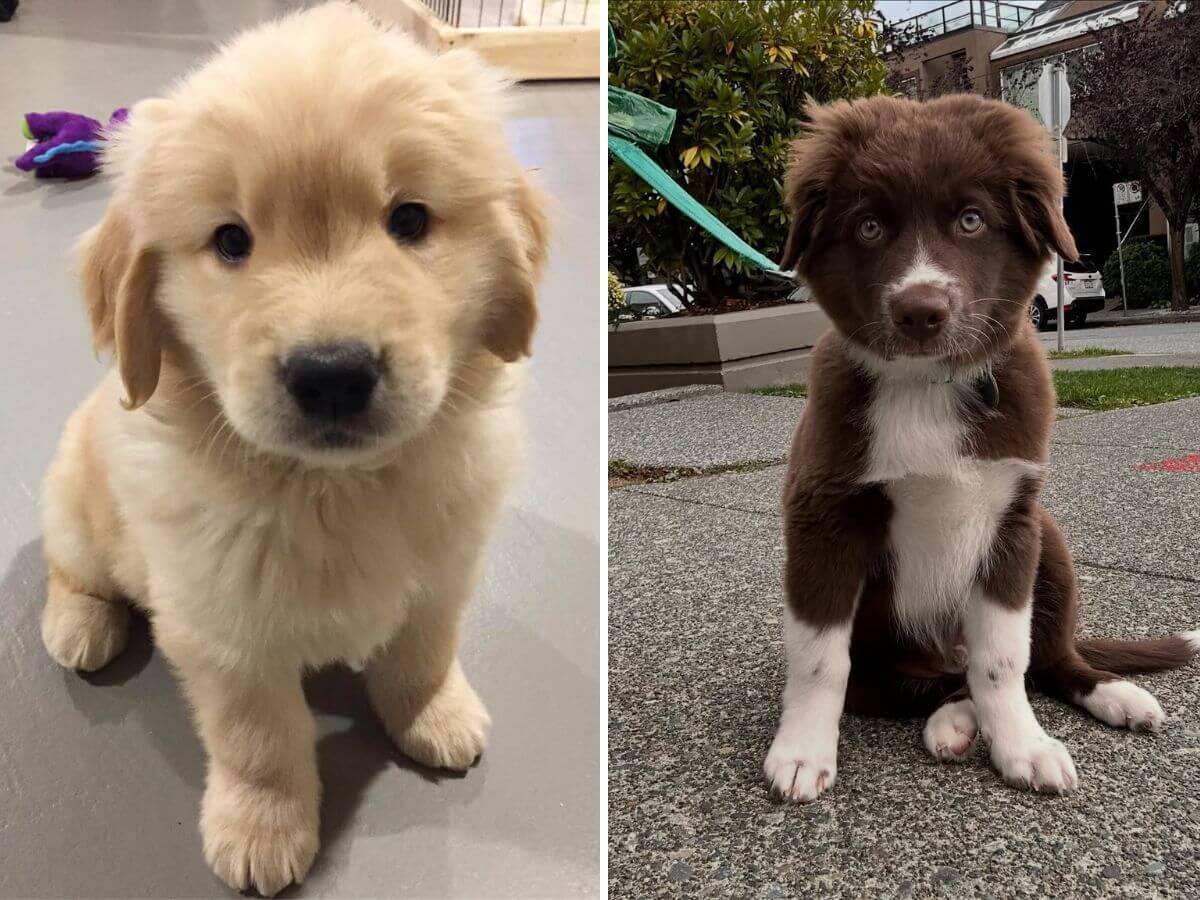
I did not learn this the easy way.
When I brought my first pet home, I thought love would cover everything. Extra cuddles. Flexible rules. Letting things slide because the day felt long. I meant well. What I got instead was confusion, tension, and a house that never quite settled.
That experience changed how I approach the first days with any pet.
What I wish I had known then is simple. Good habits do not come from strict training or perfect routines. They grow from small, repeatable patterns your pet picks up quietly, often before you notice them yourself.
When those patterns are clear, homes feel calmer. Pets relax faster. Daily life gets easier instead of louder.
Day one is not about control. It is about setting a rhythm your pet can trust.
Here is why that matters more than most people realize, and how it can save you months of stress later on.
Your Pet Learns Patterns Faster Than Words
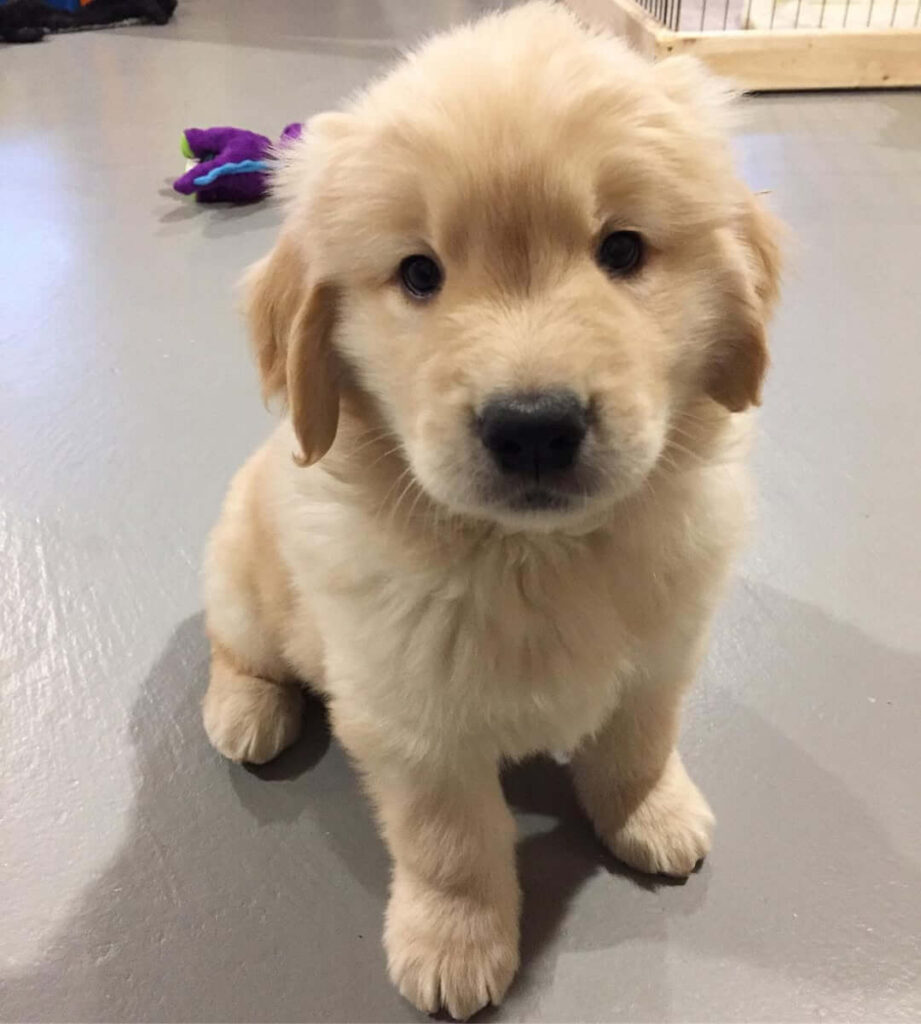
Before a pet understands a single command, they read patterns. When food appears. How voices sound. What happens after they whine, paw, or bark.
This starts earlier than most people expect.
The UC Davis School of Veterinary Medicine explains that dogs pass through a narrow social development window early in life where habits and responses form fast, often faster than owners expect, and their guidance shows how timing and exposure shape future behavior more than later correction.
That means your pet is learning even when you think nothing is happening.
You can use this today.
Pick one routine and lock it in. Feeding time. Morning walks. Quiet time at night. Keep it steady for a full week. Most pets adjust before owners feel the shift themselves.
Once patterns settle, behavior follows naturally.
That leads to the first rule most homes overlook.
Consistency Beats Intensity Every Time
Most behavior problems begin with mixed signals.
One day the couch is allowed. The next day it is not. One night whining gets attention. Another night it does not. Pets do not read intention. They notice changes.
Veterinary guidance supports this across ages.
The American Animal Hospital Association advises calm, reward-based responses and limiting distractions during early behavior shaping, noting that steady responses teach faster than emotional reactions.
A simple step that works.
Choose one rule you will never bend. Just one. No begging at the table. Waiting before going out the door. Stick to it even on tired days. Pets relax once rules stop shifting.
That calm opens the door to better timing.
Habits Form Around Timing, Not Commands

Most owners focus on words. Sit. Stay. No.
Pets focus on when things happen.
When meals arrive at random times, pets stay alert all day. When walks run late, rest never feels safe. When play stretches into bedtime, calm never settles.
Timing anchors behavior more than tone.
You can reset this without tools. Feed at the same time daily. End play with a quiet cue. Lower lights at night. These signals teach rest faster than repeated commands.
Still, timing alone is not enough if energy stays high.
Calm Is a Habit You Teach
Pets mirror energy. Loud reactions create louder pets. Sudden corrections raise alertness, not understanding.
I noticed this once I stopped reacting and started responding. Lower voice. Slower movements. Predictable responses. The house felt different within days.
Animal welfare guidance supports this approach.
The RSPCA supports reward-based training because pets learn best when they are set up to succeed and then rewarded for calm, desired behavior rather than corrected after mistakes.
You can start tonight.
Add one calm ritual before bed. A short leash walk. Quiet brushing. Sitting together without stimulation. Pets learn that calm has a place in the day.
When calm becomes normal, the space around them starts guiding behavior.
Good Habits Grow Through Environment, Not Correction
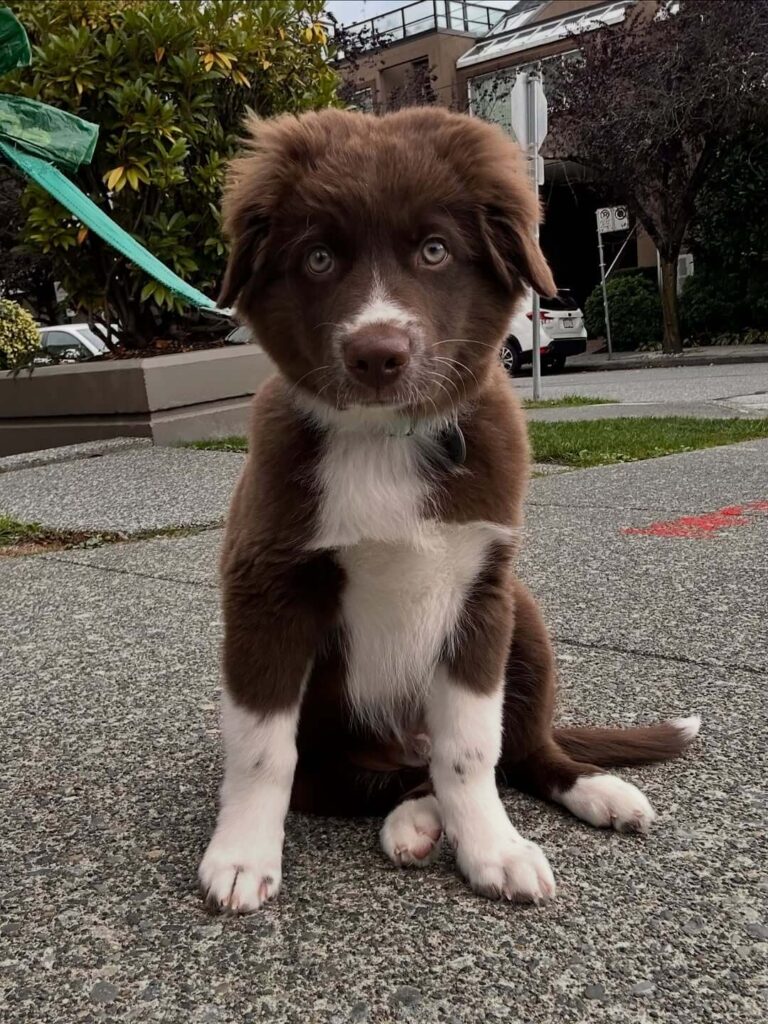
Correction happens after a choice.
Environment shapes the choice itself.
Chewing happens where items stay within reach. Barking increases near busy windows. Accidents happen where routines drift.
Even common tools depend on context.
The ASPCA explains that crates should never be used as punishment or for long periods, and work best when tied to safety and routine rather than frustration.
Small homes benefit most from this thinking.
Move shoes out of reach. Block high-traffic stress zones. Create one calm corner that stays quiet. Pets choose better behavior without being told.
This sets the tone for the first month.
The First 30 Days Set the Emotional Tone
Habits are not just actions. They become emotional shortcuts.
When pets know what comes next, they relax. When rules stay steady, trust grows. When calm moments repeat, confidence builds.
You do not need perfection in the first month. You need predictability.
I stopped aiming for flawless behavior and focused on steady days. The house changed. My pets changed. Most of all, how I showed up changed.
To keep that momentum, one check helps.
A Daily Habit Check That Keeps You Steady
Each night, ask one question.
Did I respond the same way today as yesterday?
If yes, habits are taking root.
If not, reset tomorrow without guilt.
This simple check prevents rule drift and quiet stress. It keeps homes calmer without adding work.
Building Habits Is About the Home, Not the Pet
Good pet habits do not come from control or tricks. They grow from clear routines, calm responses, and spaces that guide behavior quietly.
Start with one pattern. Hold it steady. Let your pet meet you there.
That is how good habits begin.
RELATED:


