
How to Care for Pets During Seasonal Changes

Seasonal changes used to catch me off guard.
One week everything felt normal. The next, my pet seemed restless, less comfortable, or just slightly off. Nothing dramatic. Just enough to notice that something had shifted.
What I learned is that pets often feel seasonal changes before we do. Their bodies respond to temperature, light, and routine shifts quietly, long before obvious signs show up.
Once I started paying attention earlier, daily life got easier. Small adjustments prevented bigger issues. Comfort returned without overcorrecting.
Seasonal care is not about doing more. It is about noticing sooner and responding gently.
Here is how to support your pet through seasonal changes in ways that fit real life, not a perfect routine.
Pets Feel Seasonal Changes Through Their Bodies First

Pets do not experience seasons as calendar events. They feel them through temperature, surfaces, and daily patterns.
A cooler floor. A warmer room. Shorter days. Longer nights. These changes affect comfort before behavior changes become obvious.
I started paying attention to small signs. Longer pauses before getting up. Seeking warmth or shade more often. Subtle shifts like these usually showed up before anything else.
Watching early signals gives you time to respond without rushing or second-guessing.
Those shifts often appear first in daily routines.
Adjusting Daily Routines as Seasons Shift
Seasonal changes often reshape how days unfold.
Earlier sunsets can affect evening activity. Hot afternoons can shorten walks. Cold mornings may slow everything down before the day even begins.
Routines still matter, but timing sometimes needs a small adjustment.
The key is keeping anchors steady while allowing flexibility around them. Feeding, rest, and quiet time can stay consistent even when activity shifts slightly earlier or later.
Try this during transitions.
Keep one daily anchor unchanged. Adjust everything else around it. Pets handle seasonal shifts more easily when something familiar stays in place.
Movement is usually the next thing that feels different.
Seasonal Changes Affect Energy and Activity Needs

Seasonal weather can change how much pets want to move.
Heat may reduce stamina. Cold can slow starts. Pushing the same activity level year-round can lead to discomfort instead of balance.
I learned to shorten activity but increase intention. Fewer long sessions. More short, purposeful movement. Energy felt steadier, and recovery came faster.
Watch recovery, not just activity.
If your pet settles more easily afterward, the adjustment is working. If not, the season may be asking for less intensity.
One warm-weather rule matters every year. Michigan State University’s College of Veterinary Medicine warns that pets should never be left in cars, because interior temperatures can rise within minutes, even when parked in shade with windows cracked.
This risk often catches people off guard during spring warm-ups and early summer days.
Comfort at home plays a role here too.
Supporting Comfort Through Temperature and Environment
Indoor environments change with seasons, even when the shift feels subtle.
Drafts in winter. Dry air from heating. Warm pockets near windows in summer. Small changes like these can affect comfort throughout the day.
Public health guidance highlights the importance of protection during colder conditions. The CDC advises that pets should be brought inside or into protected covered areas, with bedding, food, and drinking water available.
You can make simple adjustments without rearranging your home.
Block drafts. Add bedding in cooler spots. Create one temperature-stable area where your pet can rest comfortably regardless of season.
Seasonal transitions also bring hazards that show up quickly around homes and driveways.
In winter, one risk is easy to miss because it can look like a small spill. The ASPCA explains that even a small amount of ethylene glycol can be potentially fatal to pets, making garage and driveway awareness especially important.
Seasonal care also includes what goes into the body.
Feeding and Hydration During Seasonal Transitions
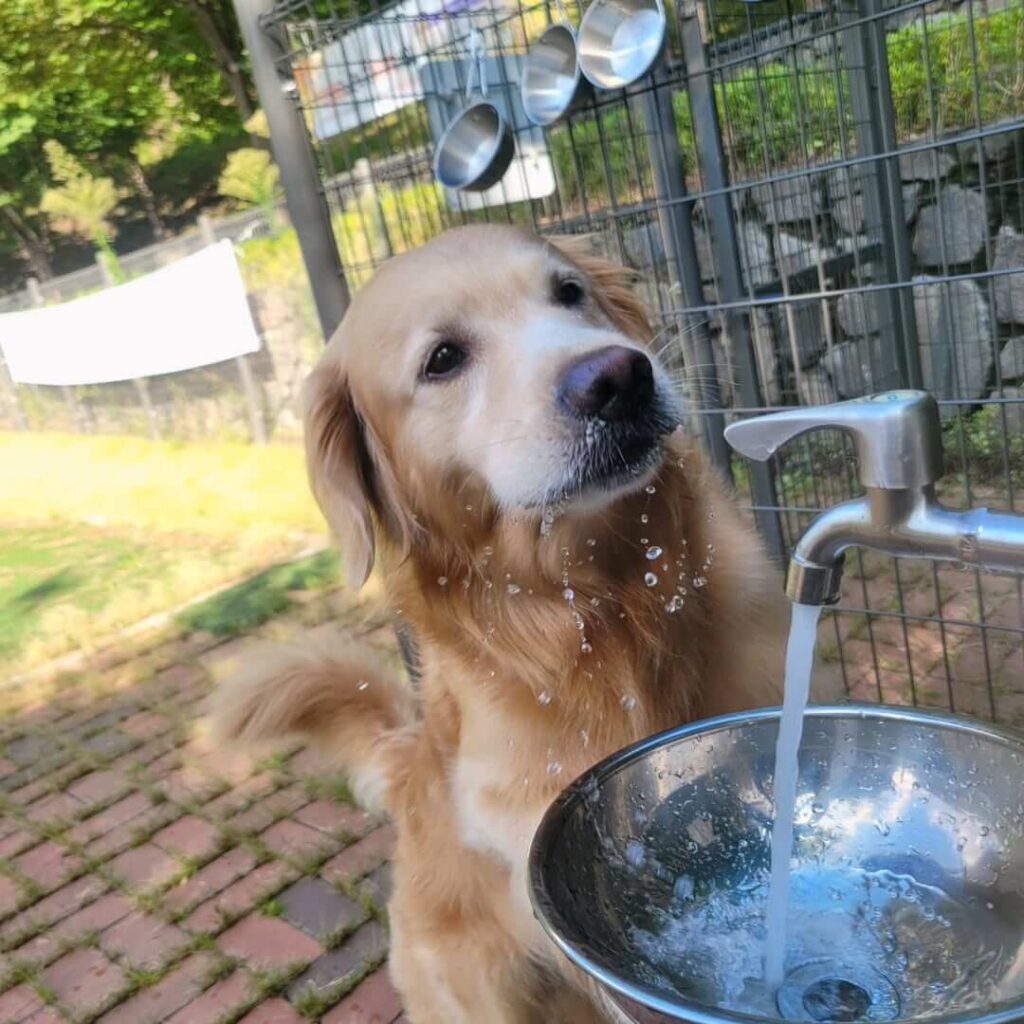
Seasonal shifts can affect appetite and thirst.
Warmer weather may increase water needs. Colder seasons may reduce interest in meals for some pets.
Instead of forcing intake, watch patterns across the day.
Offer water in the same places each day. Keep feeding times consistent even if portions vary slightly. Pets respond better to steady timing than pressure.
What touches the ground often shows seasonal impact next.
Skin, Coat, and Paw Care Across Seasons
Paws and skin feel seasonal changes quickly.
Hot pavement, icy sidewalks, and de-icing products can all cause irritation without obvious injury.
Humane World for Animals notes that rock salt and other ice-melting chemicals can irritate paw pads, and recommends wiping paws after walks to prevent irritation when pets lick them.
I made a habit of quick checks after walks. It took seconds and prevented bigger issues later.
A damp towel by the door works well, even in small spaces or busy households.
Seasonal shifts can also affect mood.
Seasonal Changes Can Affect Behavior and Mood

Some pets become clingy during transitions. Others seem withdrawn or restless.
Changes in light and routine can affect how safe the day feels, even when nothing else has changed.
Predictability helps here. Calm responses. Familiar cues. Gentle reassurance without hovering.
If behavior feels off, pause before correcting. Often the season is the cause, not the behavior itself.
Older pets tend to feel these changes more clearly.
Seasonal Care for Aging Pets
Aging pets often react more strongly to temperature and surface changes.
Cold floors may feel harder. Heat may drain energy faster than before.
I stopped comparing my pet’s current comfort to past seasons. That shift alone reduced frustration on both sides.
Support comfort first. Adjust expectations second.
Small changes, like extra bedding or shorter activity windows, often bring noticeable relief.
Seasonal care comes together quietly.
Seasonal Care Is About Paying Attention, Not Perfection
Caring for pets during seasonal changes does not require a checklist.
It starts with noticing patterns. Adjusting timing. Protecting comfort. Letting routines breathe.
Seasonal awareness builds trust because pets feel supported without disruption.
Start with one small change. Observe how your pet responds. Let the season guide the rest.
That approach carries you through every transition ahead.
Before You Go, A Few Questions Often Come Up
Seasonal changes tend to raise the same quiet concerns for many pet owners. Not because something is wrong, but because change invites uncertainty.
If you have paused during a weather shift wondering whether what you’re seeing is normal, these answers may help.
Frequently Asked Questions About Seasonal Pet Care
How quickly do pets react to seasonal changes?
Some pets react within days, while others show changes more gradually. Shifts in comfort, rest patterns, or behavior often appear before obvious physical signs.
Should routines change every season?
Routines still matter, but timing may need small adjustments. Keeping one or two daily anchors steady helps pets feel secure even as seasons shift.
Is it normal for pets to move less during extreme weather?
Yes. Heat and cold can change stamina and comfort. Shorter, more intentional activity often supports balance better than pushing through discomfort.
How can I tell if seasonal behavior changes are stress-related?
Watch patterns over several days. If behavior shifts align with changes in light, temperature, or routine, the season is often the cause rather than a training issue.
Do older pets need extra support during seasonal changes?
They often do. Temperature shifts and surface changes can affect comfort more strongly with age. Small adjustments can make daily life feel easier.
Final Thoughts
Caring for pets during seasonal changes is less about reacting and more about paying attention.
When you notice early signs, adjust gently, and keep daily anchors steady, transitions feel smoother for everyone involved.
Start with one small change. Watch how your pet responds. Let the season guide the rest.
If you’ve noticed certain seasonal shifts affect your pet more than others, or if you’ve found a simple adjustment that helped, share your experience in the comments. Your insight could help someone else feel more prepared for the next change.
RELATED:


