
How to Balance Work, Life, and Pet Care Without Burning Out

Some mornings, I used to sit at my desk already feeling behind.
Emails were piling up. Deadlines were loud.
And my dog was watching me with that quiet look that says, “Is today another busy one?”
If you work long hours or juggle unpredictable schedules, this probably feels familiar. You want to do right by your pet. You also need to show up for work. Somewhere in the middle, guilt starts taking up space.
What took me a long time to realize is this. Balance is not about adding more walks, more toys, or more rules to your day. It is about building a rhythm that fits real life, even on busy mornings and late evenings.
In this guide, I’ll walk you through how to balance work, life, and pet care in a way that actually holds up. Not ideal days. Not perfect routines. Just practical shifts you can use right away to feel calmer and help your pet feel more settled too.
Let’s break it down.
Why Balance Feels Harder Than It Should

Work schedules have changed faster than pet care expectations. Many of us work longer hours, sit more, and stay mentally “on” well past the workday. Pets have not adjusted the same way.
What makes it heavier is mental load. You are not just thinking about tasks. You are tracking feeding times, walks, play, vet care, and whether your pet feels lonely. Even on quieter days, that mental checklist follows you around.
This pressure builds quietly. Over time, it shows up as rushed mornings, distracted evenings, and the sense that something is always slipping through the cracks.
Here is what most people miss. Pets do not need constant attention. They need consistency they can count on, even when your schedule changes. Once you accept that, balance starts to feel possible instead of overwhelming.
Understanding Your Pet’s Non-Negotiables
Before adjusting your schedule, it helps to know what truly matters to your pet.
Dogs and cats need a mix of physical movement and mental engagement. When those needs are met, behavior improves and stress drops. The American Animal Hospital Association explains that daily exercise paired with mental stimulation helps reduce boredom and supports overall health.
This does not mean hours of activity. It means intentional moments that fit into real days.
A short morning walk.
A puzzle feeder set out before work.
A focused play session instead of background noise.
When these needs are met first, everything else becomes easier to plan around. You stop guessing and start prioritizing what actually moves the needle for your pet.
Designing a Pet-Friendly Daily Rhythm

I stopped trying to “fit in” pet care and started anchoring my day around it.
Morning and evening became fixed points. Everything else flexed. Even on busy days, those anchors stayed put.
Mornings stayed calm and predictable. A quick walk. Feeding. A few minutes of play. Even when I was short on time, this routine set the tone for the day.
Evenings followed a similar pattern. Work ended. Attention shifted. Phones stayed down for a few minutes while my dog got undivided focus.
Predictable timing lowers stress. Pets learn what comes next. You stop reacting and start moving through the day with less friction.
Now let’s make this rhythm work with a job that does not always cooperate.
Making Workdays Work for You and Your Pet
Long workdays do not automatically mean unhappy pets.
What helps is planning alone time realistically. The ASPCA notes that once a dog can stay calm alone for about 90 minutes, many can handle four to eight hours when properly prepared.
This shifts how you plan your day. Instead of worrying about the full work shift, focus on the first window.
Set your pet up well before you leave. Exercise. Enrichment. Calm energy. Even a short, focused routine can change how the rest of the day unfolds.
During workdays, I started using breaks differently. Not scrolling. Just a few minutes of interaction. A quick check-in. A calm voice. That small pause mattered more than I expected.
Support matters more than effort, especially on long days.
When You Need Help and Why That’s Okay

There was a time I felt guilty asking for help. Dog walkers. Neighbors. Family.
That guilt fades once you see the benefit. Reliable support creates stability, not weakness. It also protects you from burnout, which pets pick up on faster than we think.
Cornell University’s College of Veterinary Medicine explains that separation anxiety can be reduced through gradual desensitization. Start small. Step away briefly. Return calmly. Increase time slowly.
This approach works even with full schedules. You do not need perfect conditions. You need repeatable steps that fit your life.
Balance also means knowing when not to do everything alone.
Protecting Your Own Energy
Burnout changes how we show up. Short tempers. Missed cues. Less patience. That affects pets more than we realize.
Creating boundaries helped me. Work ended at a set time. Even when tasks were unfinished, my attention shifted. That short reset made evenings calmer and mornings easier.
The American Humane Society emphasizes the value of predictable routines and enriched environments. They also recommend exercise before long departures to help pets settle.
Rest is not a reward. It supports better routines, clearer thinking, and steadier care.
Consistency beats perfection every time.
Small Adjustments That Create Long-Term Balance
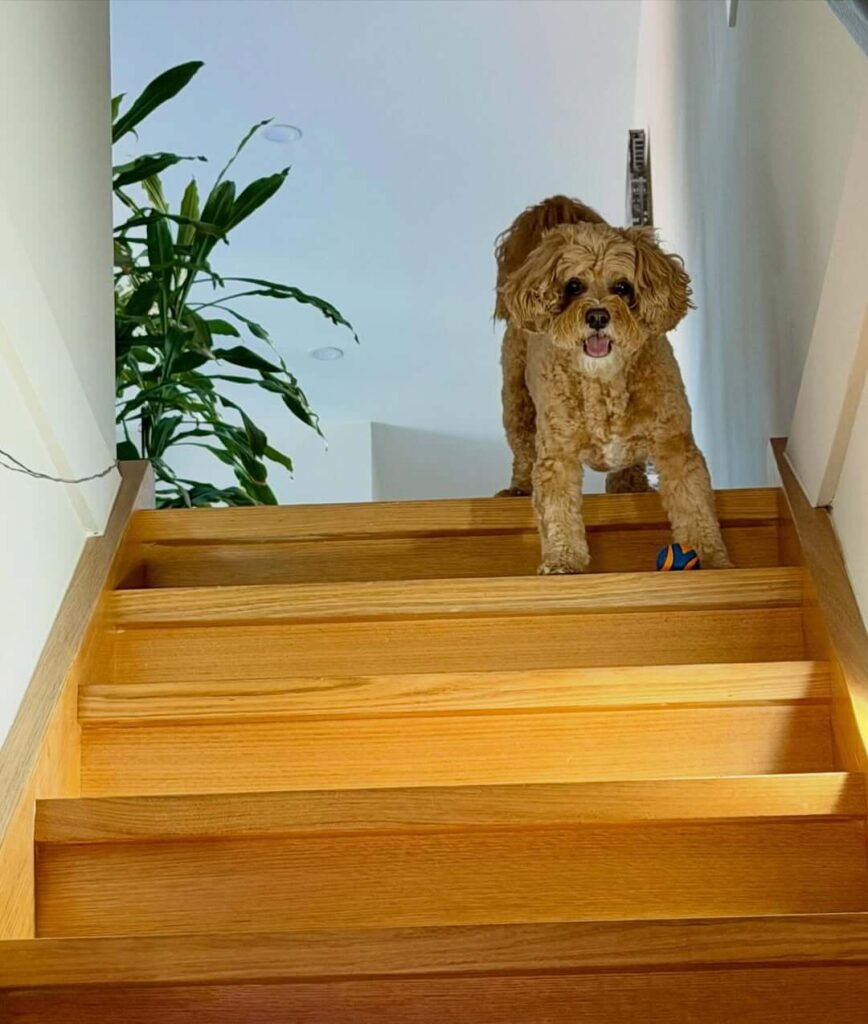
The biggest changes often come from the smallest shifts.
I stopped aiming for perfect days. I aimed for calm ones.
One steady routine.
One backup plan.
One habit that made mornings smoother.
Over time, stress dropped. My dog relaxed. I felt less pulled in every direction. These changes did not demand more time. They asked for better placement of the time I already had.
Next steps are simple. Pick one change today. Let it settle before adding more.
A Sustainable Way Forward
Balancing work, life, and pet care is not a fixed state. It moves. It adjusts. Some weeks feel easy. Others do not.
What matters is building a system that bends without breaking. When you care for your own energy, your pet benefits too.
Calm days create calm homes. That is a balance worth keeping.
Even with a solid routine, questions still pop up. Workdays change. Pets change. Life rarely stays predictable for long.
Here are some common questions readers ask when trying to balance work, life, and pet care, along with grounded answers that fit real schedules.
Frequently Asked Questions
How many hours can I realistically leave my pet alone during workdays?
This depends on your pet’s comfort level, not just your schedule. Many pets adjust well when alone time is built up gradually and paired with exercise and mental engagement beforehand. The key is preparation, not pushing limits all at once.
Is it okay if my routine changes from day to day?
Yes. What matters most is having a few steady anchor points, such as morning care and evening connection. Pets handle variation better when they can count on certain moments happening every day.
What if I feel guilty asking for help?
That feeling is common, especially for pet parents who want to do everything themselves. Reliable help often improves consistency and lowers stress for both you and your pet. Support creates stability, not distance.
Can short interactions really make a difference?
They can. Focused attention, even in small amounts, helps pets feel seen and settled. A calm check-in or brief play break often does more than hours of distracted time together.
How do I know if my pet is stressed by my work schedule?
Watch for changes in behavior, such as restlessness, clinginess, or withdrawal. These signs often point to inconsistent routines rather than lack of affection. Small adjustments usually help more than big overhauls.
Conclusion
Balancing work, life, and pet care is not about reaching a perfect setup. It is about building something steady enough to hold on busy days and flexible enough to adapt when plans change.
When routines feel calm, pets settle more easily. When owners feel less stretched, care becomes more consistent. That balance grows through small choices made over time, not big changes made all at once.
If you’re working through this right now, you’re not alone.
I’d love to hear from you.
What part of balancing work and pet care feels hardest for you at the moment?
Share your experience in the comments.
Also read:


