
How to Balance Physical and Mental Care for Pets

Caring for pets often starts with the visible needs. Food bowls filled. Walks completed. Vet visits scheduled. If you’ve ever felt confident about those basics but unsure why your pet still seemed unsettled at times, you’re not alone.
What’s easier to miss is the mental side. Not because owners don’t care, but because mental strain shows up quietly. A little restlessness. A little clinginess. A shift in energy that’s hard to explain until it starts affecting daily life.
Here is why balance matters. Physical and mental care work together. When one side gets all the attention, the other can slip without warning. When both are supported, pets feel safer, calmer, and more settled in the routines you already share.
Why Care Is More Than Food and Exercise

Physical care is easy to spot. You can see movement, appetite, and sleep patterns. Mental care lives under the surface. It shows up through mood, focus, and how secure a pet feels in their space.
When mental needs go unmet, physical outlets alone don’t always help. More walks don’t settle anxiety. Extra food doesn’t ease boredom. That disconnect often leaves owners feeling confused even when they’re doing “everything right.”
Seeing both sides together helps you respond with intention instead of guessing.
What Physical Care Looks Like Day to Day
Physical care includes movement, nutrition, rest, grooming, and regular health checks. These basics support the body and keep daily rhythms steady.
The challenge is that “enough” looks different for every pet. A young, energetic dog may need activity spread across the day. A senior pet may need short movement followed by longer recovery. Cats often meet physical needs through brief bursts of play rather than extended sessions.
Physical care keeps the body working. Mental care tells the body it’s safe to rest.
Mental Care Is About Safety and Predictability

Mental care isn’t about constant activity. It’s about stability.
Pets rely on cues. Time of day. Familiar routines. Predictable responses. When those cues feel steady, mental strain stays low even when life gets busy.
According to VCA Animal Hospitals, “Enrichment may be defined as an enhancement that provides mental and physical stimulation to improve your dog’s health and emotional well-being.”
That definition matters. Mental care isn’t separate from physical care. It shapes how pets experience every part of the day.
Let’s slow this down and look at how the two sides interact.
How Physical and Mental Care Affect Each Other
When physical activity lacks mental purpose, pets can still feel unsettled. Movement without engagement often leads to restlessness later in the day.
When mental stimulation exists without physical outlets, frustration builds. Pets may pace, vocalize, or seek attention in ways that feel sudden or confusing.
Research shared by RSPCA New South Wales explains this connection clearly. They note that “The benefits of enrichment can be surprisingly far-reaching, from reductions in stress and anxiety to reducing the risk of behavioural issues.”
Balance doesn’t come from doing more. It comes from pairing effort with calm.
Building Balance Into Everyday Routines
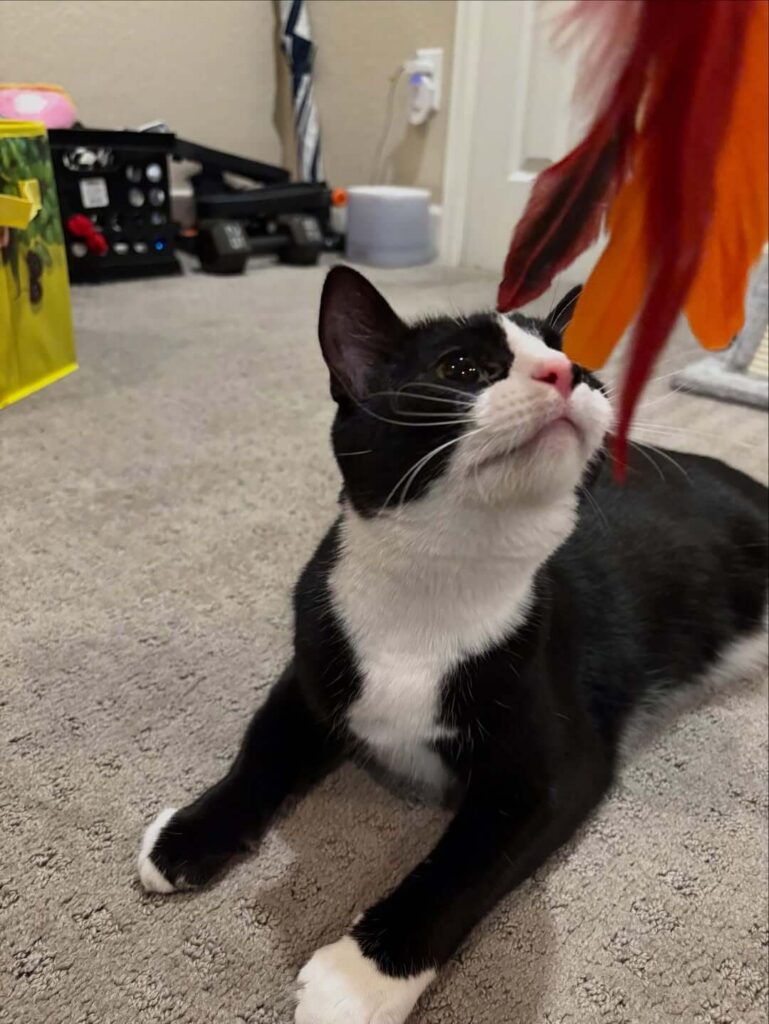
Balance works best when it fits naturally into normal days.
A walk followed by quiet rest. Playtime that ends before overstimulation sets in. Feeding routines that stay steady even when schedules shift.
I’ve found that pairing activity with recovery changes everything. After movement, I slow the environment down. Softer lighting. Fewer sounds. That shift tells my pet it’s time to settle.
These patterns reduce mental strain without adding extra tasks.
Creating a Home That Supports Both Body and Mind
Your home shapes how care feels.
Pets need places to move and places to pause. In small spaces, that contrast matters even more. A quiet corner. A familiar bed. A spot where nothing is expected.
For cats, this balance often comes through play that engages both body and mind. The Cornell University College of Veterinary Medicine explains that “Providing your cat with toys is a great way to encourage exercise and cognitive enrichment while strengthening the special bond you share.”
Environment can either amplify effort or allow it to settle.
When Balance Looks Different Than Expected

Some situations ask for more patience.
High-energy pets in quieter homes. Senior pets with curious minds and tired bodies. Rescue pets learning what safety feels like for the first time.
Balance isn’t fixed. It shifts with age, health, and experience. What worked last year may need adjustment now.
Flexibility often matters more than strict routines.
When Care Feels Off and What to Revisit First
When something feels off, start small.
Look at predictability before intensity. Are routines steady. Is rest protected. Is stimulation meaningful or just filling time.
For older pets, routine plays a bigger role. The American Animal Hospital Association notes that “Maintaining a consistent routine helps reduce anxiety and confusion in pets with cognitive decline.”
Consistency often settles what more effort cannot.
Finding a Rhythm That Works for You and Your Pet
Balance isn’t something you reach and forget. It’s a rhythm you return to.
When physical care supports the body and mental care supports safety, pets feel secure. That security shows up as calmer behavior, deeper rest, and stronger connection.
You don’t need to do everything. You need to notice what your pet responds to and adjust gently over time.
I’d love to hear from you.
How do you balance physical and mental care for your pet at home? Share what’s worked in the comments.
Also read:


