
How to Help Pets Develop Healthy Coping Behaviors

Most pet owners think stress shows up loudly. Chewed shoes. Scratched doors. Endless barking.
What I learned the hard way is this. Stress usually shows up quietly first.
A dog pacing after dinner. A cat hiding more than usual. Small changes that feel easy to brush off until they turn into patterns that shape how a pet handles the world.
Here is why coping behaviors matter. Pets do not just react to stress in the moment. They learn from it. Every routine, every response, every environment teaches them whether life feels safe or unpredictable.
When coping skills are weak, stress lingers. When coping skills are strong, pets settle faster, adapt better, and live more comfortably inside everyday homes.
That is what this guide focuses on. Simple, practical ways to help pets handle stress before it turns into long-term behavior problems.
Let’s break it down.
What coping behavior really looks like in pets

Coping behavior is not about obedience. It is about how an animal settles itself when something feels off.
Healthy coping looks subtle. Choosing rest over panic. Exploring instead of freezing. Recovering quickly after a scare instead of staying on edge.
Unhealthy coping often looks harmless at first. Excessive licking. Constant following. Overeating. These are not personality traits. They are signals that stress is being stored instead of released.
Veterinary professionals have been clear on this point. The American Animal Hospital Association behavior management guidelines explain that behavior problems often develop when emotional needs go unmet, even when physical care looks solid. Behavior is communication, not defiance.
The shift happens when owners stop asking, “How do I stop this?” and start asking, “What is my pet trying to handle right now?”
That question changes how you notice stress inside the home.
Which leads to the triggers most people miss.
The stress triggers most homes miss completely
Stress is rarely dramatic. In most homes, it repeats quietly.
Changes in routine matter more than people expect. Feeding later than usual. Walks getting skipped. Different work hours. Even small timing changes can make the day feel unpredictable to a pet.
Noise works the same way. Construction outside. A television that stays on longer. Guests coming and going. None of it feels extreme on its own.
Then there is emotional spillover. Pets read tone, movement, and energy. When I went through a hectic work phase, my dog became restless at night. Food, walks, and space stayed the same. My stress did not.
These triggers stack. When stress becomes background noise, coping weakens.
Once that happens, learning takes over.
How pets actually learn coping skills
Pets do not learn coping through commands. They learn through patterns.
The American Veterinary Society of Animal Behavior explains that harsh responses increase fear and interfere with learning. Fear limits a pet’s ability to adapt and settle.
This changed how I handled tense moments.
Instead of correcting stress, I stayed steady. Same voice. Same pace. Same response.
Over time, something shifted. Stress showed up. Nothing bad followed. Relief arrived. That sequence repeated.
Coping grows when the outcome stays calm.
That learning depends heavily on the space pets live in.
Creating a home that supports calm behavior

The environment does more work than most owners realize.
Veterinary references describe behavior care as a mix of space, routine, and emotional safety, not training alone. The MSD Veterinary Manual explains how environment shapes stress responses in dogs.
One simple change made a difference for me. I stopped deciding where my pets should relax and paid attention to where they already felt safe.
In small homes, this still works. A quiet corner. A chair no one uses. A box tucked near furniture. What matters is choice.
When pets choose where to settle, calm lasts longer.
That calm carries into daily habits.
Daily habits that quietly build emotional resilience
Coping is built through rhythm, not constant stimulation.
Predictable feeding times help. Not rigid. Just familiar.
Mental engagement works best when it stays short. Sniff walks. Simple food puzzles. Play that ends before excitement tips into chaos.
Rest is learned. When I stopped filling every quiet moment with attention, my pets learned how to settle without being prompted.
Research supports this pattern. A peer-reviewed study on canine separation anxiety published through the National Institutes of Health shows that gradual exposure paired with calm routines helps dogs regulate stress over time.
Consistency teaches safety.
Safety shapes how pets react when stress appears.
How to respond to stress without reinforcing fear
This is where many owners struggle.
Comforting panic can accidentally confirm danger. Ignoring stress can feel cold.
The middle ground is calm presence.
When my dog startles at noise, I stay neutral. No rushing. No correction. Normal behavior until calm returns.
The ASPCA’s guidance on separation anxiety supports this approach. Measured responses paired with behavior work reduce fear without reinforcing it.
Timing matters. Calm after calm, not during panic.
Sometimes, stress is not only emotional.
When coping struggles signal something deeper
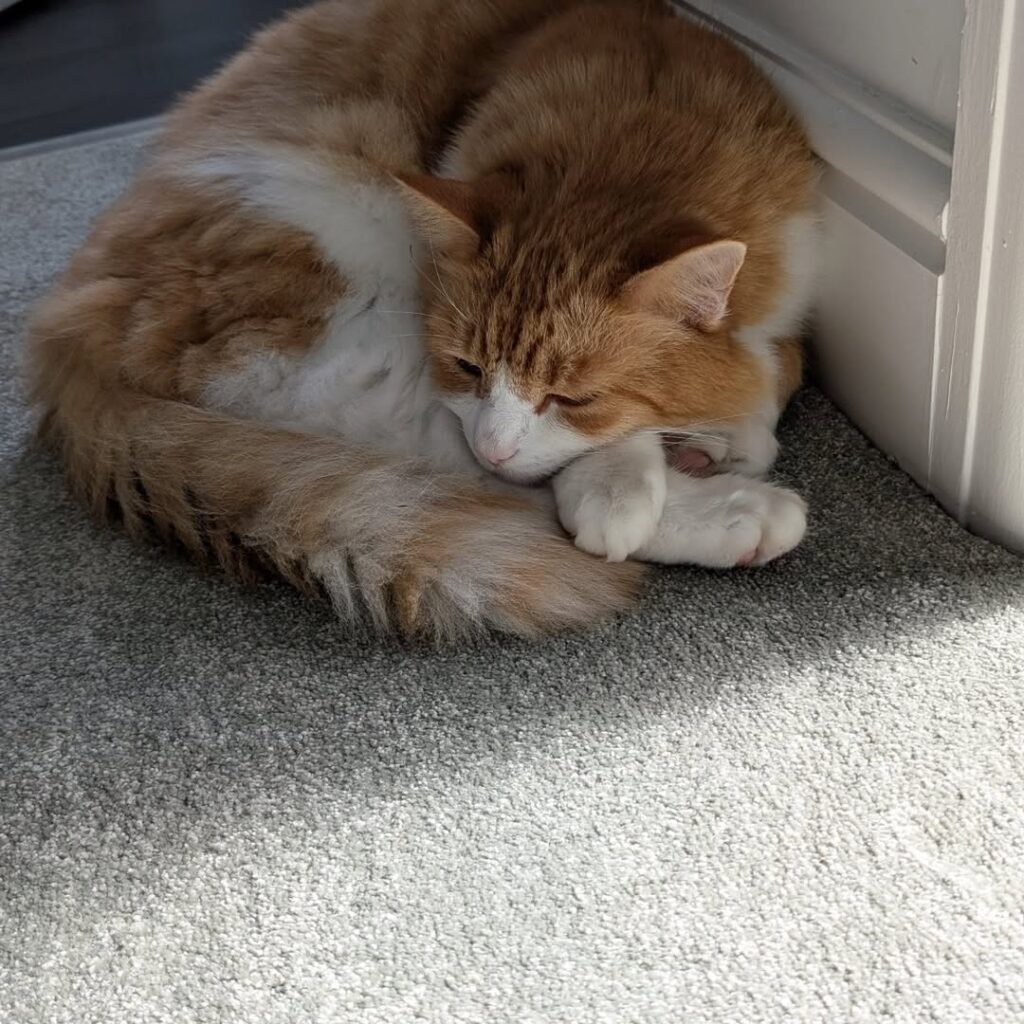
Behavior change can point to discomfort.
Pain. Digestive trouble. Aging. These often show up as withdrawal or irritability before physical signs appear.
If behavior shifts suddenly or worsens despite changes at home, a veterinary visit matters.
Cats are especially sensitive. The RSPCA Australia explains that stress rises when cats lack safe retreat spaces or feel a loss of control.
Behavior is information. It deserves attention, not labels.
That brings expectations into focus.
How long real change usually takes
Progress is uneven.
Some days feel better. Some feel worse. That does not mean nothing is working.
Coping develops the same way trust does. Through repetition without threat.
When I stopped measuring success by perfect behavior and started watching recovery time, improvement became clear.
Shorter stress. Faster calm. Longer stretches of ease.
That is what healthy coping looks like.
By this point, many pet owners start asking quieter questions. Not about fixing behavior fast, but about whether they are doing enough and whether they are doing it right.
These are the questions that usually come up next.
Frequently Asked Questions About Helping Pets Cope With Stress
How can I tell if my pet is coping or just shutting down?
Coping usually looks flexible. A pet may pause, observe, then move on. Shutting down looks stuck. Less movement. Less curiosity. Less recovery after stress. If your pet avoids, freezes, or disengages more often over time, that signals stress is not being processed well.
Can pets develop coping skills later in life?
Yes. Coping is learned through experience, not age. Older pets may need more repetition and slower pacing, but they can still learn to settle, adapt, and recover when stress appears.
Is routine more important than enrichment?
Routine creates safety. Enrichment works best when it sits inside predictable days. Without rhythm, stimulation can raise stress instead of easing it. Calm routines come first. Engagement fits around them.
Should I comfort my pet when they are scared?
Comfort works best after calm returns. Staying steady during stress helps pets learn that fear passes without danger. Once calm shows up, gentle reassurance supports recovery.
How long should I try home changes before seeking professional help?
If stress worsens, appears suddenly, or changes your pet’s personality, do not wait. Physical discomfort and emotional stress often overlap. A veterinarian can rule out medical causes and guide next steps.
Conclusion: Building Coping Is a Daily Practice
Healthy coping does not come from one trick or one routine. It grows through small moments repeated day after day.
Predictable rhythms. Calm responses. Spaces where pets feel safe choosing rest.
When those pieces come together, stress passes faster. Pets settle easier. Daily life feels lighter for everyone in the home.
If you are working on helping your pet cope better, I would love to hear from you.
What changes have you noticed so far, or what feels hardest right now? Drop a comment below and let’s talk.
Also read:


