
How Pets Learn Through Observation, Not Just Training
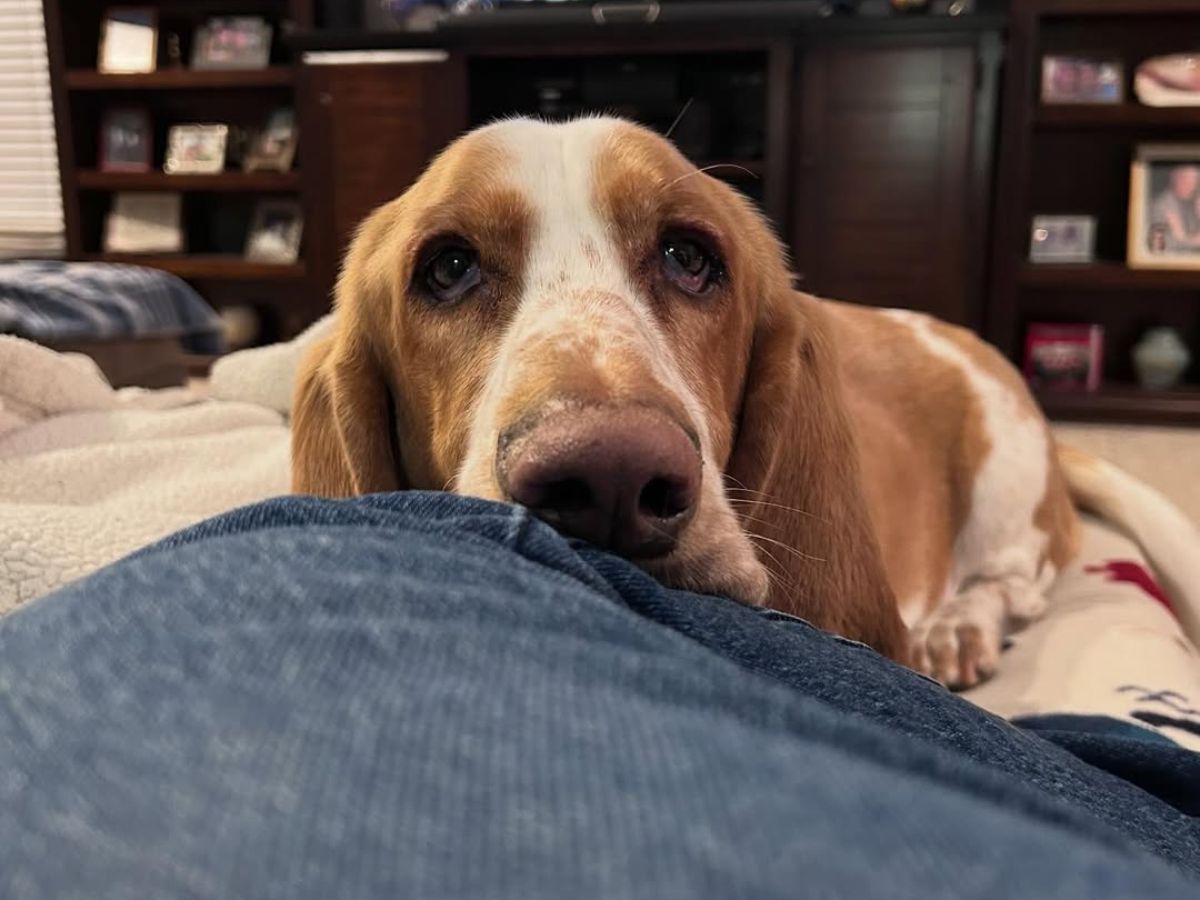
I noticed it one quiet morning at home.
Before I said a word, my dog had already moved toward the door, sat down, and waited. No command. No hand signal. Just timing. He had watched me lace my shoes enough times to know what came next.
That moment changed how I think about behavior. Training matters, but pets learn far more by watching than we usually admit. They study our routines, moods, and reactions long before they understand a cue.
This is why some behaviors stick and others never do. It explains why repeated commands fall flat, why rescue pets seem cautious at first, and why small changes at home can reshape behavior faster than formal lessons.
Here is why this matters.
Learning Starts Before the First Command

Most people picture learning as something formal. A leash. A treat pouch. A short session with clear cues. That image feels tidy, but it skips what really shapes behavior.
Long before a pet understands a word, they notice patterns. When food appears. How voices shift. What happens right before a door opens. They track which moments feel calm and which ones bring tension.
Research supports this. A study published in Scientific Reports found that puppies as young as eight weeks old could solve problems after watching humans or other dogs do it first. The researchers showed that observation alone shaped behavior, even without hands-on practice.
That means learning begins the moment a pet enters your space, whether you plan for it or not.
This leads to something many owners overlook.
Why What They Watch Lasts Longer Than What You Teach
Formal training sessions are short. Observation runs all day.
Pets repeat what brings comfort. They remember what feels predictable. Behaviors tied to daily life tend to stay because they make sense inside the pet’s world.
A study published in Applied Animal Behaviour Science compared dogs trained through imitation with those trained through shaping. Dogs who learned by watching a person demonstrate an action often handled new situations better. The learning carried over because it matched how dogs naturally absorb information.
This explains why repeating commands can feel exhausting while small habit changes can shift behavior quickly.
Let’s break it down.
Your Body Speaks Louder Than Your Voice
Pets read posture, pace, and tension before they process words.
If you rush, they rush. If you pause, they hesitate. If your shoulders tighten when guests arrive, they learn that guests bring pressure, even if your tone stays light.
Animal welfare guidance from the RSPCA explains how dogs use body position, movement, and facial cues to read emotional state. Pets scan these signals constantly, often before reacting at all.
A simple shift helps here. Choose one routine today, feeding or leashing works well. Slow your movements. Say less. Let your body do the teaching. Most pets respond within days.
This opens the door to a quieter form of training.
The Training You Do Without Realizing It
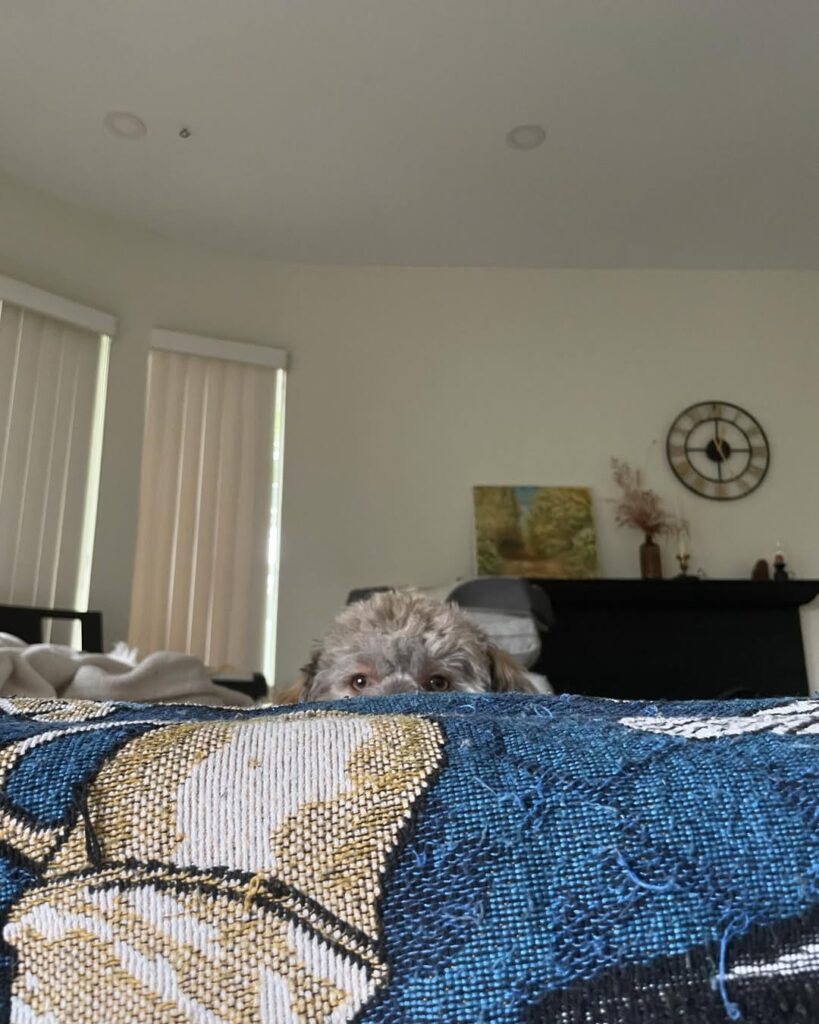
Morning routines teach more than any lesson plan.
The way you reach for the leash. The pause before the bowl hits the floor. The moment you open the door. Pets memorize these sequences because they repeat.
Veterinary guidance from the MSD Veterinary Manual explains that early social experiences shape behavior, but learning continues through everyday interactions at home. What a pet sees repeated becomes normal.
I learned this the hard way. I used to grab the leash, answer a message, then head out. My dog learned that grabbing the leash meant waiting and pacing. Once I moved straight to the door, the whining stopped without a word spoken.
Next comes what happens when another animal enters the picture.
Pets Learn From Each Other Too
In multi-pet homes, learning spreads quickly.
A calm dog can show a nervous one how to approach a doorway. A fearful reaction can move just as fast. Pets watch each other the same way they watch us.
This matters even more with animals who come from uncertain backgrounds.
Why Rescue Pets Rely on Watching First
Rescue pets often arrive alert and cautious. Many observe quietly before engaging. Watching is safer than acting when trust is still forming.
Veterinary behavior specialists note that early experience shapes later reactions. The American Veterinary Society of Animal Behavior explains how limited exposure early in life can influence adjustment later on.
A calm approach helps here. Sit before asking them to sit. Walk slowly through rooms. Let them follow rather than lead. Trust builds faster when pressure stays low.
This brings us to a pattern many owners miss.
How Owners Accidentally Teach the Wrong Thing

Most behavior problems are reinforced without intent.
Attention, even frustrated attention, still counts. Reacting becomes part of the loop, and the behavior sticks because it worked once.
Guidance from the American Animal Hospital Association explains that behaviors followed by rewards tend to repeat. Rewards can be food, attention, or relief from stress.
A helpful shift is to watch what happens right after the behavior. Change that response first. Many issues fade once the loop breaks.
So where does training belong?
Using Training and Observation Together
Training works best when it mirrors daily life.
Teach a cue, then live it. Let your pet watch the behavior in context. Show the action before asking for it. This pairing builds clarity without pressure.
You do not need perfect timing or flawless habits. Awareness carries more weight than repetition.
Once people start noticing how much their pets watch them, a few questions always come up. They are not about advanced training or special techniques. They are about everyday life, small habits, and whether observation really makes a difference long term.
Let’s walk through the ones I hear most often.
Frequently Asked Questions About How Pets Learn by Watching
Can observation really replace training?
Observation does not replace training. It shapes how training lands.
Commands work better when a pet has already seen the behavior play out in daily life. Watching builds context. Training adds clarity. When both happen together, learning feels easier for the pet and less frustrating for the owner.
Do cats learn through observation too?
Yes, though it looks different.
Cats tend to watch from a distance and act later. They notice routines, tone shifts, and how people move through space. Many behavior changes show up quietly, like choosing a new resting spot or adjusting timing around meals.
Why does my pet behave well with one person but not another?
Pets respond to patterns, not titles.
If one person moves calmly and another rushes, the pet learns two different sets of expectations. Over time, behavior matches the person, not the rule. Consistency between people often matters more than repeating commands.
Can observation help with anxious or reactive pets?
It can help when paired with patience.
Anxious pets often watch longer before acting. Calm, predictable routines give them something steady to follow. Loud reactions and sudden movements tend to slow progress, even when intentions are good.
How long does it take to see change?
Small changes often show up within days.
Bigger shifts take longer because habits run deep. The key is staying steady. Pets learn fastest when the environment stays predictable and pressure stays low.
A Final Thought Before You Go
Living with a pet means being watched more than most of us realize. Every pause, every routine, every reaction becomes part of the lesson.
The good news is you do not need perfect timing or flawless habits. Small shifts carry weight. Calm movements. Clear routines. Fewer words. More consistency.
If you have noticed your pet copying something you did not mean to teach, or if a simple change at home made life easier, I would love to hear about it.
Share your experience in the comments. Conversations like that help other pet owners see what is possible.
Also read:


