
Leaving Pets Home Alone: How Long Is Too Long?

I still remember the first time I closed the door and hesitated.
Keys in hand. Bag on my shoulder. That pause where you wonder if today is one of those days you stayed out too long.
Most pet owners know that moment.
We want to do right by our animals, yet real life does not always cooperate. Work runs late. Traffic stalls. Plans stretch. Guilt creeps in somewhere between the front door and the driveway.
The problem is not leaving pets home alone. The problem is not knowing where the line actually is.
Some pets handle hours of quiet without issue. Others struggle long before we expect it. Age, routine, health, and even how you leave the house all change the outcome.
This is where confusion sets in.
In this guide, I’m breaking down what “too long” really means for dogs, cats, and other pets, how to spot early signs of stress, and what you can adjust today to make time alone easier on everyone involved.
Let’s break it down.
Why “Too Long” Is Not a Simple Number

Search this topic online and you will see confident answers everywhere. Four hours. Eight hours. Never overnight. Always overnight.
None of those rules survive real life.
Time alone affects pets based on age, health, routine, and what happens before and after you leave the house. A calm adult dog with a predictable morning handles alone time very differently than a young puppy who barely burned energy. A bonded indoor cat experiences absence in a way that feels nothing like a multi-cat home with constant movement.
This is where owners get frustrated.
The advice sounds firm, yet it rarely matches what happens inside their own homes. That disconnect creates guilt, not clarity.
What matters more than the clock is what your pet experiences while you are gone. Not the number on the watch. The emotional state left behind.
Once you see it that way, the rest starts to make sense.
What Happens When Pets Are Left Alone Too Long
Stress in pets rarely announces itself loudly. It settles in quietly.
Dogs pace instead of resting. Cats sleep through the day, then vocalize at night. Small animals freeze rather than explore. These patterns may look harmless at first, yet they shape behavior over time.
The American Animal Hospital Association explains that separation distress can show up as pacing, vocalizing, destruction, or house soiling, even in pets that previously seemed relaxed.
Their guidance on recognizing separation anxiety points out that repeated long absences without support can slowly train anxiety instead of independence.
This matters because pets do not reset emotionally each morning.
Yesterday’s stress carries into today. Today carries into tomorrow. Over time, the behavior you notice after work becomes the behavior you live with daily.
Dogs often show these changes first, so let’s start there.
Dogs Home Alone: What Time Alone Feels Like to Them
Dogs experience time through routine, not hours.
A well-exercised adult dog with a predictable schedule often handles a workday better than a dog whose days change constantly. The difference usually comes down to preparation, not duration.
The American Kennel Club explains in its guidance on how long dogs and puppies can be left alone that puppies need shorter alone periods due to bladder control and emotional development. Adult dogs vary widely, depending on routine and training.
I saw this firsthand. On mornings when I skipped our walk, my dog struggled more during shorter absences than on longer days when his energy was already settled. The issue was never the time. It was the state I left him in.
Here’s something you can try right away. Before leaving, aim for calm rather than exhaustion. A short walk that allows sniffing settles dogs better than frantic play. Mental work slows the body.
When you return, keep it low-key. Calm exits and calm arrivals teach dogs that departures are normal, not events to fear.
Cats respond differently, which is where many owners misread the situation.
Cats Home Alone: Independent Does Not Mean Unaffected
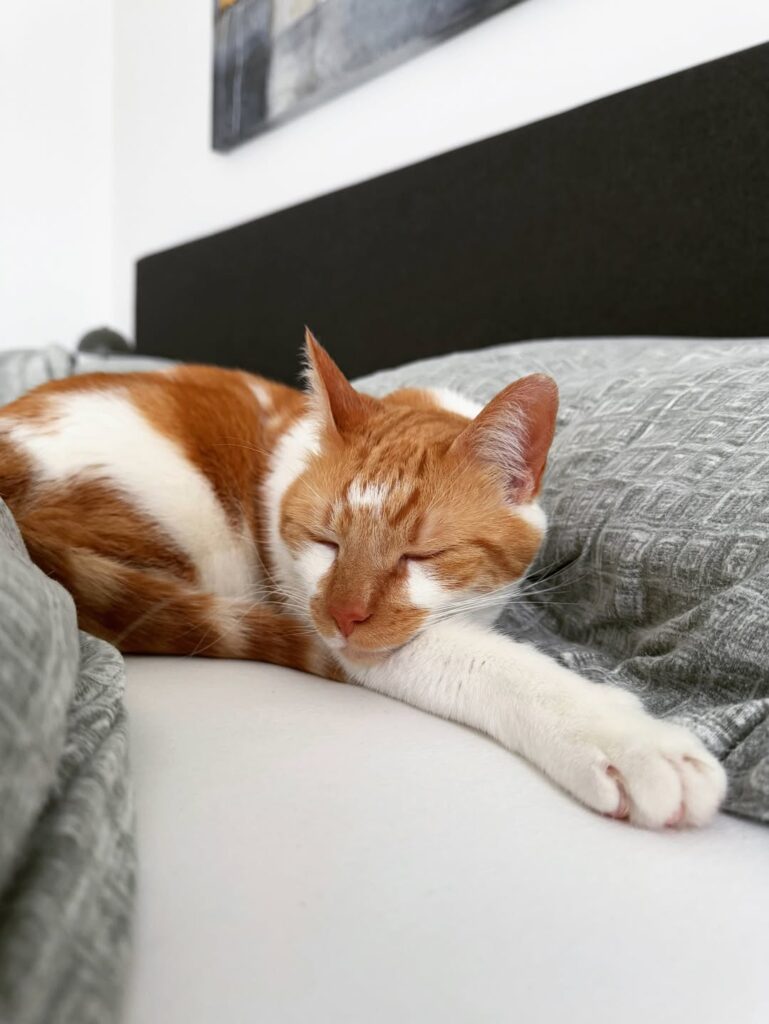
Cats tolerate solitude better than dogs, yet that does not mean long absences leave no impact.
Cats Protection explains that healthy adult cats usually manage up to 12 hours alone when food, water, litter, and safety are covered. They also note that longer stretches still affect behavior, even when signs stay subtle.
PetMD reinforces this from a veterinary perspective, noting that kittens, senior cats, and cats with medical needs require shorter alone periods.
I noticed this shift in my own home. After longer solo days, my cat stopped using his favorite window perch. No mess. No noise. Just quiet withdrawal. Once I added predictable play before leaving and activities that lasted longer, his behavior changed back.
Cats thrive on predictability. Not constant attention. Consistent rhythm.
That same principle applies to smaller pets, often overlooked.
Small Pets and Caged Animals: Quiet Risks People Miss
Rabbits, hamsters, birds, and reptiles often get labeled low maintenance. In reality, their environment carries more weight during long absences.
Temperature shifts, feeding timing, and household noise affect them quickly. Birds, especially, feel stress when social interaction drops suddenly.
The RSPCA explains that learning to be left alone should happen gradually across species. Their guidance stresses stable environments and observation rather than sudden changes.
Many owners mean well, yet leave without realizing how quickly conditions shift once the house empties.
So how do you know when time alone has crossed a line?
Signs Your Pet Is Struggling With Time Alone
Stress rarely shows up as a single dramatic moment.
Dogs may cling when you return or lose interest in food. Cats may stop greeting you or hide more often. Small pets may become unusually still.
Cornell University’s College of Veterinary Medicine explains that early anxiety signs often appear quietly and grow when missed. These early changes matter because they are easier to correct before habits set in.
Watch patterns, not isolated days. One late night happens. Repeated long absences shape behavior.
Once those signs appear, the next question becomes how long is workable for most homes.
How Long Is Reasonable for Most Households

For many working households, a standard workday can work with preparation and support.
Dogs tend to cope better when breaks exist within that day. Cats manage longer stretches when their environment stays predictable. Small pets rely on consistent care routines regardless of time away.
Context matters more than duration. A six-hour absence with mental stimulation often beats a four-hour absence without it.
That leads to the part readers care about most.
What You Can Do Today to Make Time Alone Easier
Start before you leave.
Set the environment to support your pet while you are gone, not just when you are home. Rotate toys rather than leaving everything out. Hide food in ways that encourage problem-solving. Choose resting spots that match how your pet naturally relaxes.
Departure routines matter. Keep them boring. No drawn-out goodbyes. Pets read emotional signals closely.
When possible, add a mid-day reset. A neighbor visit, a walker, or a sitter breaks long stretches and lowers stress.
Technology helps when used wisely. Cameras provide insight, not reassurance. Use them to learn patterns rather than hover.
Small changes made consistently shape calmer behavior over time.
Sometimes, though, support becomes necessary.
When It’s Time to Ask for Support
If behavior continues to slide, it’s time to bring in help.
That may mean a professional walker, a trusted neighbor, or a pet sitter. It may also mean talking with a veterinarian about anxiety support.
The American Animal Hospital Association stresses that separation concerns respond best when addressed early and steadily, not after stress becomes routine.
Asking for help protects your pet and your household.
Getting This Right Changes Everything
When pets feel secure alone, daily life gets easier.
Departures feel lighter. Returns feel calmer. Trust grows quietly.
The goal is not perfect care every day. The goal is a system that works most days and adapts when life stretches.
Once that balance settles in, the question of how long stops feeling heavy. You stop guessing. You start recognizing what works.
That confidence shows, in both you and your pet.
By this point, most readers have started comparing what they just read with their own routines. That usually leads to a few common questions. These come up in emails, comments, and quiet moments right before people lock the door.
Let’s walk through them.
Please note: Every pet reacts differently to time alone. Age, health, and past experiences all play a role. If your pet has medical needs, shows ongoing distress, or experiences sudden behavior changes, a veterinarian or qualified behavior professional can offer guidance suited to your situation.
Now lets look at the questions:
Frequently Asked Questions About Leaving Pets Home Alone
Is it okay to leave my dog alone during a full workday?
For many adult dogs, a workday can be manageable when their needs are met before and during that time. Morning activity, mental engagement, and a predictable routine play a larger role than the number of hours alone. Dogs without structure often struggle sooner than dogs who know what to expect.
If your dog shows stress when you return, the schedule may need adjusting.
Can cats really handle being alone all day?
Some cats do fine with long stretches of quiet, yet that does not mean every cat reacts the same way. Cats with steady routines, access to clean litter, fresh water, and mental engagement usually cope better. Changes in behavior, even small ones, suggest the current setup may not be working.
Watching patterns over time gives clearer answers than a single day.
What about leaving pets alone overnight?
Overnight absences affect pets differently than daytime ones. Darkness, silence, and routine disruption can raise stress levels. Many pets manage better when overnight care includes a check-in or familiar presence.
If overnight trips happen often, planning support ahead of time helps prevent behavior shifts.
Are cameras enough to keep pets calm?
Cameras offer awareness, not comfort. They help owners understand what pets do while alone, yet they do not replace interaction, routine, or relief breaks. Use cameras to learn patterns and make adjustments, not as a substitute for care.
How do I know if my pet needs more support?
Changes in appetite, sleep, behavior after you return home, or withdrawal are common signs. These changes often appear gradually. If something feels off, trust that instinct and reassess the routine.
Early changes are easier to address than long-standing habits.
Does age really make that much difference?
Yes. Puppies, kittens, and senior pets handle time alone very differently than healthy adults. Bladder control, mobility, and comfort all shift with age. Adjusting expectations over time helps prevent stress on both sides.
Closing Thoughts
Leaving pets home alone is part of modern life. Most owners are doing their best with busy schedules and real responsibilities.
What makes the difference is awareness.
When you notice how routines, preparation, and consistency shape your pet’s day, the guesswork fades. You stop measuring hours and start paying attention to behavior, comfort, and trust.
I’d love to hear from you.
How long do you usually leave your pet alone, and what changes have helped the most in your home?
Drop a comment below and share your experience. Someone else reading may need that insight today.
Also read:


