
Maine Coon vs Ragdoll: Which Cat Breed Is Easier to Live With?
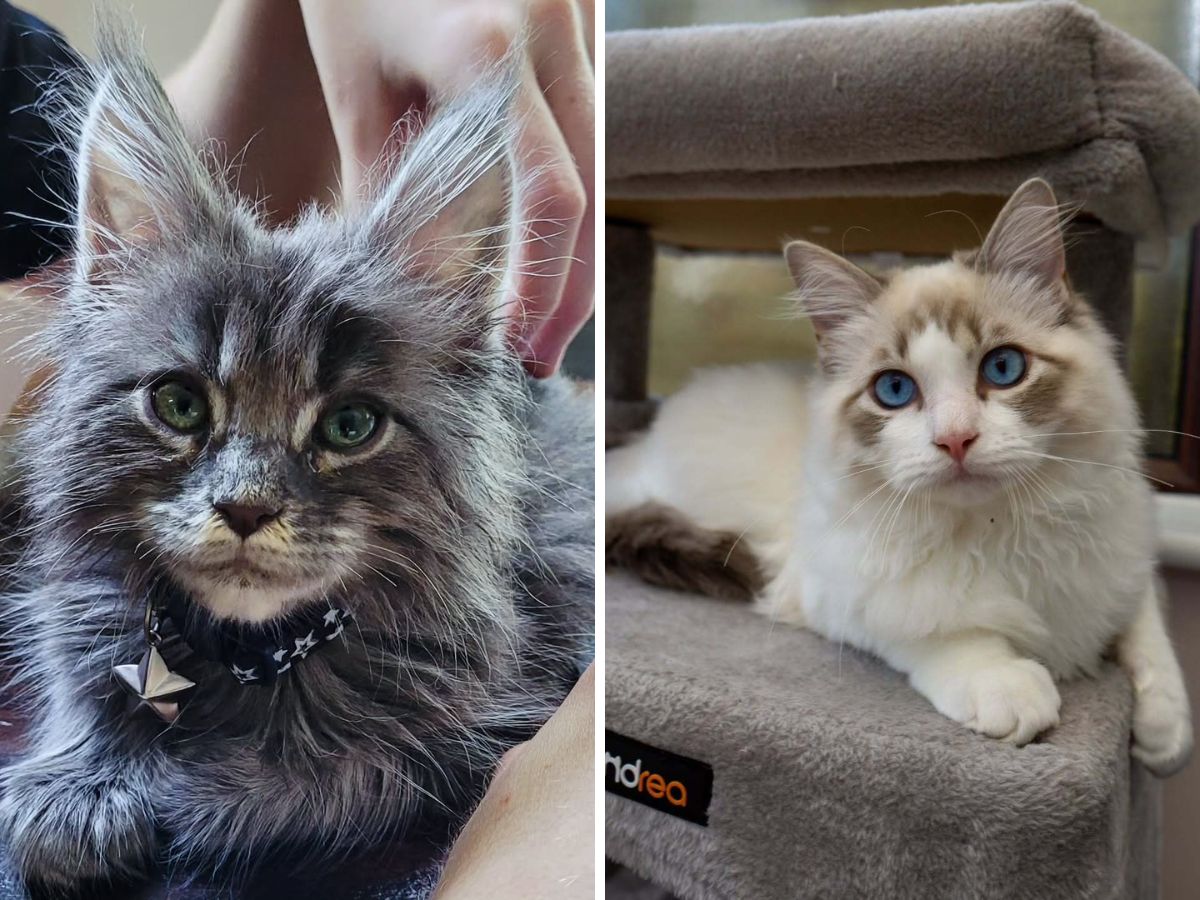
Choosing a cat breed feels simple at first. You see photos. You skim short descriptions. You picture quiet evenings and easy routines.
Then real life shows up.
This comparison is for people who care less about breed hype and more about how life actually feels day to day. It is for first time cat owners. It is for families. It is for apartment dwellers. It is also for anyone who has learned, sometimes the hard way, that a cat’s personality can quietly shape the rhythm of an entire home.
When people ask which breed is easier to live with, they are rarely asking about looks. They are asking which cat settles into their routine without constant adjustment, stress, or second guessing.
I have seen this question come up after sleepless nights, scratched furniture, and the realization that a beautiful cat can still be the wrong fit. That moment matters, because the right match does not just feel calmer. It feels sustainable.
Here is why this comparison matters more than most people expect, and how it can save you years of small daily frustrations.
A quick reality check before choosing any breed

No cat follows a script. Breed traits point toward patterns, not guarantees.
Most people learn this after the first surprise. A cat that seems calm in photos can react very differently once routines change, noise enters the picture, or expectations are unclear.
The first few months shape more than people expect, because that is when habits form on both sides.
Breed information still matters. It gives you a framework. It hints at what may come easily and what may require patience. What it does not do is remove the need for daily attention, consistency, and realistic boundaries.
If you start with that mindset, the rest of this guide becomes far more useful, because you are choosing for real life, not a highlight reel.
Let’s break it down in practical terms.
Maine Coon vs Ragdoll at a glance
When people compare these two breeds, size usually steals the spotlight. Daily fit tells a more honest story.
Maine Coons mature slowly, often taking several years to reach full physical size and adult behavior. They tend to stay socially engaged with their environment, showing curiosity, playfulness, and a habit of staying close to household activity. The Cat Fanciers’ Association notes their people-focused nature and steady interest in interaction, which often carries into adulthood.
Ragdolls also develop gradually, but their defining pattern shows up in how they handle touch and closeness. The International Cat Association describes them as cats that often prefer staying near their people, with a relaxed response to handling and a calmer presence once settled into a home
Both breeds form strong bonds. The difference appears in how that bond plays out during a normal day, not during ideal moments.
That difference shapes everything that follows.
Daily energy and routine fit
This is where households feel the contrast most clearly.
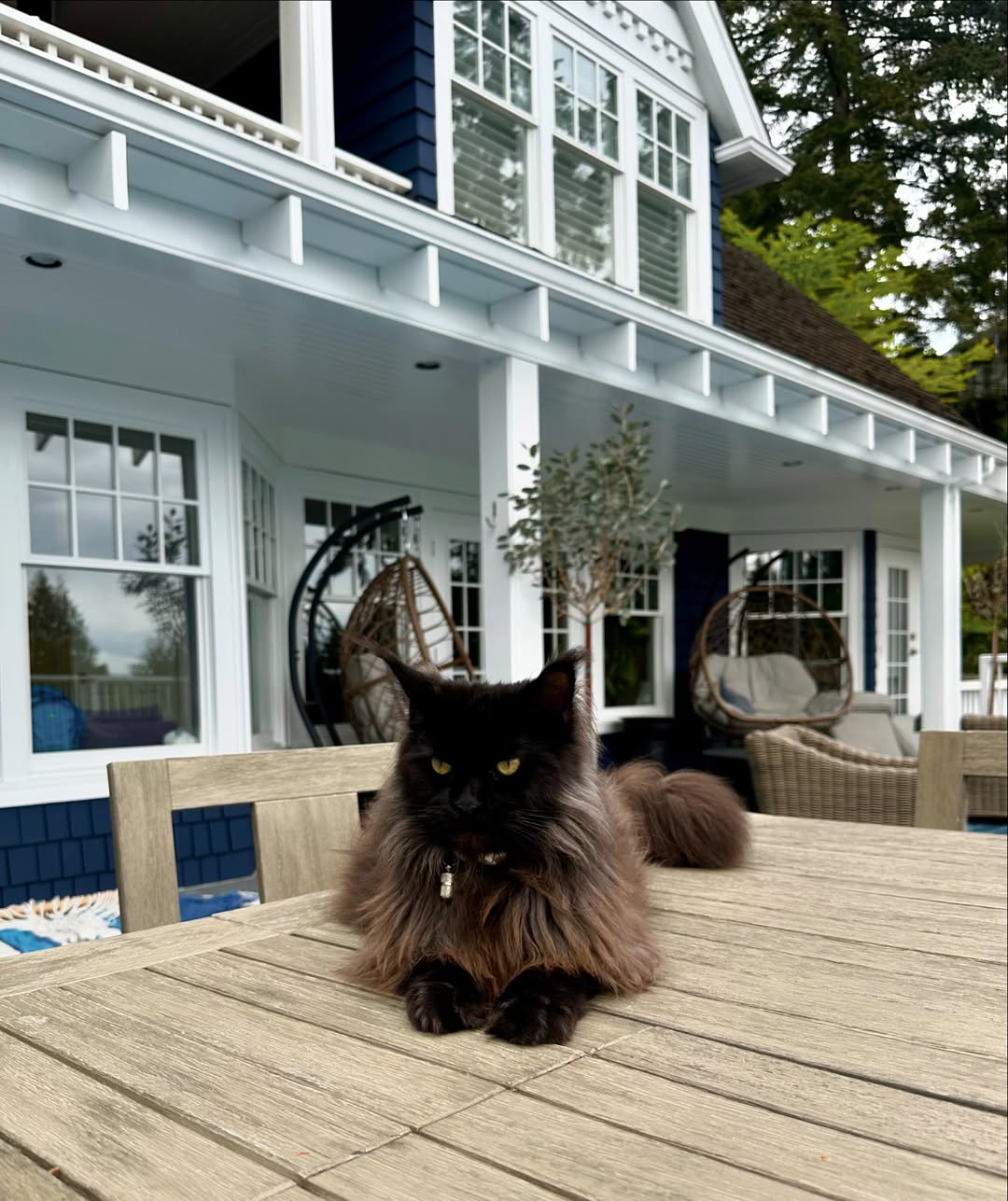
A Maine Coon often expects interaction woven into the day. Curiosity shows up in the morning. Play tends to peak in the evening. Activity arrives in short bursts that feel playful rather than chaotic.
Homes with predictable routines usually see fewer behavior issues. Homes with frequent schedule changes may notice more attention seeking unless play and rest are clearly structured.
Ragdolls often adjust more easily to quieter spaces. Many settle into routines with less prompting, spending longer stretches resting near their people. Instead of driving activity, they tend to respond to it. When the household slows down, they usually follow.
A simple step that helps both breeds is scheduled play. Ten minutes in the morning. Ten minutes in the evening. Wand toys that allow stalking and pouncing meet natural instincts and reduce restless behavior.
Veterinary behavior guidance from VCA Animal Hospitals explains that structured indoor enrichment supports emotional balance and lowers stress-related behaviors in indoor cats.
In smaller homes, vertical space often matters more than floor space. A tall cat tree near a window can redirect energy and prevent boredom driven habits before they start.
Next steps involve how quickly each breed learns household expectations, not just how active they appear.
Trainability and learning curve
Trainability does not mean tricks. It means how smoothly a cat learns the rules that shape daily life.
Maine Coons often respond well to routine driven learning. Litter habits are usually consistent early, though boundaries take time. Harness training, grooming tolerance, and household rules often settle in gradually when introduced at a steady pace.
Most progress shows up over months, not days, especially as their bodies and attention span mature.
Ragdolls often adjust to house rules more quickly. Many settle into feeding schedules, litter habits, and grooming routines with fewer repeated tests. Their calmer response to handling can make nail trims and brushing easier early on, which reduces tension during the adjustment phase.
A simple approach that helps both breeds is focusing on one habit at a time. Start with consistent feeding times. Once that feels stable, reinforce litter routines. Only then move on to grooming tolerance. Trying to correct everything at once often leads to mixed signals and stalled progress.
Behavior guidance from the American Association of Feline Practitioners highlights that predictable environments and enrichment reduce unwanted behaviors, especially for indoor cats learning household routines.
When learning feels calm and repeatable, behavior settles faster and stays settled.
Behavioral patterns that affect daily life
This section often gets oversimplified.
Maine Coons tend to stay mentally engaged well into adulthood. They may inspect visitors, follow movement through the home, and react to sounds that other cats ignore. In active households, this curiosity often feels engaging and social. In quieter homes, it can feel disruptive unless play and rest are clearly structured.
Ragdolls often show a different pattern. Many prefer staying close without constant movement, choosing familiar rooms or favorite people rather than roaming. This steady presence can feel comforting, especially in apartments or low noise environments where predictability matters.
Neither pattern is better. The difference lies in how much activity you enjoy sharing your space with.
A quick self check helps here. Think about how you feel when your home is busy versus calm. The answer often points toward the breed that will feel easier to live with long term.
That brings us to the mistakes that quietly increase daily friction.
Common owner mistakes that increase friction

The most common mistake is choosing a breed based on appearance alone.
Another is delaying health conversations until problems appear. Maine Coons and Ragdolls both carry known genetic risks that responsible breeders screen for early.
Hypertrophic cardiomyopathy, a heart condition seen in several cat breeds, has been studied extensively by veterinary researchers. The Cornell University College of Veterinary Medicine explains how early screening supports better outcomes and informed care decisions
Grooming is another area where expectations often fall apart. Long coats mat faster than many owners expect. Five minutes every few days prevents discomfort, skin issues, and stressful grooming sessions later.
Genetic testing also plays a role. Research published through the National Institutes of Health shows that specific gene variants are linked to hypertrophic cardiomyopathy in breeds including Maine Coons and Ragdolls. This reinforces why health screening is a starting point, not an afterthought
Avoiding these mistakes does more than prevent problems. It keeps daily life steady and manageable over the long run.
Home environment match
Your space shapes daily ease more than any breed label.
Maine Coons tend to settle best in homes where movement has an outlet. Climbing shelves, tall trees, and clear walking paths help direct their size and curiosity in ways that feel natural rather than disruptive. Without these options, energy often shows up in places owners did not plan for.
Ragdolls usually adapt more comfortably to smaller spaces when resting areas are well placed. Soft surfaces near people often matter more than vertical height. Many feel most at ease when they can observe household activity without needing to stay in motion.
Apartment living adds another layer. Sound control makes a real difference. Rugs soften foot traffic. Litter boxes placed away from sleeping areas reduce nighttime disruption. These adjustments often prevent issues that get blamed on personality later.
A simple habit helps before any cat arrives. Walk through your home and picture where a cat would climb, rest, and pass through each room. That exercise often reveals friction points before they turn into daily stress.
Grooming, health monitoring, and time commitment

Ease of living often comes down to how time is spent, not how much time is available.
Both breeds require regular grooming. Maine Coons often need more frequent coat checks due to their texture and length. Ragdolls benefit from steady brushing around the chest and legs, where mats form quietly and tighten fast.
Health habits work best when they begin early. Screening for inherited conditions is one example of how preparation reduces uncertainty later. The UC Davis Veterinary Genetics Laboratory explains how testing for polycystic kidney disease identifies risk before symptoms appear
My own rule stays simple. If a routine takes less than ten minutes, do it before it turns into a problem. That approach has spared both stress and avoidable vet visits over time.
These habits build a foundation that feels manageable rather than overwhelming.
Which breed fits which lifestyle
This is where clarity matters most.
Homes with steady routines, room to move, and owners who enjoy interaction throughout the day often feel more at ease with a Maine Coon.
Homes that lean quieter, smaller, or more predictable often find daily life smoother with a Ragdoll.
Neither choice removes responsibility. The difference lies in how well each breed fits the pace you already live at.
Choosing with confidence
There is no perfect breed. There is only a better match.
When choices are based on routine, space, and honest self reflection, life with a cat tends to feel calmer and more rewarding over time.
Start with structure. Add enrichment. Stay consistent early. Those steps shape daily life far more than any label or description.
Before making a final decision, take one last look at your schedule and your space. The cat that fits your life as it is will always feel easier to live with from the start.
Even with a clear comparison, most readers still pause at the end with a few quiet doubts. These are not deal breakers. They are the small, practical questions that surface once someone starts picturing real life with either breed.
This section addresses those final points of hesitation, the kind that rarely get answered in short breed summaries but matter once a cat is actually home.
Frequently asked questions
Are Maine Coons or Ragdolls better for first time cat owners?
Both can work well for first time owners, but ease depends on expectations. Ragdolls often settle into routines faster and require less redirection early on. Maine Coons may need more structure and engagement, especially during their longer growth period. Owners who enjoy interactive routines often adjust well to Maine Coons, while those seeking steadier calm often feel more comfortable starting with a Ragdoll.
Do either of these breeds struggle with being left alone?
Neither breed thrives on isolation, but they handle alone time differently. Maine Coons often look for stimulation when left alone for long stretches, which means enrichment matters. Ragdolls are usually more content resting near familiar spaces, though extended absence can still lead to stress without routine interaction. In both cases, predictable schedules reduce issues more than breed choice alone.
How much daily time should I realistically expect to spend?
Most households find that twenty to thirty minutes of focused interaction per day makes a noticeable difference. This includes play, brief grooming, and calm presence. Skipping several days in a row tends to show up in behavior, regardless of breed. Consistency matters more than duration.
Are these breeds good choices for apartments?
Yes, with preparation. Maine Coons need vertical outlets to manage their size and curiosity. Ragdolls adapt well to smaller spaces when resting areas are placed near people. Sound control, litter placement, and clear walking paths often matter more than square footage.
Do Maine Coons or Ragdolls get along better with children or other pets?
Both breeds can do well in multi pet or family homes when introductions are slow and supervised. Maine Coons often show playful tolerance, while Ragdolls tend to respond calmly to gentle handling. Success depends more on early exposure and household management than on breed alone.
Is grooming a daily commitment?
Daily grooming is not required for most households, but regular attention is. Short, frequent brushing sessions prevent mats and reduce stress later. Waiting until tangles appear often turns grooming into a struggle rather than a routine.
What is the biggest factor that determines whether a cat feels easy to live with?
Routine. Cats that know when to eat, play, rest, and receive attention adjust faster and show fewer stress behaviors. Breed traits influence how routines feel, but routines themselves shape long term ease.
If you’re still unsure, revisit the sections that matched your daily routine most closely. That’s where the answer usually sits.
Also read:
Persian vs British Shorthair: Grooming, Health, and Personality Differences
Best Cat Breeds for Small Apartments and How to Choose the Right One for Your Space


