
Abandoned While Pregnant, This Dog’s Rescue Came Just in Time

When rescuers finally reached her, the pregnant dog could barely stand.
Her body trembled as she tried to stay upright, leaning on whatever strength remained just to keep from collapsing. Exhaustion showed in every movement. She was heavily pregnant, visibly uncomfortable, and running out of time.
This was not a stray. She had been abandoned during pregnancy.
That detail changed everything.
The Detail That Made the Situation Urgent
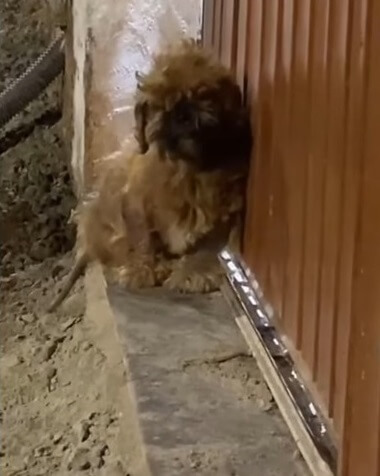
Pregnancy places intense strain on a healthy dog. For one already weak, the risks rise quickly.
Her belly was large and tight, signaling that birth was close. Too close. Without shelter, nutrition, or care, both the mother and her puppies were in danger. Every delay increased the chance of complications that could turn fatal within hours.
By the time she was found, her body was no longer compensating. Intervention was no longer optional.
The Rescue That Could Not Wait
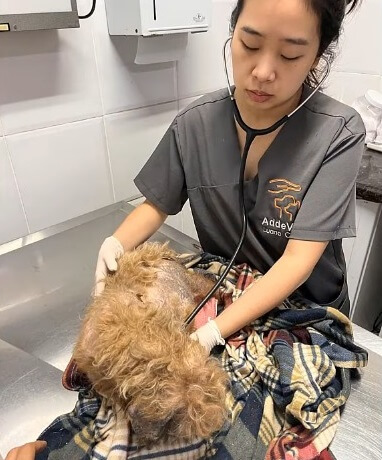
The team from Cantinho Do Chiquinho stepped in knowing there was no margin for error.
Their first concern was not comfort or long-term recovery. It was time.
She showed signs of advanced pregnancy alongside visible illness. One eye was permanently blind. Her skin was inflamed and infected, with most of her fur already gone. Treatment options were limited because anything given to the mother could affect the puppies inside her.
This is the reality of rescuing pregnant animals. Care decisions must protect more than one life at once.
Why Treating a Pregnant Dog Is So Complicated
Medication that would normally be routine often cannot be used safely during pregnancy. That forces rescuers and veterinarians to weigh every step carefully.
Nutrition becomes just as critical as medical care. Thin or undernourished pregnant dogs require close monitoring to support both gestation and the physical demands of labor. Animal welfare guidance is clear on this point.
According to the ASPCA, “this dog needs to be evaluated by the veterinarian to get recommendations for keeping her weight up during pregnancy and lactation.” That evaluation can mean the difference between survival and loss.
A Small Change That Brought the First Calm

A warm bed was prepared.
The effect was immediate. Her body settled. Breathing slowed. For the first time since being found, she rested instead of bracing herself against collapse.
Safety does not erase fear instantly, but it allows the body to pause. That pause matters.
As days passed, her belly continued to grow. Food intake was carefully adjusted. Everything depended on timing.
A Pregnancy With Added Risk
Veterinary examination brought another concern. Her age placed her in a higher-risk category for delivery.
Older pregnant dogs face a greater chance of complications during labor, including prolonged delivery and uterine fatigue.
Veterinary literature from the MERCK Veterinary Manual explains why age plays such a role: “Other causes of primary uterine inertia include an inherited predisposition, nutritional imbalance, fatty infiltration of the myometrium, age-related changes, deficiency in neuroendocrine regulation, and systemic disease in the dam.” Each factor increases the chance that labor may stall.
That knowledge weighed heavily as the due date approached.
The Longest Night of Her Life

On the fifteenth day after rescue, labor began.
The first puppy arrived safely. Relief followed, but it was brief. Then nothing happened.
Minutes passed. Then hours.
Extended pauses during labor are dangerous for both mother and puppies. Veterinary guidance from the American Kennel Club on normal delivery timing is clear: “Each delivery should not last more than 1-to-2 hours and normally occurs every 30-to-60 minutes.” When those intervals stretch longer, intervention may be needed.
After nearly five hours, more puppies arrived.
Seven in total.
The mother endured close to six exhausting hours without giving up.
When Relief Turned Back Into Grief
Not all of the puppies survived.
Three were too weak despite care. Loss is a known risk in complicated births, especially when the mother begins labor already depleted. The remaining puppies required constant attention, including bottle feeding and round-the-clock monitoring.
At the same time, the mother finally received treatment for her skin condition. Slowly, the infection cleared. Fur began to return.
For a moment, stability felt possible.
When the Past Tried to Reclaim Them
Then a man appeared, claiming to be her owner.
The situation shifted instantly. The dog recognized him. Her tail wagged. Loyalty had survived abandonment.
His account did not align with what rescuers knew. With help, the truth was confirmed. The pregnant dog had been abandoned intentionally. The puppies were not safe with him.
The rescue held firm.
The puppies remained protected.
A Future She Never Had Before
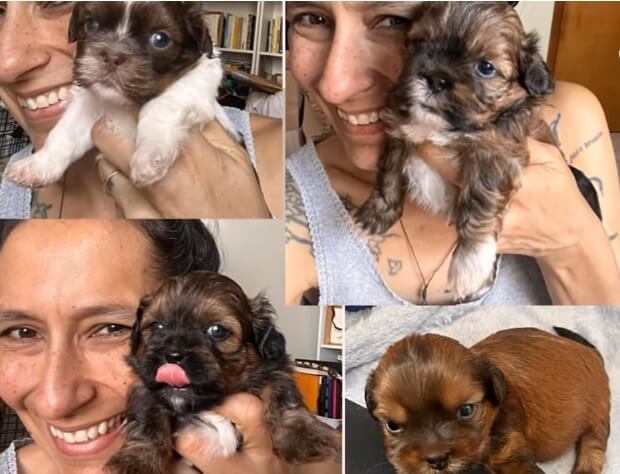
Today, the mama dog, now called Canila, is safe.
Her surviving puppies are growing beside her, cared for, groomed, and closely monitored. They are gaining strength in an environment built on consistency, not fear.
This rescue story, shared publicly through the Animal Shelter YouTube channel, documents not just suffering, but intervention. It shows what happens when timing, persistence, and care align.
Why Stories Like Canila’s Matter

Maternal rescue cases often unfold quietly and without witnesses. Many never receive help in time.
Stories like Canila’s offer visibility into what abandonment during pregnancy looks like and why early action matters. They remind readers that rescue work is not only about saving animals. It is about protecting lives before loss becomes inevitable.
Canila was once left with nothing but time running out.
Now she has a future she never had before.
If Canila’s story stayed with you, please share it so other abandoned mothers are not left unseen.
More rescue stories from our archives:
She Walked Miles on Empty, Carrying a Secret That Broke Hearts
She Was Found Choking in a Ditch — Why This Mother Dog Refused to Leave


God Bless You!