
Is It Normal for Cats to Hide for Days? What Their Behavior Is Really Telling You

The first time my cat vanished for two full days, I assumed the worst. I checked closets, under beds, behind appliances. I even shook the treat jar. Nothing. Then, late on the second night, she quietly appeared, ate, and disappeared again. No drama. No explanation.
If your cat has been hiding for hours or days, that uneasy feeling is familiar. You start replaying every detail. Did I miss something? Did I do something wrong? Should I be worried?
In many homes, hiding is a normal way cats cope with change, stress, or uncertainty. In others, it can point to discomfort that needs attention. The difference is not guesswork. It lives in patterns, timing, and small behavioral clues owners can notice early.
This guide walks you through how to tell those situations apart, what you can do at home right now, and when it makes sense to call a vet instead of waiting it out.
Let’s break it down.
Why hiding is wired into cats
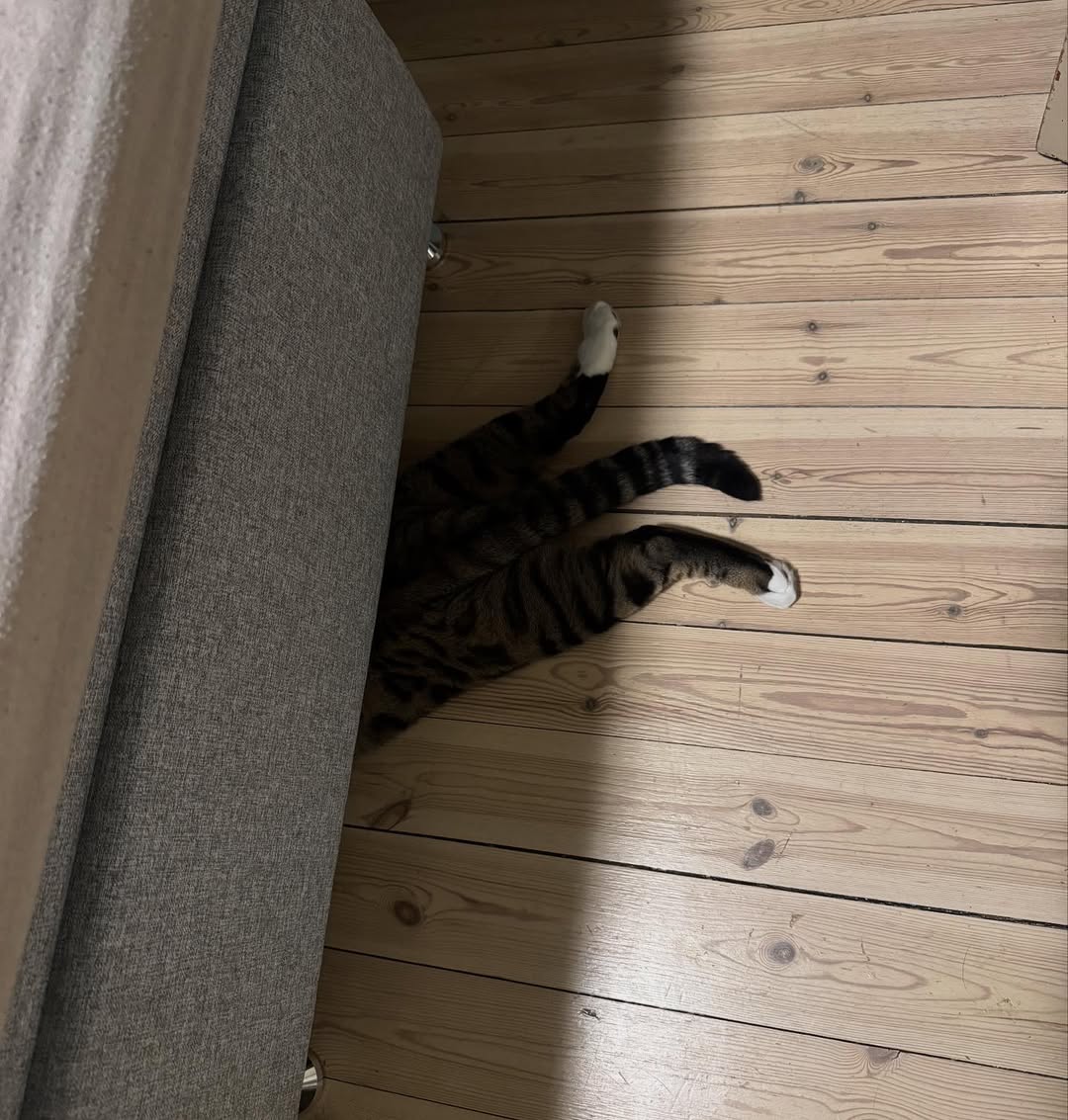
Cats evolved as hunters that are also hunted. Showing weakness attracts danger. When a cat feels unsure, stressed, or physically off, retreat feels safer than asking for help.
Veterinary behavior guidelines from the American Association of Feline Practitioners explain that access to hiding spaces is not optional for cats. It supports emotional security and a sense of control. Their feline behavior guidelines describe withdrawal as a common response when a cat feels overwhelmed by change or threat.
This instinct does not disappear in apartments or quiet homes. It adjusts to the environment. A laundry cabinet, a bed frame, or the back of a closet becomes the modern version of cover.
If a cat has a place to retreat, it often feels safe enough to reappear on its own terms.
That understanding matters before deciding whether hiding signals trouble.
When hiding for days can be normal
A cat that hides but still eats, drinks, and uses the litter box often shows adjustment rather than danger.
Environmental change leads this category. Moves, new furniture, unfamiliar scents, visitors, or sudden noise can push a cat into temporary withdrawal. Guidance from the RSPCA on helping cats adjust to a new home explains that many cats cope by limiting exposure until surroundings feel predictable again.
Their advice emphasizes quiet rooms, gradual exploration, and patience rather than forced interaction.
I noticed this during a busy week at home. After several guests arrived, my cat vanished into a storage cabinet and stayed there nearly three days. She still ate at night. The litter box stayed normal. Once the house settled, she returned without help.
Temperament shapes this response too. Some cats recover confidence quickly. Others prefer distance while they process change. Neither response signals failure or poor bonding.
Here is the takeaway. Time alone does not define concern. Context does.
That distinction becomes more serious when health enters the picture.
When hiding is not something to ignore
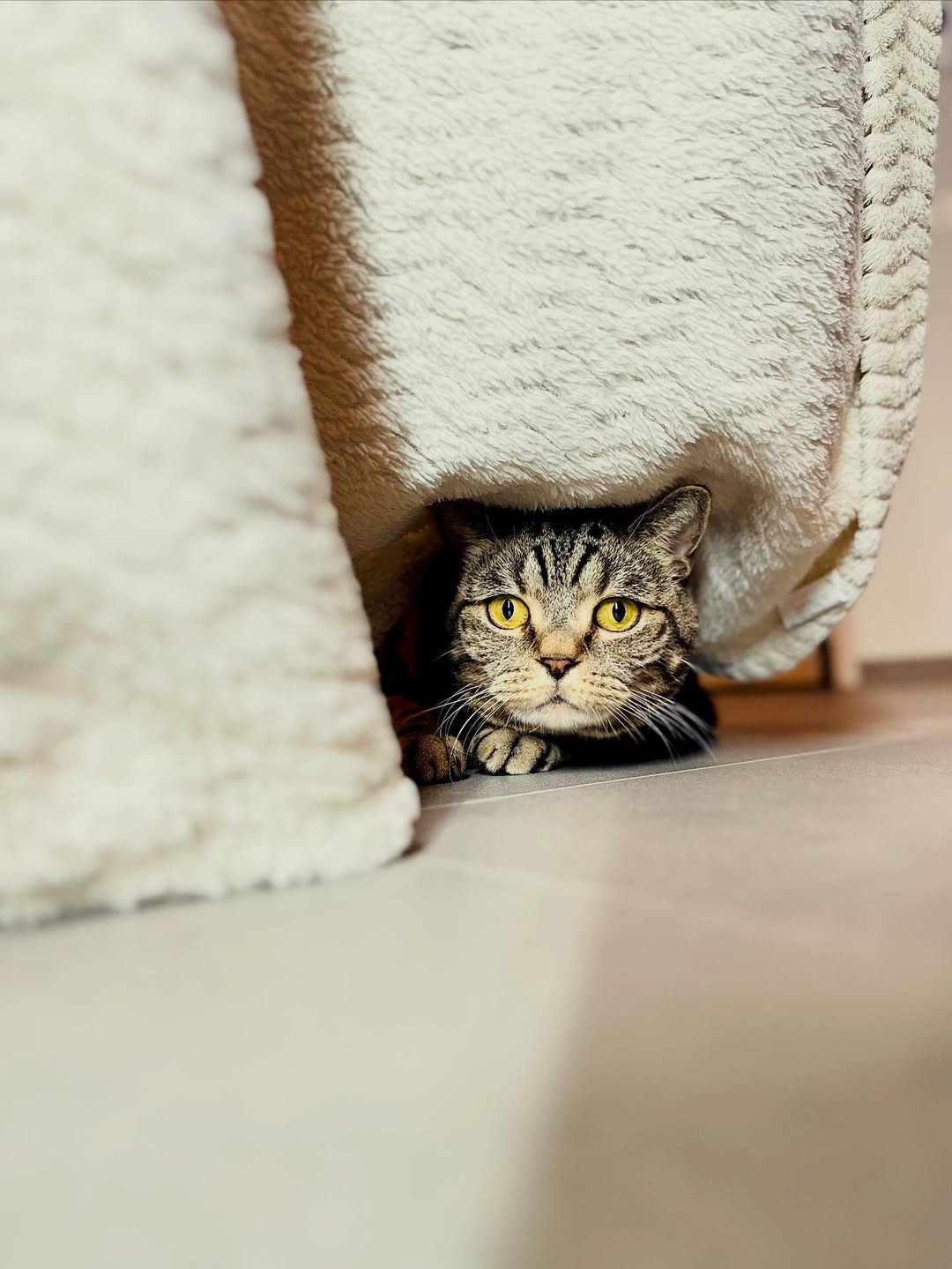
Cats conceal pain instinctively. That trait protects them in the wild but complicates care indoors.
Pain awareness guidance from the World Small Animal Veterinary Association explains that behavior shifts, including withdrawal and hiding, often appear early when cats feel unwell. Appetite changes, altered posture, and reduced interaction may show up before visible injury.
I learned this through a friend’s cat who hid for several days after a short fall from a counter. There was no limping. No vocal reaction. Just absence. A veterinary exam later confirmed soft tissue pain that would have progressed without care.
Illness follows a similar pattern. According to the MSD Veterinary Manual’s overview of behavior problems in cats, fear, anxiety, and sickness often surface as withdrawal rather than obvious distress. Cats limit visibility when something feels wrong internally.
Age can add another layer. Older cats may retreat more due to reduced tolerance for stimulation or subtle physical discomfort that is easy to miss.
This is where careful observation matters more than assumptions.
What owners can do right now at home
Your goal is not to pull a hiding cat into the open. Your goal is to support safety while quietly paying attention.
Start by improving hiding options. Research published in Applied Animal Behaviour Science found that cats given access to hiding boxes showed measurable reductions in stress, especially during periods of change.
When cats can retreat on their own terms, their nervous systems settle faster instead of staying on alert.
In small homes, this does not require special products. A covered bed in a quiet corner works. A cardboard box turned on its side works. Space behind a sofa that stays undisturbed often works best of all.
Next, protect routine. Feed at familiar times. Keep litter box care consistent. Speak softly when nearby without calling or coaxing. Predictability gives cats a sense of control when everything else feels uncertain.
Then, monitor quietly. Notice food intake, water use, and litter box habits without hovering. A cat that eats at night and hides during the day may still be adjusting. A cat that stops eating altogether is sending a different message.
I had to unlearn constant checking. Once I stopped searching under furniture and focused on routine instead, my cat reappeared sooner and stayed out longer.
That boundary matters.
Clear signs it is time to call the vet
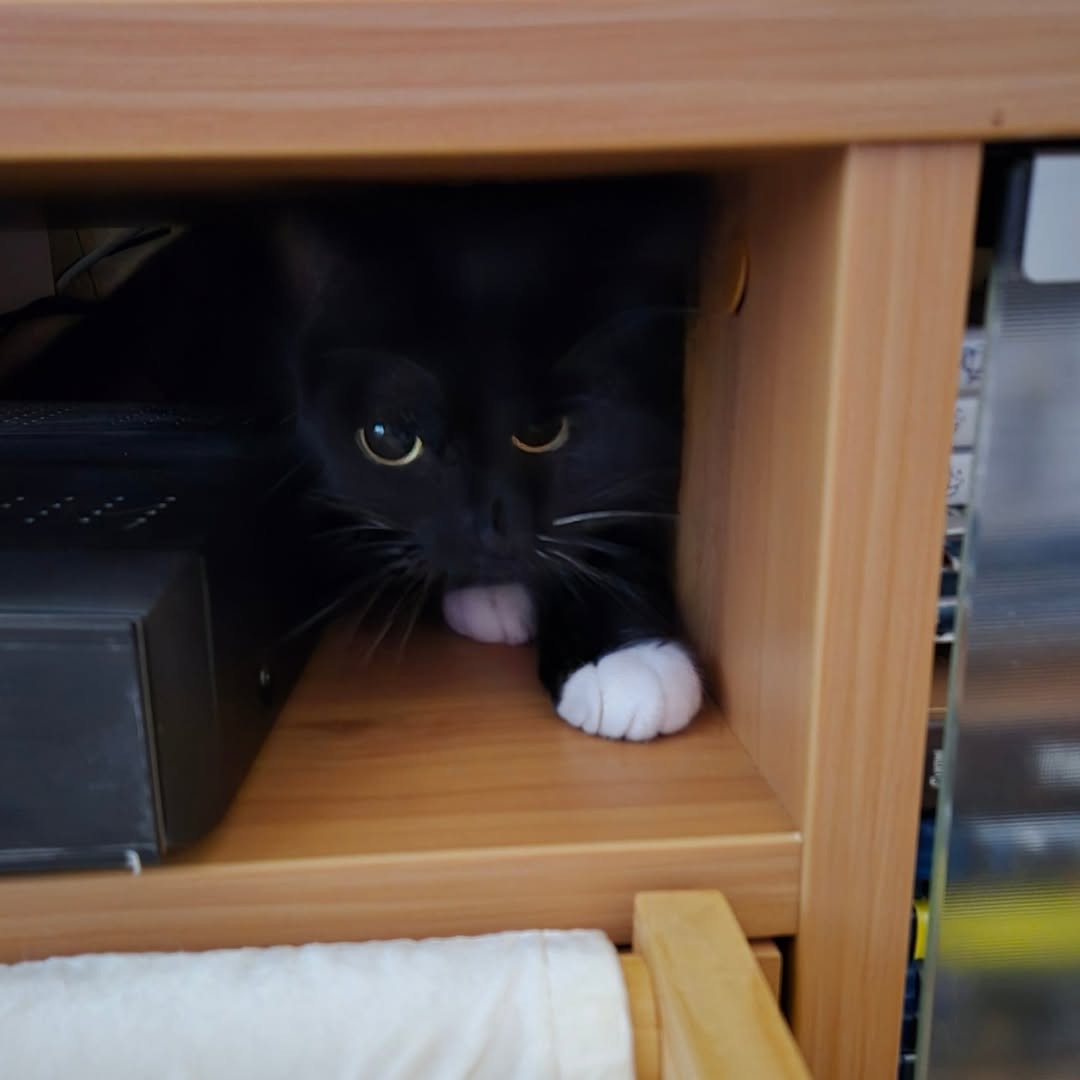
Hiding paired with physical or behavioral changes deserves professional attention.
Veterinarians at Texas A&M College of Veterinary Medicine explain that prolonged hiding often appears alongside illness or injury, even when other signs seem mild. Reduced appetite, low energy, and changes in grooming commonly show up together.
A rule that helped me is simple. If hiding breaks your cat’s usual pattern and does not ease after a short adjustment period, call. Even a normal exam brings relief, and catching a problem early often shortens recovery.
Waiting rarely brings clarity. Information does.
Telling the difference between space and trouble
Look for patterns instead of isolated moments.
Compare today’s behavior to last month’s normal. Ask whether your cat still eats, drinks, and uses the litter box regularly. Ask whether hiding follows a clear trigger like guests, noise, or rearranged space.
Environmental guidelines published in the Journal of Feline Medicine and Surgery through the U.S. National Library of Medicine explain that cats benefit from having multiple safe areas within their territory. These feline environmental needs guidelines note that withdrawal can be protective when cats feel supported rather than pressured.
When those supports are present and behavior still shifts sharply, that contrast becomes meaningful.
The calm truth most owners need to hear
Hiding is communication. It is not defiance. It is not a failure of bonding.
Most cats hide at some point in their lives. Many resolve it once stability returns. An owner’s role is to observe, support, and respond without panic.
When you offer safety, routine, and quiet presence, trust grows over time. And when something feels off, acting early protects both your cat’s health and your peace of mind.
Next steps begin at home. Awareness carries the rest.
Also read:
Why Your Cat Sleeps 16 Hours a Day
Why Cats Suddenly Avoid You (And What They’re Trying to Tell You)


