
Left Behind in the Hurricane, She Walked to One Door That Changed Everything
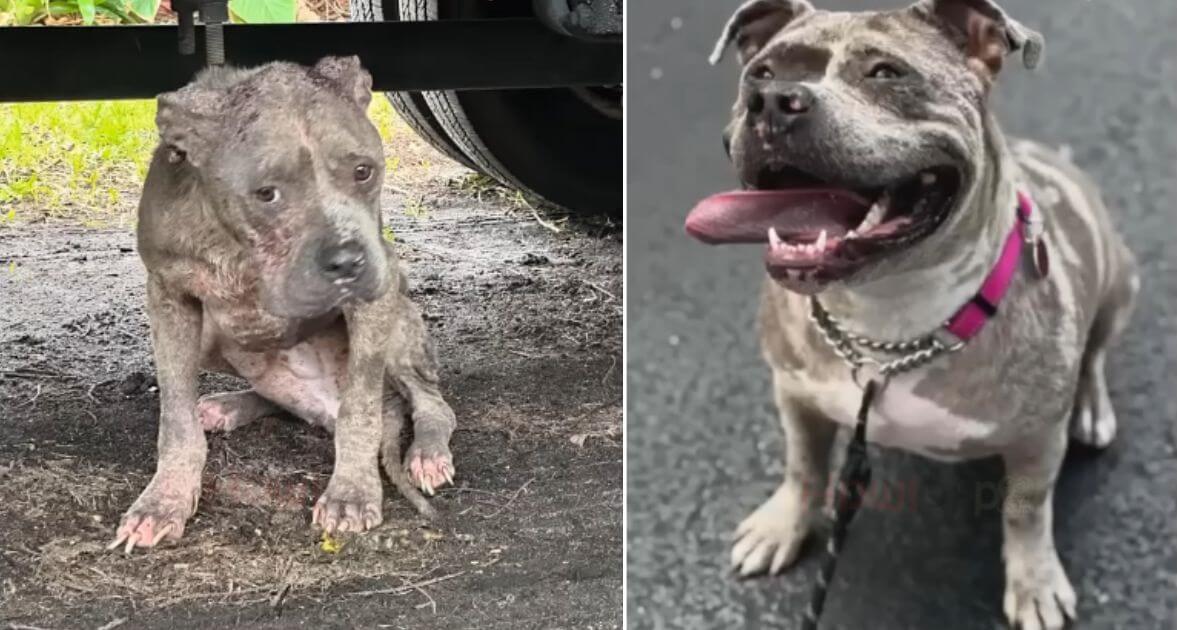
Sandy had been surviving on her own long before the skies turned dark. When the hurricane rushed toward the coastline, she made a choice that changed everything.
Instead of running, she walked toward a house and asked for help the only way she knew how — with tired, frightened eyes.
Her story is emotional, but it also reveals something bigger about what happens to pets during disasters, why so many are abandoned, and how small acts of care can shift the fate of animals caught in crisis.
When the Storm Closed In — A Dog’s Silent Cry for Help
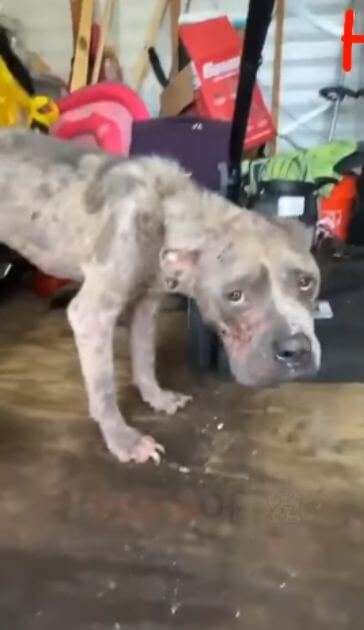
As the wind picked up, Sandy crept through the yard of a nearby home. She didn’t bark. She didn’t scratch the door. She stood still, trembling, as if waiting for someone to notice her.
Inside was a young woman who regularly helped stray animals. When she opened the door, Sandy held her gaze.
Thin. Shaking. Silent. That was all it took. A moment of recognition between a dog who had been ignored for too long and a human willing to stop.
Dogs often detect storms before people do, reacting to sudden drops in pressure, shifting scents and static in the air.
The Weather Channel reported that many dogs use these cues to seek shelter or cling to humans during approaching storms. That instinct may have guided Sandy to the porch.
That first meeting — quiet, cautious, fragile — was the start of her new life.
Why Disasters Often Leave Pets Behind
Hurricanes don’t just disrupt neighborhoods. They fracture families, shut down transportation, and overwhelm shelters.
Research on disaster preparedness has documented a rise in displaced pets when hurricanes and other emergencies hit, especially when families are rushed to evacuate and shelters are at capacity.
One large survey from the ASPCA found that many pet owners either could not evacuate with their animals or became separated from them during emergencies, leaving pets at serious risk.
Sandy wasn’t an isolated case. She was part of a wider pattern — animals pushed into danger as disaster pressure builds.
A Door Opens — and Sandy Takes Her First Chance at Safety
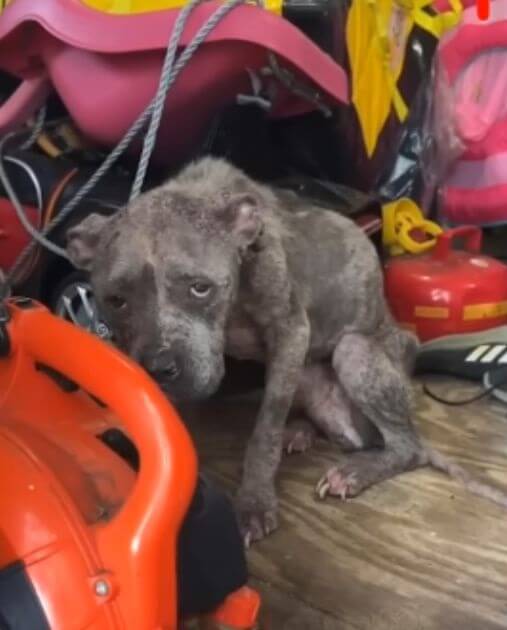
Sandy stepped onto the porch with her tail tucked tight. Every sound made her flinch. Her skin was raw. Her posture low. She watched the woman, unsure whether to trust.
The woman spoke softly and approached slowly. No sudden movements. No pressure. Just a calm voice, a blanket and patience. After a long pause, Sandy stepped forward.
That night wasn’t just a rescue. It was a moment where fear met compassion.
The woman said, “She didn’t make a sound. She just stood there, shaking, waiting for someone to see her.”
For a dog shaped by neglect, that first quiet gesture meant everything.
What Street Life Does to a Dog’s Body
Life on the streets had stripped Sandy down. Her frame was small and underfed. Her skin was inflamed and crusted. The hair loss, raw patches and constant itching pointed to scabies — a skin condition common among stray dogs.
Cornell’s veterinary center notes that sarcoptic mange can lead to intense discomfort, irritation, hair loss and open wounds that risk infection. Many untreated dogs lose weight, develop infections or fall into cycles of scratching that further damage their skin.
These conditions rarely improve without medical treatment. In Sandy’s case, years of hardship were written across her body.
After the Storm — Sandy’s Emergency Vet Visit
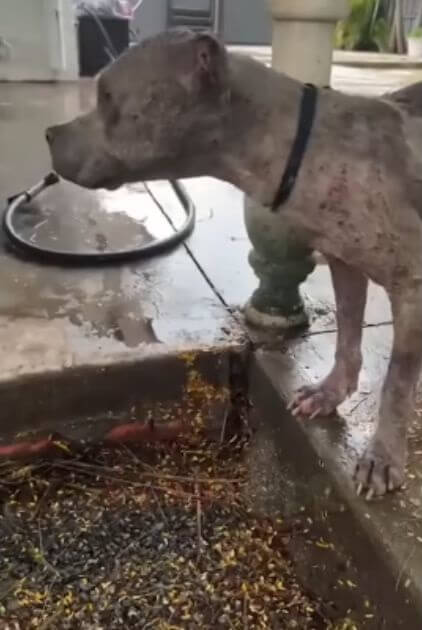
Once the hurricane passed, her rescuer rushed her to a veterinarian. Tests came back clean. No life-threatening disease. No internal trauma. Just exhaustion, infection and severe malnutrition.
That clean medical slate meant she could heal with time, medication and consistent care.
An ASPCApro resource on rehabilitating underweight dogs notes that animals who have gone without proper nutrition need gradual refeeding, close observation and veterinary oversight to avoid complications.
Sandy followed that same path — soft meals, medicated baths and a calm, safe place to rest.
Every bath. Every bowl of food. Every nap. Each small moment pushed her further from the life she once fought through.
The Healing Begins — and Why Recovery Is More Than Medicine
By the end of the first week, Sandy began to look different. Her fur softened. Her appetite grew. She learned how to play again. She learned how to ask for affection. She wagged her tail with a little more ease each day.
Behavior specialists featured in Today’s Veterinary Practice explain that dogs healing from trauma need predictable routines, slow exposure to new experiences and gentle reassurance. This stabilizes their nervous system and helps rebuild trust.
The woman who saved Sandy became that steady presence — someone who offered consistency during a time when Sandy needed it most.
From Foster to Forever — The Moment Everything Changed
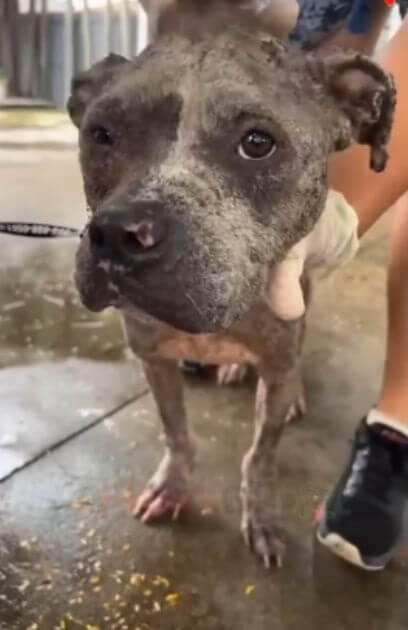
As Sandy stabilized, she moved to a foster home. She got her own bed. Toys. A canine friend to learn from. She learned how to live indoors, how to be part of a home, and how to rest without fear.
Foster care is a lifeline during disaster seasons. Frontiers highlighted that shelters supported by foster networks significantly reduced euthanasia and improved rescue outcomes after major storms.
Weeks later, her foster caregiver realized she couldn’t let her go. Sandy wasn’t temporary anymore. She was family.
She now weighs 54 pounds, healthy and full of life — the kind of dog who greets every morning with a tail that never stops moving.
Sandy’s Transformation Timeline
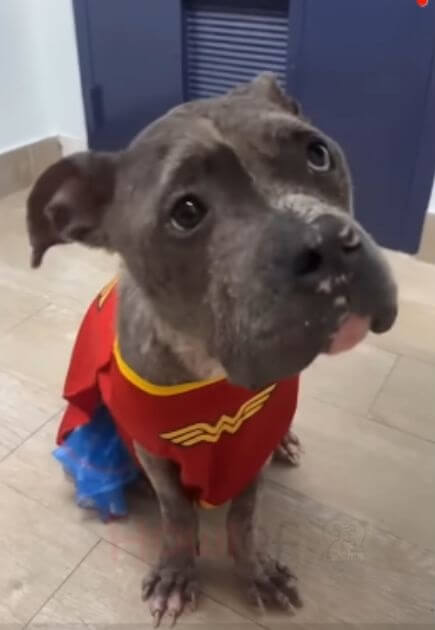
First 48 Hours — Vet exam, mange treatment, medication, rest
Week 1 — First real meals, gentle baths, early signs of relaxation
Weeks 2–3 — Regular eating, noticeable weight gain, calmer behavior
Weeks 4–6 — Fur regrowth, playful energy, trust forming
Week 8+ — Healthy weight, confident posture, bonded to her new family
This timeline reflects what steady care can achieve when animals finally feel safe.
Why Stories Like Sandy’s Matter — Beyond the Emotion
Sandy’s rescue is touching, but it also represents a larger reality. When storms hit, pets become collateral damage of broken systems — overloaded shelters, limited transportation and emergency plans that rarely include animals.
Reviews on PMC found strong links between disaster events and spikes in abandoned or displaced pets. Families often face impossible decisions while escaping danger, and many animals don’t make it out.
Sandy’s story becomes more than survival. It becomes a case study showing what happens when individuals step up, disaster plans fall short and communities must fill the gaps.
How You Can Help Strays Like Sandy — Simple Ways to Make a Difference
Move slowly and stay calm. Loud voices or fast movements can scare stressed animals.
Offer food or water instead of approaching directly. Let them come to you.
Give temporary shelter. A bathroom, garage or porch away from noise helps reduce fear.
Contact nearby veterinarians or shelters. They can guide you through triage or check if the dog is part of a displaced family.
Consider fostering. Short-term care saves countless pets when shelters overflow during storms.
Raise awareness. Share rescue stories, encourage preparedness and support local shelters.
A small effort during a crisis can shift a life like Sandy’s.
Every Tail Wag Is a Thank You — Sandy’s Life Today
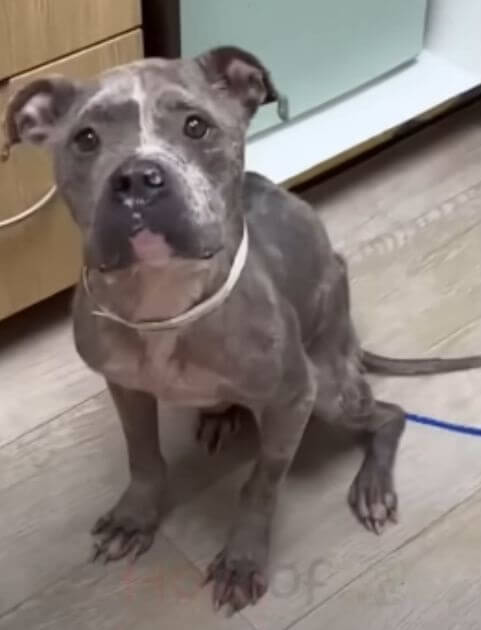
Today, Sandy naps on a soft bed, plays with toys, and greets the woman who saved her with excited wags that shake her whole body. She eats well. She sleeps peacefully. She lives without fear.
Her story began with a storm, but it continued because someone stopped long enough to care.
Sandy is living proof of what compassion looks like in motion. One open door changed everything.
If her story moved you, share it. Somewhere out there, another Sandy is waiting to be seen.
Also check out these rescues:
Scheduled to Die, She Crawled Toward the Only Hand That Didn’t Turn Away
From Trash to Treasure: The Dog Who Went From Dumped to Deeply Loved


