
Why Your Cat Sleeps 16 Hours a Day — And Thinks That’s Productive
Phew… my back hurts. I’ve been working all day.
No naps. No breaks. Just deadlines, caffeine and questionable life choices.
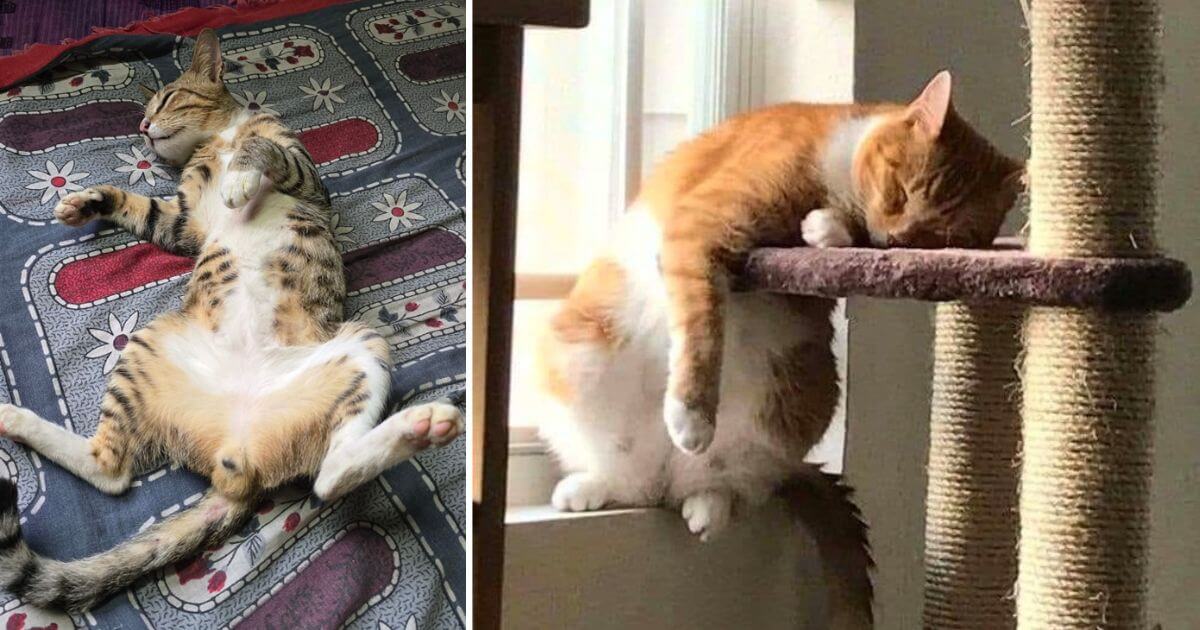
Meanwhile, my cat?
Fast asleep. Again.
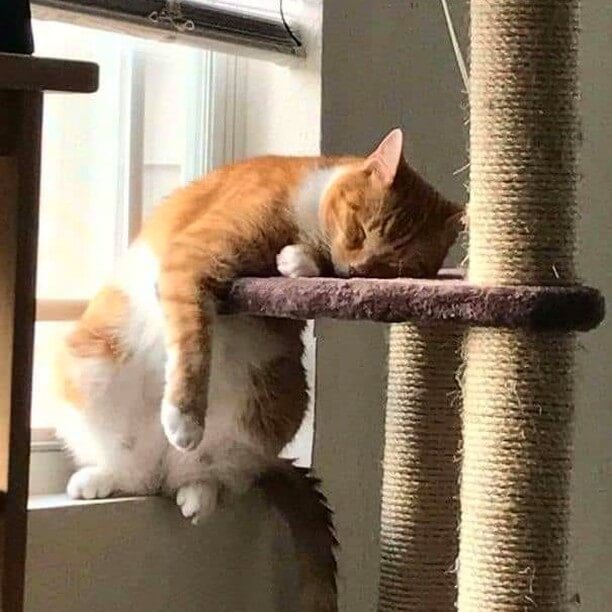
Didn’t she nap two hours ago? Wasn’t she snoring on the windowsill before that? Didn’t I just find her curled up in the laundry basket like a royal croissant?
If this sounds familiar, welcome.
You’re living the universal cat-parent experience — where your world revolves around schedules, and your cat’s world revolves around sleep… and also sleep.
But here’s the twist:
Your cat isn’t lazy.
She’s strategic.
While you’re unraveling into a stress burrito and doom-scrolling your way through adulthood, your cat is practicing elite wellness.
She’s running a system so refined that humans haven’t caught up.
Most cats sleep 12 to 16 hours a day.
Kittens and seniors? Closer to 18 to 20 hours.
And somehow, they still wake up looking at you like you’re the one wasting your life.
To a cat, rest isn’t downtime.
It’s productivity.
Let’s break down exactly why your furry executive spends most of her day asleep — blending pure “cat logic” with actual science.
5 Cat “Logic” Reasons They Sleep So Much
1. “I Work Smarter, Not Harder, Hooman”
Your cat has cracked the code to efficiency.
Why grind through 40 hours a week when you can nap through all of them?
In their mind, sleeping is:
- purposeful planning
- energy budgeting
- leadership
If they snooze now, they’ll be fully prepared for their next major task… like knocking something off the counter for no reason.
2. “I’m Conserving Energy for the 3 AM Zoomies”
That loaf-of-bread pose? Deception.
Your cat is quietly charging.
Sixteen hours of stored energy will detonate at exactly 3:02 AM — when you are half-asleep and unprepared.
You call it chaos.
They call it Olympic-level precision.
3. “You Chase Deadlines, I Chase Red Dots”
Your goals:
- pay bills
- answer emails
- stay sane
Your cat’s goals:
- chase invisible ghosts
- attack dust particles
- sit in the one sunbeam in the house
Their productivity metric is “joy per unit effort.”
Spoiler: they’re winning.
4. “I Sleep, Therefore I Am”
Your cat reaches full spiritual alignment simply by sleeping on your keyboard during your most important task.
While you meditate with apps and breathing exercises, your cat achieves enlightenment by loafing near the Wi-Fi router.
Sleep isn’t just rest.
It’s identity.
5. “I’ve Delegated All My Work to You”
Your cat has outsourced everything:
- food
- cleaning
- emotional labor
- entertainment
You are the staff.
They are the fur-covered CEO.
From their cardboard-box executive suite, they oversee operations while enjoying their seventh nap of the morning.
Efficiency?
Unmatched.
What Veterinarians Say About Cat Sleep
Cat humor is fun, but veterinarians point to clear biological reasons behind these marathon naps.
Cats evolved as ambush predators who relied on short, powerful bursts of energy. They needed extended rest to prepare for brief windows of hunting opportunity.
Veterinary clinics such as Dry Creek and Union Lake explain that cats still carry the physiology of ambush predators, which is why many sleep 15–20 hours a day and wake for short bursts of activity.
Why Cats Actually Need So Much Sleep: The Biology Behind It
Cats Are Light Sleepers by Nature
Feline sleep research summarized by the Sleep Foundation and veterinary clinics shows that cats sleep in many short cycles, often 50–113 minutes long, a pattern shaped by their crepuscular, predator biology.
This is why you can open a snack bag two rooms away and instantly summon them.
Their bodies are wired for vigilance.
Their Brains Run on Short Sleep Cycles
Cats don’t sleep in long, human-like stretches.
Instead, they rotate through multiple short cycles that help:
- regulate stress
- reset sensory systems
- strengthen memory
- restore muscle tissue
It’s a fine-tuned neurological rhythm — not idle lounging.
Play and Prey Drive Burn Energy Fast
Cats are sprinters, not marathoners.
Chasing toys, sprinting across rooms and leaping onto high surfaces require quick, explosive energy.
Recovery from that?
Sleep.
Indoor Cats Sleep More Than Outdoor Cats
Indoor cats:
- feel safer
- face fewer threats
- don’t hunt for food
- enjoy consistent temperature
Their world encourages longer, deeper rest.
Outdoor or feral cats are more alert and sleep less.
Sleep Helps Cats Regulate Emotion
Rest supports:
- calmer behavior
- stable mood
- reduced stress
- better social interaction
Sleep isn’t just physical recovery — it’s emotional maintenance.
Is Your Cat’s Sleep Normal? Signs to Watch For
Most of the time, heavy napping is perfectly healthy.
But here are patterns worth noticing:
Too Much Sleep (even for a cat)
- sudden increase in sleep
- low energy when awake
- hiding or isolation
- ignoring food
- lack of play interest
Too Little Sleep
- nighttime pacing
- restlessness
- vocalizing more than usual
- signs of anxiety or environment change
Clinics such as Animal Hospital of Clemmons stress that the real red flag isn’t a specific hour count, but a sudden change in your cat’s usual sleep pattern.
If you notice sudden shifts, checking in with a vet gives peace of mind.
How to Support Healthy Cat Sleep at Home
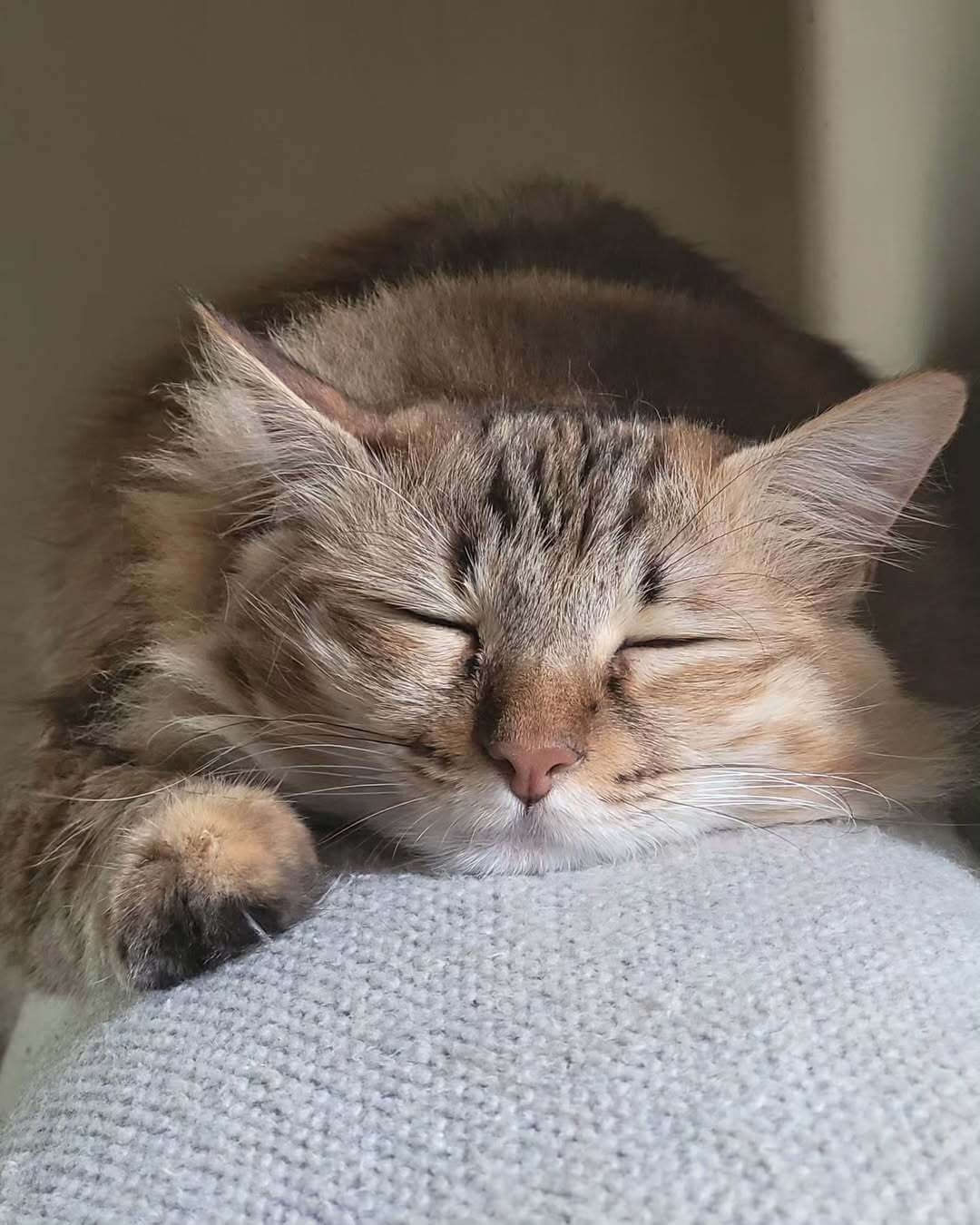
Create Multiple Safe Sleep Zones
Provide cozy spots in:
- warm corners
- elevated shelves
- window perches
- quiet hideaways
Cats choose sleep locations based on mood, temperature and safety.
Encourage Play Before Bedtime
A short play session before bedtime releases stored energy and supports deeper nighttime sleep.
It mimics the natural hunt → eat → sleep cycle.
Keep a Predictable Routine
Cats thrive on consistency.
Regular feeding times and household rhythms help them feel safe and settled.
Offer Environmental Enrichment
Use:
- puzzle feeders
- scratching posts
- climbing shelves
- cat TV in moderation
A stimulated cat rests more comfortably.
Watch for Stress Triggers
New pets, loud changes or disrupted furniture layouts can influence sleep.
Providing hiding spaces and soft blankets helps stabilize their routine.
Resources from PetMD and the Animal Humane Society suggest pairing evening play with predictable feeding times and cozy sleep spaces to nudge cats toward calmer nighttime habits.
Final Thoughts
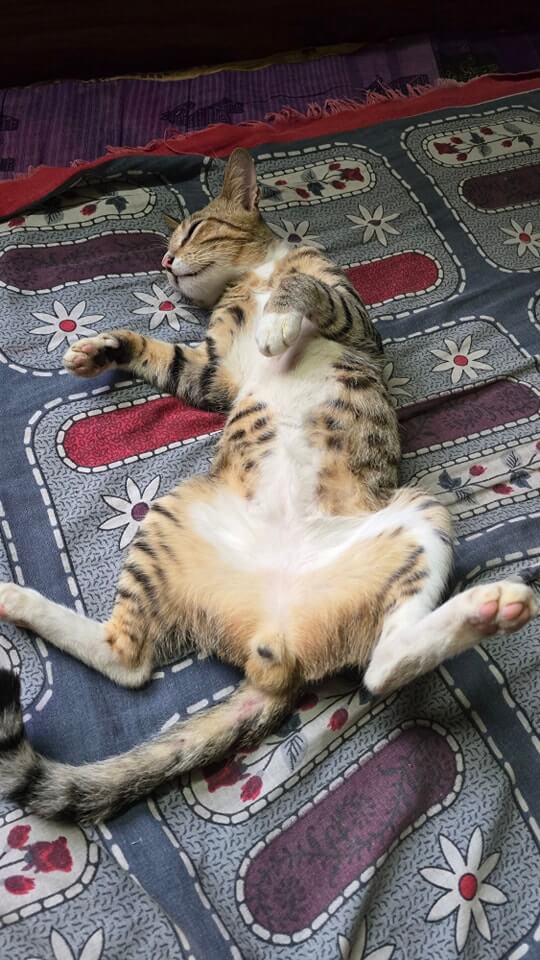
The next time your cat is napping upside down in a laundry basket while you juggle deadlines and existential panic, don’t interrupt.
You’re witnessing a creature who has mastered balance.
A being who understands rest at an elite level.
A fluffy, judgmental wellness guru.
In their eyes, they’re not sleeping too much.
You’re sleeping too little.
While you chase a five-year plan, your cat is living her best life — one luxurious nap at a time.
Honestly…
who’s the real genius here? 😼
If you’re a cat parent, you already know the answer.
Share this with someone who needs to appreciate the divine nap-based wisdom of cats.
Also read:
13 Times Pets Looked at Their Owners Like They Were Their Whole World


