
Why Cats Bring Dead Animals to Their Humans: And What It Really Means
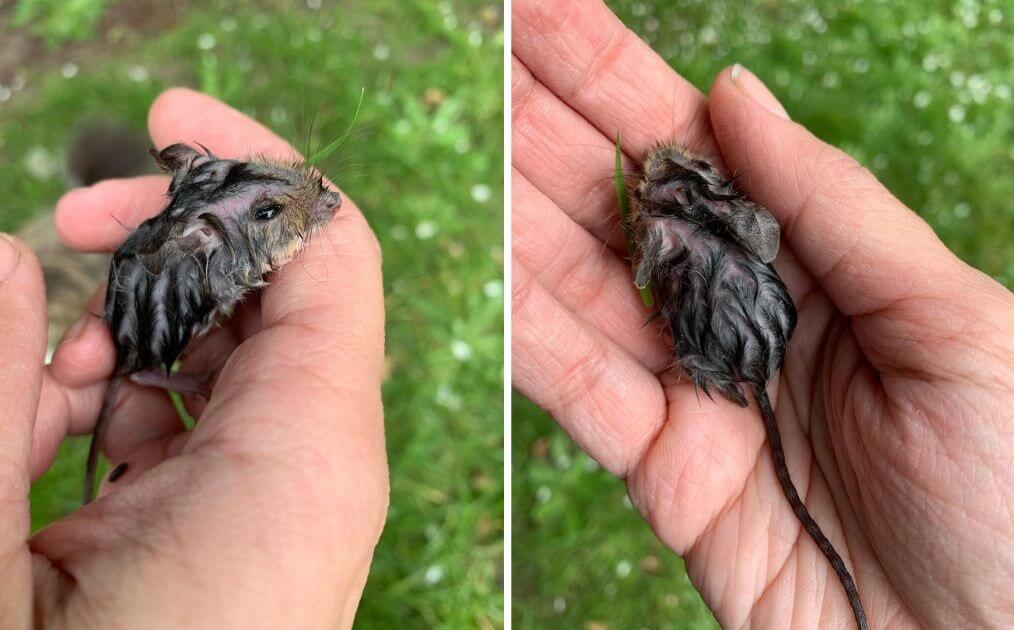
It usually begins as a small disturbance in the room — a pause in the silence, the whisper of paws along the floorboards, and then the unmistakable weight of something being placed beside you.
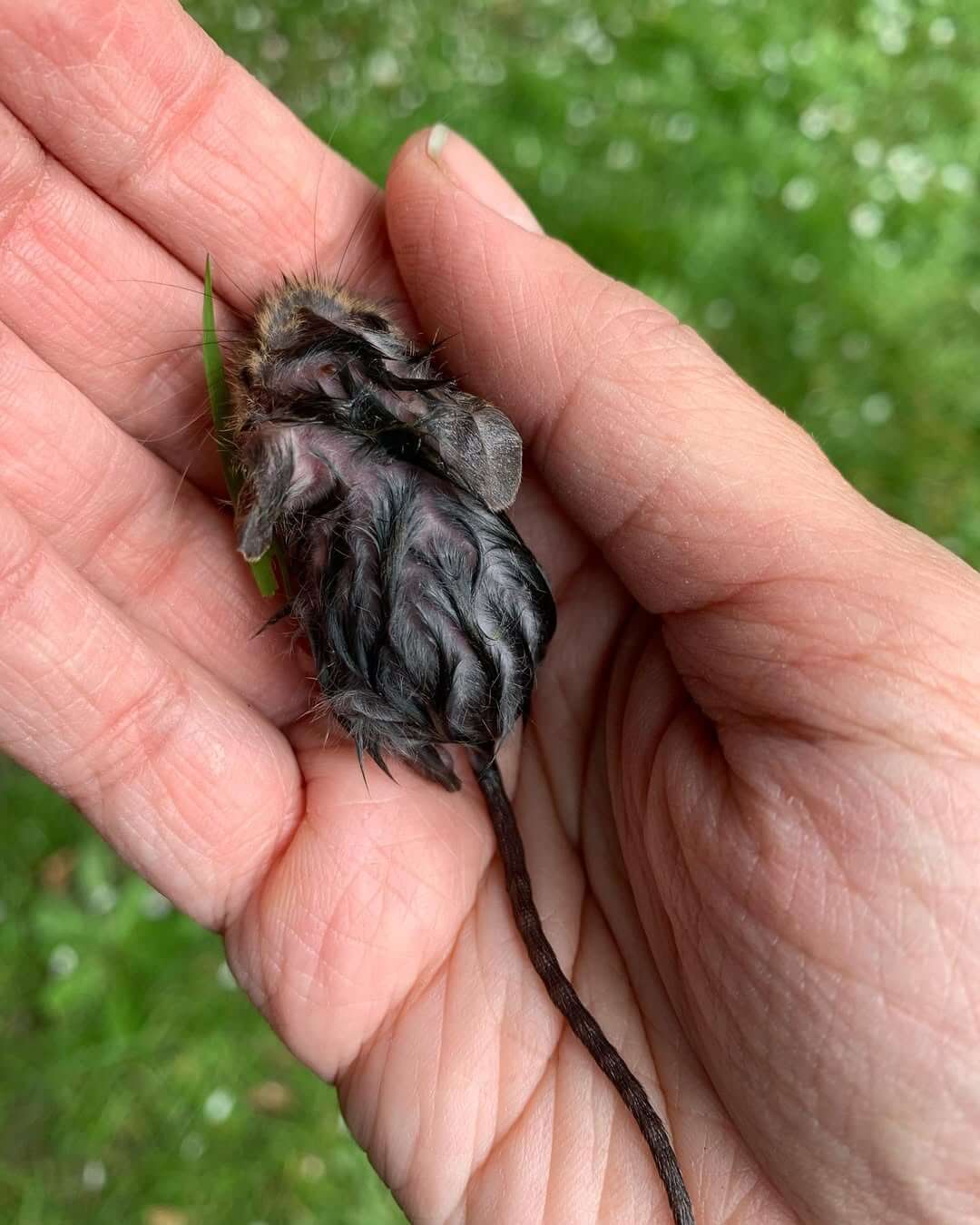
When the light shifts and your eyes open, your cat is sitting there with calm purpose, presenting a dead lizard or mouse as if offering you something meaningful.
The moment is jarring, but there’s more beneath it than shock. Behavior specialists say this ritual traces back to centuries of instinct, survival patterns, and the social bonds cats form with the people they trust most.
What feels unsettling to us often reflects something far more complex in them.
This feature looks at why cats deliver prey to their humans, how animal-behavior research explains the gesture, and why the instinct holds consequences not only for our homes, but for the wildlife just beyond our doors.
The Hunter’s Code Lives On
Long before domestic life, cats survived as solitary hunters. That imprint hasn’t faded, even in the most pampered indoor pets.
One behavioral overview notes that “this gift-giving behavior is as instinctual for cats as scratching their scratching posts, grooming their fur, kneading, and other classic feline activities.”
So when a cat places prey at your feet or on your bed, it isn’t acting out of malice. The act is rooted in a predatory sequence that remains strong even when the “hunt” takes place after a full bowl of kibble.
Instinct is older than domestication — and sometimes stronger than comfort.
Sharing the Hunt: A Feline Gesture of Belonging
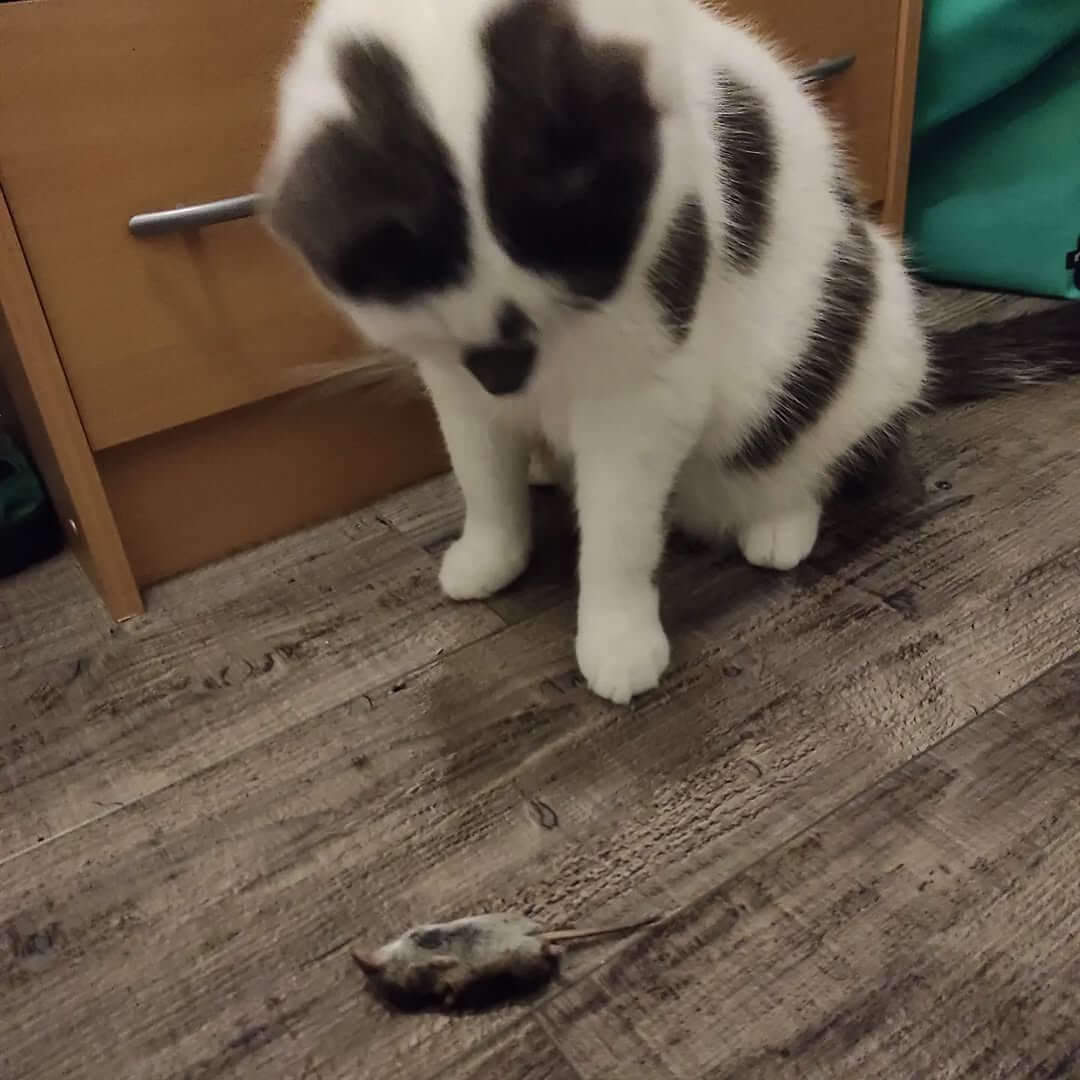
One popular interpretation is that cats bring prey to humans because they see us as part of their social circle. In complex feline communities, prey distribution can serve as a form of connection.
Observational research notes that “wild cats will also often share their prey with other members of their social group.”
To a cat, your living room may function like a den, and placing prey at your feet might be less about the prey itself and more about offering you a role inside their inner world.
The gesture often reflects trust — an instinctive acknowledgment that you are part of their territory, their routine, and their sense of security.
Why Some Cats “Teach” Their Humans

Mother cats often deliver prey to their kittens during early life stages, beginning with dead animals and eventually introducing live ones as training tools.
That pattern sometimes surfaces in domestic homes when a cat views its owner as inexperienced — not in a literal sense, but through instinctual interpretation.
In this context, the cat isn’t judging your hunting skills. It’s reenacting behavior embedded through generations.
It’s doing what a mentor would do for a young member of its group: demonstrating how survival works, even if your idea of survival involves a grocery store and a microwave.
This instinct tends to be more visible in females, whose ancestral roles included teaching, guiding, and preparing young for independence.
Why the Prey Is Sometimes Still Alive

Not every “gift” arrives still. Some cats bring half-alive animals that jump, flutter, or scramble across the floor. While shocking, the behavior reflects a sequence seen in wild hunting instruction.
The catch is immobilized, then delivered to a safe place where the cat can study it, practice, or present it to another member of the group.
To humans, this scene is chaotic. To cats, it aligns with instincts tied to teaching, problem-solving, and the ritual of the hunt.
When the Gift Becomes a Wildlife Concern
Indoor discomfort aside, the instinct has large ecological consequences. A landmark analysis estimated that free-ranging domestic cats kill 1.3 to 4.0 billion birds and 6.3 to 22.3 billion mammals in the United States each year.
This scale places domestic and outdoor cats among the leading human-associated threats to wildlife. In neighborhoods with fragile ecosystems or declining bird populations, a single roaming cat can affect local biodiversity.
Responsible ownership becomes more than managing a messy surprise at home — it becomes part of protecting the surrounding environment.
What Pet Owners Can Do Without Punishing Instinct

The answer is not to scold or punish. Cats engaging in this behavior believe they are acting appropriately, sometimes even helpfully. Instead, experts recommend redirection and environmental boundaries:
- Provide interactive play that mimics hunting
- Keep cats indoors during peak wildlife hours (dawn and dusk)
- Offer feather toys and puzzle games
- Supervise outdoor activity
- Add a bell to the collar to alert potential prey
The goal isn’t to erase instinct — you can’t — but to guide it in safe, manageable directions that protect both your cat and the wildlife around your home.
Reducing Risk Through Awareness of Abandonment
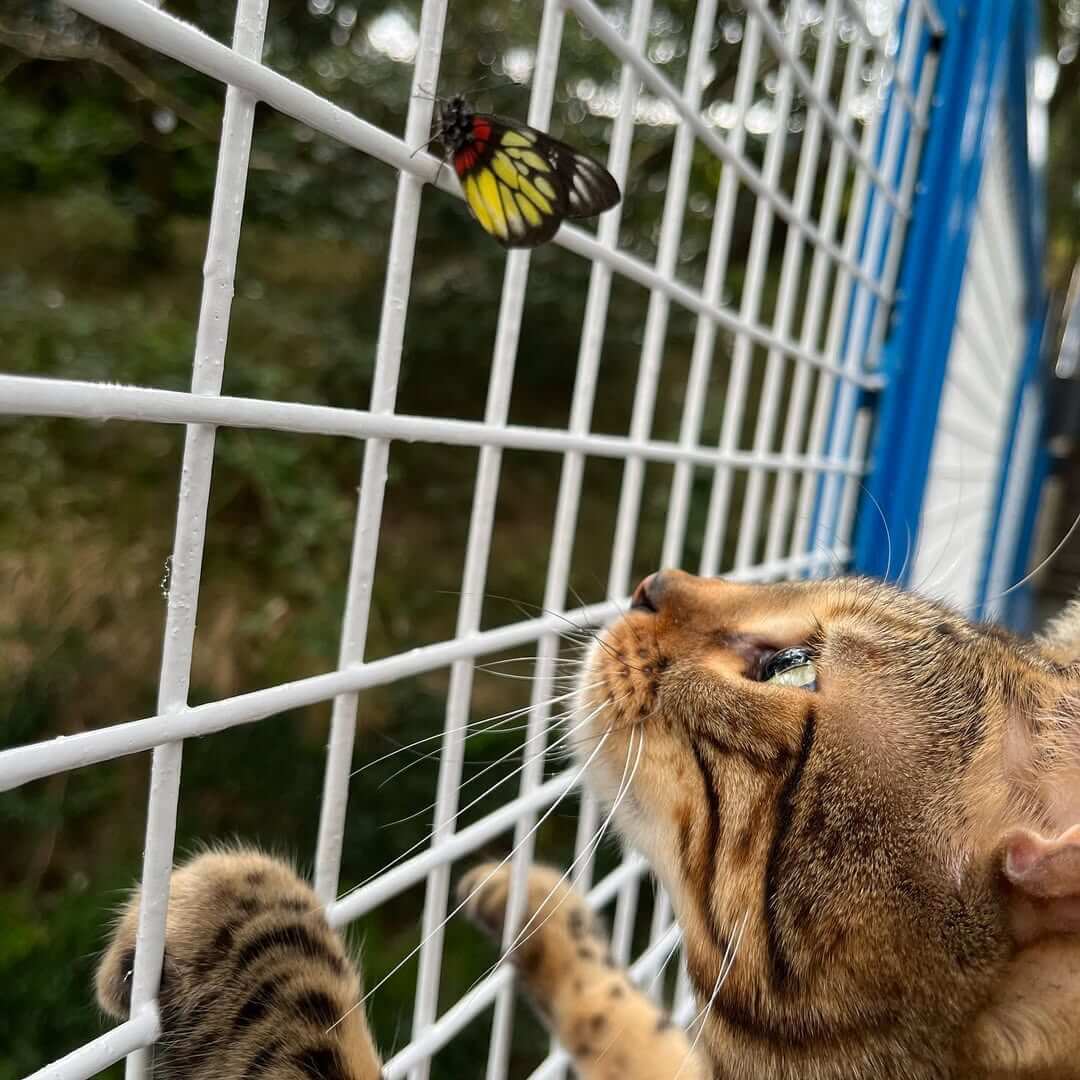
Outdoor cats doing the majority of hunting often come from unstable or abandoned backgrounds.
A recent animal-welfare estimate found that “in 2024, 4.8 million homeless dogs and cats end up in shelters in communities all over the United States.”
Many of these animals survive by hunting, reinforcing behaviors they carry when later adopted.
Understanding a cat’s past — especially time spent outdoors without dependable food — can explain why the instinct remains hyperactive even after joining a stable home.
With steady routines and enrichment, most cats gradually shift away from frequent prey delivery.
When the Behavior Signals Something More
While the act is normal, certain patterns warrant attention:
- Bringing excessive prey in a short time
- Increased restlessness or aggression outdoors
- Signs of nutritional deficiency
- Nighttime pacing or over-stimulation
- Sudden change after relocation or stress
These clues can suggest anxiety, environmental frustration, or medical needs. A vet consultation helps rule out conditions affecting appetite, metabolism, or compulsive behavior.
FAQ: What Cat Owners Ask Most
Why does my indoor-only cat bring me toys as “prey”?
The instinct remains even without access to wildlife. Toys become stand-ins.
Why does my cat only bring prey to me and not other family members?
Cats often designate one person as their primary social partner.
Does neutering stop the behavior?
Not necessarily. Hunting is instinct-driven, not linked to reproductive hormones.
Why does it happen early in the morning?
Cats are crepuscular — most active during dawn and dusk.
Should I praise or ignore the gift?
Avoid punishment. Calmly remove the prey and redirect with play.
The Quiet Meaning Behind the “Gift”
A cat placing prey at your feet is not sending a message of shock or malice. It is acting out ancient coding that predates domestic life.
It is sharing, teaching, bonding, or simply following instinct. And in the quietest interpretation, it is acknowledging you as part of its world.
The gesture may be unsettling, but it reveals something deeper — a mix of trust, recognition, and the faint echo of the wild animal your cat once was, and in many ways, still is.
Also read:
Why Do Cats Come To The Bathroom With You?
Why Your Cat Sleeps 16 Hours a Day — And Thinks That’s Productive


