
He Was Left Paralyzed on a Clinic Floor. Jack’s Rescue Shows What Love Can Save.
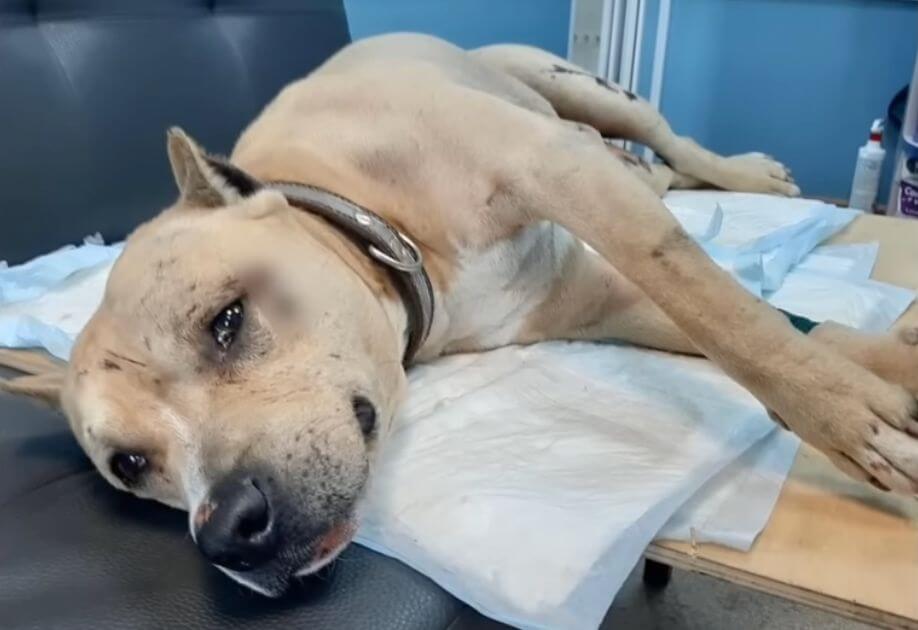
On a clinic floor, a paralyzed dog lay silent as the person he trusted signed the form that would end their life together.
Jack couldn’t lift his head. He couldn’t bark. He could only watch as footsteps faded and the door shut behind the one who was supposed to stay.
His spine was shattered from trauma.
The heartbreak that followed cut just as deep.
Jack wasn’t surrendered for care. He was surrendered because someone decided his life was too hard to keep.
That could have been where his story stopped — until a rescue team stepped in and refused to let him disappear.
Why Jack Trembled and Shut Down: What Trauma Does to Dogs
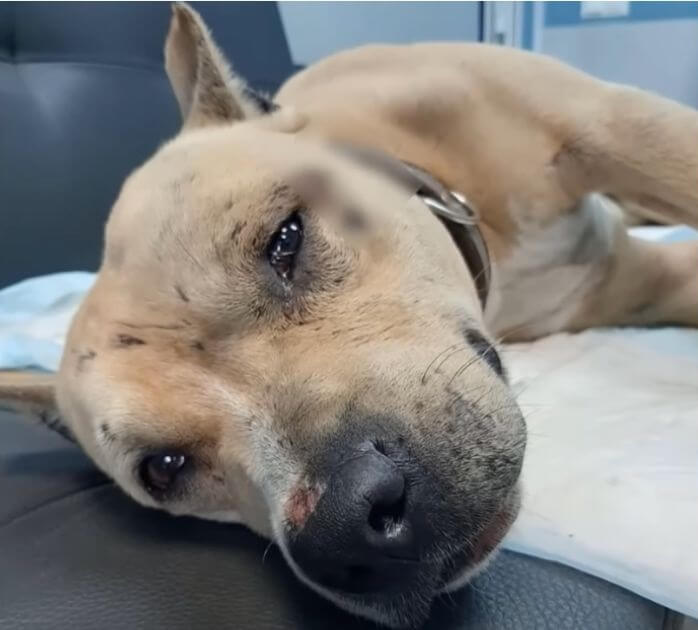
When rescuers at Egida approached him, Jack didn’t growl or whine. He only shook. His stillness wasn’t calm — it was fear wrapped inside pain.
“He wasn’t trying to protect himself,” one rescuer said. “He had already given up expecting anything good. All he could do was tremble and hope the pain would stop.”
According to PetMD, dogs who face intense fear often show signs like trembling, reduced activity, hiding, or going silent. These reactions are part of the body’s instinctive stress response. Jack’s freezing wasn’t an absence of emotion — it was fear at its peak.
His injuries left him unable to move his back legs. Trauma left him unable to respond the way most dogs do. He was physically and emotionally overwhelmed.
Inside the Operating Room: The Spinal Injuries That Changed Everything
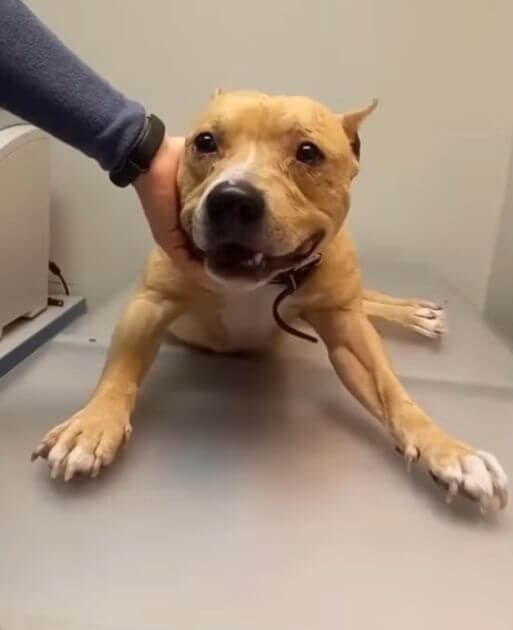
When Jack arrived at the rescue-operated clinic, scans revealed the extent of his trauma: multiple spinal fragments, a serious hematoma, and compression that left him without sensation in his hind legs.
The MSD Veterinary Manual explains that dogs who lose their ability to feel pain below a spinal injury face a poor outlook for neurological recovery, especially when sensation is completely absent. That made Jack’s condition urgent and unpredictable.
Surgeons spent hours removing fragments and relieving pressure around the damaged region of his spine. The procedure was delicate. Every millimeter mattered.
Jack survived the surgery — but the hardest part was still ahead.
Ten Days of Uncertainty: Fighting Through Pain and Fear
In the days after surgery, Jack struggled. His temperature spiked. He refused food. He trembled in his sleep as if reliving the moment that hurt him.
His rescue team monitored him through the night.
They cleaned his wounds.
They whispered encouragement.
They waited for him to show even the smallest sign that he wanted to stay.
On the tenth day, he lifted his head for the first time.
It was brief. But it was enough.
Rehabilitation Begins: What “No Sensitivity” Really Means
Jack still couldn’t feel his back legs. He had no response to touch. He couldn’t stand. Nerve regeneration after trauma is unpredictable, and success depends on how much damage occurred at the moment of injury.
Loss of sensitivity doesn’t mean the dog has lost the will to move — it means the nerves controlling movement can’t deliver messages to the body.
Rehab specialists began working with Jack slowly:
- passive leg movements
- outdoor sessions to lift his spirits
- standing exercises with full-body support
- gentle strength work
They celebrated every flicker of progress.
The First Breakthrough: The Day He Stood
Three months later, something extraordinary happened.
A therapist supported Jack’s body as part of a routine session. He pushed back slightly — just enough to lift himself. Then he held the position for a few seconds.
It was enough to send the room into tears.
Soon, he could manage nearly ten seconds. His tail moved. His eyes brightened. The moment didn’t mean he would walk again, but it showed the part of him that had never been broken — his spirit.
Why Disabled Dogs Are Abandoned: The Larger Social Story
Jack’s surrender wasn’t rare.
It was heartbreaking — but not rare.
A 2023 study by the National Library of Medicine found that veterinary costs and socioeconomic pressures are connected to higher rates of animal abandonment across multiple regions.
When pets face major medical problems, the financial strain often leads to surrender or abandonment.
Disabled dogs are especially vulnerable because:
- treatment can be expensive
- rehab requires time
- mobility issues intimidate owners
- long-term care is misunderstood
Jack wasn’t given a chance. Many dogs with his injuries never are.
Life in a Wheelchair: How Jack Found Freedom Again
Jack’s rehab continued for more than a year.
Nerves healed slowly, but never enough to let him walk independently.
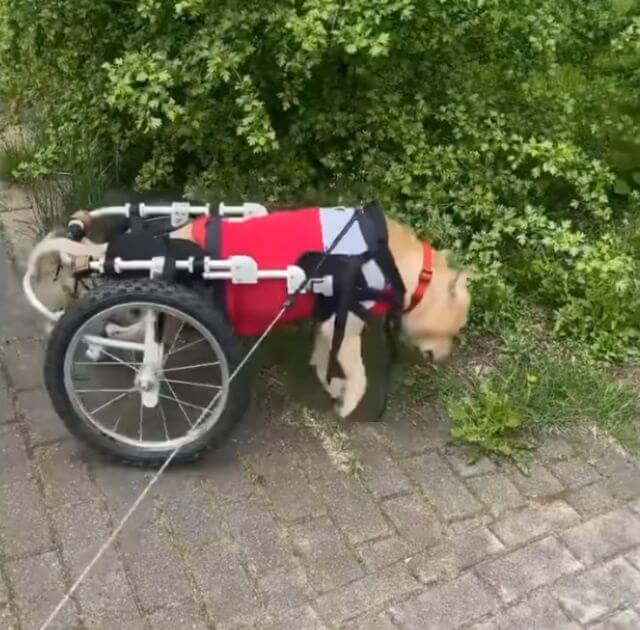
So his rescuers gave him something else — a wheelchair.
According to another study published in 2024 on National Library of Medicine, assistive mobility carts improved the quality of life for dogs and cats with mobility disorders, and even improved the well-being of the caretakers who support them. That truth showed up in Jack’s daily life.
Once fitted into his wheels, he took off as if he’d been waiting for that moment. He explored the yard. He greeted visitors. He played with other rescues. His personality bloomed again.
He didn’t walk — but he lived.
Jack’s Senior Years: A Life Built on Love, Not Limitations
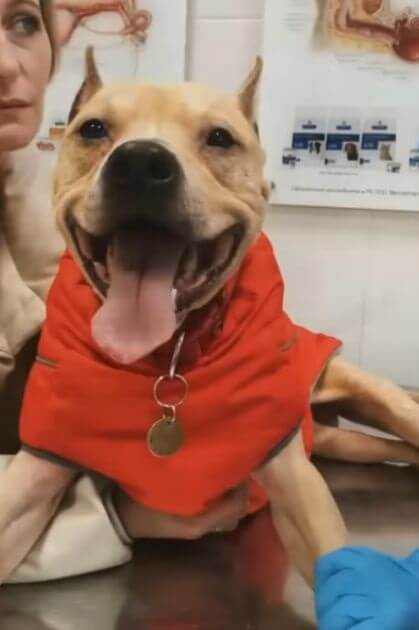
As the years passed, Jack grew older. Rehab shifted from active training to gentle support, warm bedding, and companionship.
He remained adored by everyone at the shelter — from the volunteers to the other animals who trusted him instantly.
He found a family in the place where he was brought to be written off.
His life wasn’t defined by what he lost. It was shaped by what he gained.
What You Can Do: Safe, Expert-Backed Guidance for Helping Injured or Disabled Pets
If someone encounters an injured or disabled dog, rescuers recommend:
- approaching calmly and slowly
- avoiding direct contact if the dog seems scared
- calling a local rescue, animal-control service, or humane authority
- keeping the animal warm and still until help arrives
- reporting suspected neglect to local enforcement
- never attempting spinal manipulation or amateur medical care
These steps protect the animal — and the person trying to help.
Disabled dogs often need quick intervention, but that intervention must be done by trained professionals.
Why Jack’s Story Matters
Jack’s life didn’t follow the path anyone planned for him — not the person who left him, and not the rescuers who refused to let him go.
He became a reminder that even when a body breaks, the will to keep going can stay whole.
He became proof that a mobility-impaired dog can still experience joy, connection, and purpose.
He became an example of how compassion can rewrite a future that seemed already gone.
Jack never walked again.
But he lived a full life — surrounded by people who saw what he deserved.
Watch Jack’s Full Rescue Video
If you want to see Jack’s journey from the clinic floor to the life he rebuilt, his full rescue story is available here:
Credit – Animal Shelter YouTube Channel
If his story moved you, consider sharing it with someone who cares about animals. Small acts of compassion can lead to lifesaving change.
Mini-FAQ: Questions People Often Ask About Injured Dogs Like Jack
Can paralyzed dogs still live long lives?
Yes. With support, many mobility-impaired dogs live full, happy lives.
Do dogs remember being abandoned?
Dogs form emotional associations with people, including the memories of being left behind.
Can spinal injuries heal fully?
Some do. Others don’t. Prognosis depends on the severity of nerve damage.
Do wheelchairs hurt dogs?
No. Mobility carts are designed to support comfort and independence.
Also check out these rescues:
Owner Wanted to Return This Cat After One Day — What Happened Next Will Stay With You
Old Racing Dog Abandoned and Left to Starve Until One Person Refused to Walk Away


