
For Years She Lived in a Backyard Eating Rocks. Then Everything Changed.
There are stories that do not shout for attention.
They sit with you. Quiet. Heavy.
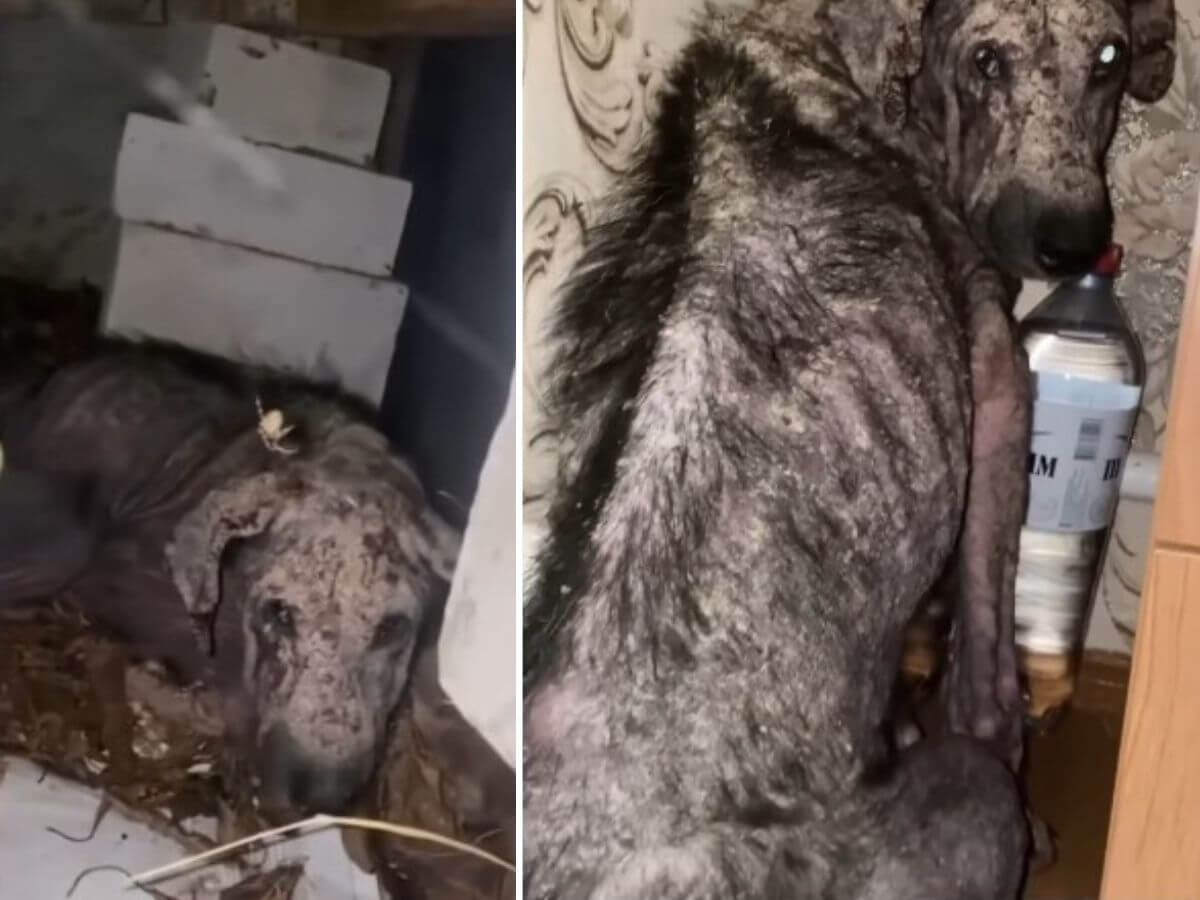
Alma’s life unfolded in a backyard where neglect blended into routine. She was a severely malnourished dog living in plain sight, confined to the only space she knew, surviving without steady food or care. No one stepped in. No one intervened. Years passed that way.
By the time rescuers found her, her body had already begun to give up. Hunger had pushed her to eat rocks just to quiet the pain in her stomach. Her skin sagged. Her strength was fading.
What happened next would test how far compassion can reach when a neglected dog is already close to the edge.
A Life No One Was Watching
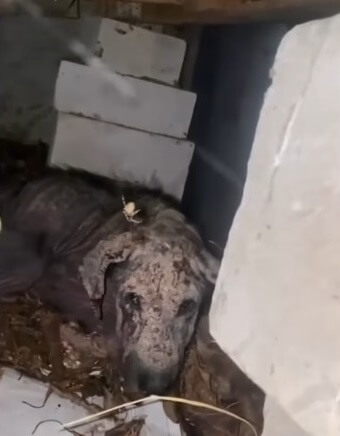
Alma had lived her entire life outside the only home she knew.
No soft place to rest. No steady meals. No hands reaching down with comfort. Hunger became constant. And when hunger stretches long enough, behavior changes.
She began eating rocks.
Dirt too.
Anything that might dull the ache in her stomach.
Over time, her body weakened. Her frame thinned. Her coat lost texture. She was alive, but fading.
When rescuers finally saw her condition, they did not exaggerate it. According to the rescuers, “Her condition was very bad.”
The words were simple.
They did not need embellishment.
What Rock Eating Really Means
Let’s pause here.
When a dog eats rocks, it is rarely random. It often signals distress.
According to VCA Hospitals, “Pica is the name for any non-nutritive items your dog eats—like rocks, dirt, paper and more.” That behavior can be linked to hunger, anxiety, chronic stress, or prolonged neglect.
Best Friends Animal Society adds context, stating “Pica in dogs is a disorder in which the dog ingests non-food items, such as rocks, dirt, or fabric, and it’s a fairly common occurrence.”
In Alma’s case, the trigger was clear. She was starving.
Here is why that matters.
Rock ingestion is not harmless. It can tear tissue, block intestines, and cause internal bleeding.
According to the Merck Veterinary Manual, untreated obstruction can quickly become life-threatening: “Without treatment, death from shock caused by fluid loss may occur within a short period of time.”
That was the risk she carried every single day.
The Moment Someone Chose to Act
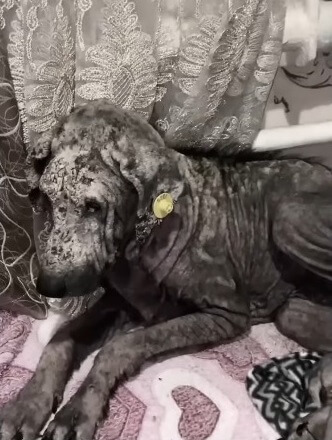
When the rescue team learned about her situation, they understood the stakes.
She was weak. Her body was unstable. Veterinarians warned that survival was uncertain.
Still, they made a decision.
According to the rescuers, “We decided to save her, or at least try,” they said.
It was not confidence that moved them. It was refusal to walk away. They brought her home knowing she could deteriorate overnight.
They showed up anyway. For the first time in her life, she had a bed of her own.
The First Weeks Stabilizing a Failing Body
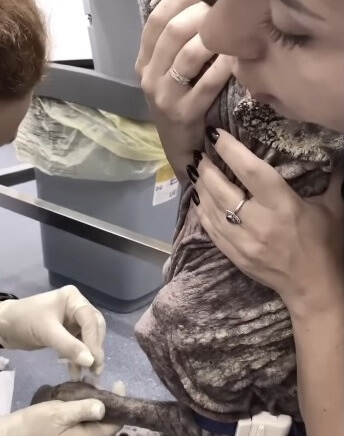
Recovery did not begin with play or tail wags.
It began with stabilization.
Small, measured meals. Careful monitoring. Repeated veterinary checks. Watching closely for signs of obstruction after years of ingesting rocks.
Refeeding after long-term starvation must be gradual. The digestive system cannot handle sudden overload. Electrolytes shift. Organs strain. Progress can reverse quickly if done wrong.
Alma’s appetite returned slowly.
Her weight increased in small increments. Her coat softened. Her eyes began tracking movement again.
And then came something subtle but powerful.
She started lifting her head when someone entered the room.
Healing the Fear No One Could See

Physical healing is visible.
Emotional healing is quieter.
Alma startled easily. Sudden movement made her retreat. Even gentle touch confused her at first.
That reaction makes sense.
Dogs who endure long periods of neglect often develop heightened stress responses. They live braced for discomfort. Safety is unfamiliar.
The rescue team focused on consistency.
Meals at the same time. The same voices. The same sleeping space. No sudden changes.
Trust builds through repetition.
Weeks later, a breakthrough came.
She played.
It was hesitant at first. A short burst of movement in the yard. A toy nudged forward. A cautious approach toward another dog.
But it was play.
And play signals safety.
What Chronic Neglect Does
Alma’s case is not isolated.
The Humane Society of the United States explains the scale of the issue clearly: “Most reports of animal cruelty involve neglect, though direct abuse and organized cruelty like animal fighting occur too.”
Neglect rarely looks dramatic from the outside. A dog can be alive and still deprived.
Food withheld. Medical care delayed. No consistent human interaction.
Over time, the body compensates until it cannot. Muscle mass declines. The immune system weakens. Stress becomes constant. Fear settles in and starts to feel normal.
Alma carried those layers with her when she arrived.
The Shift From Surviving to Living
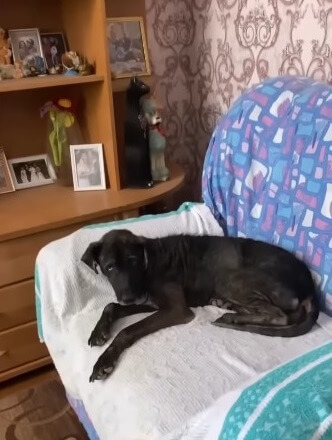
Months passed.
Her energy returned in waves. She moved through the yard without freezing at every sound. She began approaching her caregivers on her own.
She claimed her own bed.
She accepted affection.
Today, she is described as active and deeply affectionate. She sometimes chooses to sit outside and watch the weather from a couch.
Before, the yard meant isolation.
Now, it means choice.
That difference defines her recovery.
What We Can Take From Alma’s Story
If you see a dog persistently eating rocks, dirt, or fabric, do not ignore it.
It may signal hunger. It may signal stress. It may signal medical distress.
Look for weight loss. Lethargy. Poor coat quality. Fearful behavior.
If something feels wrong, contact local animal control or a humane organization. Early reporting can prevent long-term damage.
And if you are helping a rescued dog heal, remember this.
Progress may look small.
It still counts.
Consistency matters. Patience matters. Gentle repetition matters.
A Life That Nearly Ended Quietly
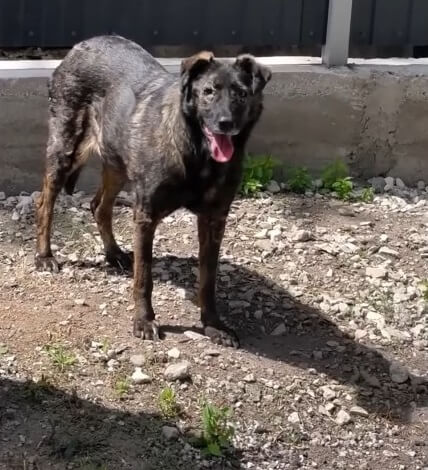
Alma could have faded in that backyard.
She almost did.
But someone looked at her and chose effort over fear.
They did not know if she would survive.
They tried anyway.
If this story stayed with you, share it. Stories like Alma’s remind people what quiet neglect looks like and what steady compassion can change. One share may reach someone who needs to see it.
You may also want to read:
Vito Was Found Weak in a Backyard: And No One Knew What He’d Been Through
Once Adopted as a Puppy then Abandoned, This Dog Later Found the Care He Needed


