
Anow Was Too Weak to Stand. A Plumber’s Discovery Helped Bring Him Home
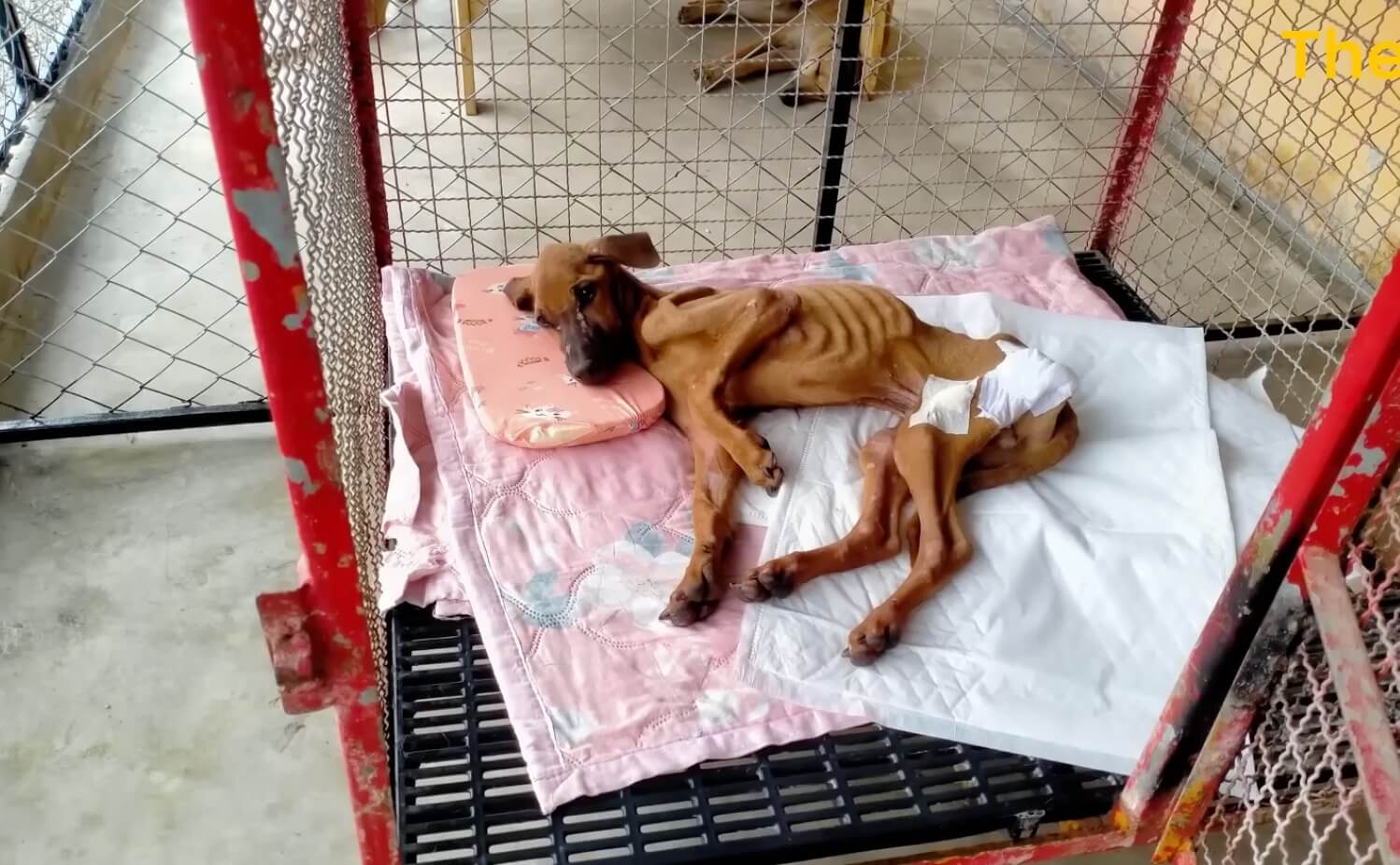
Anow could not stand when help reached him. Severely underweight and exhausted, he needed more than a meal and somewhere comfortable to rest.
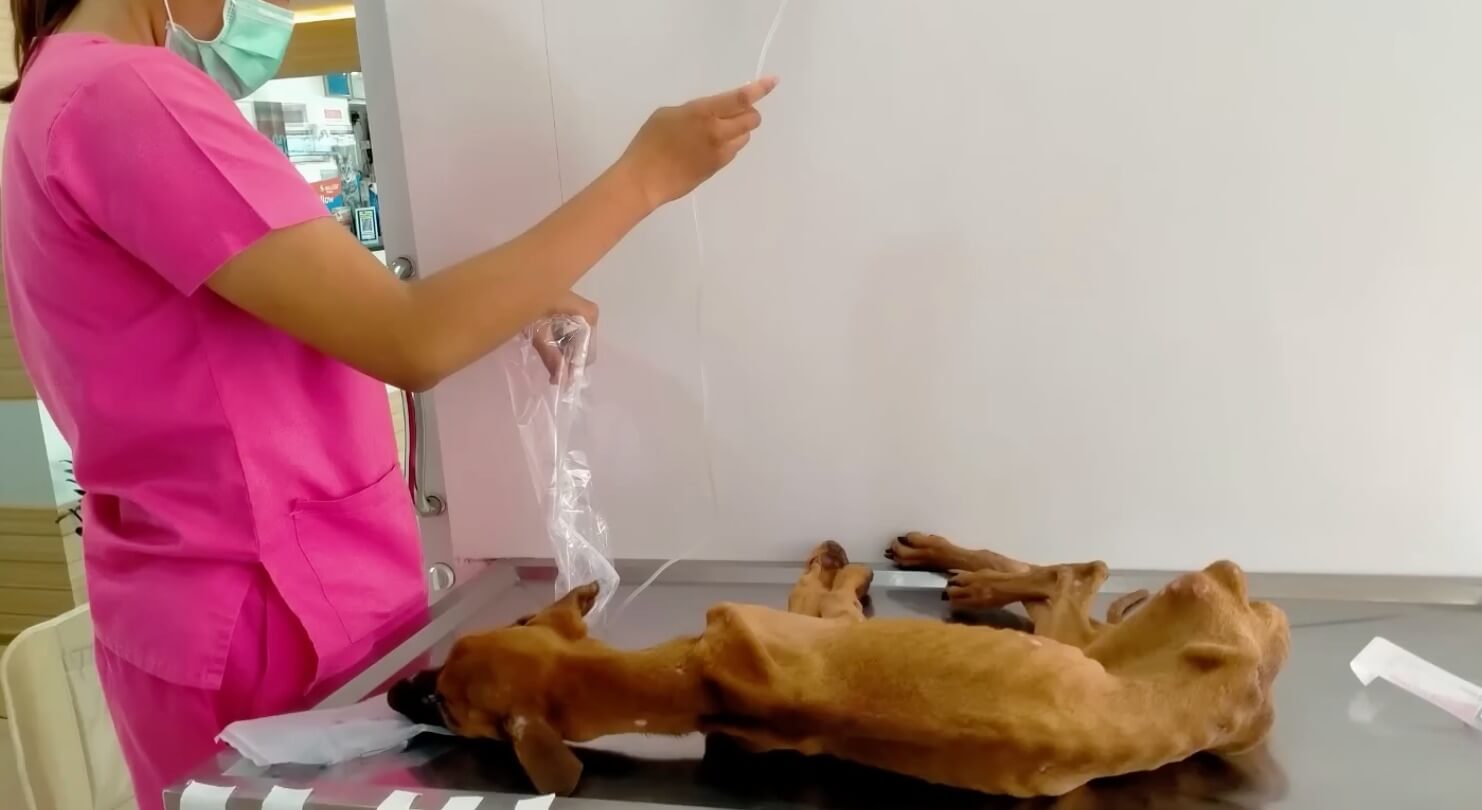
A plumber had discovered him and raised the alarm. A volunteer then brought him to a veterinary clinic, where his care began with fluids and nutritional support.
Over the weeks that followed, the people looking after Anow would watch him regain strength. Eventually, the dog who had needed emergency help would be ready to leave with a family.
A Plumber Noticed Anow Needed Help
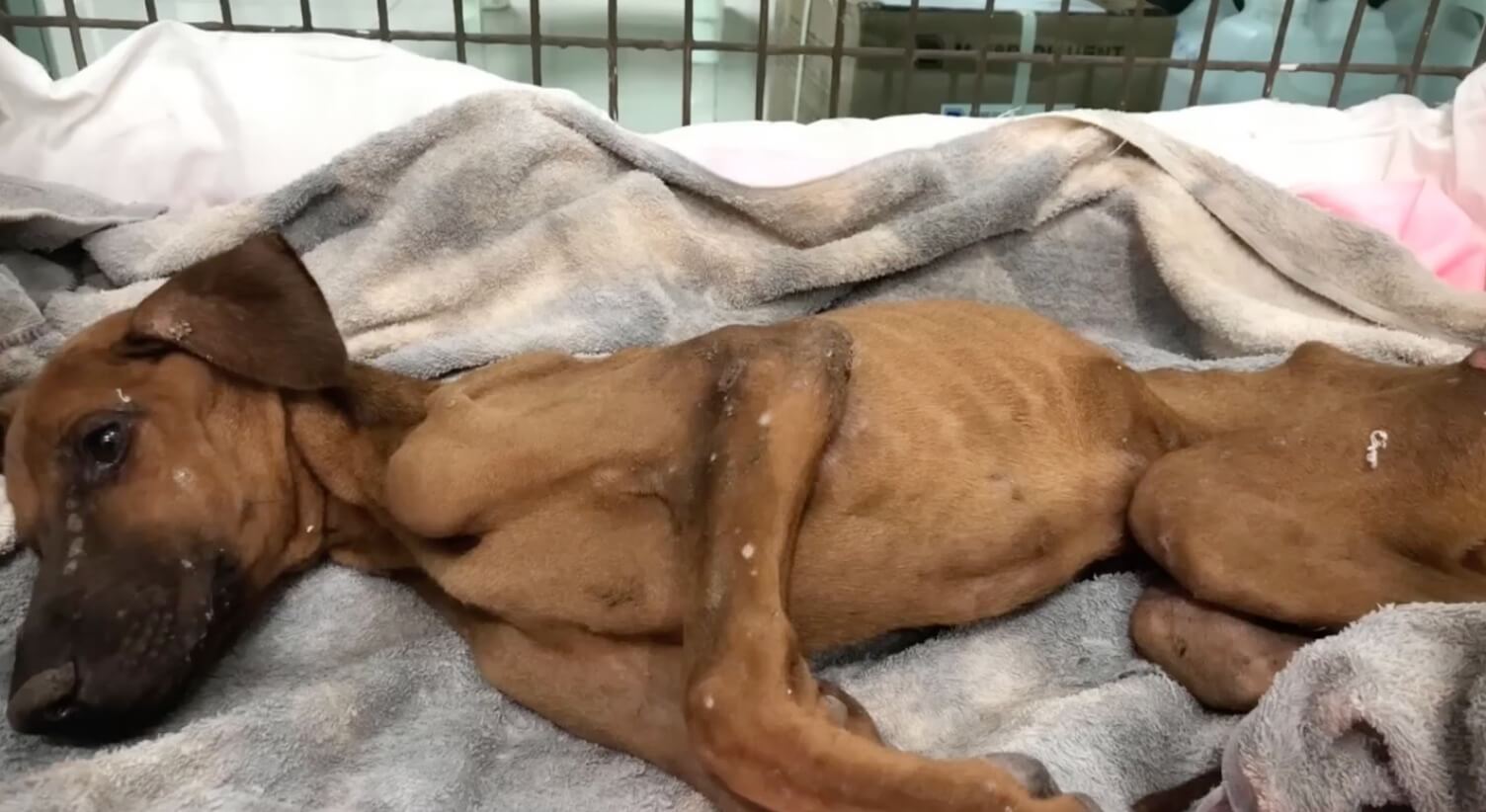
The Moho’s account of Anow’s rescue describes a plumber discovering his condition and reporting the situation to police. A volunteer came to collect him.
The account alleges prolonged confinement and inadequate feeding by a previous owner. It does not provide records establishing the exact duration or circumstances.
Anow’s immediate needs were clearer. He was extremely thin, unable to stand and in need of urgent veterinary attention.
Getting him there changed who was responsible for his next meal, his comfort and his care. A veterinary team could now assess him and begin treatment.
His Recovery Needed More Than Food
At the clinic, Anow received fluids and nourishment, according to the rescue update.
His weakened condition meant recovery would take continuing attention. The people helping him had to look beyond the understandable wish to see a hungry dog finish a bowl of food.
For anyone helping a severely underweight animal, a feeding plan should come from a veterinarian.
ASPCApro states, “Animals with unique nutritional needs, such as emaciated or obese animals, should have a diet formulated with veterinary input.”
Ask what food to offer, how much to give and how often to feed. Arrange follow-up checks so the plan can change with the animal’s needs.
For Anow, those first days were the beginning of a longer stay. The account follows his recovery over weeks, rather than describing a sudden return to health.
The Changes Came Gradually
Little by little, Anow began regaining strength.
The updates reported weight gain and increasing energy. Staff and volunteers continued caring for him while those changes developed.
There was no dated schedule showing when he first stood or how much he weighed at each stage. His progress was described through the gradual return of strength and activity.
For people caring for a thin pet, the number on the scale is only part of what a veterinary team may assess.
The American Animal Hospital Association explains, “Underweight patients often have loss of both body fat and muscle mass, yet BCS and MCS should still be scored separately.”
BCS means body condition score, which assesses body fat. MCS means muscle condition score.
Ask your veterinarian how they will track your pet’s recovery alongside weight. That can help you understand what improvement looks like and when the care plan needs another review.
Anow’s caregivers were seeing more activity as time passed. The dog who had arrived unable to stand was becoming stronger and more energetic.
He Was Ready to Leave the Clinic
Eventually, the rescue account reached the news his caregivers had been working toward. Anow was ready to leave.
His story had begun with someone noticing a dog in serious distress. It had continued through weeks of treatment, feeding and attention from the people around him.
Now, there was a family waiting.
Leaving the clinic gave Anow a home beyond the place where he had recovered. His care could continue as part of everyday family life.
A Home Brought a New Routine
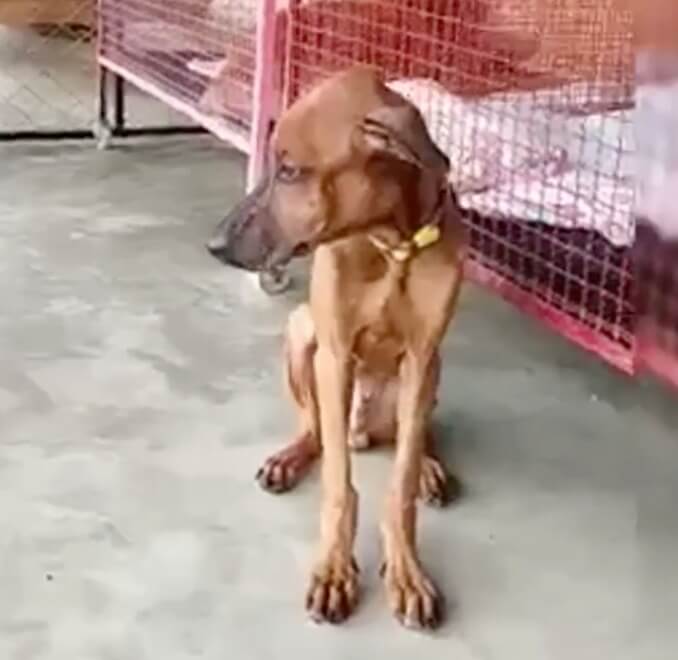
The closing update describes Anow as friendly, healthy, and happy with his new owner.
For dog lovers, preparing to adopt a dog after a difficult period, arriving home can still take adjustment. New rooms, unfamiliar voices and different routines may require patience.
In its settling-in guidance, Dogs Trust recommends, “Create a routine and stick to it.”
Ask the rescue or veterinary team about feeding, medication and follow-up appointments before bringing your dog home. Keep those arrangements predictable while allowing time to become comfortable.
Anow’s later life was described very differently from his arrival. He had regained energy and had someone looking after him at home.
Someone Noticed, and Care Continued
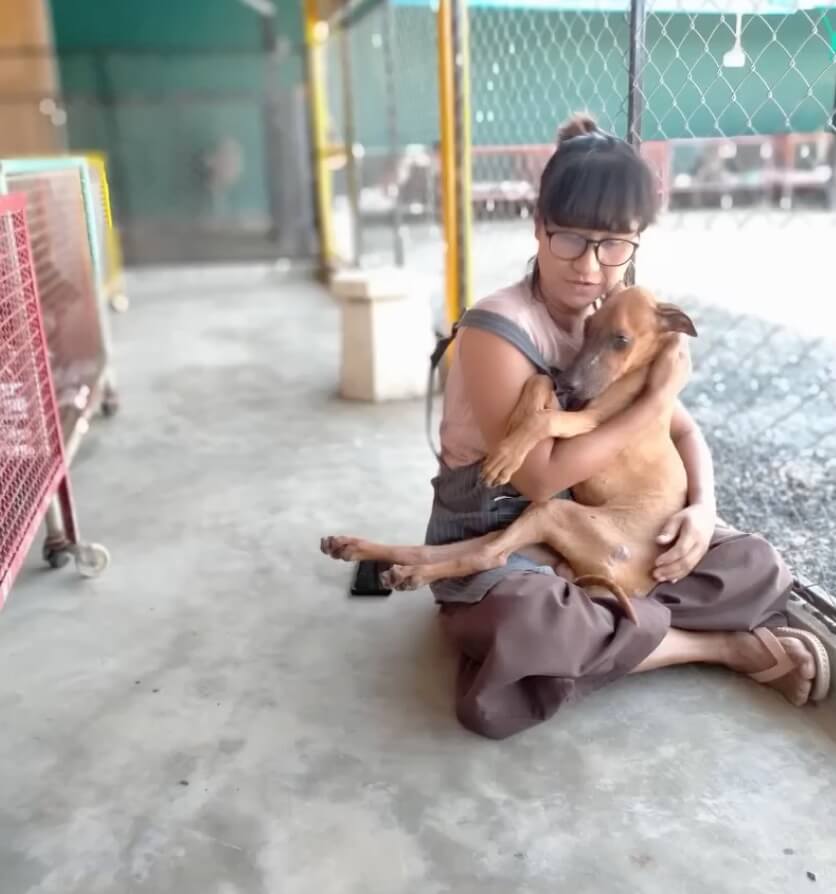
The plumber’s discovery started the response that brought Anow to safety.
A volunteer collected him. Veterinary staff treated him, and caregivers stayed involved as the weeks passed.
Then a family welcomed him.
Anow had arrived needing help to survive. By the end of the account, he had a home where his care could continue.
If his story touched you, consider sharing it to acknowledge the people who notice an animal in trouble and those who keep caring long after the rescue.
Also read:
Bony Tried to Escape Through a Tiny Window. Her Rescuers Helped Her Find a Home With an Open Door


