
Atlas Could Barely Lift His Head. Then His Rescuers Helped Him Stand Again
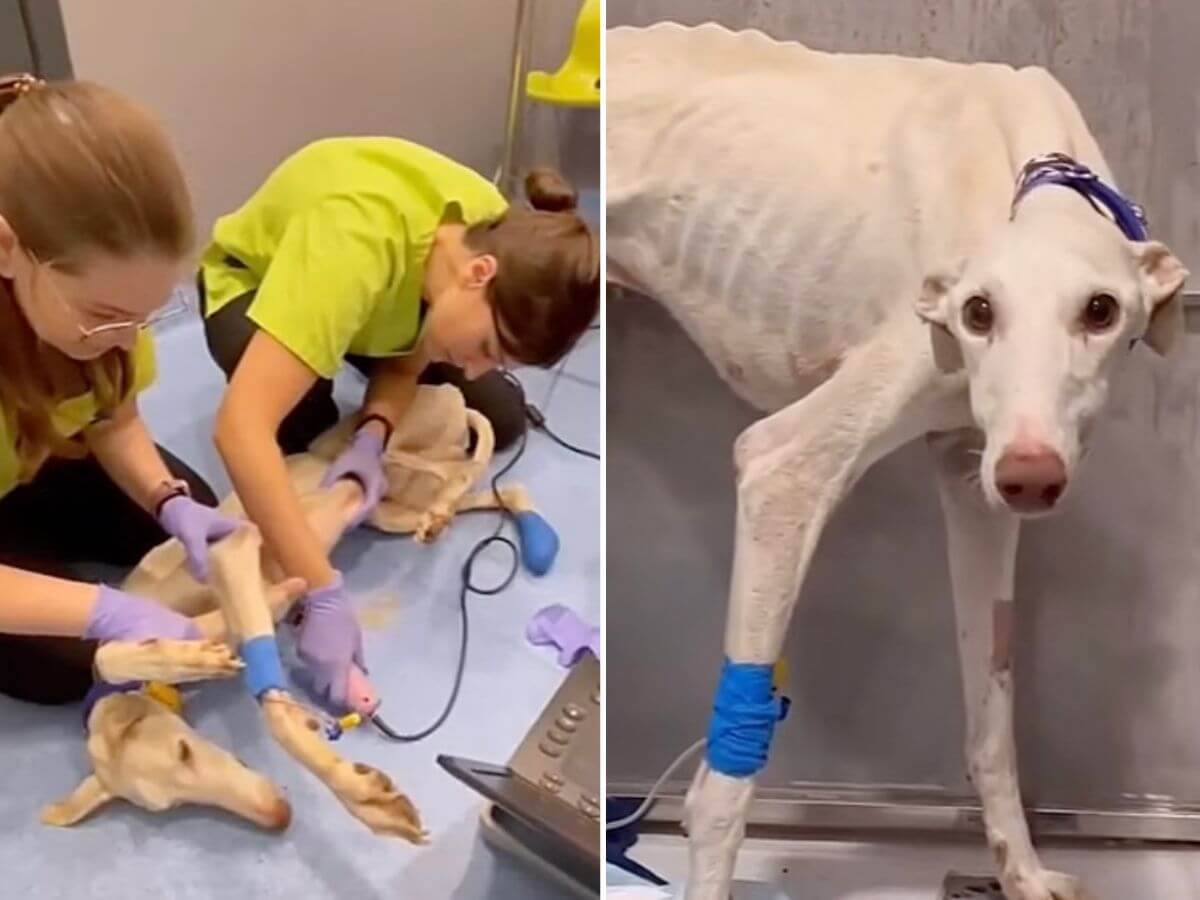
For Atlas, a short walk outside once seemed far beyond reach.
The galgo could barely lift his head. Painfully thin and struggling with an injured leg, he needed help before his caregivers could consider the next stage of treatment.
Small meals, medication and wound care filled his days. His veterinary team watched his condition while working to help him grow stronger.
There were difficult questions ahead, including how much of his injured paw could be saved. Then Atlas began eating better.
Soon, he stood and took a walk.
An Urgent Call Brought Atlas Into Care
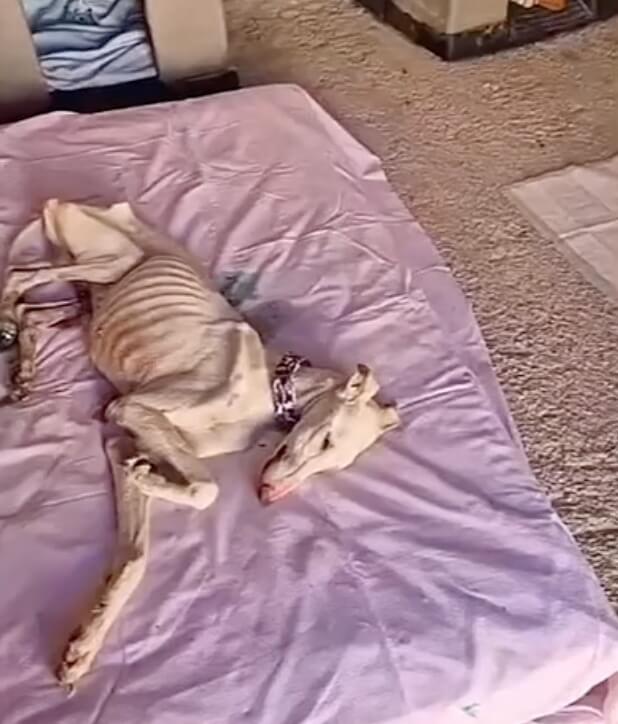
Atlas’s rescue began when Ana in Huesca alerted Galgos del Sol to a dog who needed emergency help.
The organization’s account of Atlas’s rescue records his arrival in September 2026. He was severely underweight and had extensive damage to one leg.
Getting him into care was the beginning. The rescuers describe a dog facing several medical problems at once, including heartworm disease and leishmaniosis.
He was initially too weak for major surgery. His caregivers had to address his immediate needs while helping him regain strength.
As the video’s narration explains, “the rescuers could only take things one day at a time”.
That meant meals, medication and repeated attention to his wound. Before the team could make decisions about surgery, they needed to see how Atlas responded to care.
His Injured Leg Was Only Part of What He Faced
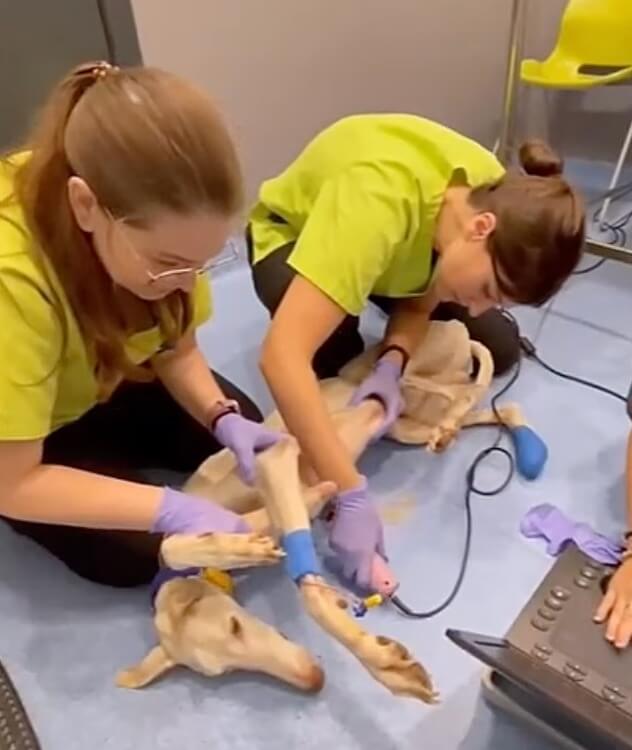
Atlas’s damaged paw was an obvious concern. His diagnoses meant his veterinary care also had to address problems that could not be judged by appearance alone.
According to Merck Veterinary Manual, “In dogs, the disease affects both the skin and internal organs.”
That describes leishmaniosis in dogs generally. It does not establish which organs, if any, were affected in Atlas.
For anyone following a rescue dog’s recovery, this helps explain why looking brighter is only part of the picture. An improving appetite can be encouraging while treatment and monitoring continue.
Atlas’s caregivers kept offering small meals and watching his response. His paw needed attention, but so did the illnesses identified during his care.
Small Changes Led to His First Walks
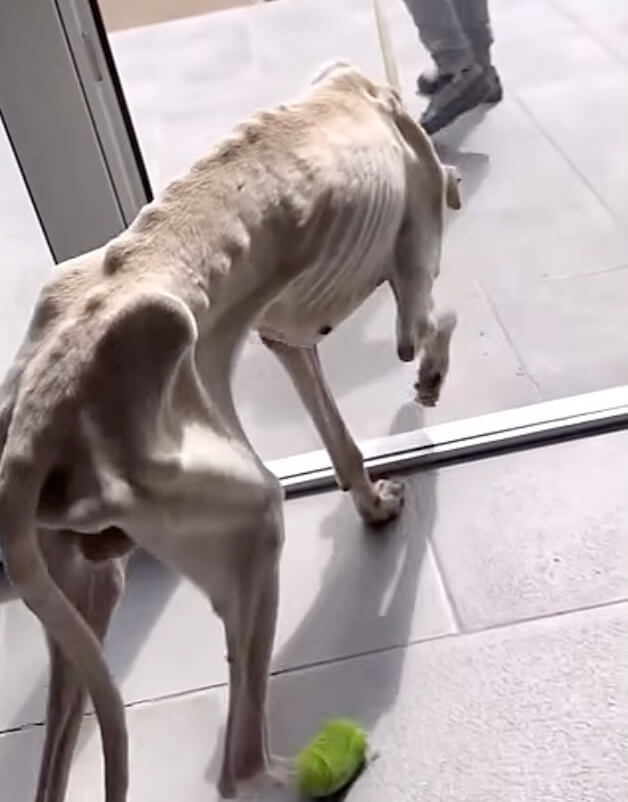
Atlas began eating with a better appetite. Gradually, he found the strength to do more than lie still.
Then he got onto his feet and walked.
For a dog who had struggled even to lift his head, those steps marked a welcome change. The daily care was beginning to show in what he could manage.
His first walks did not mean his treatment was finished. His injured paw still needed attention, and his veterinary team had further decisions ahead.
But Atlas could now get up and spend more time watching the people and activity around him. His days were beginning to include something beyond resting and receiving care.
His Paw Began Responding to Treatment
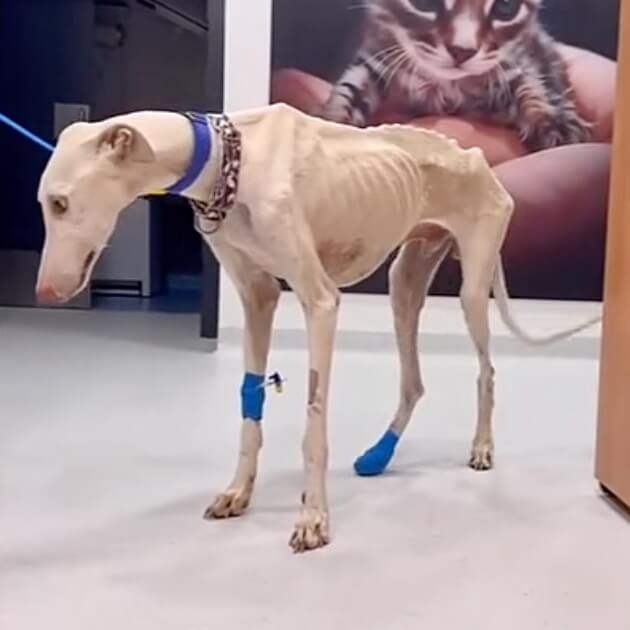
During this stage of Atlas’s recovery, his injured paw began responding better than expected.
The video account describes hope that much of it could be preserved. Some toes might still need to be removed, but his caregivers were considering a more hopeful possibility than losing the entire leg.
The narration captures that change in these words: “we now hope that we might save most of his paw”.
His wound continued to receive attention twice a day. Fresh dressings were part of the work happening between each visible sign of progress.
In its guide to bandage and splint care for dogs, VCA Animal Hospitals notes, “A bandage protects the wound surface from contamination by dirt or debris from the environment.”
That protection helps explain why dressing changes matter alongside the first walks that draw attention in a recovery video.
If you are caring for a pet with a wound, follow your veterinarian’s instructions about dressings and follow-up visits. Atlas’s twice-daily routine reflected his own injury and treatment needs.
Time Outside Became Part of His Days Again
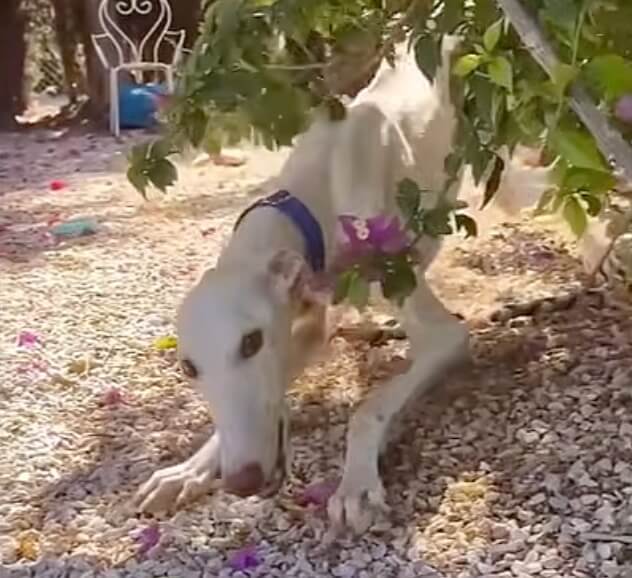
Eventually, Atlas no longer needed his drip.
In the early recovery update published on his rescue page, Galgos del Sol describes him enjoying a sunny walk, receiving fresh bandages and taking his medication. These ordinary activities showed how much his days had changed since arriving for emergency care.
The same update explains that his heartworm treatment had begun, with injections planned once he was stronger. A specialist assessment was also planned to discuss reconstructing his foot.
According to the American Heartworm Society, “Before actual heartworm treatment can begin, your dog’s condition may need to be stabilized with appropriate therapy.”
That guidance gives context to the preparation described in Atlas’s update. His veterinary team would decide when he was ready for each stage.
For Atlas, eating better and walking outside were welcome steps within a longer course of care.
Patient Care Helped Atlas Stand Again
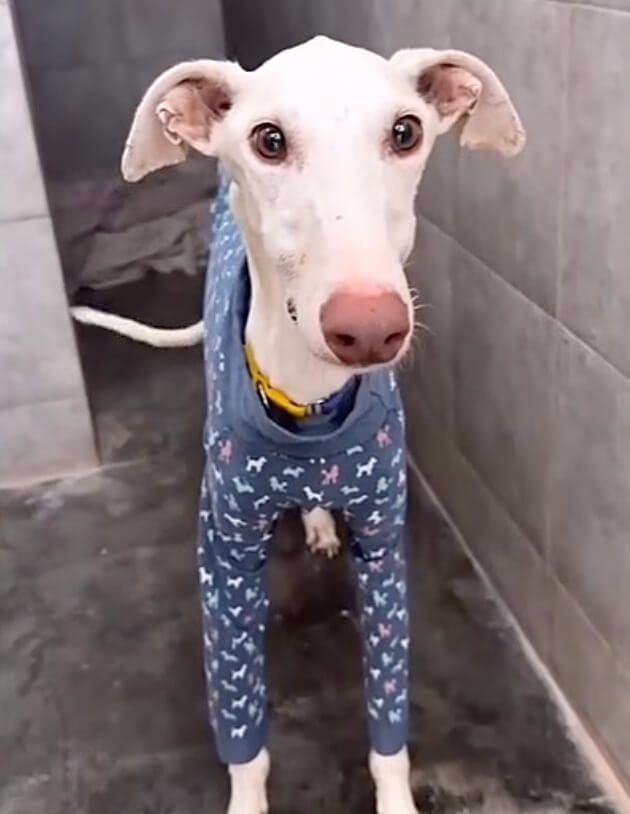
This chapter of Atlas’s story follows his early recovery, from emergency care to getting back onto his feet. At that point, treatment and decisions about his paw were still ahead.
Behind Atlas’s first walks were meals offered, medication given and dressings changed. His caregivers kept meeting those needs while he slowly regained strength.
The dog who had struggled to lift his head could now stand and spend time outside in the sunshine.
If Atlas’s story moved you, consider sharing it to help more readers see the patient care that helped him get back on his paws.
Also read:
A Stranger Covered Dega With a Blanket When She Couldn’t Stand. Three Months Later Came a Reunion


