
Ava Dragged Her Back Legs Along the Street. Later, She Ran Through a Forest in Norway
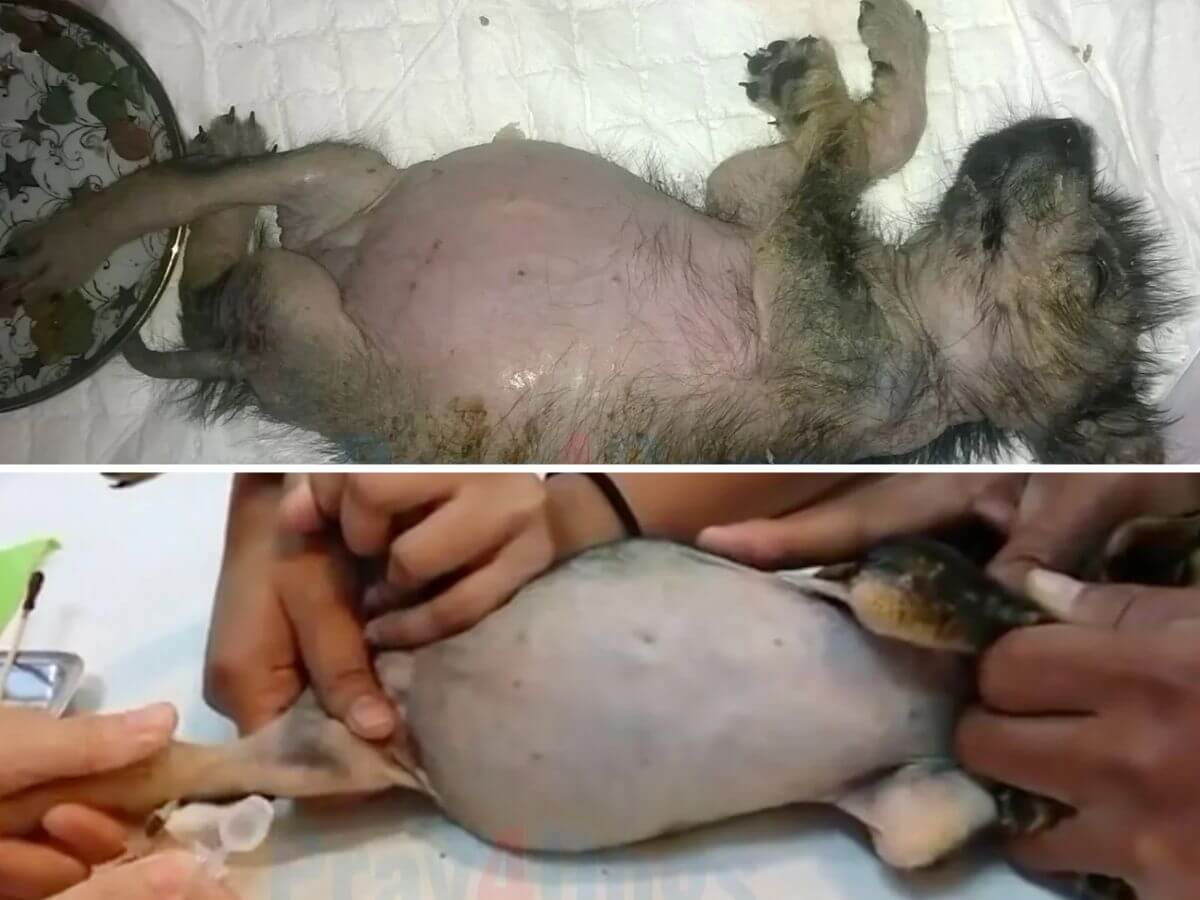
Ava was about six weeks old when she was found alone on the street. She dragged her hind legs behind her, and mange affected her skin.
At the animal hospital, her caregivers learned that her problems went beyond her legs. She needed treatment for a blood parasite, anemia and other health concerns before surgery could be considered.
But as care continued, Ava began showing how much she wanted to play. The little puppy who struggled to move would eventually leave the hospital, recover from surgery and travel to a family waiting for her in Norway.
A Small Puppy With Several Problems to Treat
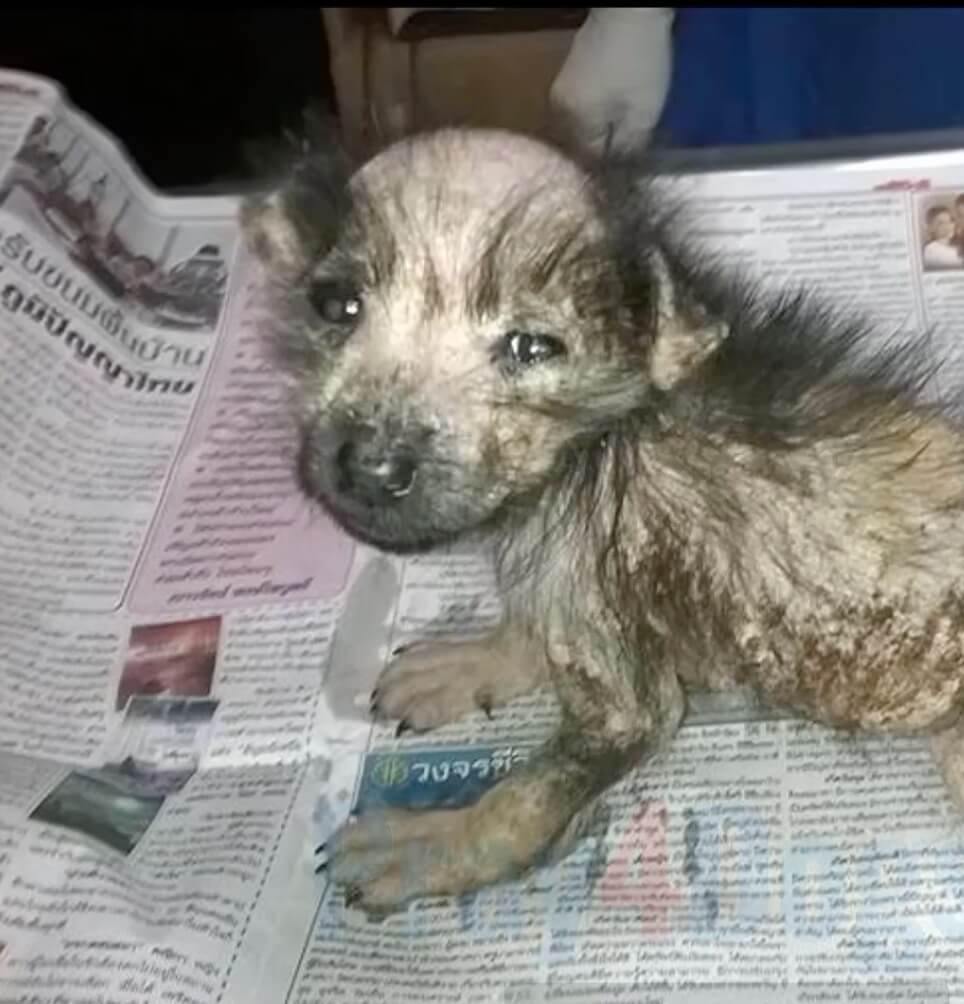
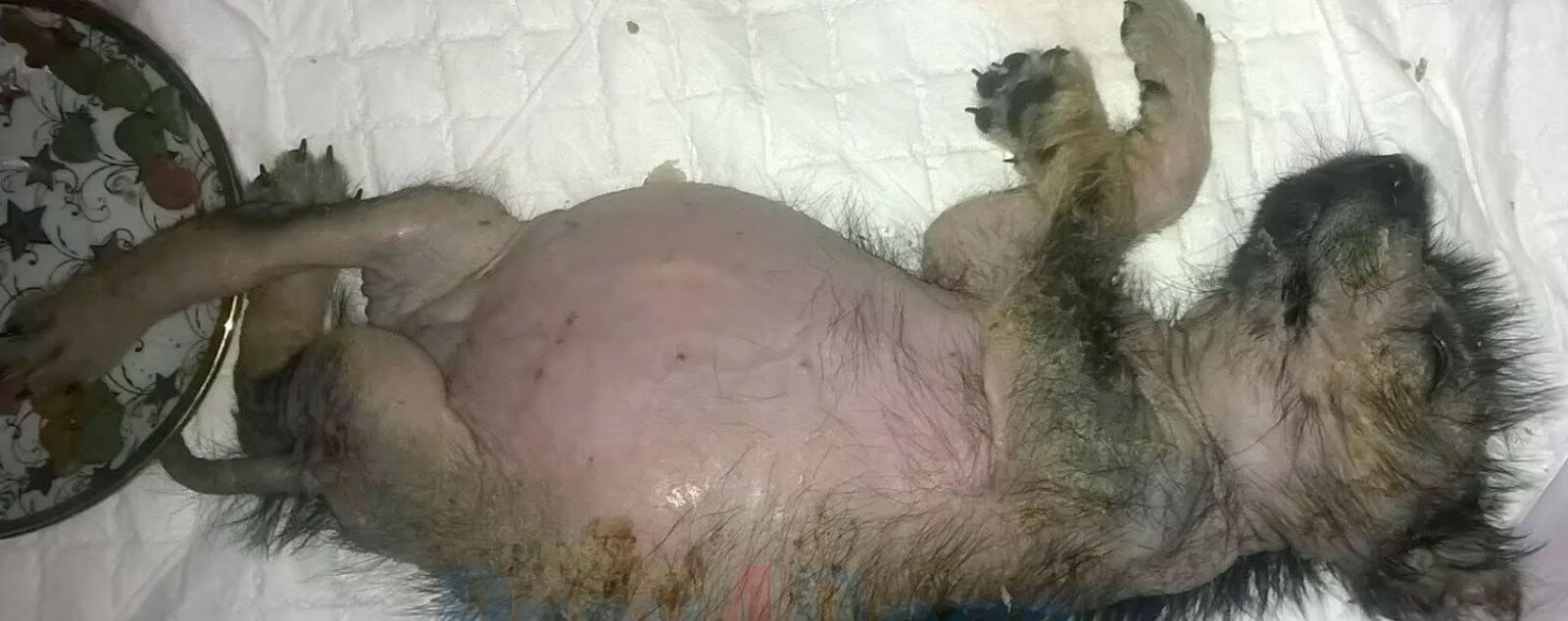
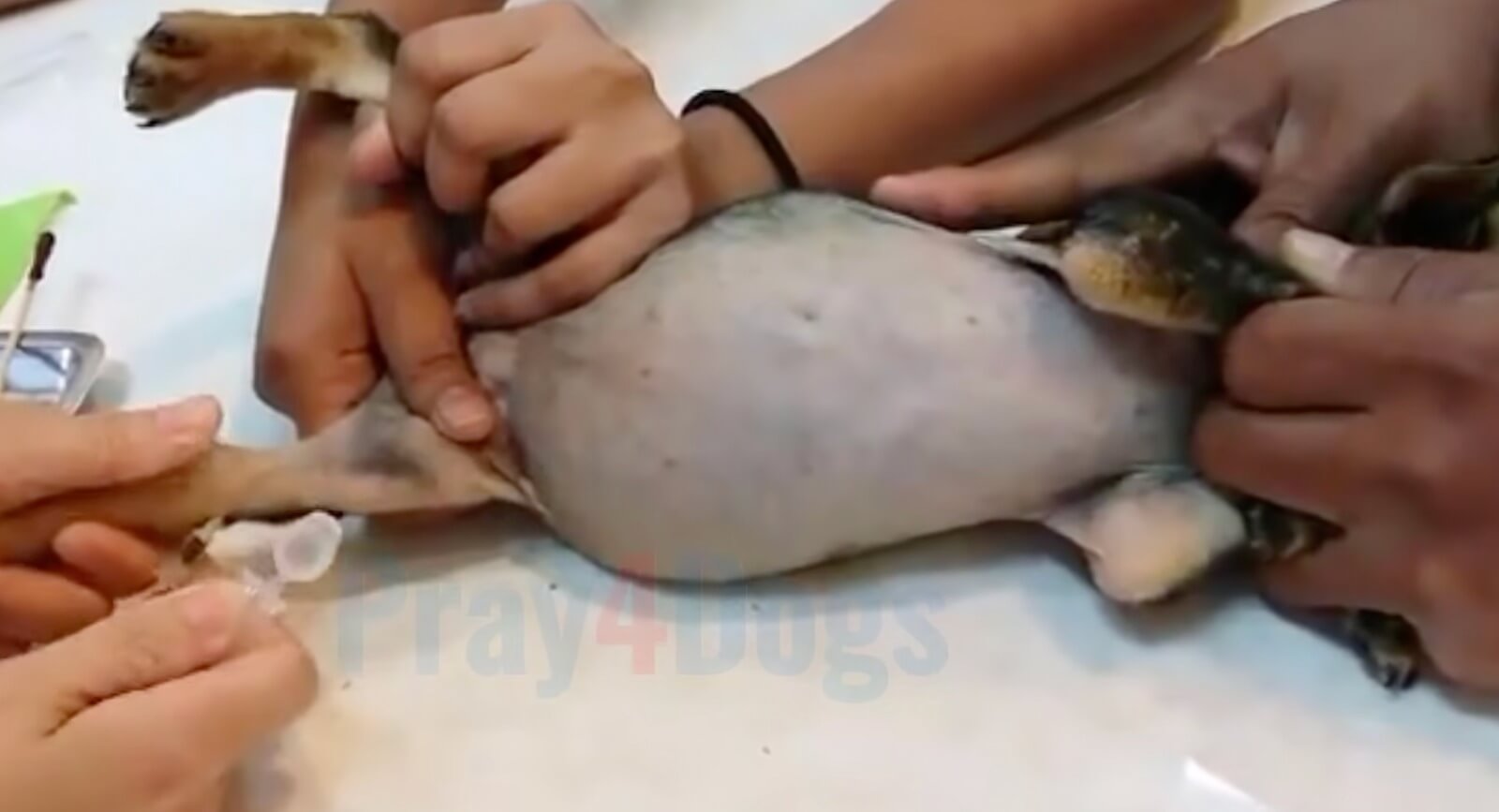
The early updates describe a puppy with poor nutrition, a blood parasite and mange. Her reported veterinary findings also included anemia, low blood protein and ascites, a buildup of fluid in the abdomen.
She remained in the animal hospital while the veterinary team treated her and monitored her progress.
Blood tests were part of that process. Her caregivers reported that her red blood cell levels remained low, and later updates also raised concerns about her platelets.
For pet owners whose pets have anemia, finding out why matters as much as identifying the low blood count.
The Merck Veterinary Manual explains, “A complete medical history is an important part of diagnosing anemia.”
Bring your veterinarian any information you have about your pet’s previous illnesses, medications and symptoms. A rescued puppy may arrive with little history, making examinations and follow-up testing useful.
Ava’s team had several concerns to address. Meanwhile, her appetite and growing interest in play gave her caregivers encouraging moments between appointments.
She Began Playing Before Her Treatment Was Finished
As treatment continued, Ava’s skin began improving. She ate well and became playful.
She also started trying to use her hind legs. Early updates described attempts to stand, followed by progress with walking.
Those movements were encouraging, but they didn’t mean her leg problems had disappeared.
Further assessment identified patellar luxation affecting both hind legs. Her caregivers reported that she would need surgery once she was healthy enough.
The American College of Veterinary Surgeons explains, “Patellar luxation (dislocation) is a condition where the kneecap rides outside the femoral groove when the knee is flexed.”
In everyday language, the kneecap slips out of the groove where it normally moves. If your dog skips steps, holds up a hind leg or struggles to walk, ask your veterinarian to assess the cause.
For Ava, identifying the knee condition gave her team something to plan for. First, they needed to improve her overall health.
Her Playful Side Kept Appearing
Hospital care continued while Ava received treatment for her skin and ear problems and underwent further blood checks.
One rescue update explained, “She needs to stay in the hospital until she will be stronger enough.”
There was no fixed date for her operation. Her readiness would depend on how she responded to treatment.
During visits, Ava gave her caregiver plenty to smile about. She played, accepted treats and learned to sit.
Her coat began growing back around her neck. Later updates described it becoming soft and silky as her skin improved.
She was growing, too. The tiny puppy was getting taller, enjoying her meals and looking for someone to play with.
At one point, her red blood cell and platelet results were still too low for her to leave. Her cheerful behavior was welcome, but the veterinary checks continued to guide decisions about her care.
Ava Finally Left the Hospital
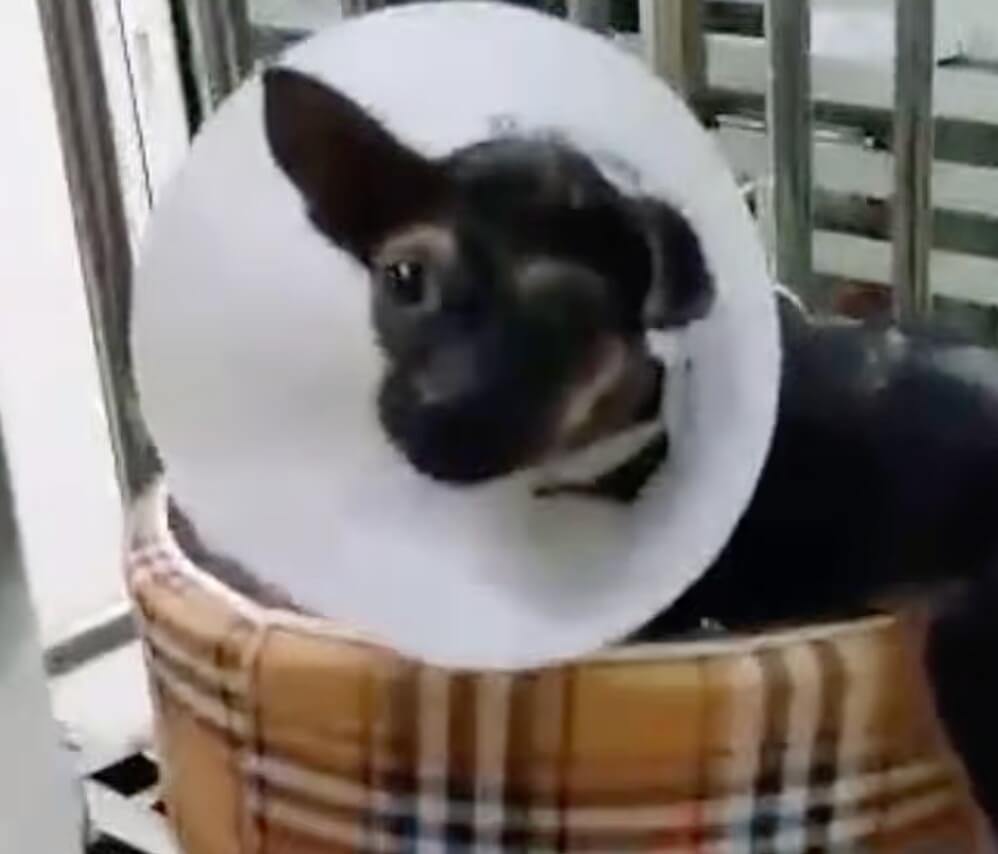
Eventually, an update brought the news her caregiver had been waiting for. Ava’s blood results had improved enough for her to leave the hospital.
She went home with her caregiver while preparations continued for surgery.
After so much time receiving treatment, she could spend her days in a home. She wore a new collar and T-shirt, enjoyed playing fetch and sought company.
Her next step was the operation.
A later update reported that Ava’s right-leg surgery had gone well. During recovery, she remained eager to move, so her caregiver watched her closely.
Getting a playful puppy through recovery brought its own challenges.
Keeping a Playful Puppy Quiet Took Care
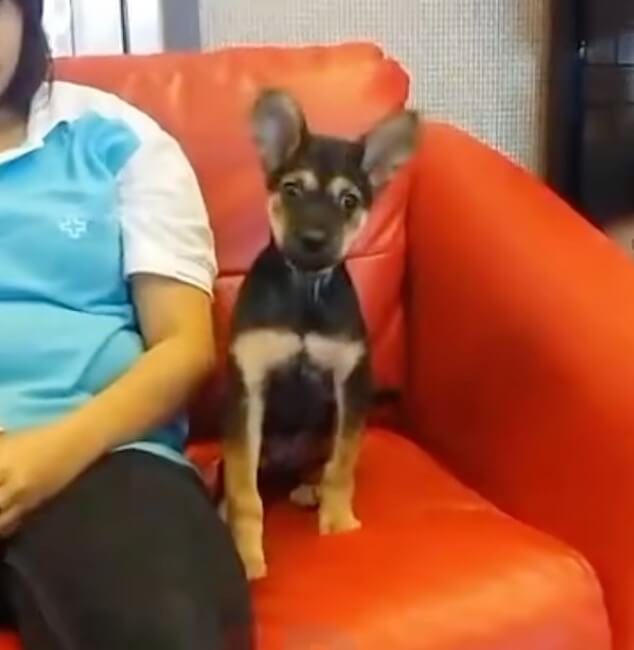
Ava wanted to jump, even while wearing a splint. After the splint was removed, her caregiver continued monitoring her activity and her play with another dog, Angel.
For pet owners caring for a dog after surgery, a return of energy can be reassuring. It doesn’t establish that the operated area is ready for normal activity.
PDSA advises, “Unless your vet says it’s okay to exercise your dog, keep walks to an absolute minimum and always on a lead.”
Follow the surgeon’s instructions about rest, play and rehabilitation. Ask before increasing activity, even when your dog seems determined to do more.
Ava’s care continued through follow-up visits and medication. A later skin test brought encouraging news, though her caregiver explained that treatment still needed to continue.
She also began practicing walking on a treadmill.
She had come a long way from dragging herself along the street. Now, she was growing, playing and working toward a more active life.
A Family Was Waiting in Norway
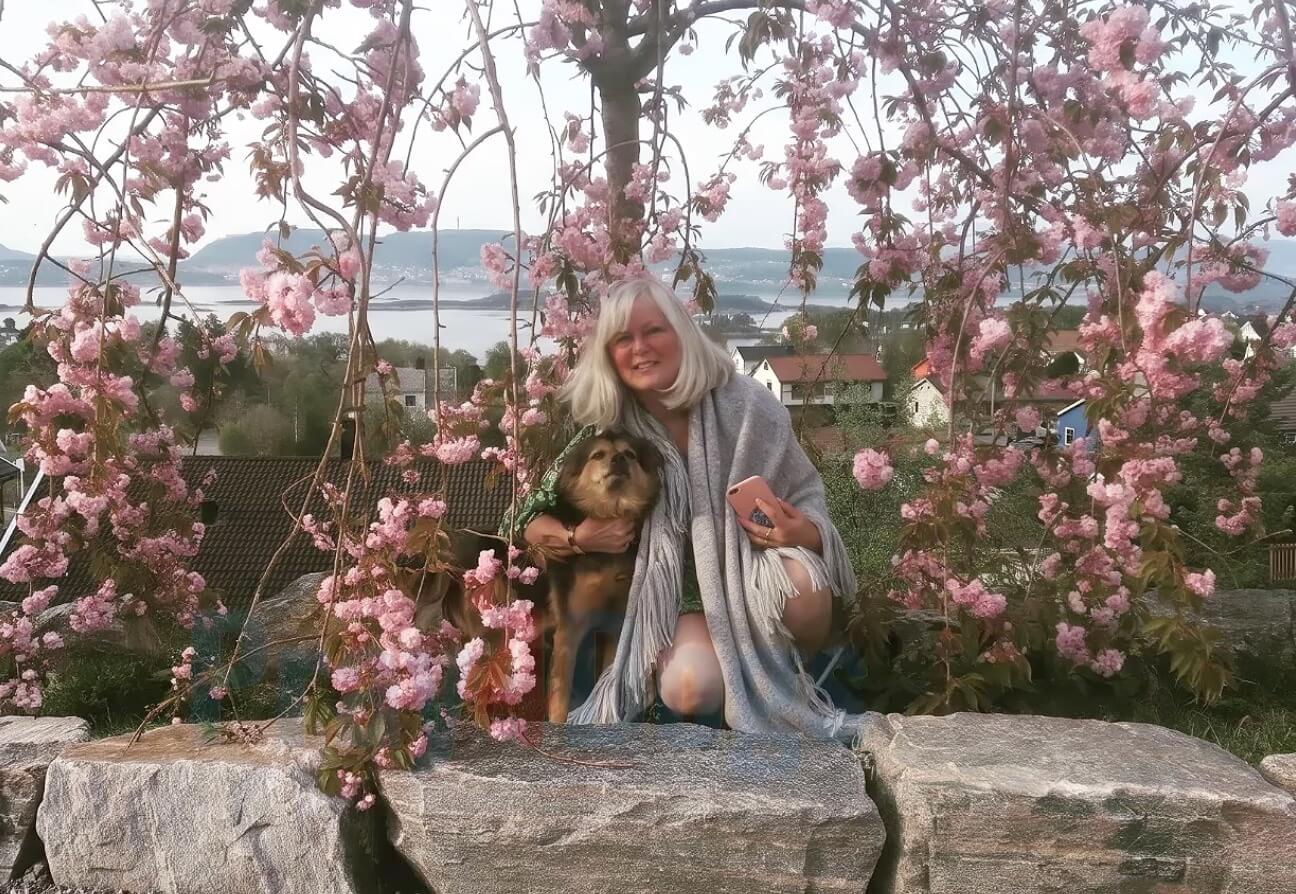
Then came news of a permanent home.
The rescue account identified Ava’s adopter as Terri Stapleford Fylling in Norway. Preparations began for her flight and the next part of her life.
Her caregiver had seen her through hospital stays, repeated tests and surgery. Saying goodbye meant sending her toward the home that care had helped make possible.
As departure approached, the farewell included a few simple words, “Love you my little daughter.”
Later updates described Ava arriving in Norway, calm and curious during her first experiences there.
Soon, she was running through the forest with Daisy and crossing a stream for a drink.
She had a family, a canine companion and places to discover.
From Hospital Visits to Life With Her Family
Ava’s recovery involved far more than a change in her coat.
She needed treatment before she was ready for surgery, close attention afterward and someone willing to keep bringing her back for checks. Along the way, her appetite, games and eagerness for company gave her caregivers glimpses of the life ahead.
The account closes with Ava living with her family in Norway.
The puppy who once struggled along the street was running through the forest with another dog beside her.
If Ava’s story touched you, consider sharing it to acknowledge the caregivers, veterinary teams and adopters who help rescued animals reach a home of their own.
Also read:
Molito Was Too Weak to Be Bathed. Then His Rescuers Saw the First Signs of Hope


