
Best Cat Breeds for First-Time Cat Owners: What Actually Makes a Cat Easy to Live With

When I brought my first cat home, I thought I had done everything right.
I read breed descriptions, bought toys, and cleared a corner of my apartment.
What I did not understand yet was this: A first cat does not test your love for animals. It tests your routines.
That lesson became obvious as I watched friends struggle with cats that did not fit their daily lives. Late-night energy bursts. Stress over litter habits. Guilt over missed playtime. None of it came from bad intentions. It came from mismatched expectations.
That is why the best cat breeds for first-time owners are not about looks or trends. They are about real life. Sleep schedules. Noise tolerance. Work hours. Space. How much patience you have after a long day.
This guide focuses on what actually makes a cat easier to live with during the first year. You will learn how temperament, energy levels, grooming needs, and health predictability shape everyday life, so you can choose a cat that fits your home before problems start.
Here is why choosing wisely at the beginning changes everything.
What “First-Time Friendly” Really Means at Home
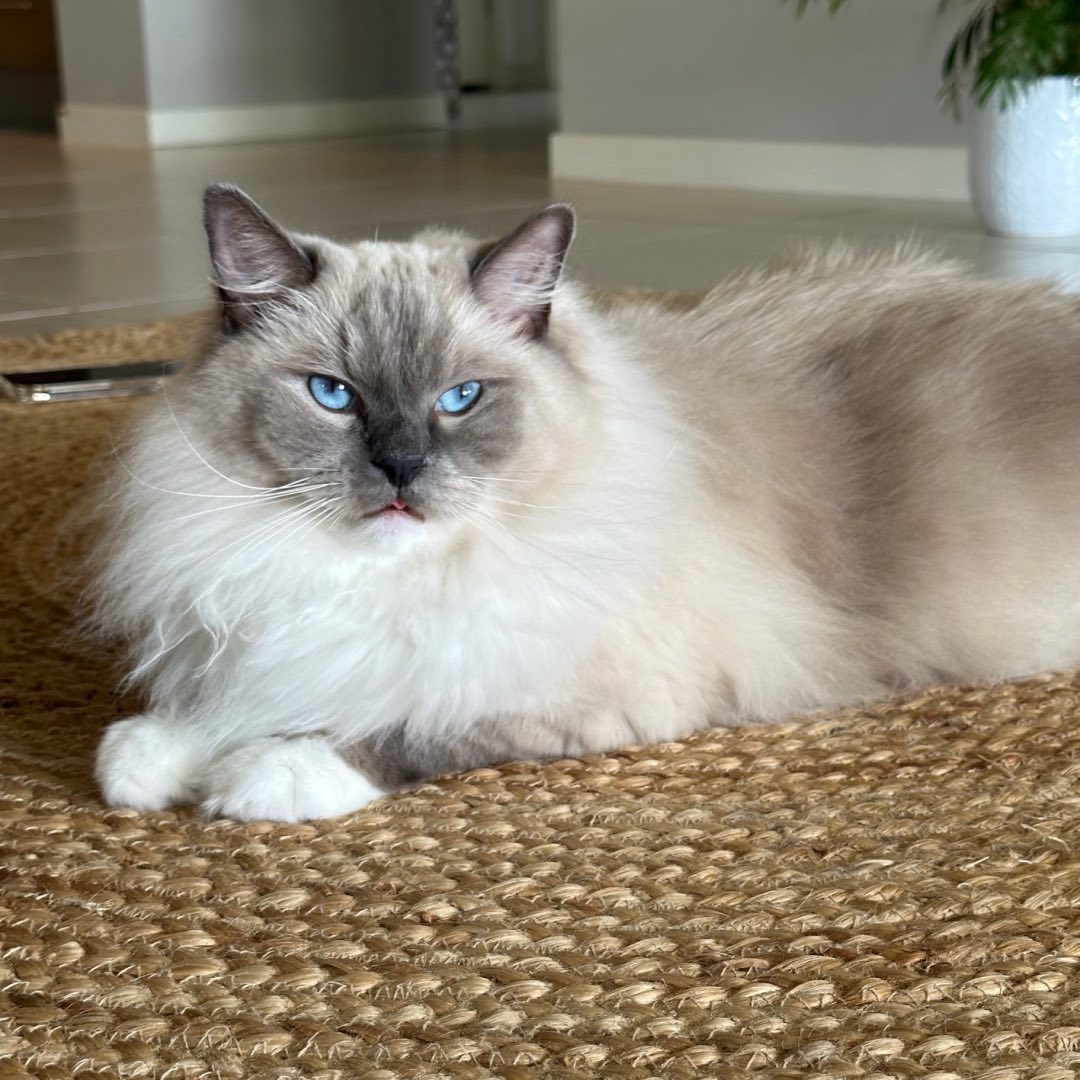
A cat that works well for a beginner is not perfect.
It is predictable.
In real homes, first-time friendly cats tend to respond to change without panic. They recover from small mistakes. They do not rely on constant attention to stay settled. They accept everyday handling without escalating into stress.
I saw this clearly in small apartments. Calm cats adjusted within days. Reactive cats stayed tense for weeks.
The difference was not care or love. It was fit. Breed tendencies help here, not as promises, but as early signals.
A cat that tolerates routine shifts is easier to live with when work hours change.
A cat that self-soothes keeps nights quieter.
A cat that accepts grooming lowers stress before problems start.
If you are choosing your first cat, pause and picture a normal weekday. Not your best day. Your average one. The right match feels manageable even then.
Once you start thinking this way, your priorities change fast.
That brings us to temperament.
Temperament Comes Before Everything Else
Temperament shapes every interaction you will have with your cat.
Some cats react instantly. Others pause and assess.
For first-time owners, that pause matters.
Cats with steadier temperaments recover faster after disruptions. A missed play session. A loud visitor. A late meal. These cats return to baseline instead of staying unsettled, which makes daily life smoother for beginners.
Veterinary behavior guidance supports this approach. The MSD Veterinary Manual explains that cats thrive when their environment supports safety, routine, and controlled interaction. This idea sits at the center of what it calls the five pillars of a healthy feline home, linking temperament with predictable surroundings and calmer behavior over time.
Here is something you can test immediately.
When meeting a cat, notice how it reacts after a mild surprise. Drop your keys. Shift your position. Step back. Calm cats reset quickly and re-engage without tension.
That reset tells you more than playfulness ever will.
Once temperament feels right, energy levels decide how well that match lasts.
Energy Levels and the Reality of Playtime
Most first-time owners overestimate how much play they can offer.
I have seen it happen again and again. People plan two long play sessions every day. Work runs late. Dinner stretches on. Life interrupts. Cats notice.
Cats with moderate energy usually adapt better to real schedules. They enjoy play and engagement, yet they settle without unraveling when a session gets skipped. High-energy cats can thrive too, but only when routines stay consistent and stimulation is reliable.
The Cornell Feline Health Center explains that play lets cats express natural behaviors and helps prevent boredom-driven problems like scratching and litter box trouble. That detail matters because energy mismatches often show up as behavior issues, not stubbornness.
Here is a quick reality check you can try tonight.
Set two short play windows. Five minutes each. Use wand toys. End with food.
If your cat relaxes and rests afterward, the energy match is likely solid.
If your cat stays restless, vocal, or destructive, energy needs may be higher than expected. That is not a failure. It is information you can use.
Energy levels shape daily harmony.
Grooming tolerance shapes long-term comfort.
Grooming and Shedding Without the Panic

Hair length does not predict grooming effort.
Tolerance does.
I have watched short-haired cats resist brushing and long-haired cats lean into it. For first-time owners, the cat’s response to handling matters far more than coat type.
Cats that accept early, gentle handling save their owners stress later. Brushing becomes a quiet routine instead of a struggle. That helps control shedding and supports skin health before problems start.
The ASPCA’s general cat care guidance highlights consistent grooming routines, appropriate scratching options, and clean litter areas as basic foundations for a calm household. These habits sound simple, yet they prevent many of the frustrations new owners face in the first year.
Here is a small-space habit that works well.
Brush your cat near the litter area once a day. Cats already expect routine contact there. Over time, this builds tolerance without tension.
If grooming feels manageable early on, confidence follows.
That confidence matters when health decisions come into play.
Health Stability and Vet Predictability
The first year shapes trust.
Cats with fewer known inherited risks often need fewer surprise vet visits early on. That matters for budgets, scheduling, and peace of mind, especially for first-time owners still learning what is normal.
The American Animal Hospital Association outlines what first-year feline care usually includes, such as early exams, vaccines, parasite prevention, and spay or neuter planning. That structure gives beginners a clear path forward so care never feels rushed or uncertain.
This approach lines up with the AAHA and AVMA feline preventive healthcare guidelines, hosted by the American Veterinary Medical Association, which support routine wellness exams as a steady baseline for healthy cats.
When owners know what to expect, they stay consistent with care.
Consistency helps cats stay settled and reduces stress for everyone involved.
With health expectations in place, breed tendencies start to make more sense.
Breeds That Tend to Fit First-Time Homes Well
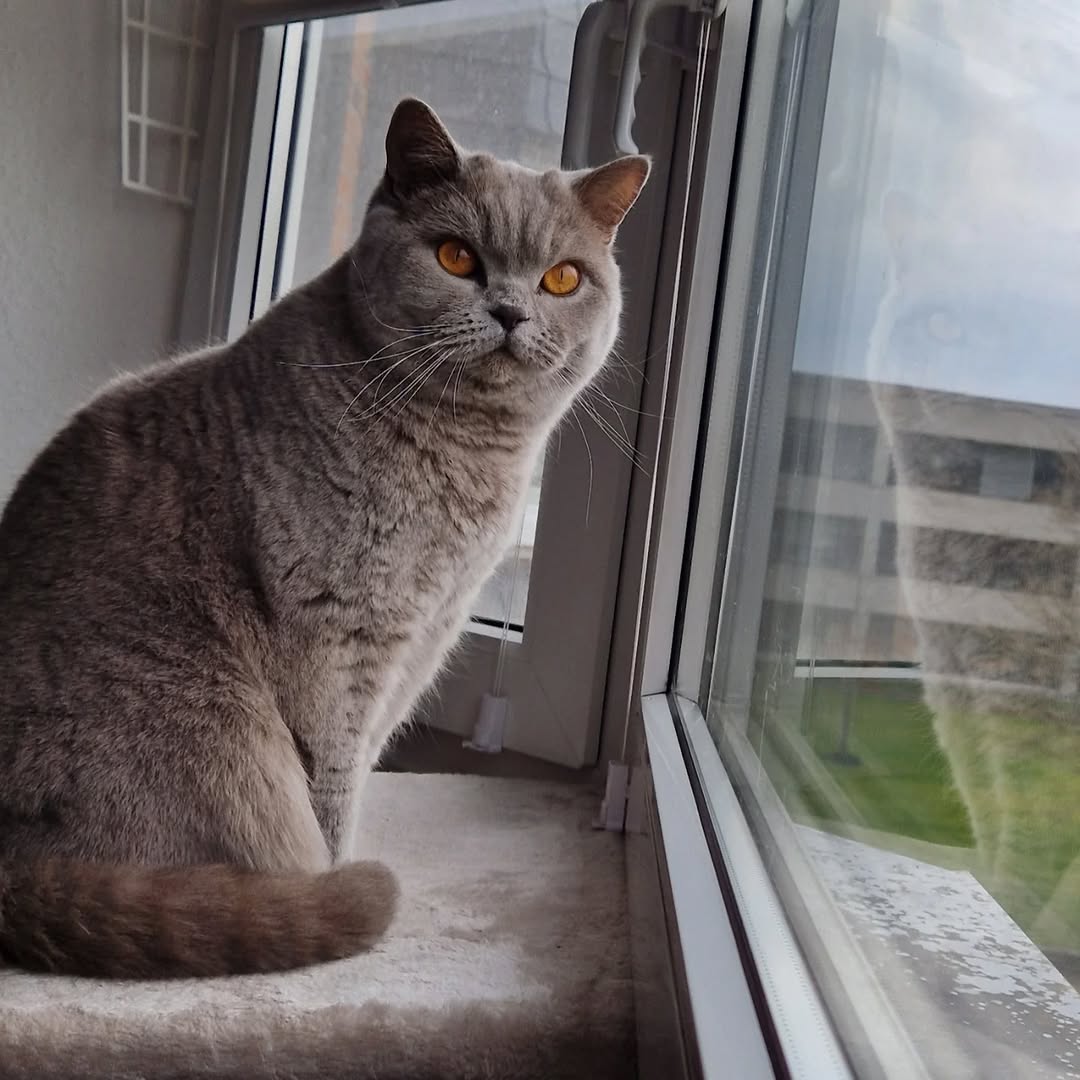
Some breeds share patterns that work well in beginner households.
Calm companion breeds often prefer being near their people without needing constant engagement. Cats like Ragdolls or British Shorthairs tend to settle easily and fit quieter homes or work-from-home routines.
Independent but affectionate breeds enjoy contact without clinging. American Shorthairs and similar types often handle alone time well while still showing steady affection in the evenings.
Low-reactivity household cats adapt faster to everyday changes. Breeds such as Burmese or Exotic Shorthairs are often described as tolerant of visitors, routine noise, and small layout shifts.
Breed descriptions are starting points, not promises.
They help narrow choices, not replace observation.
That is where genetics adds context. The University of California Davis Veterinary Genetics Laboratory explains that inherited traits and certain health conditions can follow breed lines, and that genetic testing exists for cats. This helps owners make informed decisions while remembering that personality still leads.
Once breed tendencies and health needs feel clear, adoption choices become easier.
That brings us to how to choose the right cat, not just the right label.
Adoption Versus Breed Labels for Beginners
Labels help. Behavior decides.
Shelter cats often come with observed temperament notes. That real-world insight often says more than breed labels alone. Asking how a cat reacts to noise, handling, and routine changes gives clarity fast.
Guidance from feline care professionals supports slow, staged introductions during adoption. Transition rooms and gradual exposure reduce stress and help cats adjust with less fear, which is especially helpful for first-time owners.
Here is what matters most in the moment.
Does the cat recover after small disruptions? Does it relax once space is respected? Those answers guide better than names on paper.
Next steps stay simple.
Ask questions. Trust behavior. Prepare space.
Once adoption feels grounded, the home itself does the rest of the work.
Preparing Your Home Before Day One
A calm start prevents most problems.
Set up one quiet room with food, water, litter, a scratcher, and a hiding spot. Keep it plain. Predictability lowers stress more than stimulation at this stage.
I have seen cats settle within days when owners resisted the urge to introduce the full home too quickly. When space feels safe, curiosity follows naturally.
Here is a first-day habit that helps.
Sit quietly in the room without reaching. Let the cat approach on its own terms. That early choice builds confidence faster than attention ever will.
Once the environment feels safe, behavior stays steadier.
That is why small missteps matter less than people think.
Common First-Time Mistakes That Create Unhappy Cats
Most issues are accidental. Such as:
- Handling too soon overwhelms shy cats.
- Skipping play builds frustration.
- Changing food too fast leads to stomach upset.
- Ignoring body language weakens trust.
These are not failures. They are signals.
Cats respond quickly when routines stabilize. Slowing down, restoring play, and respecting space often correct issues without drama. Early awareness prevents small problems from becoming habits.
When temperament, energy, health expectations, and environment align, daily life feels easier for both sides.
That is the real goal of choosing the right first cat.
Closing Thoughts
Choosing your first cat is less about finding the “best” breed and more about choosing a match that fits your daily life.
When temperament aligns with your routines, energy levels match your schedule, and care needs feel manageable, everything becomes easier. Play feels enjoyable instead of stressful. Grooming turns into a quiet habit. Vet visits feel planned, not urgent.
Mistakes will still happen. That is part of learning. What matters is starting with realistic expectations and a home that feels safe and predictable from day one.
If this is your first cat, trust the process. Observe behavior. Move slowly. Let routines build naturally. The right match does not demand perfection. It meets you where you are and grows with you over time.
That is how first-time owners become confident cat people, one calm day at a time.
Also read:
Best Cat Breeds for Small Apartments
Maine Coon vs Ragdoll: Which Cat Breed Is Easier to Live With?


