
Best Cat Breeds for Small Apartments and How to Choose the Right One for Your Space
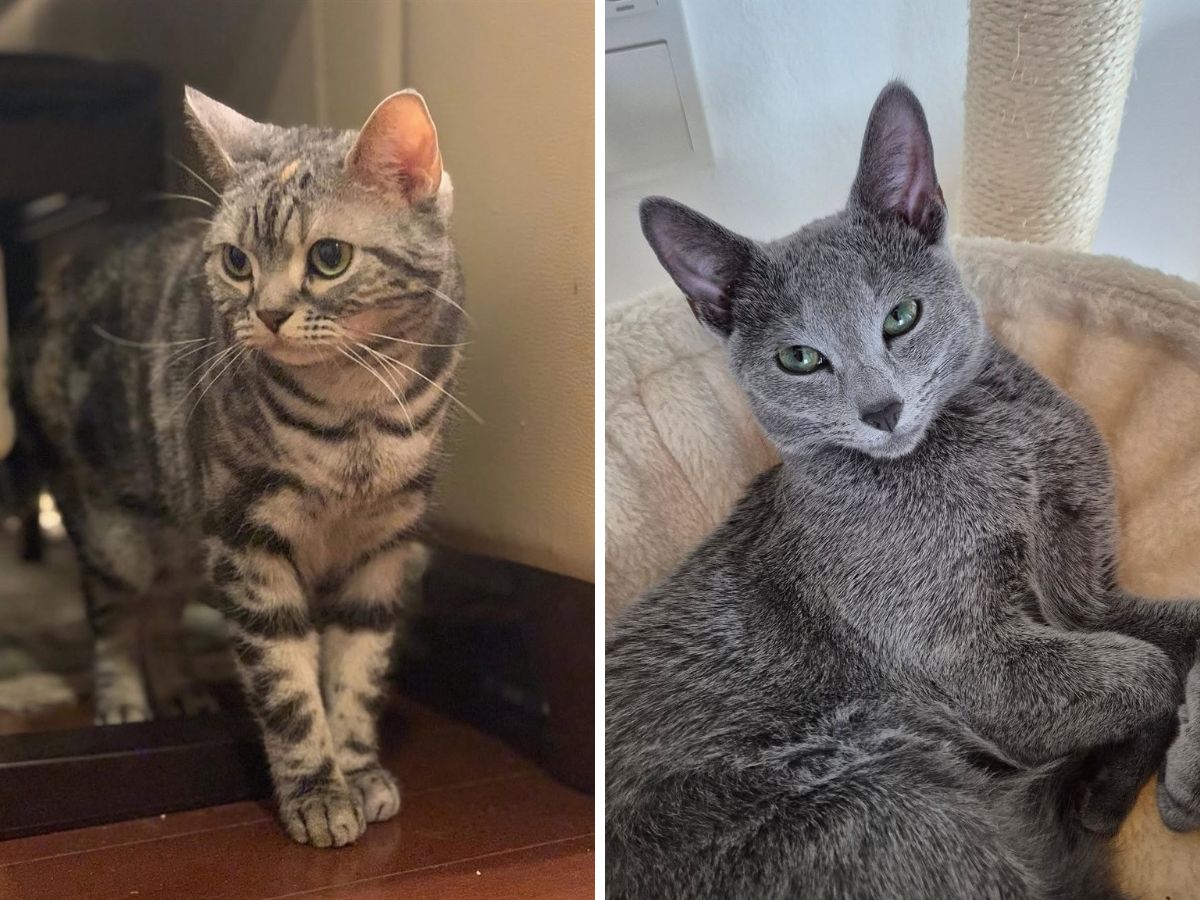
Living in a small apartment does not mean giving up on the idea of sharing your life with a cat. I learned that the hard way when I moved from a roomy place into a compact apartment with thin walls and very curious neighbors.
Space changed everything. My routine changed. My cat’s behavior changed. And I realized something fast. Apartment living does not reward guesswork.
In a small space, the wrong cat choice shows up quickly. Nighttime noise. Scratched furniture. Restlessness that never settles. The right choice feels different. Calm evenings. Predictable routines. A cat that fits the rhythm of your home instead of fighting it.
Here is why breed traits, daily habits, and environment matter more than square footage, and how you can use that knowledge to choose a cat that actually thrives in an apartment, not just survives it.
What Apartment Living Feels Like to a Cat
Cats experience space through territory, not floor plans. In a small apartment, sound, movement, and routine collapse into a tight loop. Doors open and close more often. Footsteps echo.
There are fewer places to retreat. For the right cat, this feels secure. For the wrong one, it creates constant pressure.
That pressure shows up in subtle ways. Overgrooming. Scratching furniture that never bothered them before. Meowing at odd hours. These are not behavior problems. They are signals.
Veterinary behavior guidelines from the American Association of Feline Practitioners and the International Society of Feline Medicine explain that cats need vertical territory, predictable routines, safe resting areas, and places to scratch to stay calm indoors.
In small apartments, those needs carry more weight because there is less room for error. You can read the full feline environmental needs guidelines published in the Journal of Feline Medicine and Surgery for deeper context.
Here is a quick check you can do today. Stand in your apartment and count how many places your cat can go that are off the floor, quiet, and undisturbed. If the answer is one or none, apartment stress has nowhere to drain.
Apartment success is not about having more room. It is about shaping the room you already have in ways that make sense to a cat.
That leads straight to temperament.
Temperament Is the Real Deal Breaker
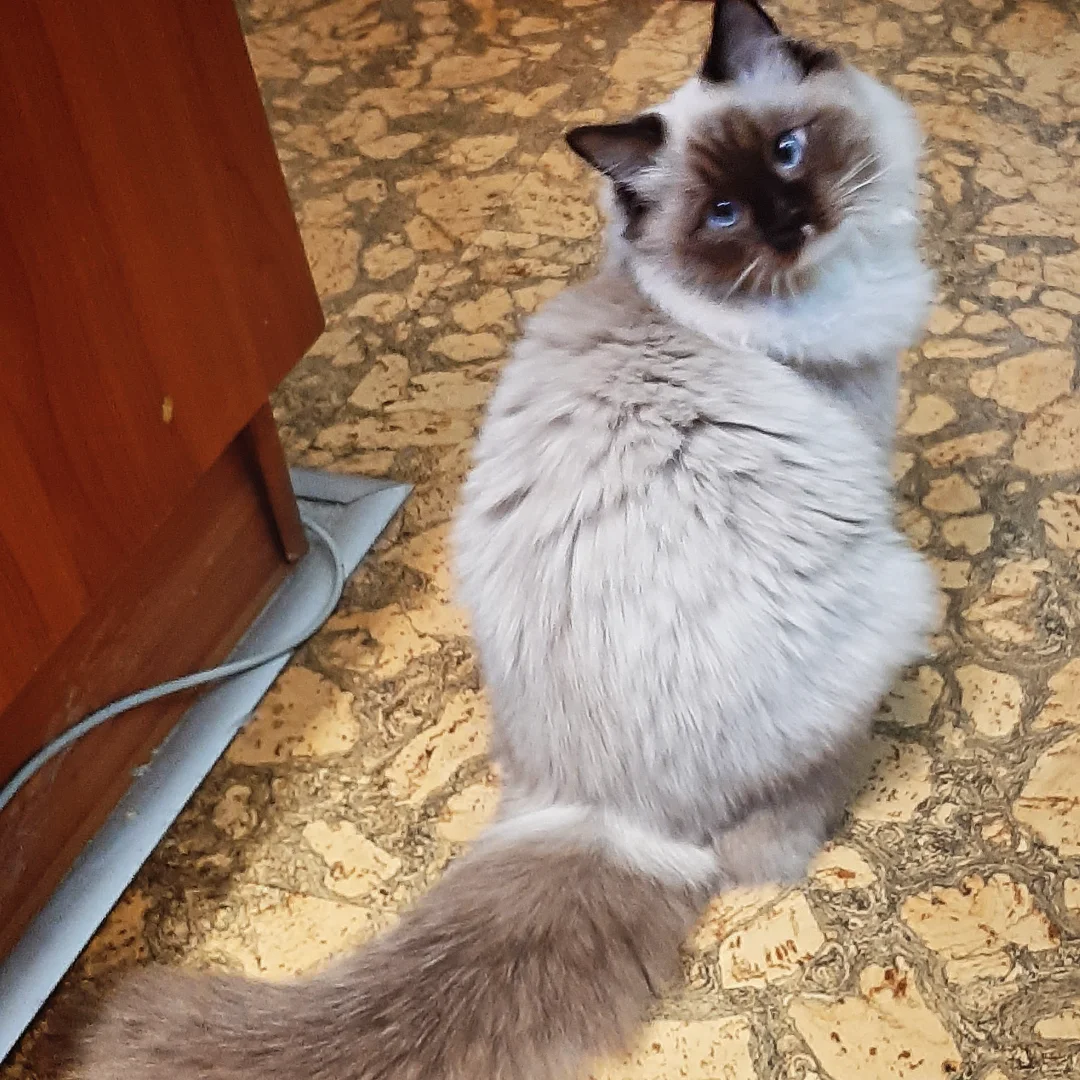
Some cats handle closeness well. Others do not. In apartments, that difference shows up quickly.
Calmer, people-oriented breeds often adapt better to shared spaces.
Ragdolls tend to stay relaxed even when humans move around frequently. British Shorthairs often enjoy being nearby without needing constant attention. Birmans usually tolerate routine and quiet evenings without turning restless.
In contrast, highly alert or high-drive cats may struggle with the same setup. They are not difficult cats. They simply need more outlets than a small apartment can easily provide.
Research published in Scientific Reports examined heritable behavior traits in cat breeds and found measurable differences in activity, sociability, fearfulness, and aggression. These patterns help explain why some breeds settle into apartment life more smoothly than others, even when raised indoors.
Here is a simple temperament check that works better than guessing. If a cat regularly chooses to sit near people without demanding interaction, that trait usually translates well to apartment living. Cats that need constant stimulation often push back against small spaces.
Next comes energy.
Energy Levels and What They Look Like Indoors
Energy does not always mean chaos. The problem is unmanaged energy in a confined space.
Some cats play hard, then rest. Others pace, vocalize, and climb when their needs are not met. In apartments, the difference feels dramatic.
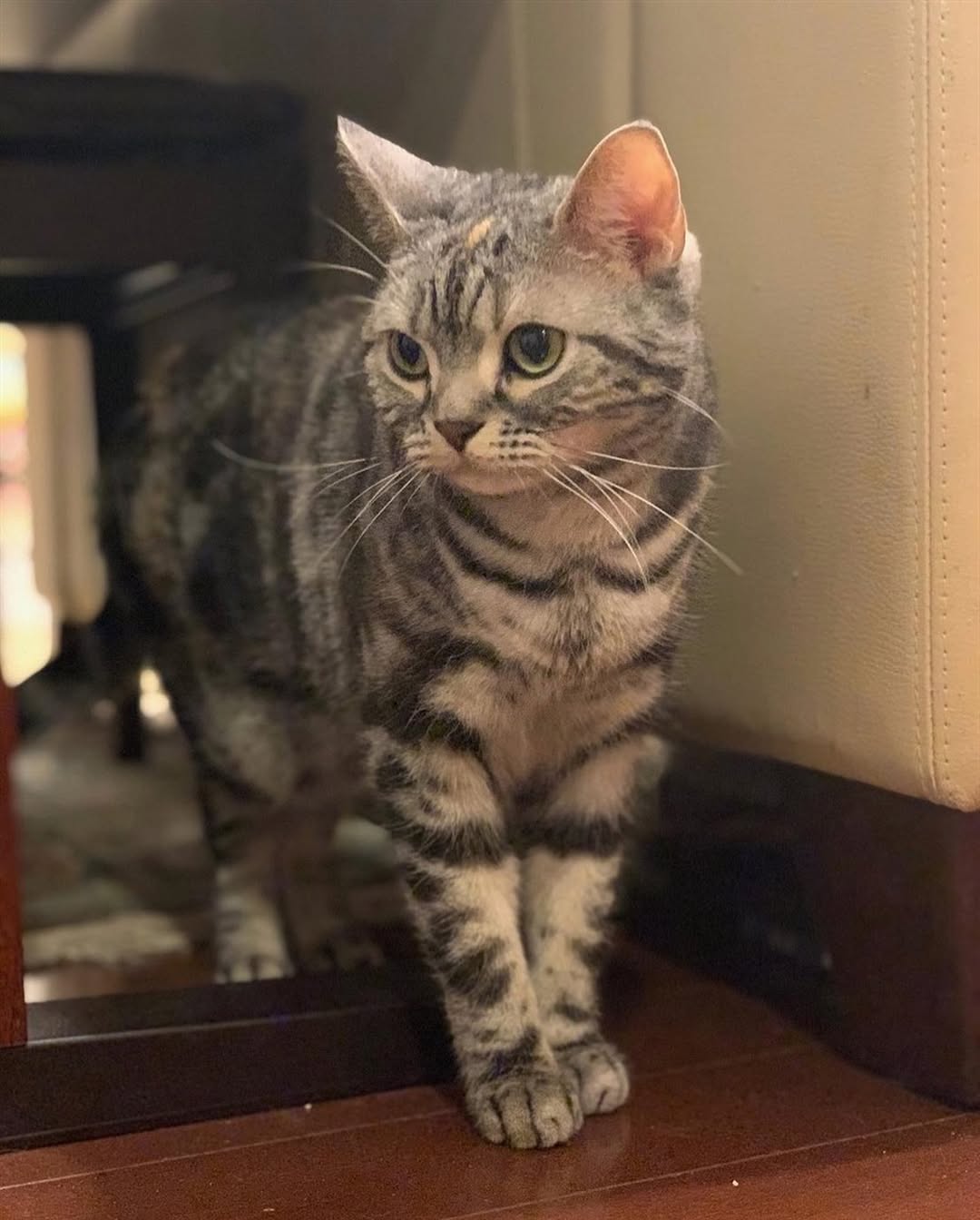
American Shorthairs often show moderate energy with predictable play cycles. They respond well to short, focused sessions. Persians and Exotic Shorthairs usually lean toward quieter routines and longer rest periods. Russian Blues often balance play and calm, staying engaged without becoming overstimulated.
When I lived in a one-bedroom apartment, I learned this lesson quickly. Shifting playtime earlier changed everything. Ten focused minutes with a wand toy before dinner reduced nighttime zoomies more than adding toys or rearranging furniture ever did.
Indoor enrichment plays a major role here. The American Animal Hospital Association explains how indoor enrichment supports feline mental health, especially in small homes. Vertical shelves, rotating toys, and short hunting-style play sessions redirect energy without turning a living room into a racetrack.
Try this tonight. Play with your cat until they lie down on their own. Stop before exhaustion. That natural “settle” moment is what apartments need.
This is where many owners get stuck, but it is also where the biggest improvements happen.
Noise, Vocalization, and Thin Walls
Apartments amplify sound. That includes meowing, pacing footsteps, and late-night chatter that feels louder at two a.m. than it ever would in a house.
Some cats are naturally more vocal. Siamese cats are a well-known example. In apartments with shared walls, that trait can turn into tension fast, not because the cat is misbehaving, but because the space offers no buffer.
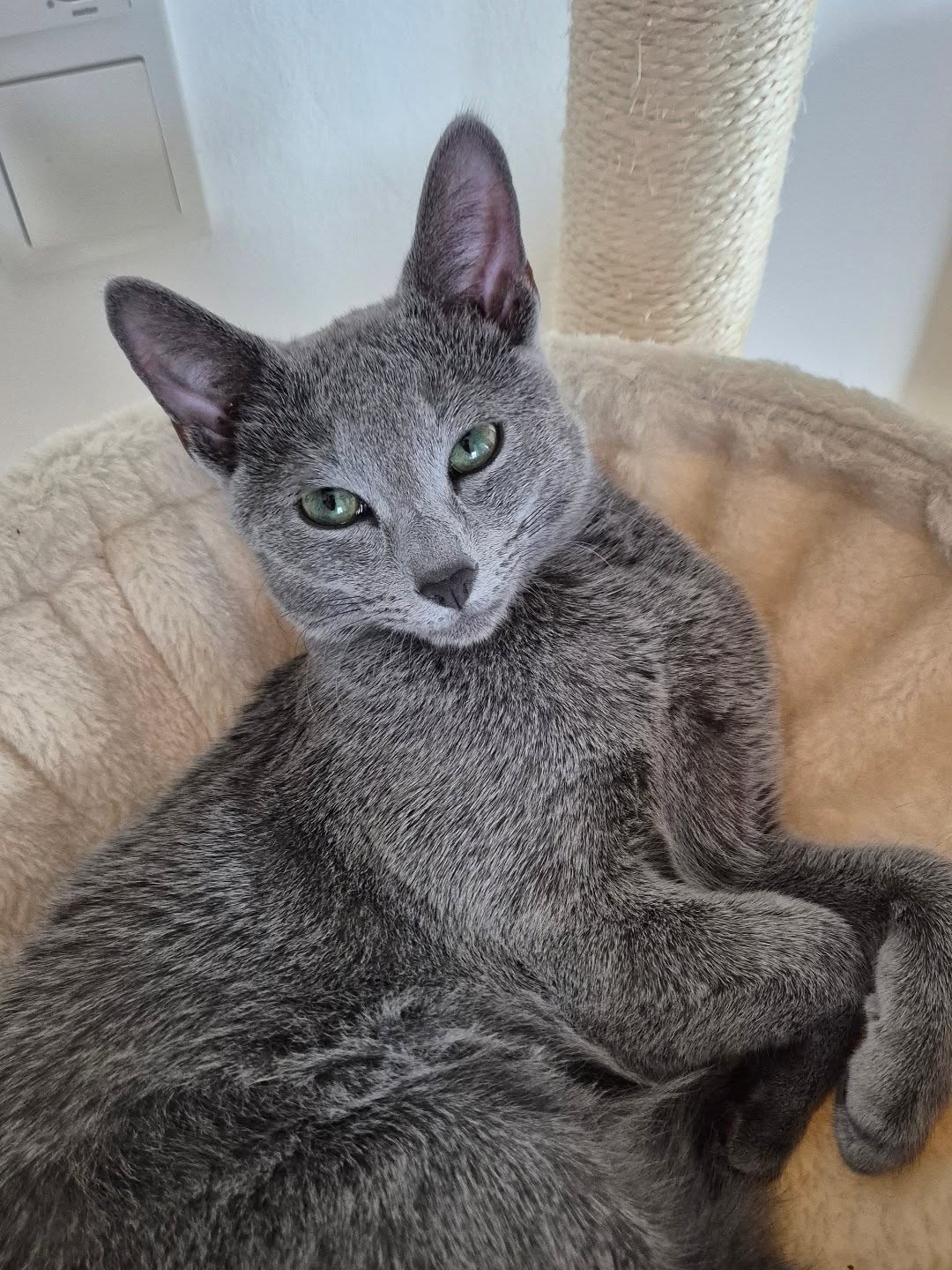
Quieter breeds such as British Shorthairs and Russian Blues tend to vocalize less during normal routines. That does not mean silence. It means fewer calls tied to stress or frustration.
Excessive meowing usually points to unmet needs. Veterinary guidance on why cats meow excessively, published by PetMD, explains that boredom, attention-seeking, stress, and health issues are common triggers. In small apartments, boredom often sits at the center.
Here is something you can test tonight. If your cat meows most when the home is quiet, it often signals unused energy earlier in the day. Adjusting play timing helps more than ignoring the sound.
Routine matters. Feeding, play, and rest at predictable times lower vocal habits far more reliably than punishment ever could.
Now let’s talk about breeds that tend to make apartment life easier rather than louder.
Cat Breeds That Commonly Adjust Well to Small Apartments

Ragdolls often follow people instead of patrolling territory. They usually prefer being near you over exploring every corner, which suits smaller homes. A window perch and a calm routine often meet their needs.
British Shorthairs tend to observe more than demand. They enjoy companionship without constant interaction, making them a good match for quiet apartments and work-from-home schedules.
American Shorthairs adapt easily to routine changes. Their moderate energy and flexible behavior make them forgiving in small spaces, especially for first-time apartment cat owners.
Russian Blues value consistency. They often settle into predictable habits and bond closely with one person, which works well when space and noise need to stay controlled.
Scottish Folds often enjoy interactive play without nonstop motion. They tend to rest well indoors when given regular engagement.
Persians and Exotic Shorthairs usually lean toward low-energy routines. Grooming takes more effort, but their calm indoor behavior fits compact homes.
What ties these breeds together is not size. It is balance. They tend to rest when it is quiet and engage when invited.
Even within these breeds, individual personality still matters. Meeting the cat often tells you more than the label ever will.
Breeds That Often Need More Space and Stimulation
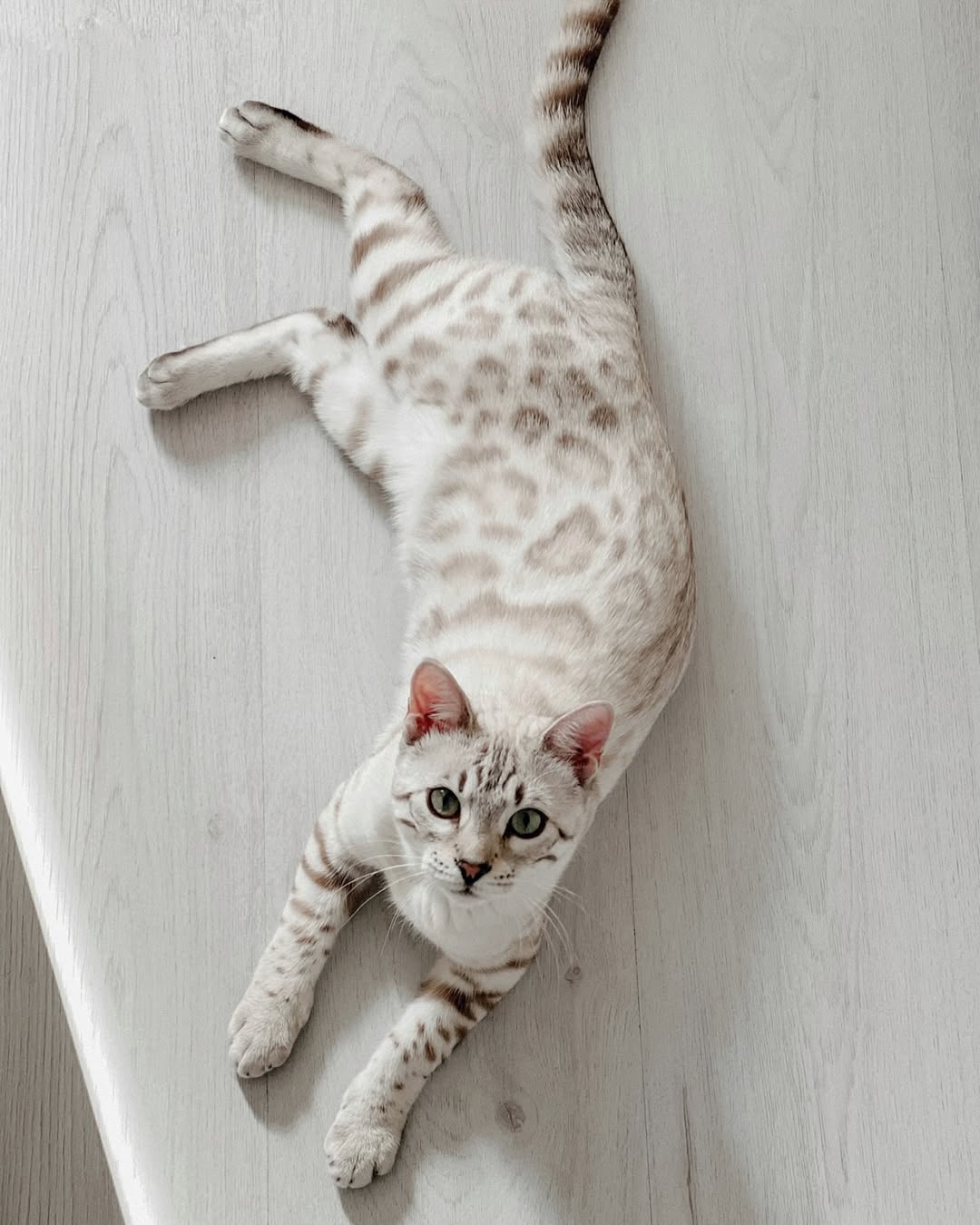
Some cats crave complexity, movement, and frequent novelty.
Bengals, Savannahs, and Abyssinians often show high activity levels and strong hunting drives. In apartments, that energy can turn into climbing, vocalizing, and restlessness if it lacks direction.
Behavior research published in Animals examined feline personality traits and showed that activity level and boldness vary widely. In small homes, those traits shape daily life more than appearance ever will.
These cats can live in apartments. The issue is commitment. Owners often underestimate how much daily structure, play, and mental work these breeds need to stay settled indoors.
If your apartment routine already feels full, these breeds may push it past comfort.
Which brings us to setup.
How to Make a Small Apartment Work for Any Cat
You can improve apartment life today without buying more space or rearranging your entire home.
Vertical space matters because it creates choice. Shelves, tall cat trees, or window-mounted perches turn walls into usable territory. Cats that can move upward often feel less pressure at ground level, especially in small rooms.
Food puzzles help in a different way. Research from the University of California, Davis found that food puzzles encourage natural foraging behavior and reduce boredom in indoor cats. Even simple puzzle feeders slow meals and give cats something to work on when the apartment feels quiet.
DIY enrichment works when budgets are tight. The San Francisco SPCA shares simple enrichment ideas using household items that add variety without clutter. Rotating these setups weekly matters more than owning many toys.
Think in zones. One place for sleep. One place for play. One place for food. When these areas stay consistent, cats settle faster because they stop guessing what happens where.
Here’s a quick check. If your cat eats, sleeps, and plays in the same corner, apartment stress has nowhere to spread out. Separation creates calm.
Now comes the human side of the decision.
Choose a Cat That Fits Your Routine, Not Just the Breed
Your schedule shapes your cat’s day more than your floor plan ever will.
Long workdays tend to suit cats that rest well alone and do not demand constant interaction. Quiet evenings favor calmer personalities. Frequent travel often works better with independent adult cats than with kittens still forming habits.
In my experience, adult cats adapt faster to apartment routines because their behavior is already visible. You see how they rest, how they respond to noise, and how they handle alone time. That clarity prevents surprises later.
This is where shelters become invaluable.
Adoption Questions That Matter in Apartments
Instead of asking what a cat looks like, ask how the cat lives.
Does the cat rest calmly during the day. Does it vocalize when left alone. How does it react to routine household noise like doors or footsteps.
Ask staff when the cat seems most relaxed and when it becomes restless. Those patterns translate directly to apartment life.
Behavior history beats breed labels every time. When shelters or breeders can describe an average day, you gain insight that photos never provide.
That clarity changes everything.
By this point, you might already have a few breeds in mind. That’s normal. Still, apartment living brings up practical questions most people do not think about until they are already living with a cat in a small space.
Let’s clear up the most common ones.
Frequently Asked Questions About Cats in Small Apartments
Can any cat live happily in a small apartment?
Most cats can adjust to apartment living when their daily needs are met. The difference comes down to temperament, energy level, and routine. Cats that rest well, tolerate predictable schedules, and enjoy indoor enrichment usually adapt faster than cats that crave constant movement or novelty.
Are kittens or adult cats better for apartments?
Adult cats often settle into apartments more smoothly. Their personalities are already clear, which makes it easier to match energy level and noise tolerance to your space. Kittens can thrive too, but they require more structure, play, and patience during their early months.
How do I know if my apartment is stressing my cat?
Signs often show up quietly. Restlessness at night, increased vocalization, scratching in new places, or withdrawing from interaction can all signal stress. These behaviors usually mean the environment or routine needs adjustment rather than punishment.
Do apartment cats need more toys than house cats?
They need smarter use of toys, not more of them. Rotating toys, adding vertical space, and scheduling short play sessions often matter more than filling the floor with objects. Mental engagement reduces boredom more effectively than constant novelty.
Is breed more important than personality?
Personality always wins. Breed tendencies offer guidance, but individual behavior tells the real story. A calm, adaptable cat of any breed will usually do better in an apartment than a high-energy cat with similar looks.
Making Apartment Life Work Long Term
Living in a small apartment with a cat is not about compromises. It’s about alignment.
When a cat’s temperament matches your routine and the space is set up with intention, apartment life feels calm instead of cramped. Noise settles. Habits form. The home starts working for both of you.
If you’ve lived with a cat in a small apartment, I’d love to hear what worked for you.
Did a certain breed surprise you?
Was there one change that made a big difference?
Drop your experience or questions in the comments. Conversations like that help future readers make better choices too.
Also read:
Maine Coon vs Ragdoll: Which Cat Breed Is Easier to Live With?
Persian vs British Shorthair: Grooming, Health, and Personality Differences


