
After 11 Years of Loyalty, He Was Left Behind. Until a Little Girl Saw the Dog No One Else Did
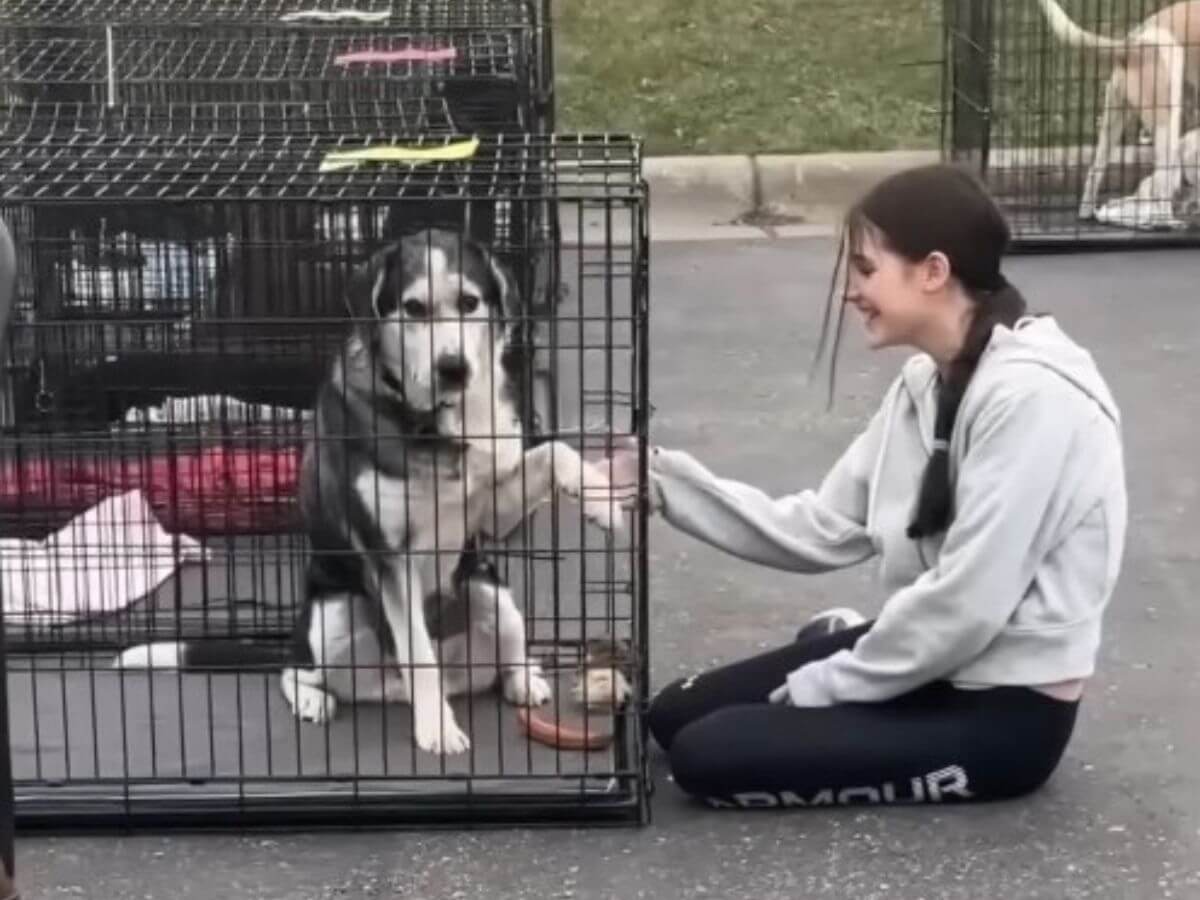
Amber was not looking for a dog that afternoon.
It was supposed to be a short walk. Fresh air. A quick stop at a local adoption event so her daughter could pet a few puppies before heading home.
They almost kept walking.
Then her daughter slowed down.
He was not barking. Not pulling at the leash. Not trying to charm anyone who passed. While younger dogs jumped for attention, he stood quietly behind the barrier, watching the crowd thin out.
His name was Bruno.
He was 11 years old.
He had already spent more than a decade belonging to one family. Now he was the oldest dog at the event, and the only one no one seemed to notice.
Senior dogs are often the last to be chosen.
That afternoon, Bruno looked like he was prepared for that outcome.
Amber did not know it yet, but the next decision she made would not just change a dog’s life. It would change the way her family understood loyalty, loss, and second chances.
The Dog No One Stopped For
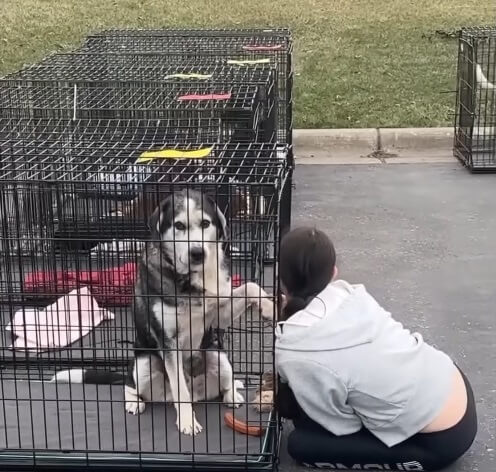
At the adoption event, younger dogs drew the crowd. People crouched down for wiggling puppies. Volunteers repeated hopeful phrases that had become routine.
Bruno stood slightly apart. He was described as “Lonely… sad and scared…”
He had spent more than a decade with one family. Then he was surrendered. In the video, the team explained that euthanasia had even been considered before he was handed over.
For 11 years, he belonged somewhere.
Now he was the dog no one paused for.
Senior dogs face this reality often. Many shelters report that older animals are adopted at lower rates than puppies. Age becomes a quiet disadvantage.
Bruno waited anyway.
A Child Saw What Others Missed
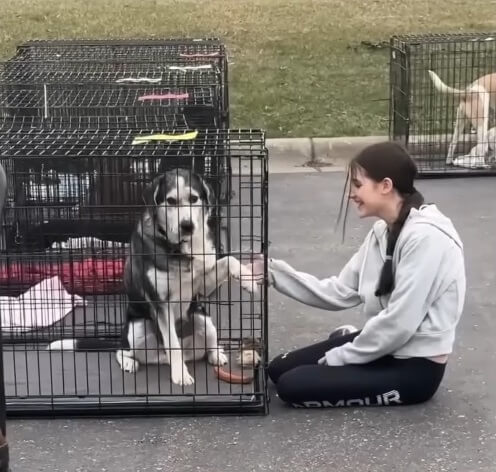
Amber’s daughter did not rush past him.
She stopped.
She looked at him the way children sometimes look at something fragile. Not with pity. With curiosity.
The rescue team later shared that the connection between them was immediate. They said “her daughter loved him very much.”
Bruno leaned toward her. Not dramatically. Just enough.
Amber watched the moment unfold. She later admitted she felt torn. Eleven is not young. Eleven can mean medical bills. Eleven can mean limited time.
But there was something steady in the way Bruno stood beside her daughter.
It did not feel accidental.
Amber chose him.
The First Days Were Not Joyful
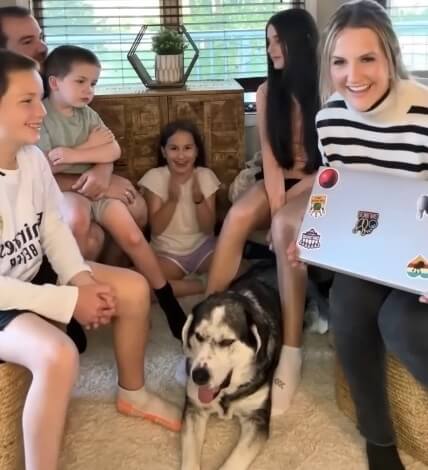
Adoption photos rarely capture the quiet days that follow.
Bruno did not race into the house wagging. He moved slowly. His posture was tight. His eyes searched rooms as if trying to find a scent that was no longer there.
Loss does not vanish because a new bed is waiting.
In the early days, he withdrew. Some afternoons he lay still for long stretches. Meals went untouched. Toys remained where they were placed.
This reaction is not unusual.
According to VCA Animal Hospitals, “They may have a decreased appetite and decline to play.” Behavioral withdrawal is often observed after major changes in a dog’s life.
Here is why.
Dogs form attachment bonds. When those bonds are disrupted, even through surrender, stress responses can surface. Appetite changes. Energy drops. Engagement fades.
Amber noticed it. She did not interpret it as ingratitude.
She gave him time.
The Three-Month Reality Most People Do Not See
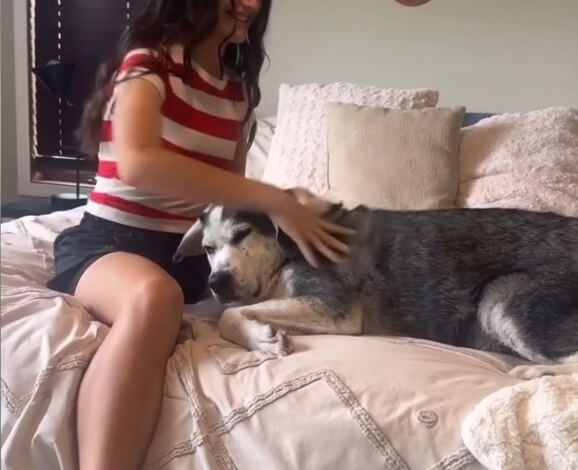
The first week felt uncertain.
The second week felt slow.
Change did not arrive all at once.
As the ASPCA Pro notes, “For most pets, it takes on average 3 months to fully become comfortable and acclimated to their new home.”
Three months reframes expectations.
Not three days.
Bruno’s progress unfolded in quiet increments. Week one was observation. Week two brought small shifts. A slightly longer walk. A soft tail wag. A pause before lying down near Amber’s daughter instead of across the room.
Amber later reflected that the hardest part was resisting the urge to rush joy.
Her daughter never rushed him. She sat beside him during homework. She read aloud. She let silence exist without filling it.
That consistency created safety.
The Moment Things Shifted
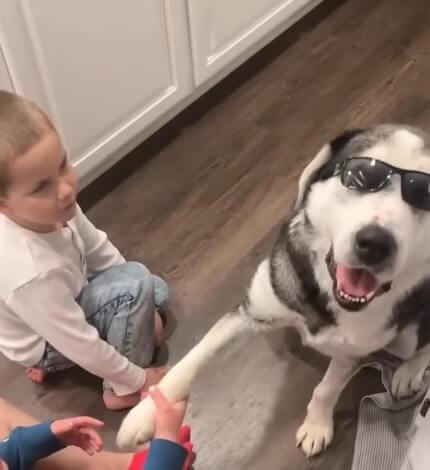
One morning, Bruno carried a toy into the living room.
He placed it at Amber’s daughter’s feet.
Then he stepped back.
It was a small act. But it was voluntary.
From that day forward, his body language softened. His posture lifted. His walks grew steadier. His eyes looked outward again instead of inward.
Older dogs are often misunderstood as low energy or less adaptable. That assumption is not always accurate.
Operation Kindness Humane Society explains, “A majority of senior pets are calmer, more experienced, and house-trained.”
Calm was not sadness. It was maturity.
Bruno did not need chaos. He needed rhythm. He needed predictability. He needed a family willing to see past age.
And he found one.
From Existing to Belonging
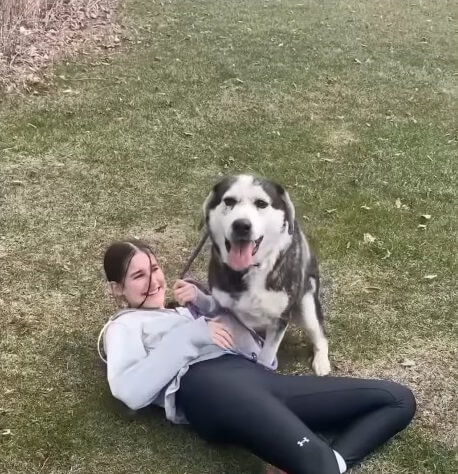
Months later, Bruno sleeps deeply in a bed that is his. He eats with appetite. He plays in short bursts that suit his stage of life.
He is not performing for attention.
He is settled.
Amber once thought she was offering him comfort for whatever time remained. What she did not expect was how deeply he would root himself into their family.
He became routine.
He became presence.
He became home.
Why Senior Dogs Deserve a Second Look
Many families walk into shelters imagining a puppy. Youth feels like safety. It feels like time.
But older dogs offer something different.
Their temperament is already shaped. Their energy level is visible. Their habits are easier to understand. And when they bond, that bond can be steady and deeply loyal.
Understanding adjustment timelines and grief responses changes everything. Withdrawal is not rejection. Silence is not indifference. A quiet dog is not an ungrateful one.
Patience matters.
Time matters.
Consistency matters.
Bruno did not need rescuing from the world.
He needed someone willing to see past the number eleven.
Across the United States, senior dogs enter shelters every day after years in one home. Some arrive because of housing changes. Some because of medical costs. Some because families underestimate how long a commitment truly lasts. Many wait longer than younger dogs for adoption.
Bruno’s story is not rare.
It is simply the one we happened to notice.
The Dog No One Else Saw
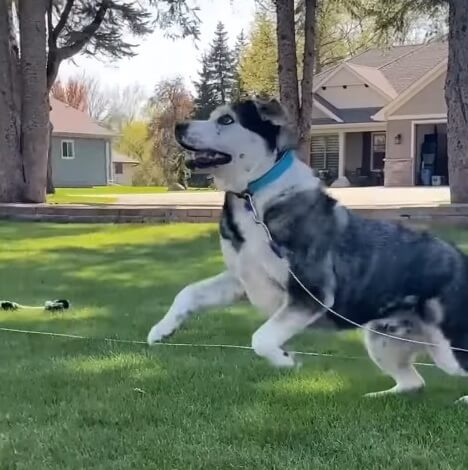
At that adoption event, dozens of people passed by Bruno.
They saw gray fur. Slower movement. A dog who was not trying to compete.
One child saw connection.
Sometimes the dog who stands quietly at the edge of the crowd is not asking for rescue.
He is asking for recognition.
Bruno waited 11 years to belong to someone.
It took one child less than a minute to decide he already did.
His story is not loud. It does not rely on drama. It rests on something smaller and more powerful.
Someone stopped.
If this story stayed with you, share it with someone who believes older dogs deserve a second look.
Because somewhere at an adoption event right now, another gray muzzle is standing still, hoping someone will slow down.
You may also want to read:
Abandoned for Growing Old, Murta Lost a Leg and Found the Family She Deserved
Once Adopted as a Puppy then Abandoned, This Dog Later Found the Care He Needed


