
Dog Breeds Better Suited for First-Time Owners and Why That Matters

Your first dog changes daily life faster than most people expect. Walks turn into fixed appointments. Weekends quietly revolve around routines. Even stepping out of the house takes planning.
Most first-time owners believe love will cover the hard parts. I did too. What actually makes the difference is structure, and how much of it a dog needs while you are still learning.
Here is what many people miss. Breed choice is not about finding a “good” dog. It is about choosing a dog whose needs do not overwhelm you before your confidence catches up.
The right match does not make ownership effortless. It makes mistakes recoverable. The wrong match can turn small issues into daily stress without warning.
This article is not a list of popular breeds. It is a guide to the traits that quietly make day-to-day care easier, the dogs that tend to adapt better to first-time homes, and the early choices that help new owners avoid frustration before it starts.
If you are choosing your first dog, or already feel unsure with the one you have, this will help you see what actually matters.
Let’s break it down.
What first-time owners usually struggle with

Most new owners run into the same pressure points, often within the first few weeks. Time disappears faster than expected. Training moves slower than planned. Energy levels do not always line up.
If you have ever felt behind by mid-morning or guilty for missing a walk, that feeling is common. It does not mean you are failing. It usually means the dog’s natural needs are higher than your current capacity.
That is why animal welfare groups push lifestyle matching so strongly. RSPCA Pet Insurance explains that dogs should be chosen based on housing, daily schedules, and care tolerance, and that all dogs need daily exercise paired with grooming routines owners can realistically maintain.
When those expectations match real life, stress drops. When they do not, frustration builds quietly.
This is where certain dogs begin to stand out.
The traits that help beginners succeed

Dogs that tend to work well for first-time owners usually show patterns you feel in everyday life.
They stay steady when routines shift.
They settle after activity instead of pacing.
They learn at a pace that does not punish mistakes.
They recover emotionally when something goes wrong.
If a dog can relax after a walk or nap while you work, that is a good sign. If small changes lead to spiraling behavior, that is harder for beginners to manage.
Breed guidance helps here. American Kennel Club notes that breeds vary widely in temperament, grooming needs, trainability, and exercise demands, and that appearance alone tells you little about daily care.
Once you focus on how a dog handles normal days, choices become clearer.
Now let’s talk about real dogs.
Breeds that often fit first-time households
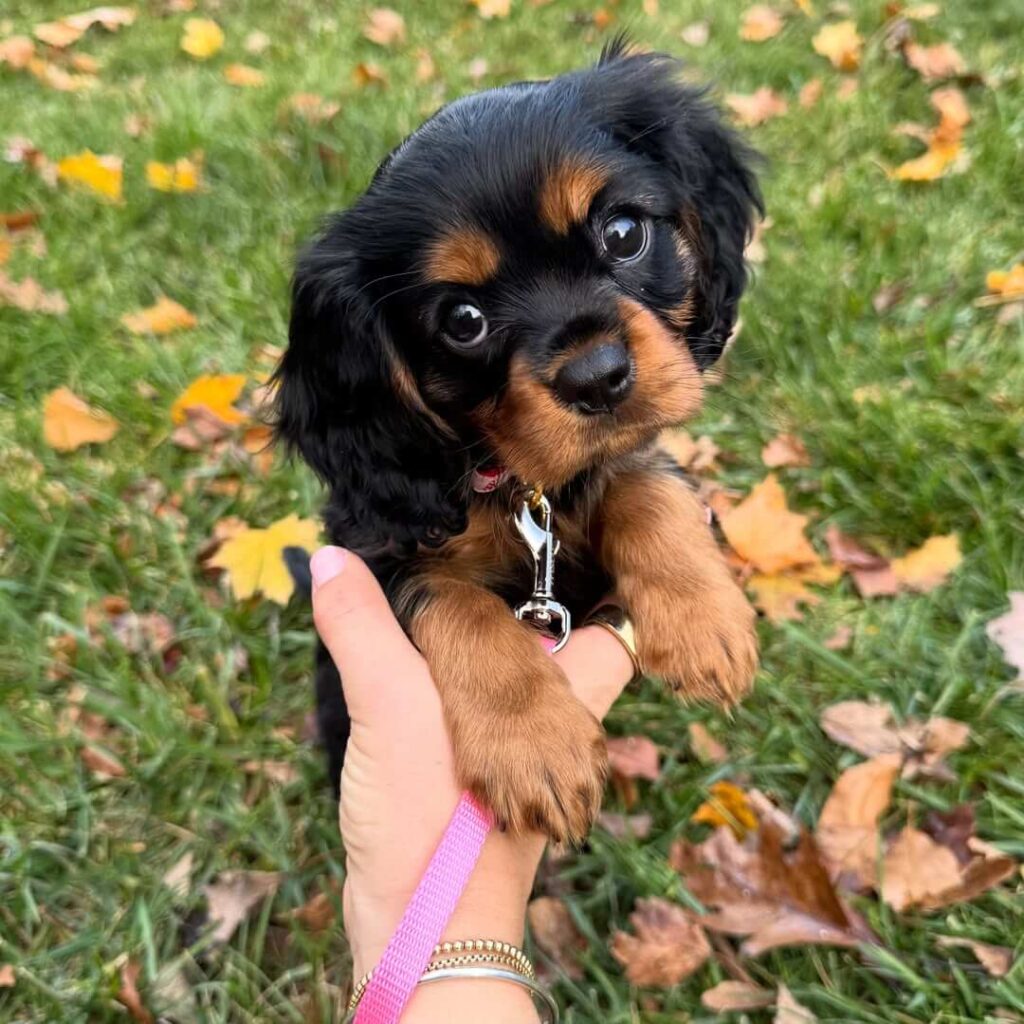
Some breeds adapt well to beginner homes because their needs are easier to meet on ordinary days.
Labrador Retrievers often respond well to structure without needing constant stimulation. Their energy is real but predictable. A daily walk paired with play usually keeps them settled.
Golden Retrievers share many of those traits, with a softer emotional response. They often handle visitors, noise, and routine changes without escalating stress.
Cavalier King Charles Spaniels tend to thrive in smaller homes. Their exercise needs stay modest, and they bond closely without demanding nonstop attention.
Bichon Frises work well for owners who want a social dog in a compact space. Grooming takes commitment, but their indoor energy stays manageable.
Poodles, especially Miniature and Standard types, respond well to consistent routines. When expectations are clear, they settle quickly and learn steadily.
Shih Tzus and Havanese suit owners who want companionship without intense daily activity. Short walks and playtime often meet their needs.
These dogs are not easier because they need less care. They are easier because their care needs stay predictable while you are learning.
That predictability matters early on.
Why some popular breeds feel overwhelming

High intelligence and strong drive can look appealing at first. In daily life, those traits often demand structure beginners do not yet have.
Working breeds like Border Collies or Belgian Malinois are not difficult dogs. They are demanding dogs. Without daily mental outlets and physical work, frustration often shows up as anxiety, reactivity, or destruction.
This is not about blame. It is about fit.
Behavior specialists often remind owners that breed tendencies guide expectations but never promise outcomes. The Spruce Pets explains that while breeds often show predictable care and energy patterns, no breed perfectly predicts how an individual dog will behave.
Knowing that helps reset expectations before pressure builds.
Which brings us to one of the most overlooked choices.
Adoption, breeders, and starting on steady ground

Many first-time owners skip adult dogs. That choice often adds stress they did not need.
Adult dogs from reputable rescues usually come with known behavior patterns. Many are already house-trained. Many have lived in homes and adjusted to routines.
The Spruce Pets also notes that adult foster dogs can be easier for beginners because they are often already house-trained and well-socialized, while puppies require constant supervision and training.
Breeders can also be a good option when they focus on temperament, early social exposure, and honest guidance. What matters is transparency.
Before choosing any dog, ask how it handles quiet time, strangers, and routine changes. Those answers often matter more than age or lineage.
Here’s what helps right away.
How to set yourself up for success from day one

Start with routines you can keep.
Choose walk times that survive hard days.
Focus on one training goal during the first month.
Limit stimulation early, then build gradually.
Veterinary guidance explains that puppies may take weeks or months to house-train, and that early consistency shapes long-term behavior. Patience with yourself is part of care.
Small habits build confidence. Confidence builds trust.
Choosing the right dog is an act of care
First-time ownership does not require perfection. It requires honesty.
When breed traits match real life, learning feels manageable. Mistakes feel fixable. Care becomes sustainable.
The right dog does not ask you to become someone else. It fits who you already are.
That is where good ownership begins.
Before you choose, here are a few questions worth answering
By this point, you may already recognize yourself in parts of this guide. That is a good sign. Before making any decision, it helps to pause and answer a few common questions that come up for first-time owners, often right before or right after bringing a dog home.
These answers are not about perfection. They are about setting expectations early, when small adjustments still make a big difference.
Frequently asked questions from first-time dog owners
Is there really such a thing as a “beginner-friendly” dog?
There is no dog that requires zero effort. What people usually mean by beginner-friendly is a dog whose needs stay predictable while the owner is still learning. Dogs that settle easily, recover after activity, and tolerate routine changes tend to feel easier in day-to-day life.
That does not guarantee smooth sailing. It simply lowers the chance that small mistakes snowball into stress.
Should I avoid high-energy or very smart breeds as a first-time owner?
Not always, but caution helps. High energy and strong problem-solving skills often require structured outlets. Without those outlets, frustration shows up fast.
If you have time for daily training, enrichment, and consistent routines, some high-drive dogs can work. If your schedule is unpredictable, starting with a dog whose needs stay moderate often feels less overwhelming.
Are mixed-breed dogs a better choice than purebred dogs?
Mixed-breed dogs can be an excellent choice, especially when adopted as adults. Their size, energy level, and behavior are often already visible, which removes guesswork.
What matters most is not the label. It is how the dog handles normal days, quiet time, and changes in routine.
Is it easier to start with an adult dog instead of a puppy?
For many first-time owners, yes. Adult dogs often come house-trained and familiar with home life. Their personality is easier to read.
Puppies bring joy and bonding opportunities, but they also demand constant supervision, training, and patience. Neither option is wrong. One may simply fit your current life better.
How do I know if a dog’s needs are too much for me?
Pay attention to recovery, not excitement. A dog that plays, walks, then settles calmly often fits well. A dog that struggles to relax even after activity may need more structure than you can give right now.
If meeting a dog feels stressful before adoption, that feeling usually grows after bringing the dog home.
Final thoughts
Choosing your first dog is not about getting it right on paper. It is about choosing a match that lets both you and the dog learn without pressure.
When care needs align with real life, ownership feels steadier. Mistakes feel fixable. Confidence builds instead of breaking down.
If you have been through this decision already, or are in the middle of it now, I would love to hear from you.
What helped you most when choosing your first dog?
Or what do you wish someone had told you earlier?
Share your experience in the comments. Your story may help the next first-time owner feel less alone.
RELATED:
7 Lazy Dog Breeds That Are Totally Okay Skipping Walks
12 Guard Dog Breeds That Will Love You Fiercely and Protect You Always


