
Early Signs of Illness in Pets That Owners Often Miss
Most pet health problems do not start loudly.
They slip in quietly, woven into daily routines. A dog sleeps a little longer than usual. A cat walks away from a full bowl. Nothing dramatic. Nothing urgent. At least, that is how it feels in the moment.
By the time many owners realize something is wrong, the signs have often been there for weeks. Sometimes longer. Pets are skilled at masking discomfort, and caring owners are skilled at adjusting without noticing they are doing it.
This does not happen because people are careless. It happens because the changes are subtle and easy to explain away.
This article focuses on those early shifts. The ones that seem harmless at first, but often carry meaning when they repeat or linger. Not to diagnose. Not to alarm. Just to help you notice what your pet cannot say out loud.
Let’s take a closer look.
A quick health note for readers
This article shares general information to help pet owners notice early changes in behavior and routine. It is meant to support awareness, not replace professional veterinary care. If a change feels unusual, lasts, or keeps returning, a licensed veterinarian is the right next step.
When “normal” quietly changes
Pets do not explain pain with words. They adjust.
A playful dog becomes less interested in toys. A social cat starts choosing quiet corners. These shifts often feel like mood changes or signs of aging. Many owners assume nothing serious is happening.
Veterinary guidance shows that animals often mask discomfort until it becomes difficult to ignore. Blue Cross explains that cats, in particular, may withdraw or sleep more when something is wrong, which can delay care when changes go unnoticed.
The key is noticing patterns, not single moments.
Also read:
Subtle behavior shifts that signal trouble
Behavior changes are often one of the earliest clues.
This may look like irritability, clinginess, reduced interest in play, or avoiding familiar people. Dogs may stop greeting family members at the door. Cats may skip favorite perches or hide more often than usual.
According to Cornell University’s College of Veterinary Medicine, pain and illness often appear first as small shifts in posture, movement, and social behavior, long before obvious symptoms develop.
Here is why this gets missed.
These shifts tend to happen slowly. Owners adapt without realizing it, often telling themselves their pet is simply having an off week or settling into a new routine.
Appetite changes that do not look serious at first
Skipping one meal rarely causes concern. A pattern deserves attention.
Eating more slowly, leaving food behind, avoiding treats, or hovering near the bowl without eating can all signal discomfort. Water intake matters too.
Veterinary guidance from UC Davis notes that even subtle appetite changes can reflect dental issues, digestive upset, or underlying illness, especially when they persist over time.
One helpful approach is watching trends over several days rather than focusing on a single skipped meal. Appetite often tells a clearer story with time.
Small physical clues owners overlook

Some signs are visible but easy to explain away.
A coat that looks dull. A slight head tilt. A different resting position. Faster breathing while at rest. These details blend into daily life.
The American Animal Hospital Association explains that symptoms such as bad breath, coughing, stiffness, and unexplained weight change often begin subtly and become meaningful when they persist.
Physical clues tend to matter most when they appear alongside behavior changes rather than on their own.
Bathroom habits that deserve attention
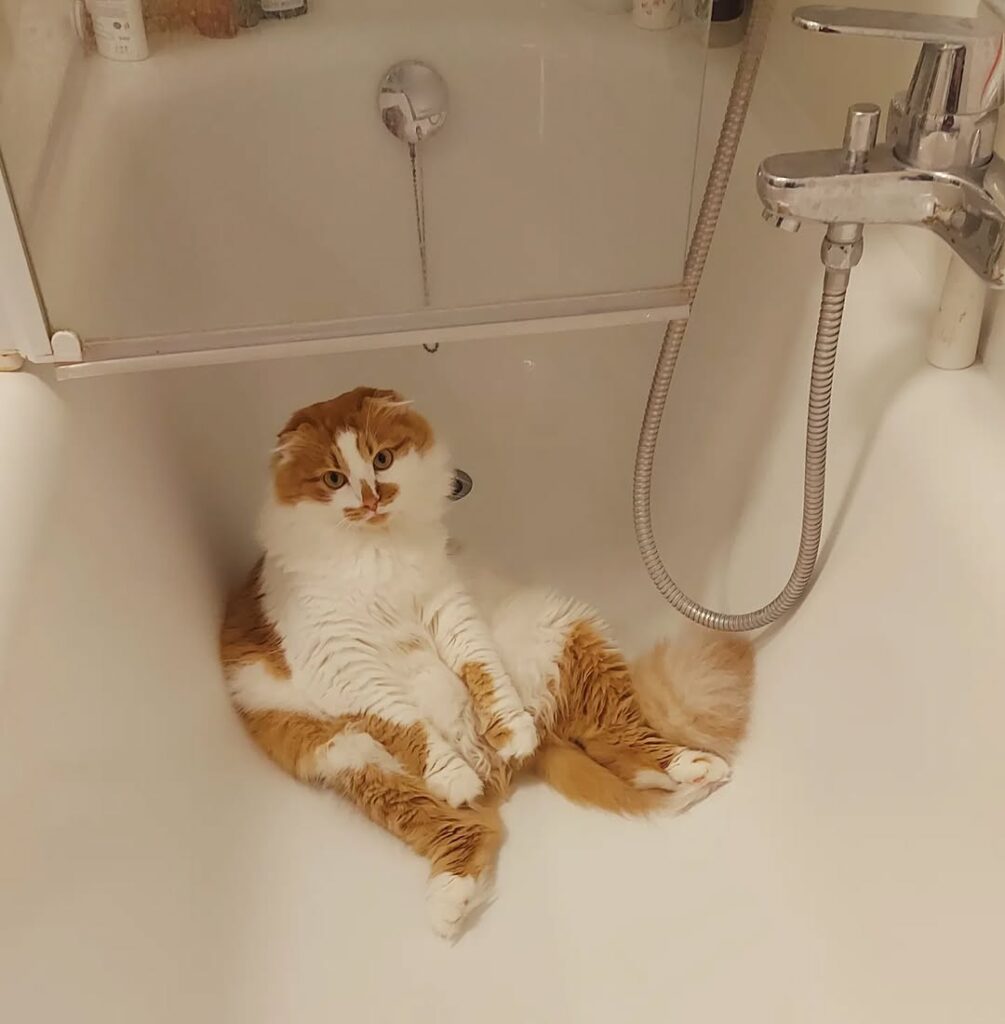
Changes in bathroom routines often stand out only once they become inconvenient.
More frequent urination. Accidents in house-trained pets. Straining. Changes in stool consistency. These signs can point to discomfort or metabolic concerns.
The MSD Veterinary Manual notes that increased thirst and urination may be early indicators of conditions such as diabetes in dogs and cats, particularly when paired with other changes.
Paying attention to frequency and effort often matters more than focusing on isolated accidents.
Movement and comfort tells
Pets often change how they move before they stop moving.
A dog hesitates before climbing stairs. A cat jumps less often. Resting positions shift. These changes are easy to attribute to aging, yet discomfort often starts quietly.
Stiffness after rest, changes in gait, and reluctance to move can signal pain long before limping becomes obvious.
For owners, observation is the goal. Noting when and how movement changes gives veterinarians valuable context.
Digestive signs owners wait too long to address

Vomiting and diarrhea can happen occasionally. Persistence changes the picture.
Repeated episodes, low energy, or reduced appetite alongside digestive upset deserve a veterinary conversation. The FDA recognizes vomiting, diarrhea, and lethargy as clinical signs that should be documented and discussed with a professional.
Keeping brief notes on timing, frequency, and food changes can help vets identify patterns more quickly.
Why these signs are easy to miss

Life gets busy. Pets adapt. Owners normalize change.
Gradual shifts rarely feel urgent. Many people hesitate to call the vet without clear proof. Others worry about overreacting.
Veterinary guidance across animal welfare organizations suggests that early conversations often lead to simpler care than waiting for symptoms to escalate.
Trusting instinct often matters more than certainty.
When to call the vet
Many veterinarians share a general guideline.
If a change lasts more than a few days, keeps returning, or appears alongside other shifts, it is worth checking in with a veterinarian.
Early evaluation often prevents discomfort from becoming more difficult to manage later.
Calling does not mean something is wrong. It means you are paying attention.
How early action helps pets long term
Early visits help establish context. They allow baseline comparisons and support clearer decision-making.
Many conditions are easier to address when noticed early. That process often begins with owners speaking up about small changes.
The goal is not home diagnosis. It is working alongside a professional.
A final care reminder
This article is meant to help you notice what often blends into routine. It does not replace veterinary advice. If something feels off, a licensed veterinarian is the best resource for your pet’s health.
Small observations, noticed early, can make a meaningful difference.


