
12 Guard Dog Breeds That Will Love You Fiercely and Protect You Always
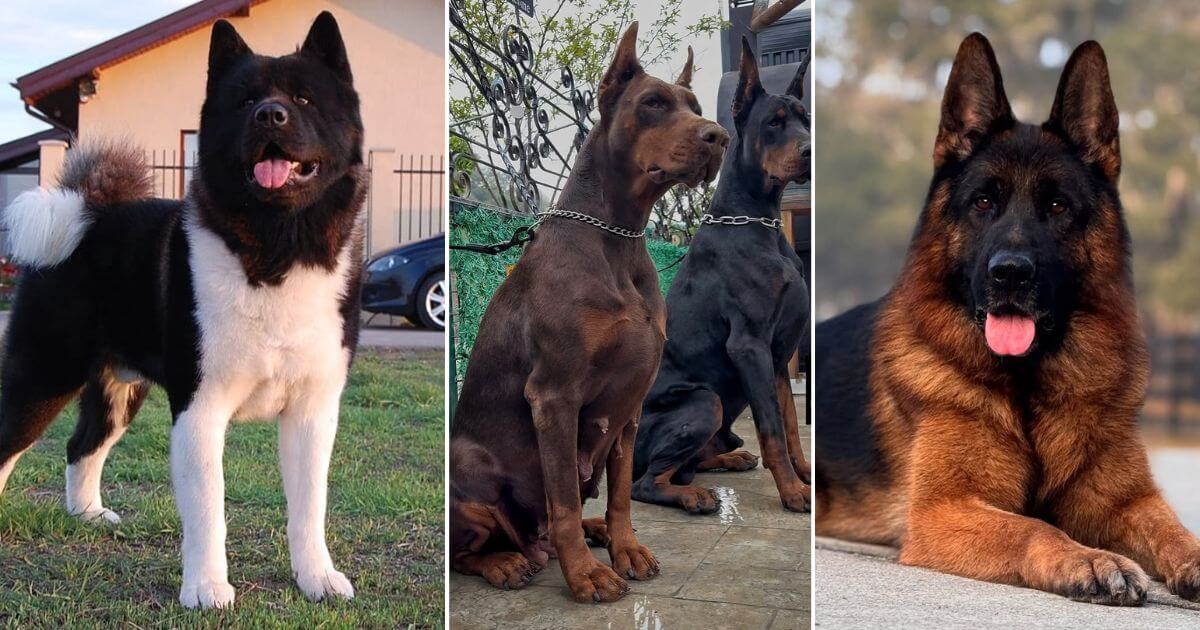
Protection has lived at the center of the human–dog relationship for thousands of years. Long before they were companions curled at our feet, certain breeds guarded families, livestock, and land with instinctive focus.
That instinct hasn’t faded. In many dogs, it still shows up quietly — not as aggression, but as a steady form of devotion.
These are the dogs that track a sound before you notice it. They rest lightly so you can sleep without worry. They map your household’s patterns, your routines, and even your silences.
In homes where trust runs deep, these dogs position themselves between their people and anything that feels unfamiliar.
But choosing a guardian breed is a decision that reaches beyond appearance. These dogs carry specific temperaments, responsibilities, and training needs that not every household is prepared for.
Some flourish in active families, while others require structured leadership and space to work.
This feature goes beyond the list. It looks at what makes a true guardian, the safety considerations families should weigh, and the breeds whose protective instincts come paired with profound loyalty and connection.
What Makes a True Guard Dog?
Guard dogs aren’t defined by size alone. A true guardian blends steady nerves, confidence, and the willingness to protect without acting impulsively. Breeds traditionally used for guarding tend to share traits such as:
- Awareness without panic
- Strong bonding with their household
- Quick response to unfamiliar movement or noise
- Calm evaluation before action
- Natural territorial instincts
Guard dogs are not weapons. They’re deeply bonded partners who respond based on training, socialization, and trust.
Safety, Responsibility, and Family Readiness
Guardian breeds come with unique needs. Without structure, they can misread situations or act too quickly. Families considering a protection breed should think about:
- Whether they’re comfortable enforcing consistent rules
- Their ability to meet a dog’s mental and physical needs
- The presence of young children or elderly family members
- Whether the breed has a history of strong guarding instincts
Some breeds require highly experienced handlers. Others adapt better to family life, provided training begins early and stays consistent.
A related challenge is abandonment. According to U.S. shelter data from the ASPCA, “5.8 million dogs and cats entered shelters and rescues in 2024, down only slightly from the year before.”
Many of these animals are large, strong breeds surrendered because their needs exceeded what the household could support.
How to Choose the Right Guardian for Your Home
Before exploring the list, consider:
- Experience level: Some breeds need confident leadership
- Energy: High-drive dogs need structured exercise
- Property size: Many guard breeds need space to patrol
- Kids & other pets: Not all guardian breeds tolerate rough play
- Grooming: Some heavy coats require frequent upkeep
- Training commitment: Every dog on this list needs it
Choosing a guardian breed is less about intimidation, more about compatibility.
12 BEST GUARD DOG BREEDS
1. German Shepherd
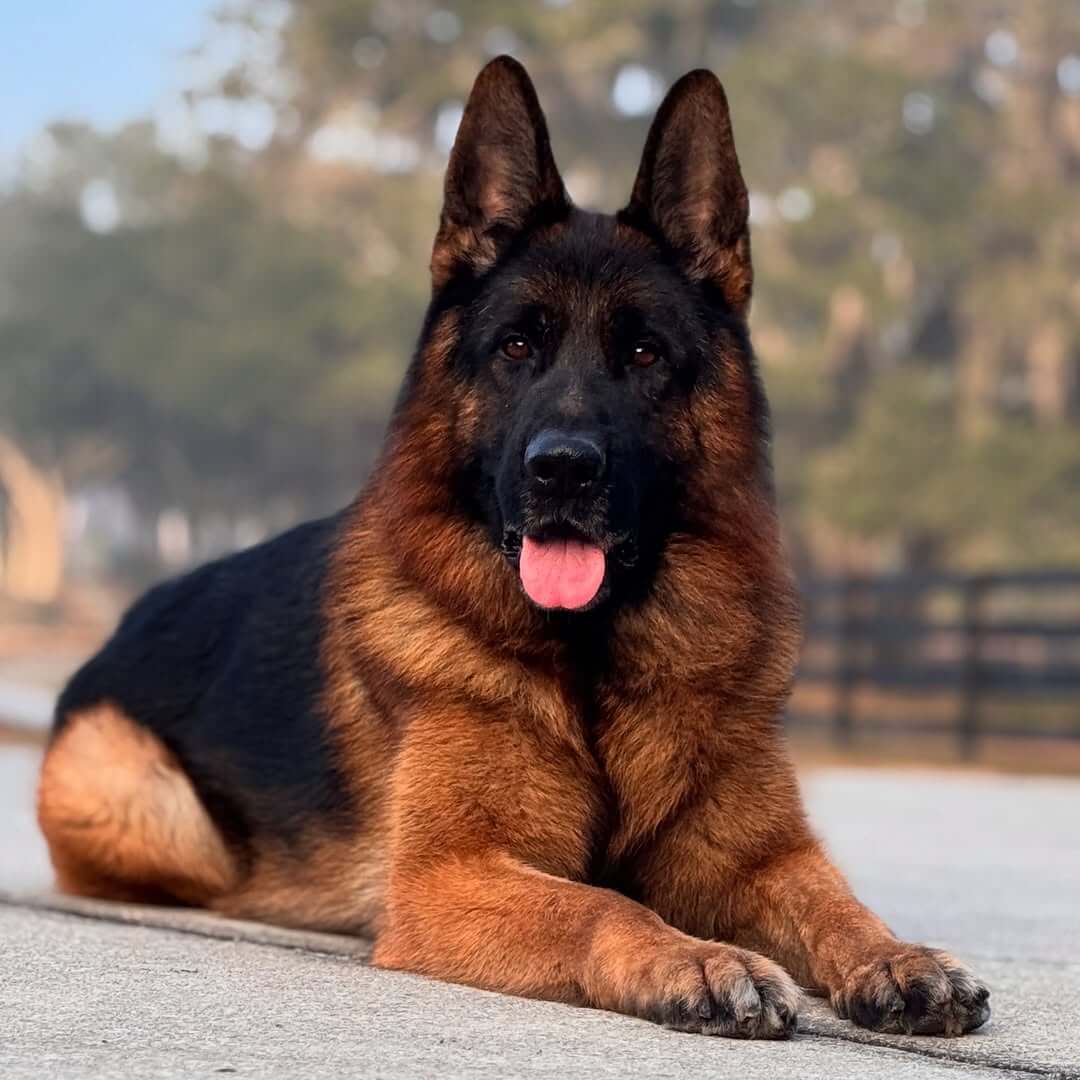
The loyal guard that’s always one step ahead.
Known for their intelligence and versatility, German Shepherds remain favorites for family protection roles. Beneath their confident stance is a dog that bonds deeply and reads human emotion with remarkable accuracy.
They’re alert, trainable, and steady — a combination that makes them reliable in nearly any environment.
2. Rottweiler

Strong and surprisingly affectionate with family.
Rottweilers bring power and tenderness together like few breeds can. They’re bold in unfamiliar situations but gentle with their families.
With firm structure and early training, they become confident guardians who protect their home without unnecessary force.
3. Doberman Pinscher
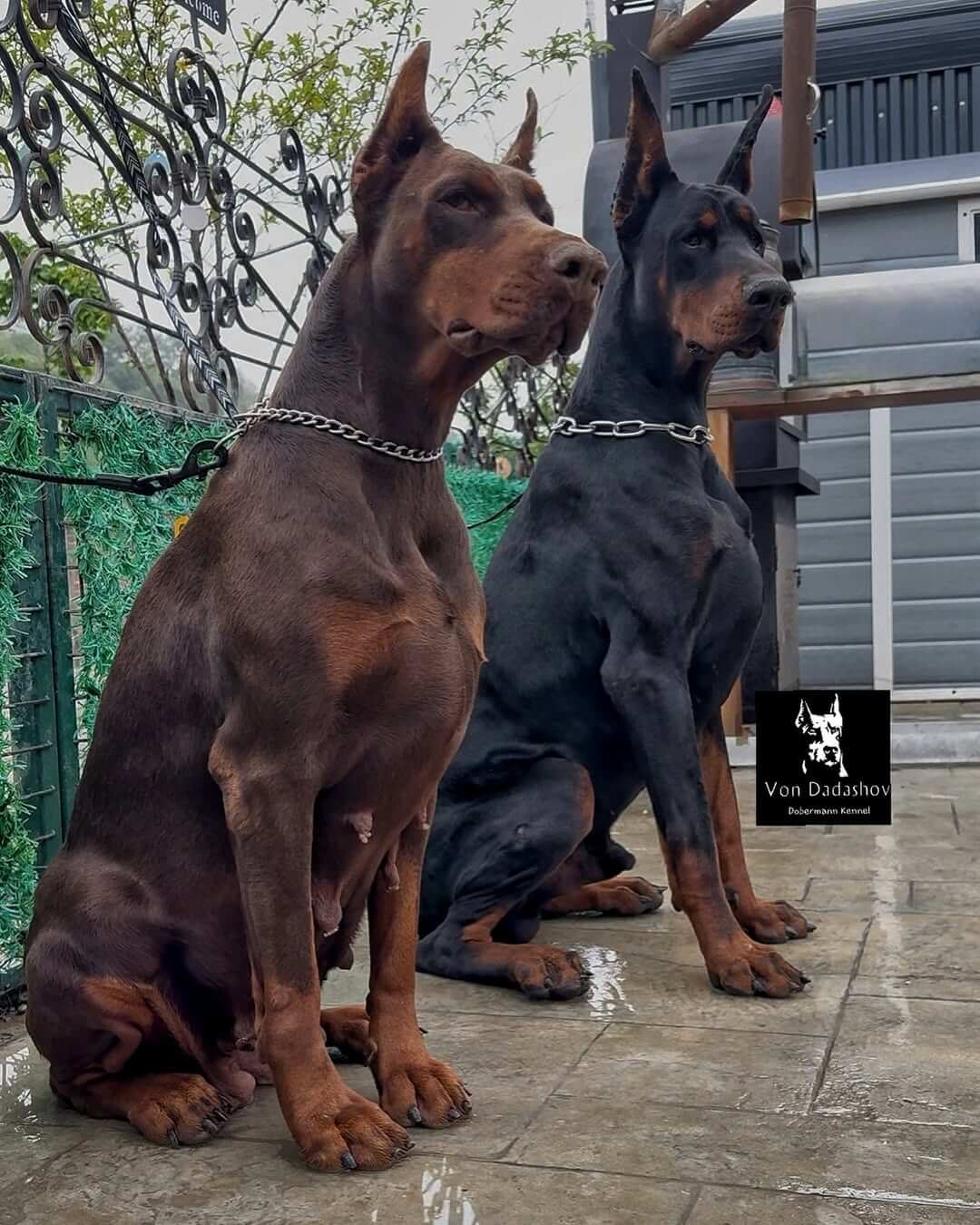
Sharp-minded and deeply devoted.
The Doberman’s sleek build and focused demeanor make it one of the most iconic guardian breeds. They thrive with mental stimulation and look to their owners for direction.
Though visually imposing, most Dobermans are velvety-soft at home and follow their favorite humans like silent shadows.
4. Bullmastiff
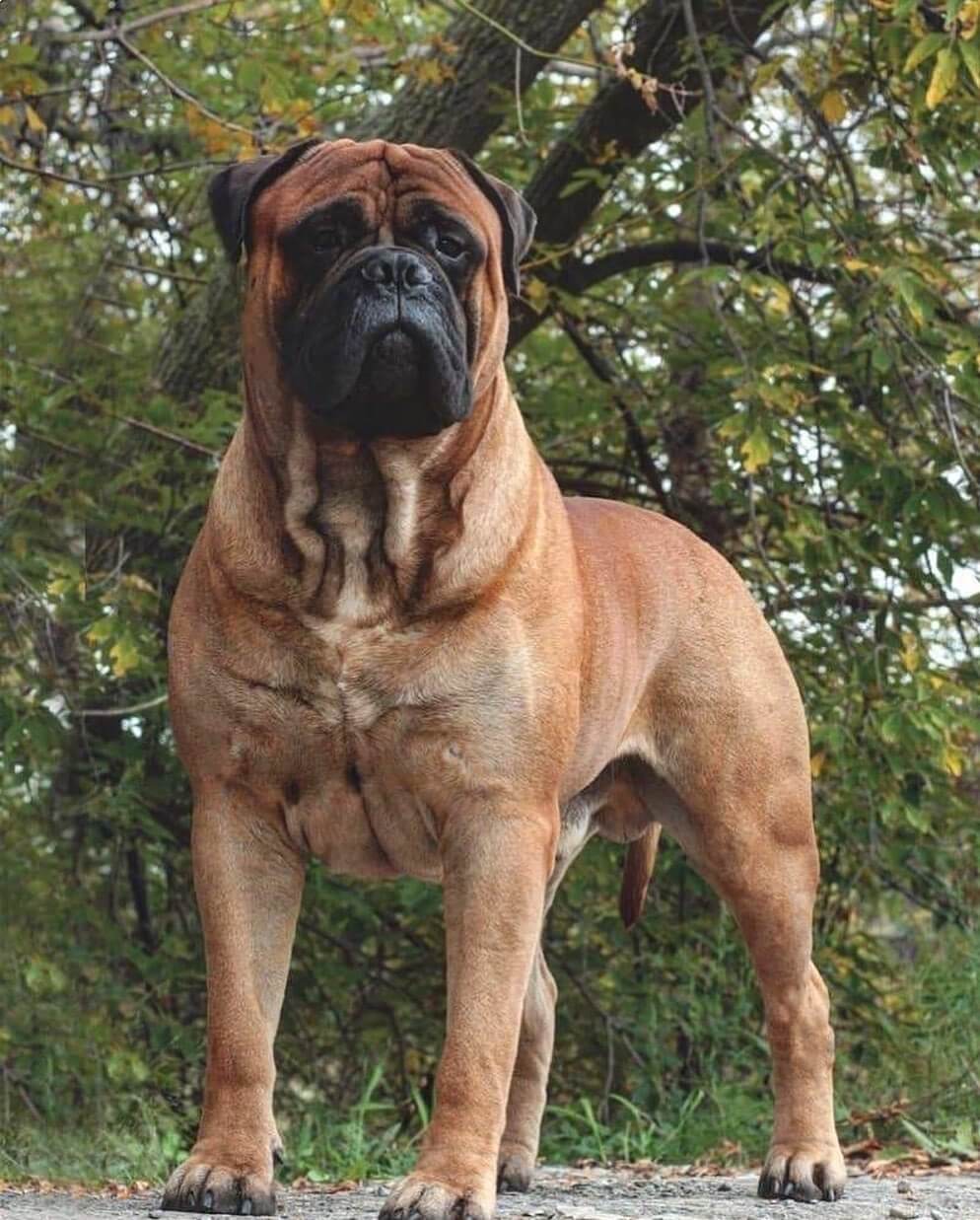
A silent guardian with a gentle heart.
Bullmastiffs were bred to protect estates, and that instinct still shows. They’re calm, observant, and often deter threats with presence alone.
With their families, they’re affectionate and loyal, especially with children who enjoy their warm, steady company.
5. Belgian Malinois
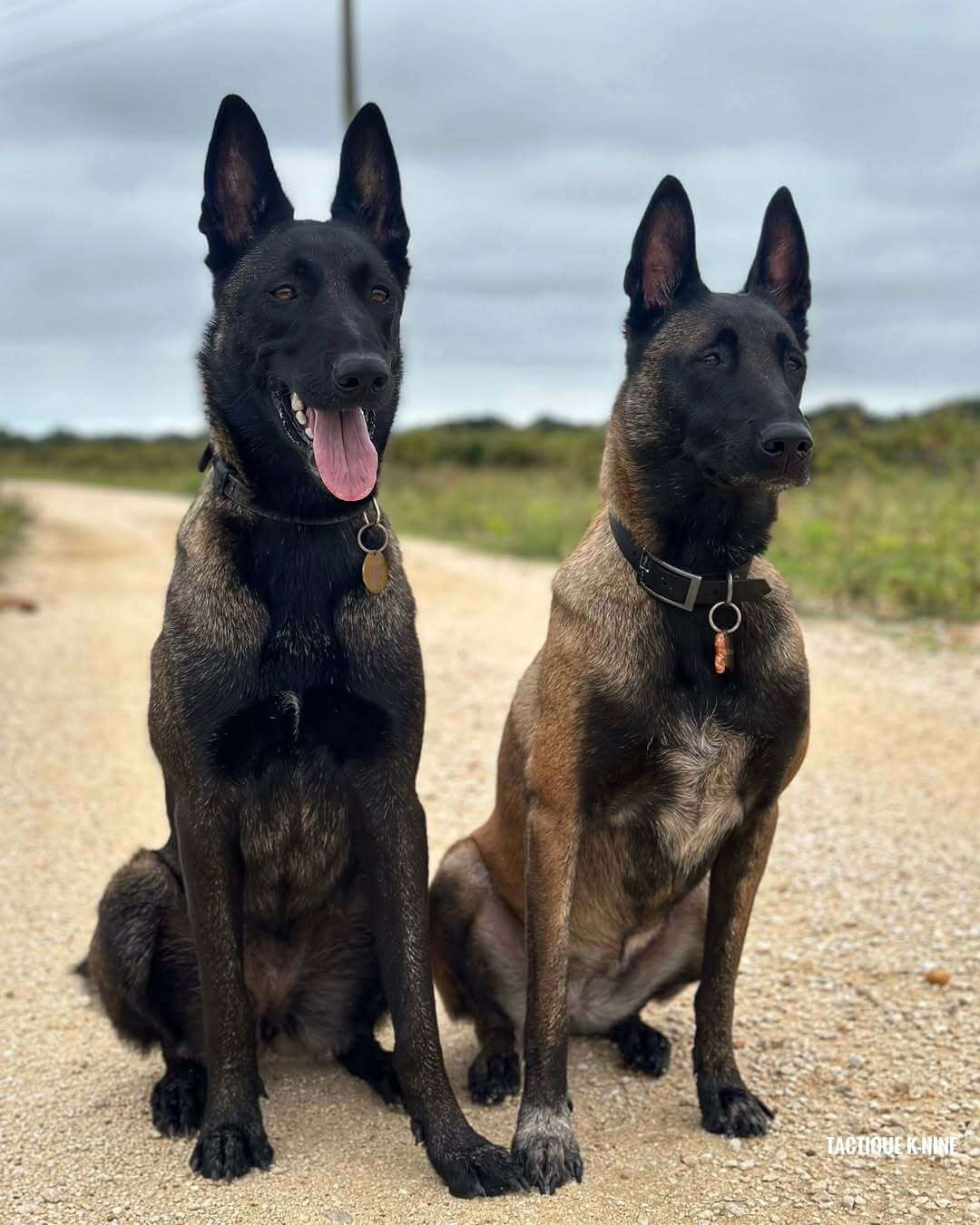
Fast-thinking and driven.
The Malinois is one of the most capable working dogs in the world. They excel in protection roles, but their intensity makes them unsuitable for casual households.
They need structure, training, and an owner who understands their high energy needs.
6. Boxer
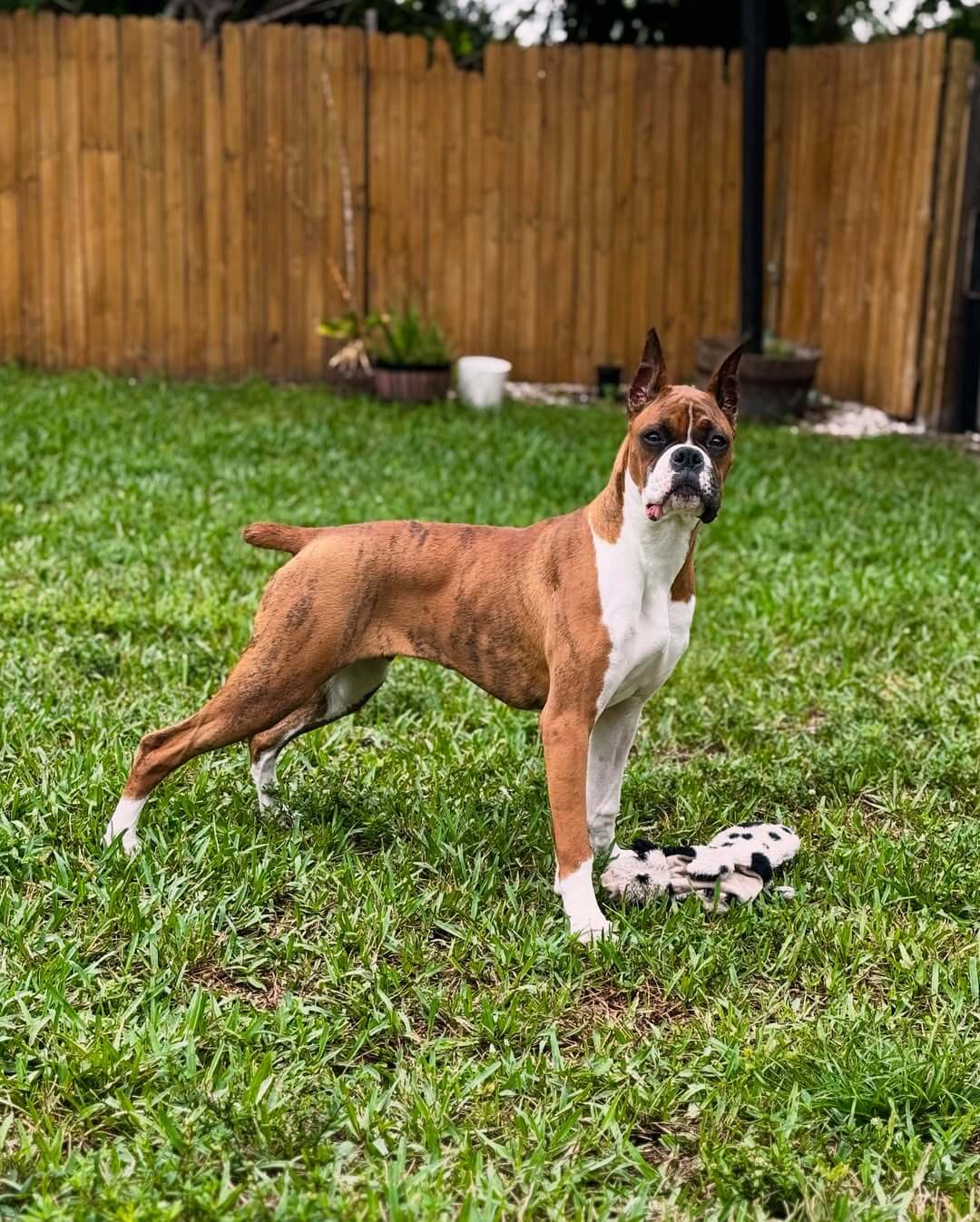
Playful but instinctively protective.
Boxers greet life with enthusiasm, but beneath their joyful personality sits sharp awareness. They’re natural family dogs who keep watch without being overly suspicious.
Their loyalty makes them excellent watchdogs for busy households.
7. Giant Schnauzer
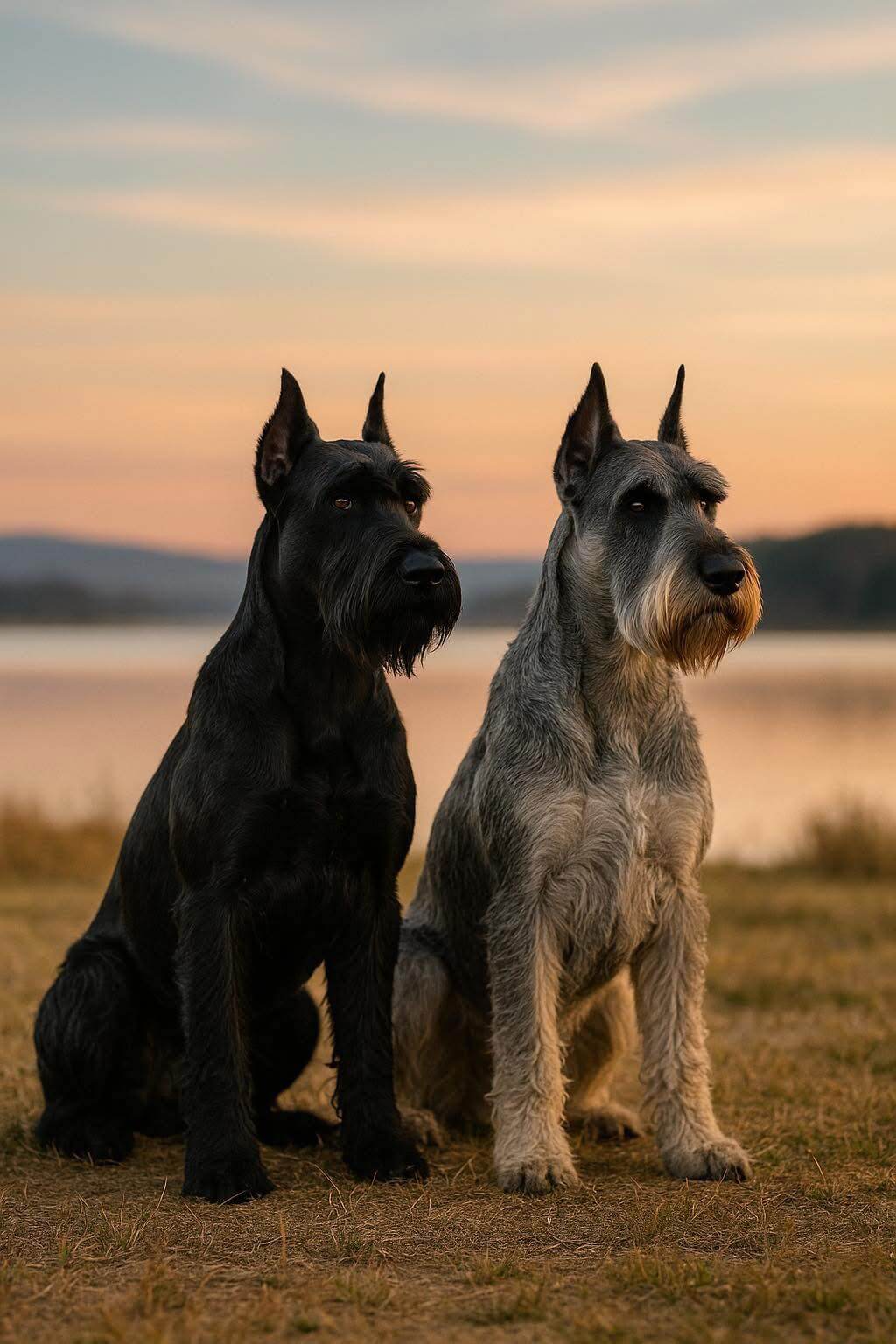
Elegant, observant, and highly committed.
Giant Schnauzers thrive when they have tasks and direction. They’re territorial and make excellent guardians, especially for families that can offer structure and training.
Beneath their serious appearance, they’re playful, affectionate companions.
8. Cane Corso
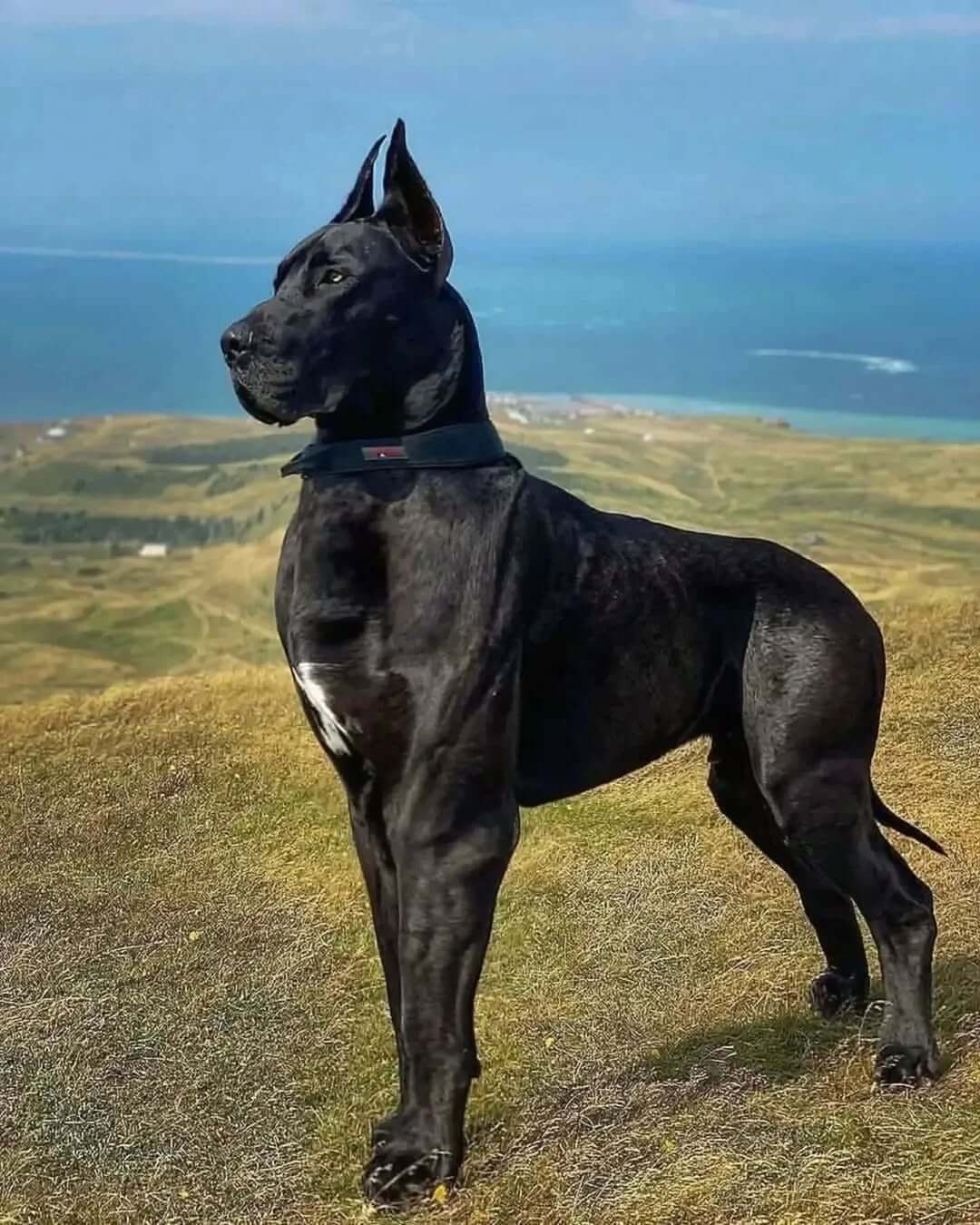
A watchful, powerful companion.
Cane Corsos carry an air of calm readiness. They’re naturally protective without excess reactivity.
With confident handling and early training, they become steady family guardians with a deep sense of responsibility to their home.
9. Anatolian Shepherd
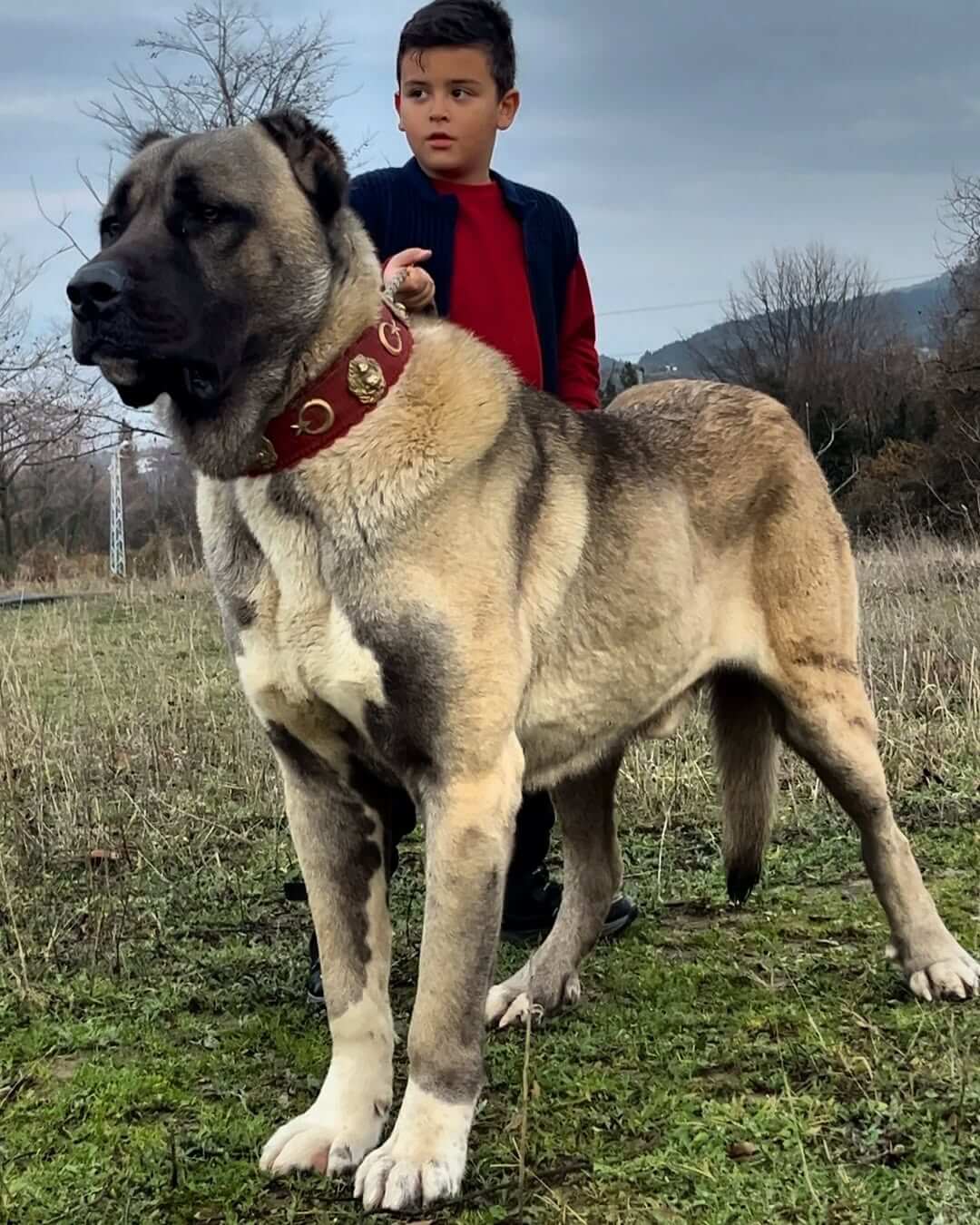
Independent and ancient in instinct.
These dogs work by assessing threats on their own — a trait shaped by centuries of livestock protection.
Expert breed guidance notes that “under no circumstances should an Anatolian receive protection or guard-dog training,” according to this AKC-referenced Anatolian overview.
Their instincts already run strong; structured protection training can distort it.
10. Akita
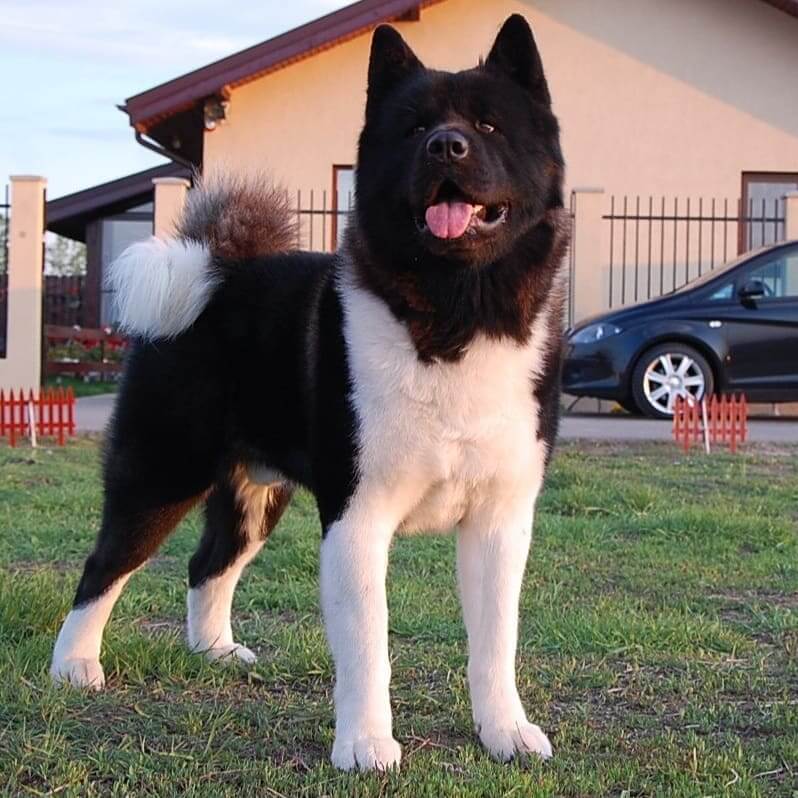
Quiet, loyal, and emotionally perceptive.
Akitas form deep attachments to their families and maintain a calm, serious demeanor. They’re reserved with strangers but affectionate at home.
Their protective instincts are strong, but they thrive best with experienced owners who appreciate their dignified nature.
11. Rhodesian Ridgeback
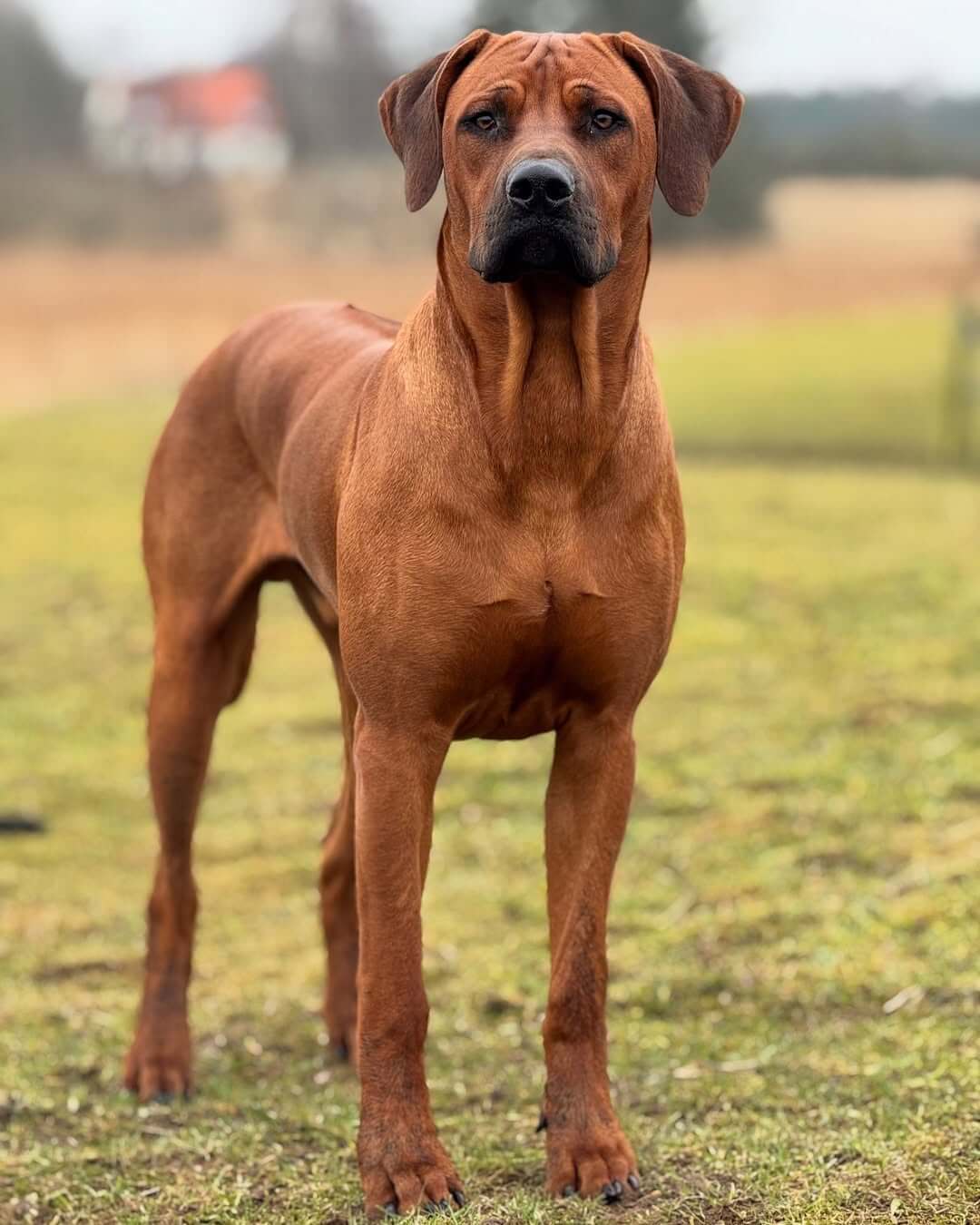
The lion tracker with a gentle home life.
Ridgebacks carry a powerful presence yet remain affectionate with their families.
They need consistent direction because of their independence, but they excel as steady, watchful companions when trained well.
12. Great Pyrenees
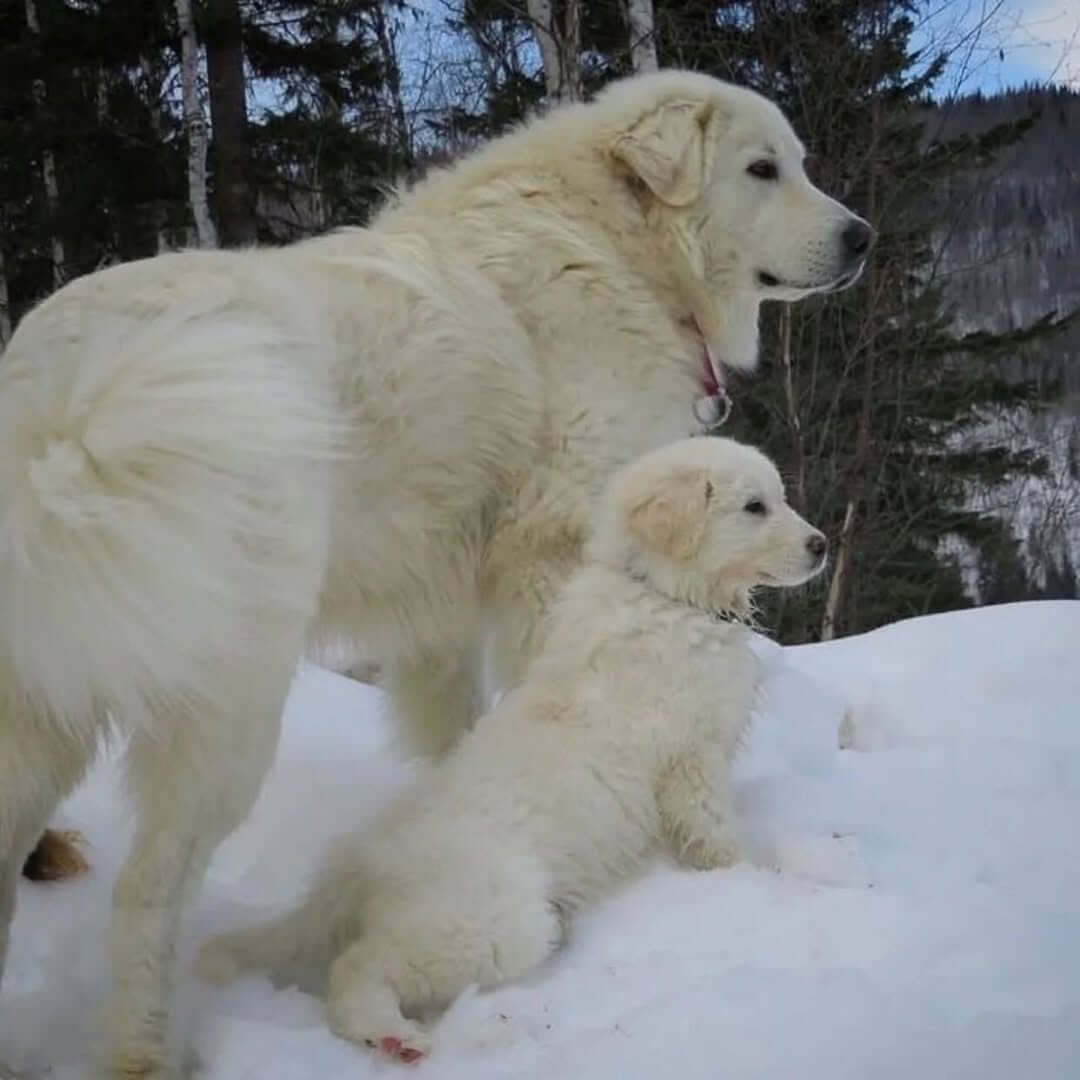
A patient, soft-spoken sentinel.
Originally used to protect livestock, Great Pyrenees dogs watch over their household with quiet confidence.
They rarely show aggression but won’t hesitate to stand between danger and the people they love.
How Training Shapes a Guardian Breed
Training determines whether a protective instinct becomes helpful or problematic. Key foundations include:
- early exposure to different environments
- teaching calm responses to strangers
- building solid recall
- reinforcing boundaries
- preventing fear-based reactions
Strong breeds need consistent practice, not intensity. Most experts agree that families should avoid methods that create tension or unpredictability.
A helpful framework comes from professional trainers who advise that “when selecting a breed of family protection dogs, it’s important to balance traits like temperament, strength, loyalty, and trainability”, as explained on TotalK9.
When a Guardian Breed Isn’t the Right Fit
Some situations don’t pair well with strong guarding breeds:
- inconsistent routines
- no experience with large working dogs
- small living spaces
- fragile or anxious pets already in the home
- households struggling to maintain training schedules
- environments with frequent visitors or noise
Choosing a dog is a commitment to their needs, not just their abilities.
FAQs About Guard Dog Breeds
Are guard dogs dangerous?
Not if they’re trained and socialized. Problems arise from neglect or inconsistent rules.
Do they bond with the whole family?
Most form primary bonds but still protect the home as a whole.
Can any dog become a guard dog?
Instinct varies. Training strengthens behavior but doesn’t create true guarding ability from scratch.
Are guard dogs good with kids?
Many are, but temperament and supervision matter more than breed.
The Heart Behind the Protection
A real guard dog doesn’t stand watch out of aggression. It stands watch out of connection. These breeds learn your footsteps, sense your mood, and guard your home as if it’s their own legacy.
They don’t just protect your space — they protect your peace.
Also read:


