Henry Was Too Weak to Walk to Safety. So His Rescuer Carried Him.
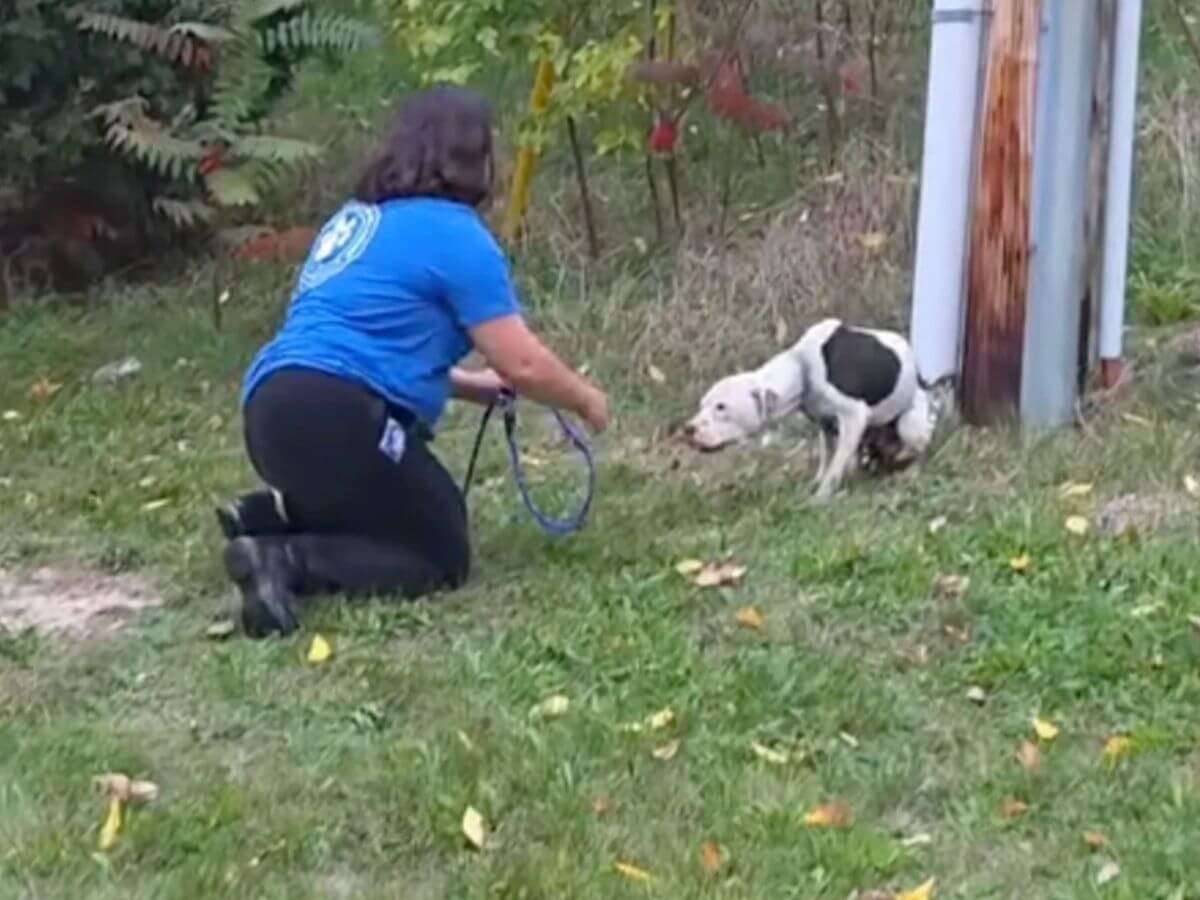
The shelter was just across the street. Henry couldn’t reach it on his own.
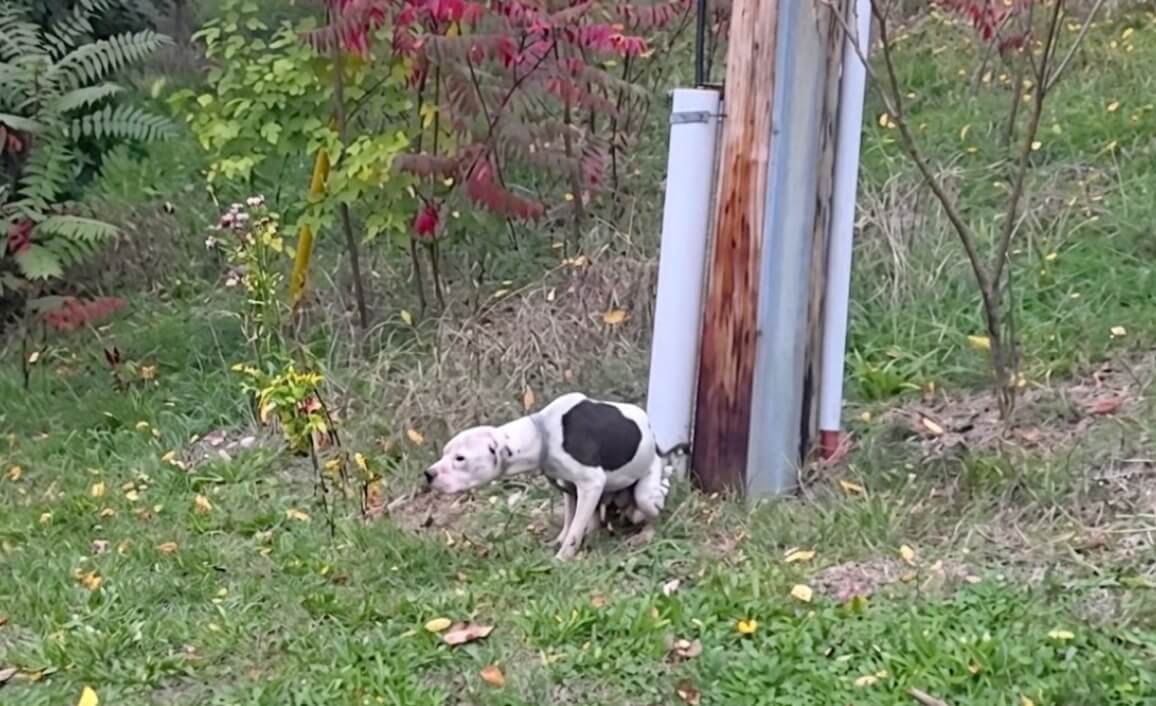
He was chained to a nearby pole when shelter staff came to help. After they removed the chain and slipped a leash over his head, the severely underweight dog still did not have the strength to finish the short walk.
So Pearle lifted him into her arms and carried him inside.
Henry had reached a place where someone could examine him, prepare his meals, and watch over him while he rested. But getting through the door was only the beginning of the care he needed.
Pearle Carried Henry Across the Street
Henry’s rescue and care are credited to Michigan Animal Rescue League, also known as MARL. The shelter’s Henry rescue post is the original material identified in reporting about his arrival. The narrated account discussed here was shared by the Dogs Are Family YouTube channel.
According to that narration, staff members Pearle and Natalie approached Henry after he was spotted chained to the pole. They found a dog who was severely underweight and needed help.
They did not know how long he had been waiting there.
The video’s narration describes the difficulty of getting him inside. “Sadly, Henry was too weak to walk across the street to the shelter on his own”.
Pearle carried him the remaining distance. Once he was inside, the medical team could examine him and begin planning his treatment.
The initial assessment described in the account found no major injuries or illnesses. His severe malnutrition still required close attention, and later examinations would raise questions about his back legs.
For now, the team began with food, rest, and monitoring.
His First Meals Were Part of His Treatment
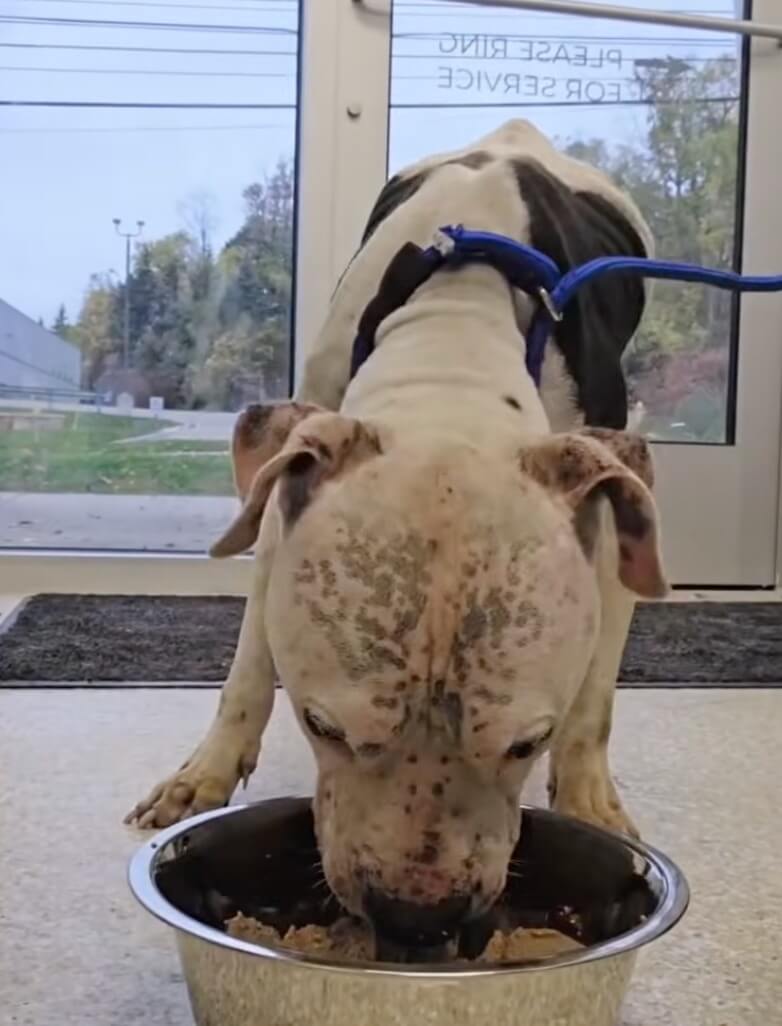
Henry received small, frequent meals while staff watched how his body responded. They checked that he was eating, drinking, and going to the bathroom normally.
A dog as thin as Henry can make someone want to fill a bowl and keep adding food. His care called for a more measured approach.
ASPCApro states, “Following a refeeding protocol is recommended for the first few days”.
That guidance does not establish which protocol MARL used. It explains why restoring nutrition to a severely underweight dog involves a feeding plan and close observation.
If you find a dog in this condition, contact a veterinarian or animal shelter for feeding instructions. The amount and pace should suit the dog’s health, rather than a general goal of helping him gain weight as quickly as possible.
Henry had a team making those decisions and watching for changes between meals.
Two Pounds and a Little Radish Toy
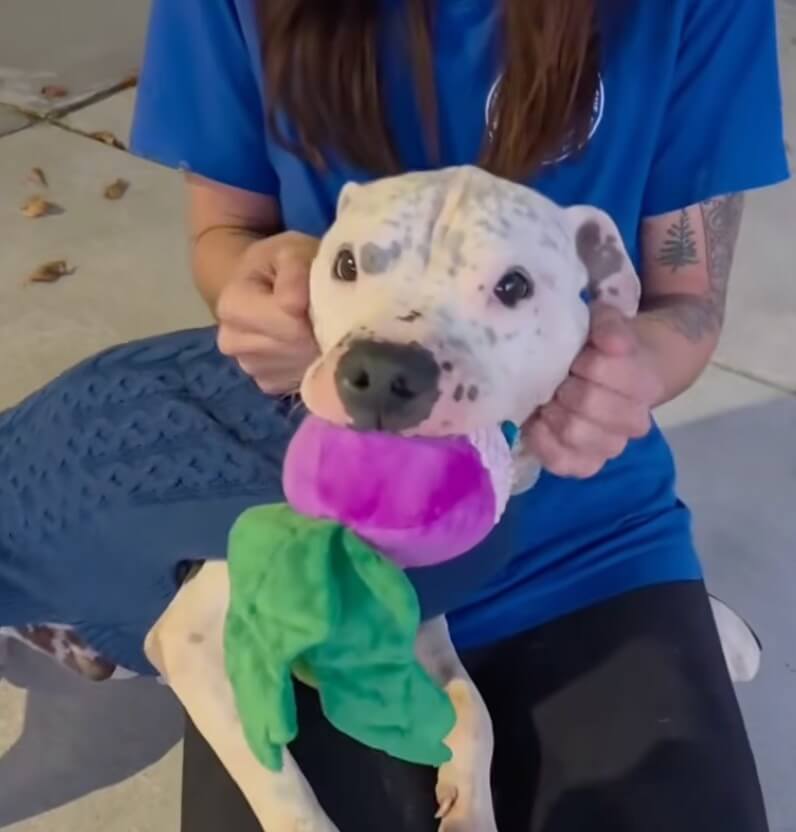
Early in his recovery, Henry had gained two pounds.
It was encouraging progress for a dog who had arrived in someone’s arms. The account also describes him eating, drinking, and going to the bathroom normally.
Staff and volunteers spent time with him, offering affection as he settled into their care. His tail wagged during their visits, and his gentle personality became easier to see.
Then he found a favorite toy, a little radish.
His days now held more than examinations and meals. There were people to greet and something of his own to play with.
Those details did not mean his recovery was complete. They gave his caregivers a chance to learn about Henry beyond his medical needs.
The dog they had carried inside was becoming a familiar presence at the shelter.
His Back Legs Needed Another Look
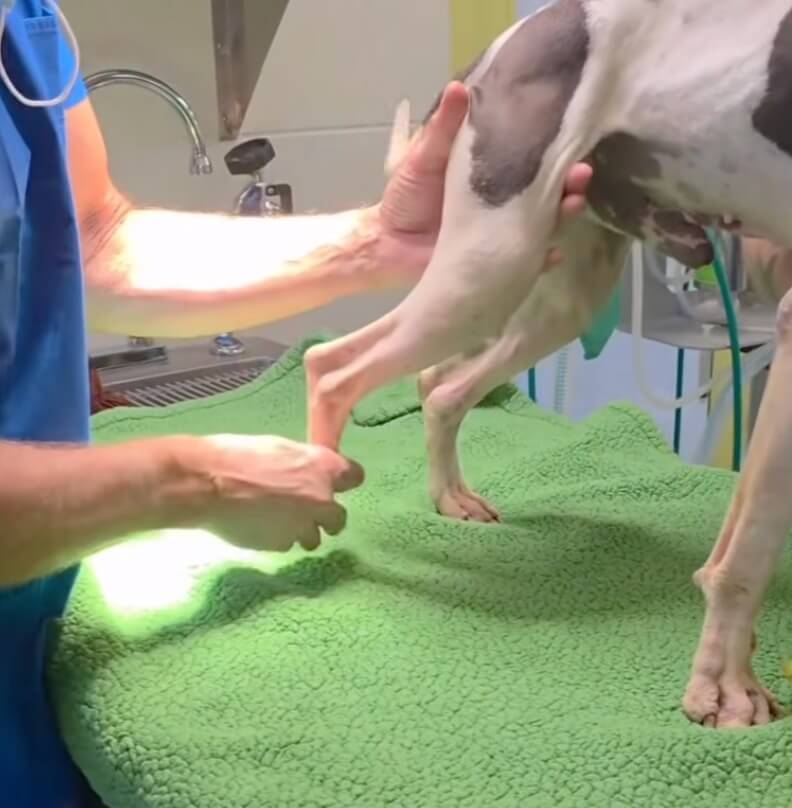
As Henry grew stronger, further examinations brought a separate concern into focus.
The video’s narration reports that “he struggled to sense the position and movement of his back legs, especially the right one.”
The observation raised questions about his awareness of where his feet were, rather than simply how much energy he had.
MSPCA-Angell explains, “Conscious proprioception allows the patient to know where their limbs are in space”.
That term helps explain what Henry’s caregivers were observing. It does not establish the cause of his difficulty or supply a diagnosis.
According to the narrated account, Henry received pain medication while the team continued helping him regain strength. They planned X-rays once he was healthy enough for sedation.
The account does not include the eventual imaging results. His improving appetite and weight were welcome changes, but they did not answer every question about how he moved.
His caregivers continued addressing the needs they could identify while arranging further assessment.
Henry Began Spending Time Outside
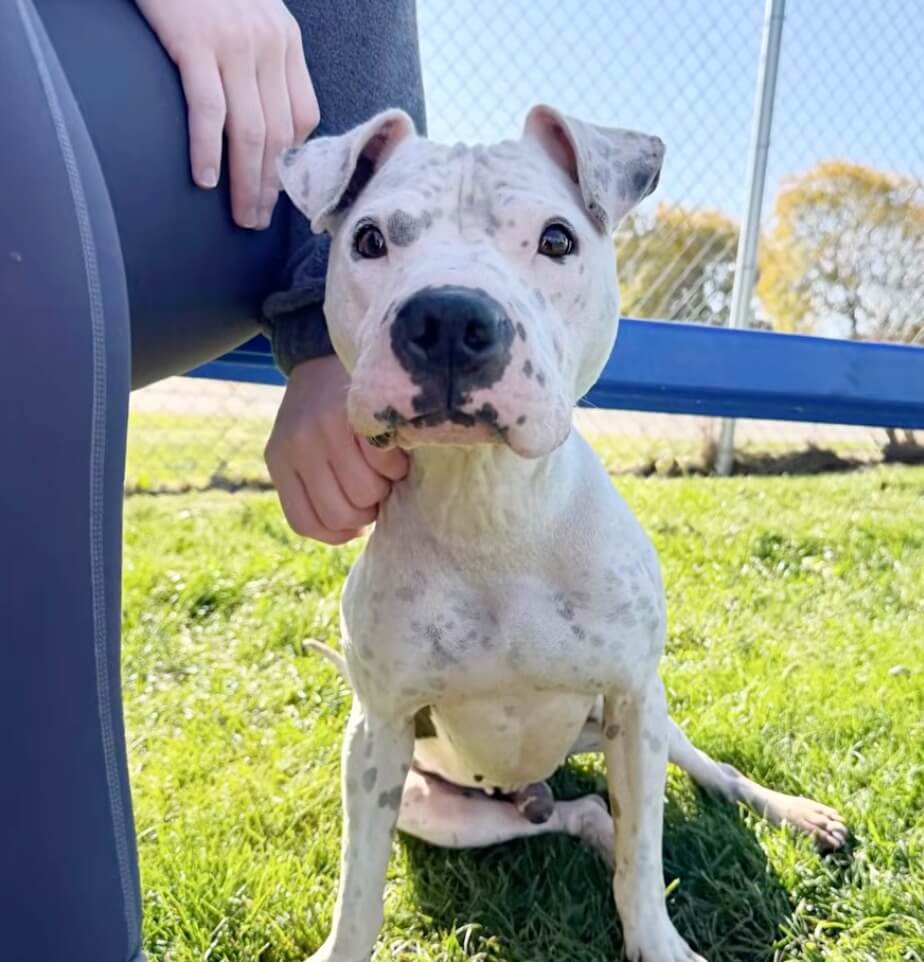
Later in his recovery, Henry visited MARL’s large outdoor play yard.
He still had strength to regain and medical questions to work through. The outing was another part of his care, rather than proof that every concern had passed.
His days were beginning to include more than the place where he ate and rested. He could spend time outside with people who had been looking after him.
Alongside his meals and examinations, Henry was receiving attention, company, and opportunities to take an interest in his surroundings.
The changes were modest, but they were observable. He was eating, gaining weight, welcoming affection, and enjoying a toy.
His Progress Still Needed Follow-Up
Early weight gain can offer hope without settling every question about a dog’s health.
The American Animal Hospital Association notes, “The nutritional assessment is an iterative process that requires repeated assessment over the animal’s lifetime.”
For someone caring for an underweight rescue dog, that means keeping follow-up appointments even when the dog seems brighter. The veterinary team can assess progress and decide whether the feeding plan needs to change.
Henry’s care involved that continuing attention. Staff monitored his meals and weight while also investigating his mobility.
A better appetite did not remove the need to examine his legs. More interest in affection did not mean he had regained all his strength.
His caregivers needed to notice what was improving and what still required help.
Henry’s Recovery Was Still Underway
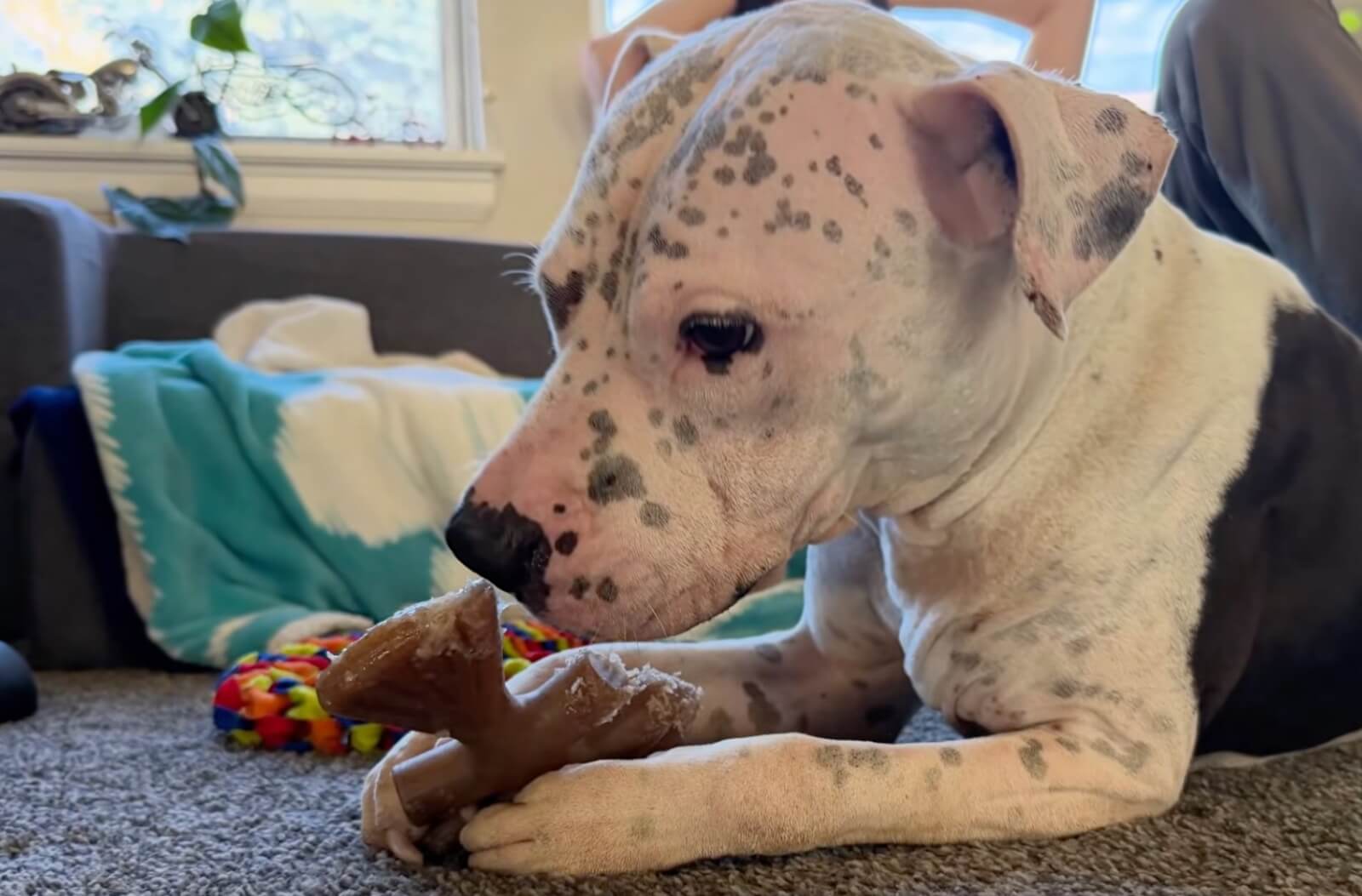
The early recovery described here does not establish Henry’s final medical outcome. The eventual imaging findings and a confirmed adoption update are not available in the material verified for this account.
What it does document is a dog receiving care after arriving too weak to complete a short walk.
Henry had begun gaining weight. He was accepting affection, spending time outside, and showing interest in play.
There was reason to feel hopeful without asking those early changes to prove more than they could. He still needed care, and he had people continuing to give it.
The Help Continued After He Was Carried Inside
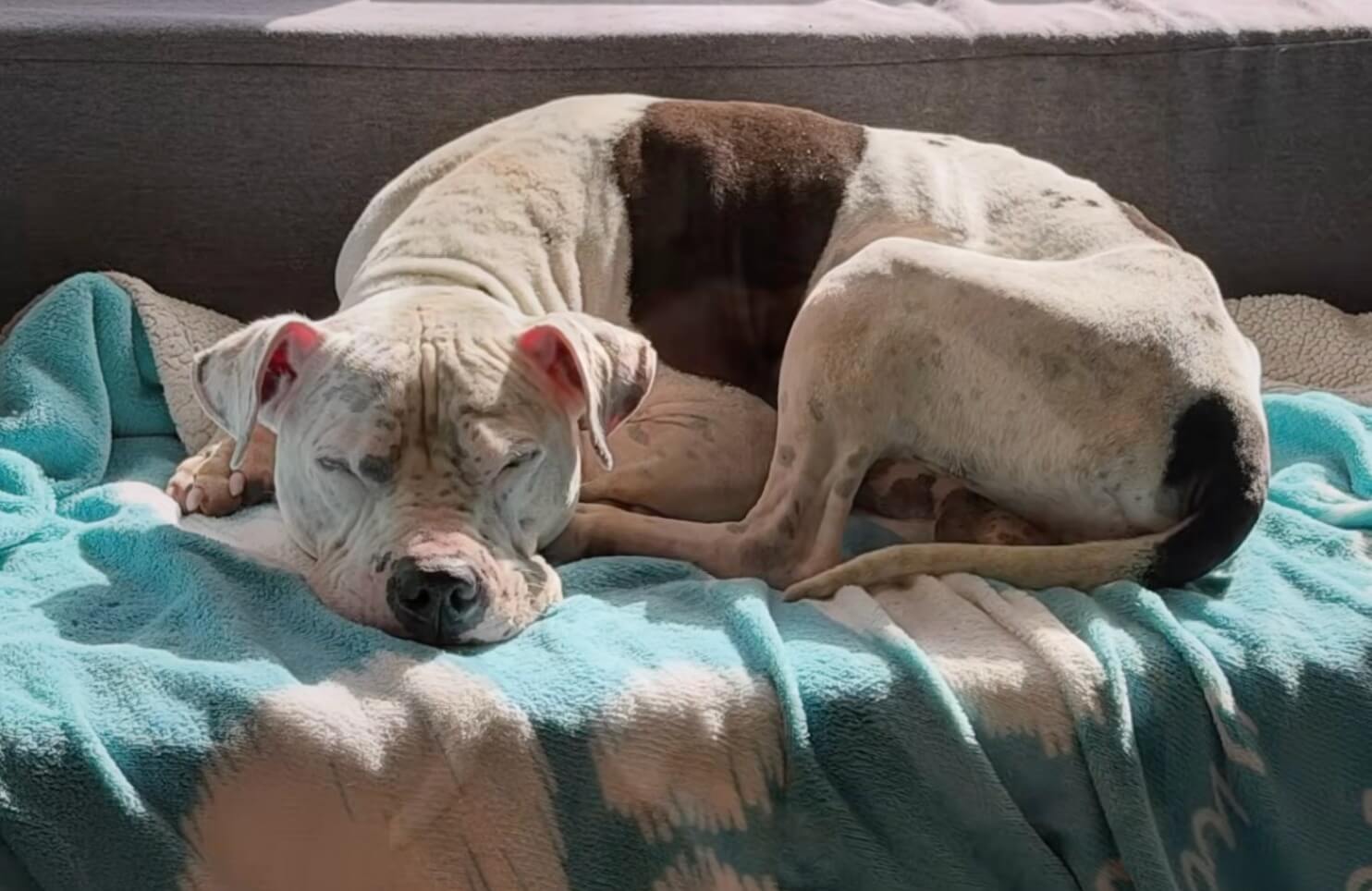
Pearle’s walk across the street was short. The care that followed took patience.
MARL’s team fed Henry carefully, monitored his progress, offered companionship, and investigated the difficulty with his legs. Staff and volunteers also made time to sit with him and learn what he enjoyed.
When Henry could not finish the walk to shelter, Pearle carried him. Once he was through the door, the team kept responding to what he needed.
His recovery appeared in ordinary moments, a meal eaten, a wagging tail, a little radish toy. Together, they showed how different his days had become.
Share Henry’s story and remind others how much patient care can mean for a dog who needs help.
Also read:
The Tiny Puppy Cried on Rescue Day. Fifty Days Later, His Smile Said Everything


