
Caring for High-Energy Pets in Low-Space Homes

Energy does not disappear just because square footage shrinks.
Many pet owners learn this the hard way after moving into an apartment, condo, or smaller home.
You might love your pet deeply and still feel overwhelmed by pacing, noise, or constant movement. That tension does not mean you made the wrong choice. It usually means the environment needs clearer structure and better outlets.
This guide focuses on what actually works when space is limited, energy runs high, and daily life still needs to function. The goal is not perfection. It is a calmer routine that supports both you and your pet without turning every day into a battle.
This article offers general guidance and does not replace advice from a veterinarian, trainer, or behavior professional familiar with your pet’s needs.
Why Space Is Rarely the Real Problem
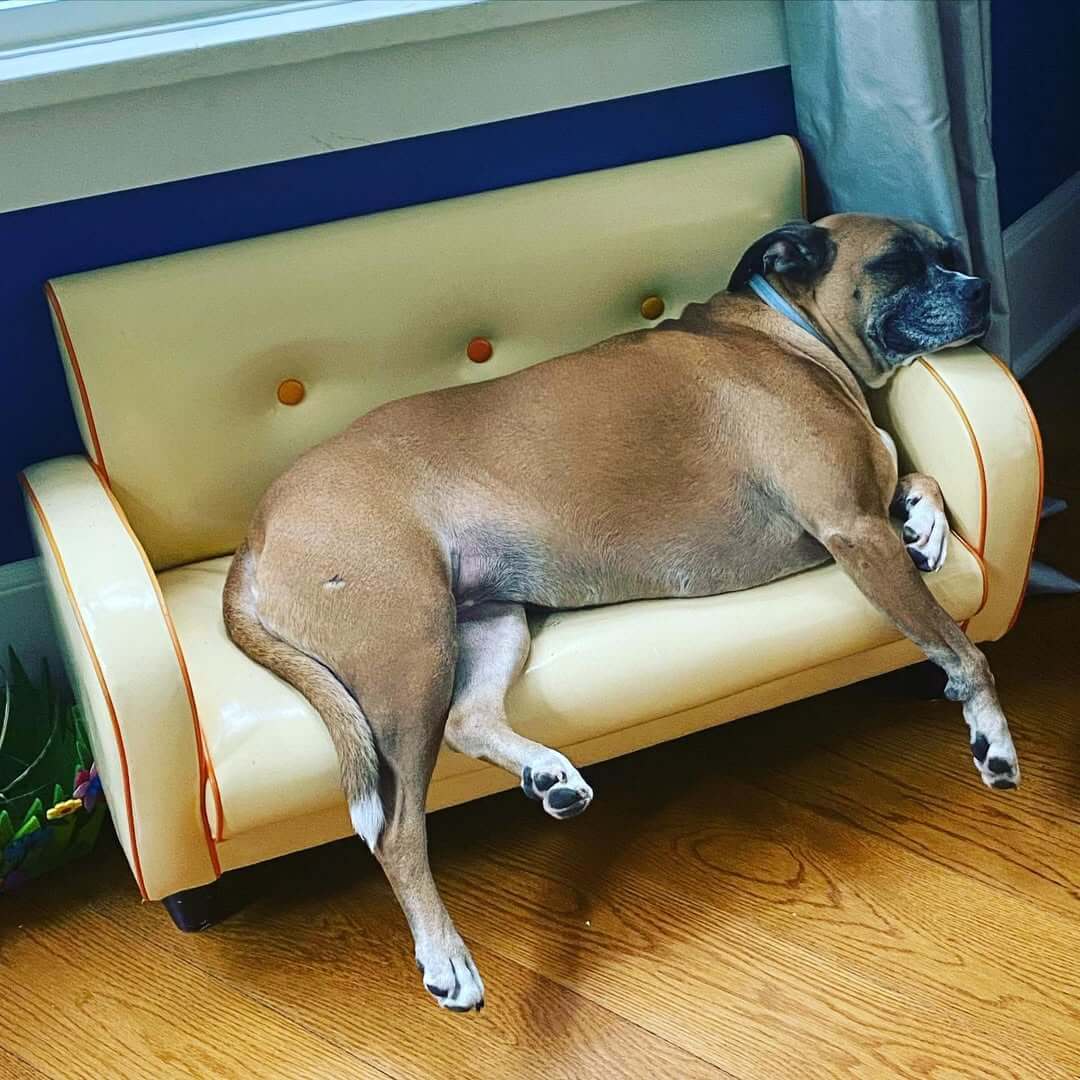
High-energy behavior often gets blamed on small homes. In reality, most issues come from unmet outlets.
Pets need ways to use their brains, bodies, and senses. When those needs pile up without release, restlessness follows. Destruction, barking, and zooming are often signs of excess energy looking for direction.
The goal is not more room.
The goal is better use of time.
That starts with understanding what kind of work actually tires pets out.
Mental Work Counts More Than Most People Think
Many owners assume physical exercise is the only solution. That belief creates frustration when long walks still lead to chaos indoors.
Veterinary behavior guidance points to a different approach. The American Animal Hospital Association explains mental engagement simply and clearly: “Mental enrichment is giving the cat things to do that stimulate the brain.”
This idea applies across species. Problem solving, scent work, and learning tasks can drain energy faster than repetitive movement.
In low-space homes, mental effort becomes the main tool.
Building a Daily Energy Budget
Instead of one big outlet, spread effort across the day.
A short morning session sets the tone. A midday task breaks boredom. An evening wind-down helps settle the nervous system.
These do not need much space. Five focused minutes of training or puzzle feeding often does more than an unfocused walk.
Think in blocks, not marathons. Once that rhythm forms, space starts to matter less.
Turning Small Areas Into Functional Zones
Small spaces work best when they serve clear purposes. A hallway can become a leash-training lane. A quiet corner can hold puzzle feeders. A doorway can support impulse-control practice.
Zones give pets clear expectations. This reduces frantic movement and helps them switch modes throughout the day.
Vertical space matters too, especially for cats. Shelves, window perches, and climbable surfaces create movement without floor sprawl.
Function beats size every time.
When Outdoor Time Needs to Be Strategic
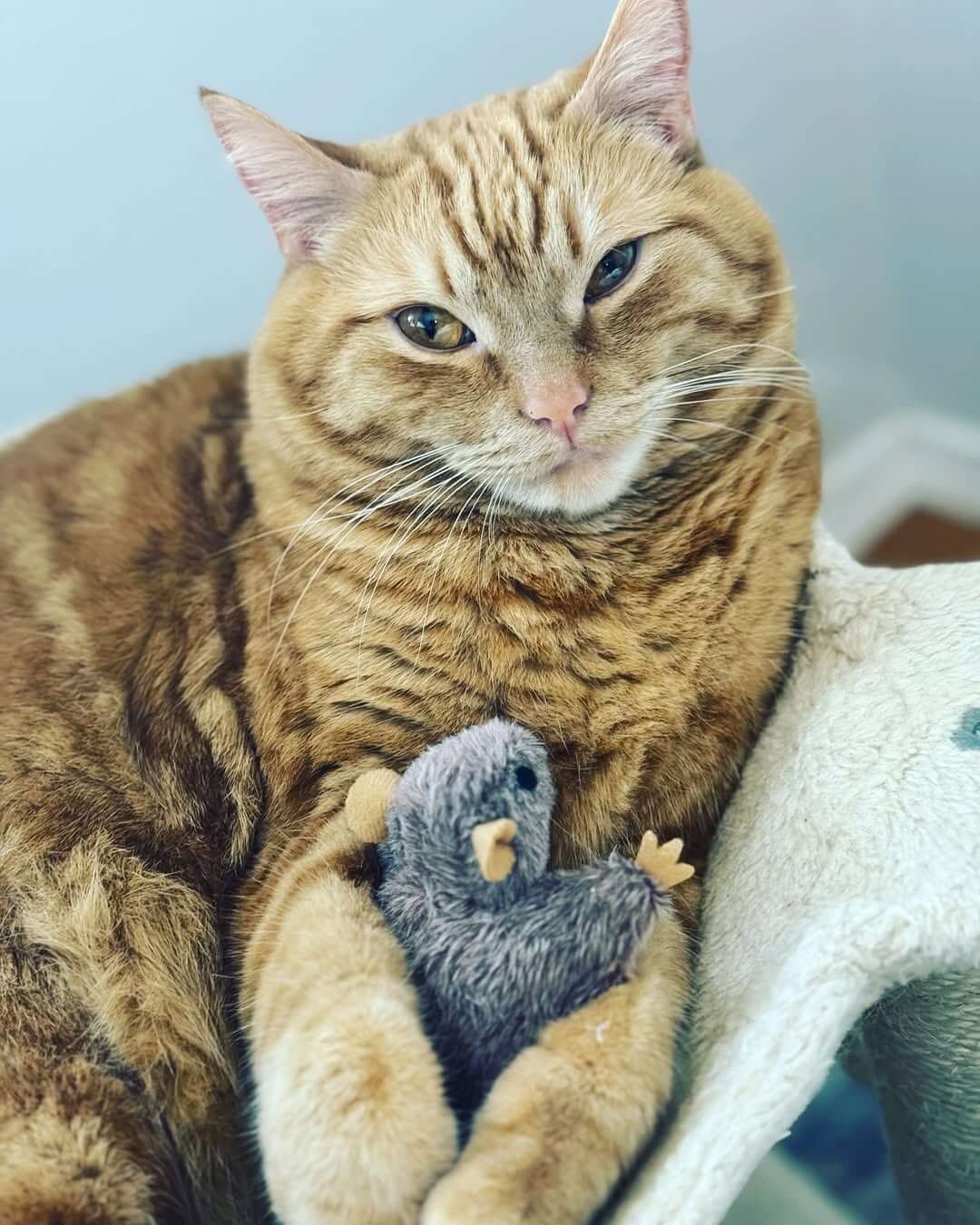
Not every home allows long outings. That does not mean outdoor time loses value.
Animal welfare guidance supports focused engagement over duration. The RSPCA notes: “Mental stimulation can engage even the most active dogs and is much safer in the heat.”
Use outdoor time for sniffing, training, and calm exploration. Let the brain work while the body moves lightly.
This approach suits shared buildings, busy schedules, and weather limits.
Routine Reduces Chaos More Than Intensity
High-energy pets often struggle most with unpredictability.
Set clear daily patterns. Feed at similar times. Play with purpose. Rest intentionally.
Consistency lowers stress and prevents constant energy spikes. Over time, pets learn when activity is coming and when calm is expected.
That predictability benefits owners too, especially in tight living quarters.
Noise, Neighbors, and Shared Walls
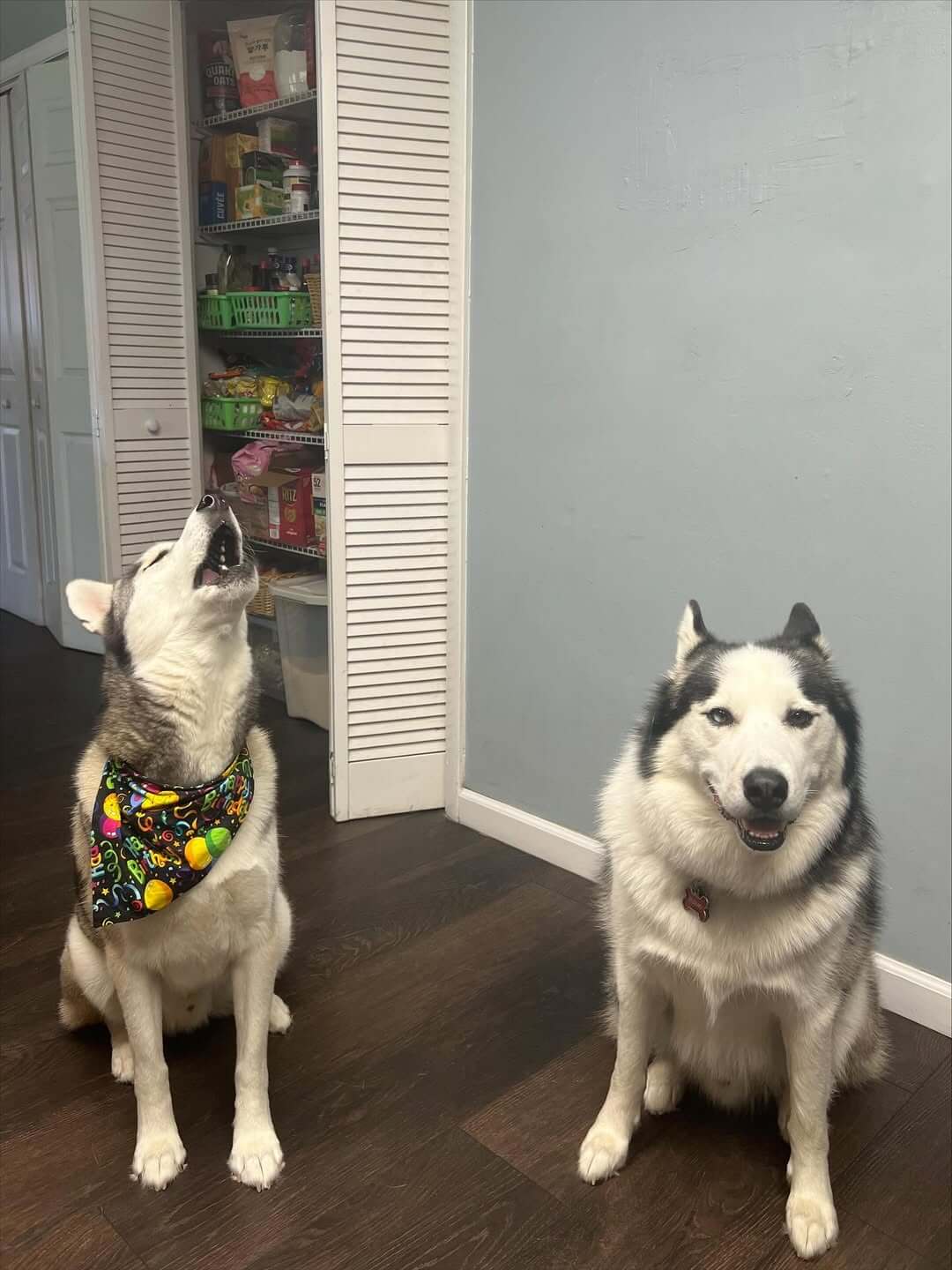
Apartments add pressure. Barking echoes. Zoomies feel louder. Timing matters.
Schedule active play when neighbors are awake. Use mats and rugs to soften sound. Redirect energy before it spills into frustration.
Quiet does not come from suppression. It comes from balance.
Owner Burnout Is Part of the Equation
Living with a high-energy pet in a small space can exhaust even dedicated owners.
When frustration builds, pets sense it. Tension travels fast in close quarters.
Short breaks help. Rotate enrichment. Ask for support without guilt.
Professional guidance can be useful here. The Merck Veterinary Manual notes the foundation clearly: “The first step in treating abnormal repetitive behaviors in a dog is to make sure that the dog has age- and breed-appropriate exercise and mental stimulation.”
That principle applies long before behavior becomes a crisis.
A Small Home Can Still Be a Good One
Low space does not mean low quality of life.
With structure, intention, and follow-through, high-energy pets can thrive in compact homes. What matters is not how much room you have, but how thoughtfully you use it.
Progress looks like calmer evenings, fewer surprises, and routines that feel manageable instead of exhausting.
That balance is possible, even when space is limited.
Related guides:
How to Help Pets Maintain Healthy Energy Levels
High-Energy vs Low-Energy Dog Breeds: What Owners Should Know


