
High-Energy vs Low-Energy Dog Breeds: What Owners Should Know

Most dog owners do not struggle because they chose the wrong breed.
They struggle because daily life does not match their dog’s energy.
I learned this after living with two dogs who could not have been more different. One settled easily after a walk. The other paced, searched for stimulation, and stayed restless long after the leash came off. I assumed one needed more exercise and the other needed less attention.
That assumption missed the point.
Energy level shapes how dogs behave, how they rest, and how they handle stress inside the home. When it is misunderstood, even caring owners feel worn down, unsure why simple days feel harder than they should.
Here is the relief most people need to hear.
This is not about choosing a “better” dog. It is about understanding what your dog needs to feel balanced during real, everyday life.
Once energy fits the routine, behavior changes often follow without constant correction.
Let’s break it down.
What “Energy Level” Really Looks Like at Home
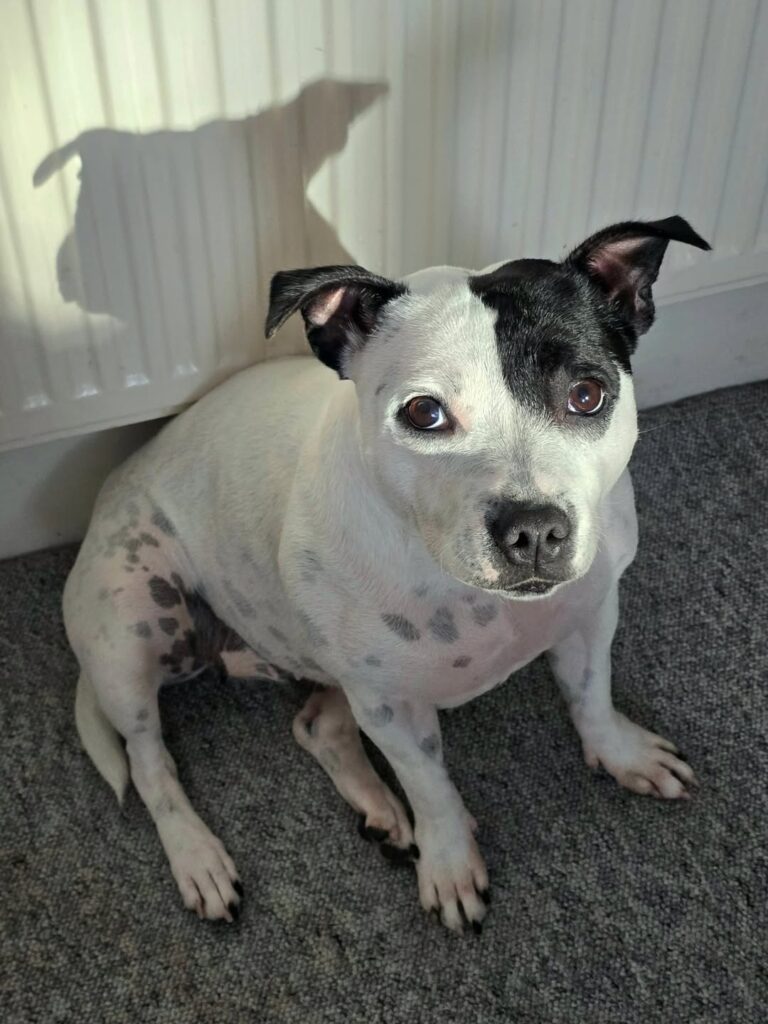
Energy is not measured by miles walked.
It shows up in how long a dog stays alert, how quickly they settle after activity, and how much mental input they need before rest feels possible. Two dogs can cover the same distance and come home in very different states.
Research from the University of Bristol, based on a large owner survey, found clear differences in activity levels across breeds, along with a gap between what dogs need and what they often receive. That gap helps explain why some dogs pace indoors while others nap easily.
Here is something to notice today. After activity, does your dog relax on their own or keep searching for something to do?
That answer tells you more than breed labels ever will.
Also read:
The Ultimate Guide to Responsible Pet Ownership and What It Really Looks Like
Living With a High-Energy Dog Is About Direction, Not Exhaustion
High-energy dogs are often described as needing endless exercise. Many owners respond by adding distance, speed, or duration, only to end up with a dog that still cannot settle.
What these dogs need is guidance, not just movement.
The American Kennel Club explains that dogs with higher energy levels need more daily activity, yet activity alone does not guarantee calm. Movement without focus often builds stamina without easing restlessness.
I learned this the slow way. Longer walks made my dog fitter, not calmer. Behavior changed when activity gained shape. Short training moments. Clear start and stop points. Purpose inside play.
Try this on your next walk. Pause for a few minutes and ask for simple focus before moving forward again. Many dogs relax faster once their mind slows first.
Low-Energy Dogs Still Need Engagement

Low-energy dogs are often labeled easy. That label can quietly lead to long stretches of inactivity and little mental input.
Calm does not always mean content.
The RSPCA explains that enrichment supports well-being by engaging a dog’s senses and mind, not only their body. When stimulation is missing, boredom can show up as clinginess, withdrawal, or sudden bursts of restlessness.
I made this mistake early on. I assumed my calmer dog needed less interaction. Over time, boredom showed up in small ways that were easy to miss.
What helped were gentle outlets. Food puzzles. Short walks with sniffing time. Calm play spread through the day.
Low-energy dogs still need daily engagement. They just thrive on steadier pacing.
Energy Mismatches Often Look Like Behavior Problems
Many issues blamed on training begin with unmet energy needs.
Barking. Chewing. Pacing. Shutting down.
The MSD Veterinary Manual explains that one of the first steps in addressing behavior problems is making sure dogs receive age- and breed-appropriate activity, mental input, and routine. Without that base, behavior plans often stall.
Before labeling a behavior as stubborn, ask one question.
Is this dog’s energy being guided or left without direction?
That question alone can shift months of frustration.
Matching Energy Level to Your Real Life

Most owners imagine an ideal routine when choosing a dog. Long walks. Training sessions. Play every day.
Daily life looks different.
Work schedules change. Weather limits movement. Personal energy drops.
Veterinary guidance from the American Animal Hospital Association stresses behavior planning that fits real routines, not perfect ones. Consistency matters more than how much you do on your best days.
Ask yourself honestly today. How much movement, focus, and connection can you offer on an average day?
Matching energy to reality protects both you and your dog.
When Energy Needs Are Met, Behavior Changes First
When energy fits the environment, dogs soften.
Focus improves. Rest comes easier. Small problems fade without added correction.
This surprised me the most. I expected training to solve behavior. Meeting energy needs made training easier.
That shift reduced tension for both of us.
What to Do if Your Dog’s Energy Level Surprises You
Many owners already have their dog. Adjustment is still possible.
Small changes tend to work best.
Short training moments. Predictable play windows. Calm downtime after activity.
Energy does not need to be burned away. It needs structure.
Try one change and observe for a few days before adding another.
Energy Changes Over Time
Puppies surge. Adolescents test limits. Adults settle. Seniors slow down.
Expectations need to change along with them.
A routine that worked last year may not work now. That does not signal failure. It signals growth.
Stay observant. Stay flexible.
By this point, many owners start rethinking what they assumed about their dog’s energy.
Some feel relief.
Some feel unsure where they fit.
Others realize their routine needs a small reset, not a full overhaul.
These are the questions that usually come next.
Frequently Asked Questions About High-Energy and Low-Energy Dogs
Can a high-energy dog ever learn to settle?
Yes, and many do. Settling is not about draining every ounce of energy. It comes from structure, clear transitions, and predictable downtime. When activity has a beginning and an end, dogs learn when to switch off.
If your dog stays restless after exercise, focus on how the activity ends, not how intense it is.
Are low-energy dogs okay with fewer walks?
Some are, but fewer walks does not mean less engagement. Low-energy dogs still benefit from daily movement, sensory input, and connection. Skipping all activity can lead to boredom, even if the dog seems calm on the surface.
Short, consistent outings often work better than long gaps.
Does breed always determine energy level?
Breed influences energy, but it does not define it fully. Age, health, past experience, and environment all shape how energy shows up. Two dogs of the same breed can have very different needs.
Pay attention to the dog in front of you, not just the label.
What if my lifestyle changes after getting a dog?
That happens more often than people admit. Energy needs can be adjusted through routine changes, not guilt. Small shifts in timing, focus, or engagement often help more than major changes.
Adaptation is part of responsible ownership.
How do I know if behavior is about energy or something else?
Energy-related issues often improve when routines become steady and engagement matches the dog’s needs. If behavior changes suddenly, escalates, or comes with signs of fear or discomfort, a veterinarian should be involved.
Behavior is communication. Context matters.
Is it possible to give too much activity?
Yes. Constant stimulation without rest can make some dogs more restless, not calmer. Recovery time matters just as much as movement. Watch how your dog behaves after activity, not during it.
Balance shows up in what happens afterward.


