
Common Household Items That Are Dangerous for Pets
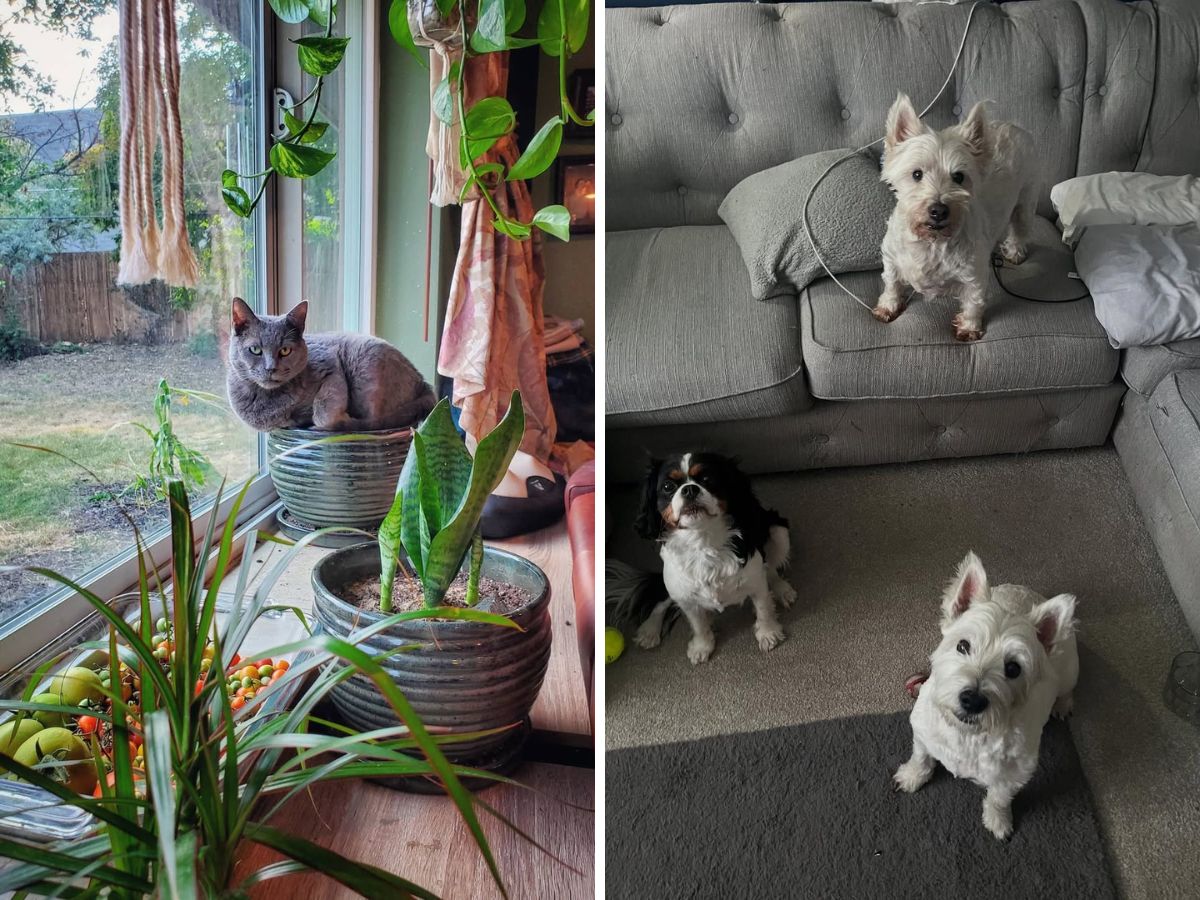
Most pet accidents do not happen because owners are careless.
They happen because everyday items fade into the background. A snack shared without thinking. A pill dropped on the floor. A cleaner left uncapped for just a moment. Pets live close to the ground, guided by scent and curiosity. That combination can turn ordinary homes into risky spaces.
This is not about blame. Even attentive owners can miss hazards that feel harmless because they are part of daily life.
Here is why awareness matters.
Many household dangers do not look dangerous at all. They look familiar. Recognizing where risk hides helps owners make small adjustments before problems arise.
Let’s take a closer look.
A quick safety note for readers
This article shares general information to help pet owners recognize common household risks. It focuses on awareness and prevention, not treatment or emergency instructions. If a situation feels concerning or exposure is suspected, a licensed veterinarian or pet poison resource is the right next step.
Why pets explore what they should not

Pets experience the world through smell and taste.
Dogs investigate with their mouths. Cats test textures and scents. Items that smell sweet, salty, or simply interesting often attract attention, even when they were never meant to be touched.
Veterinary guidance shows that many exposures happen during normal routines rather than unusual events. Meal preparation, cleaning days, medication schedules, and seasonal decorating all introduce items pets may explore without warning.
Awareness often begins with noticing where risk quietly blends into routine.
Also read:
Early Signs of Illness in Pets That Owners Often Miss
How to Reduce Jumping, Pulling, or Attention-Seeking Behavior in Your Pet
Foods that seem harmless but can hurt pets
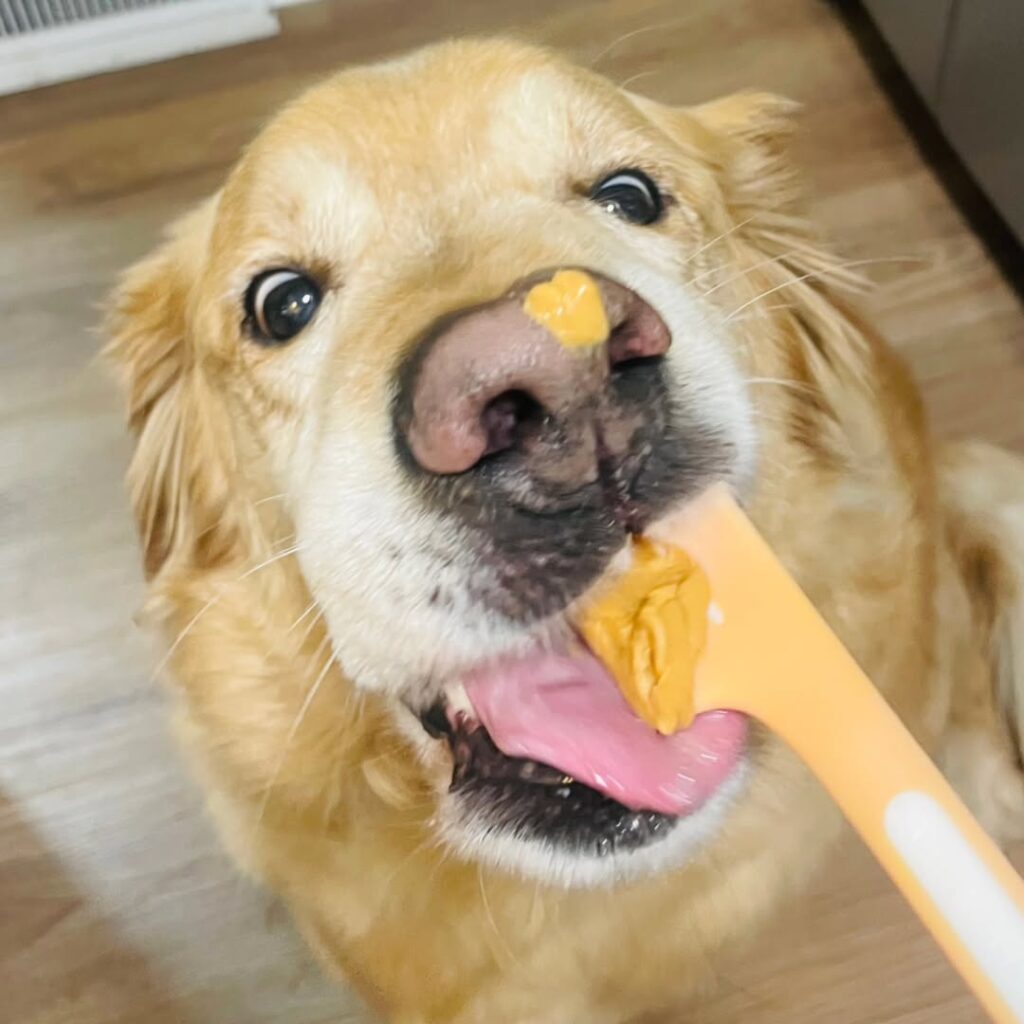
Food remains one of the most common trouble spots.
Well-meaning owners share bites from the table. Guests drop snacks. Wrappers get licked clean. Some human foods may upset a pet’s system, while others pose a greater risk even in small amounts.
According to the U.S. Food and Drug Administration, several everyday foods and ingredients meant for people can be harmful to pets when ingested.
Keeping feeding routines consistent helps pets learn boundaries and reduces exposure during busy moments.
Cleaning products and chemical exposure at home

Cleaning supplies protect human health. Pets experience them differently.
Floor cleaners, disinfectants, drain products, and pest control chemicals can irritate skin, eyes, or mouths when pets walk across treated surfaces or groom residue from their paws.
The American Veterinary Medical Association identifies household cleaners and pest products as common sources of pet exposure, especially during routine cleaning.
Here is why this matters.
Risk often comes from what lingers rather than what spills. Awareness around drying time and storage can lower exposure without changing cleaning habits.
Medications owners forget about
Human medications are designed for people, not pets.
Pills dropped near nightstands. Bottles left in purses. Supplements stored on counters. Pets may chew packaging or ingest tablets without anyone noticing.
The American Animal Hospital Association reports that human medications remain a leading cause of pet poison calls, even in careful homes.
Consistency helps here. Returning medications to the same secure spot each day reduces risk during busy routines.
Plants and decorative items inside the home
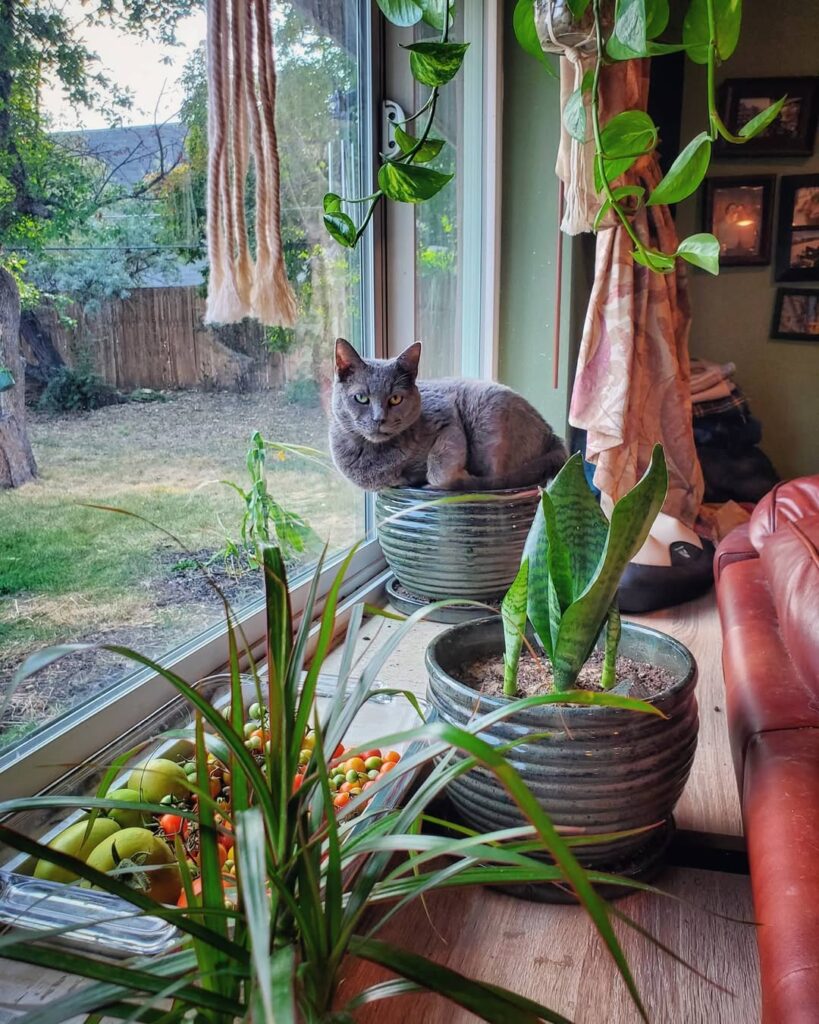
Plants add warmth to a space. Some also introduce risk.
Certain houseplants and cut flowers can cause illness when chewed or swallowed. Lilies deserve special attention for cat owners.
Veterinary experts at UC Davis explain that all parts of lilies, including pollen and vase water, are dangerous to cats and can cause severe kidney injury.
Checking plant safety before bringing new greenery indoors becomes especially important during holidays and special occasions.
Small objects and hidden hazards

Not every danger comes in a bottle or container.
Batteries, strings, rubber bands, coins, and small toys often attract pets because they move, shine, or smell interesting.
The MSD Veterinary Manual describes button batteries as a serious hazard due to their ability to cause burns and internal injury if swallowed.
These items are easy to overlook because they blend into drawers, remotes, and everyday clutter.
Garage and outdoor items that travel indoors
Garages hold risks that often go unnoticed.
Antifreeze, oils, and automotive fluids may attract pets due to taste and smell. Even small exposures can cause serious harm.
The ASPCA explains that antifreeze remains dangerous because pets may encounter spills or residue without owners realizing it.
What many people miss is how easily these substances travel indoors on shoes, tools, or equipment.
Why accidents happen in careful homes
Most exposures do not happen during chaos.
They happen during busy mornings, quick cleanups, and brief breaks in routine. Familiarity creates comfort. Comfort lowers vigilance.
Veterinary organizations consistently note that many poison incidents involve attentive owners who never expected an everyday item to pose a risk.
What to do if you suspect exposure
When something feels off, trust that instinct.
Contact a veterinarian or a trusted pet poison resource as soon as possible. Avoid home remedies or guesswork. Details about the item involved, timing, and observed behavior help professionals guide care.
Both the FDA and veterinary organizations stress that prompt contact supports safer outcomes.
How prevention fits into daily life
Prevention does not require perfection.
It works best when it fits into routine. Consistent storage. Quick checks after cleaning. Awareness during food prep. These habits lower risk without adding stress.
Small adjustments often make homes safer without changing how families live.
A final reminder for pet owners
This article focuses on awareness, not emergency care. It does not replace veterinary advice. If exposure is possible or concerns linger, a licensed veterinarian is the best source of guidance.
Everyday items feel harmless because they are familiar. Paying attention to those details helps protect the pets who share our spaces and routines.


