
He Didn’t Beg or Run. Johnny Just Stood There Waiting, and Someone Finally Noticed
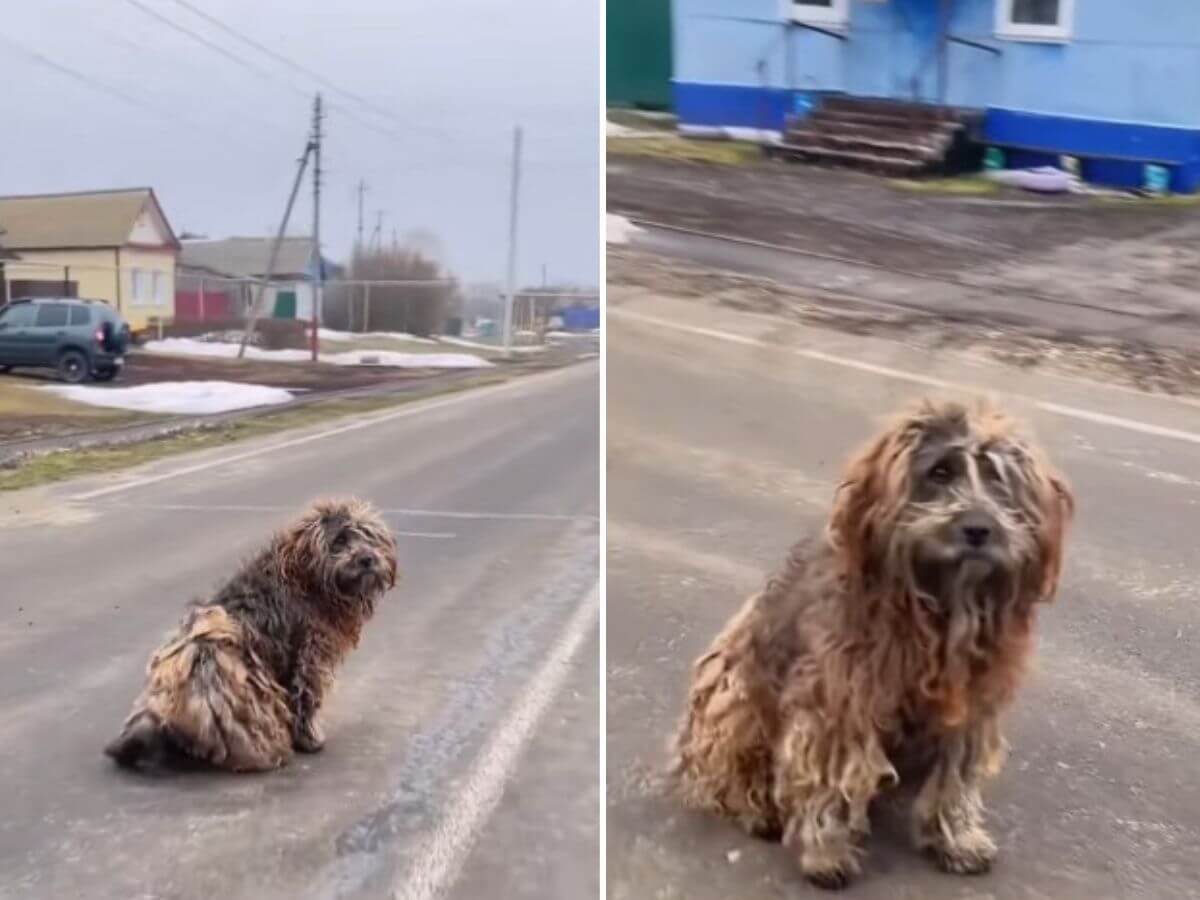
Johnny was standing in the middle of the road.
Cars rushed past, close enough to blur, yet he did not move. He balanced on three legs, his injured limb lifted and unused. His body stayed fixed in place, as if motion no longer served a purpose.
Johnny was a small adult dog, alone and visibly hurt, standing exactly where he had been left.
What stopped the rescuer was not panic or fear. It was Johnny’s gaze. Quiet. Searching. The kind of look that seems to ask whether waiting still makes sense.
People passed. Traffic flowed. Johnny remained exactly where he was, with nowhere left to go.
Here is why that moment mattered.
Dogs who panic run. Dogs who fear snap or cry. Johnny did neither. He stood still, not frozen by fear, but settled into it, as if the world had already moved on without him.
When Abandonment Happens Without Warning
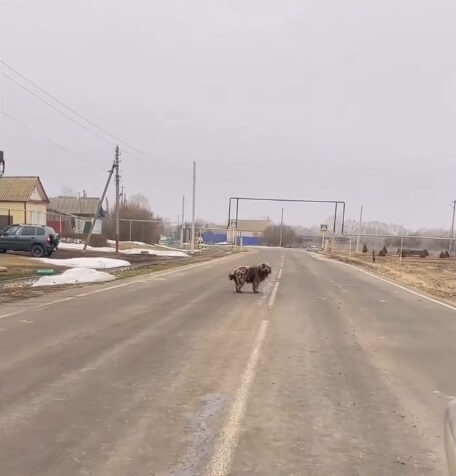
Johnny was found abandoned on the roadside. A small adult dog with one injured leg and a coat tangled from months without care. His body looked tired in a way that comes from hunger, not age.
The rescuer had seen abandoned dogs before, but this kind of stillness was rare.
Johnny was not asking for help. He was waiting.
And that kind of waiting is easy to miss.
Inside the Veterinary Room Where Johnny Was Stabilized
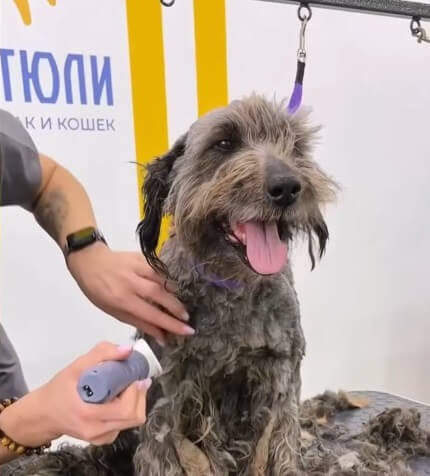
Johnny was brought to the veterinary hospital, and in that moment, his story quietly changed.
He was conscious but weak. His reactions were slow, yet steady. When placed on the examination table, he did not struggle. He watched everything closely, tracking hands and movement, trying to understand where he was and what would happen next.
The hospital lights reflected in his eyes as he shifted slightly, testing his strength. His injured leg stayed lifted. The rest of his body remained still.
He seemed caught between fear and hope. Was this another place he would be left behind, or was this where the waiting would finally end?
One of the rescuers later described that moment, saying “The Turning Point Didn’T Arrive With Urgency Or Drama.”
It came quietly. With warmth. With food. With patience.
Why Care Starts Slowly After Starvation
Johnny’s body had been weakened by malnutrition. Even small movements carried a cost. The care team moved with caution, not because they were unsure, but because they understood the risks.
According to veterinary guidance from ASPCApro, “Following a refeeding protocol is recommended for the first few days until the dog’s metabolism starts to transition back to a normal metabolism and food can be properly digested.”
Food was offered carefully. At first, Johnny only sniffed it. There was no rush. No pressure.
By the second day, he began eating small portions. Each finished bowl felt like a quiet victory.
The First Choice Johnny Made After Being Rescued
As Johnny settled into care, something in his body slowly relaxed.
His breathing evened out. His head lowered onto the blanket beneath him. For the first time in a long while, he slept.
It was not deep or careless sleep. It was cautious. Interrupted. But it was sleep.
Closing his eyes in a strange place felt like a decision. Johnny was choosing to stay. Choosing to trust that this time, he would not be abandoned again.
Sleep, after trauma, is not just rest. It is permission.
What the First Week of Recovery Looked Like
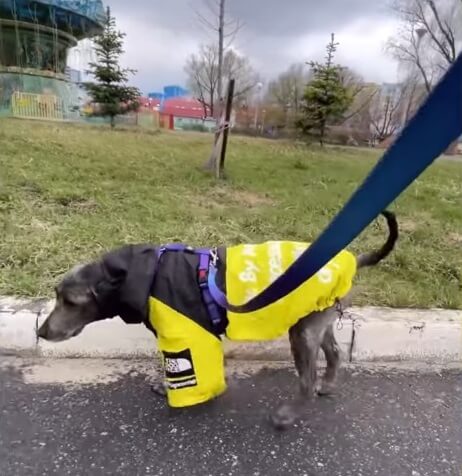
The days that followed were slow and measured.
During the first week, Johnny spent most of his time resting. His body was fragile from malnutrition, and even shifting positions took effort. Food continued in small, controlled portions.
Veterinary teams stay alert during this phase because the body is adjusting internally.
According to MSPCA-Angell, “Serum phosphorus levels typically decrease within the first 24-72 hours of refeeding, although serum concentrations are not always representative of the extent of deficiency.”
This window explains why early recovery often looks quiet rather than fast.
Johnny was not weak because care was failing. He was weak because healing had just begun.
Small Changes That Marked Johnny’s Recovery
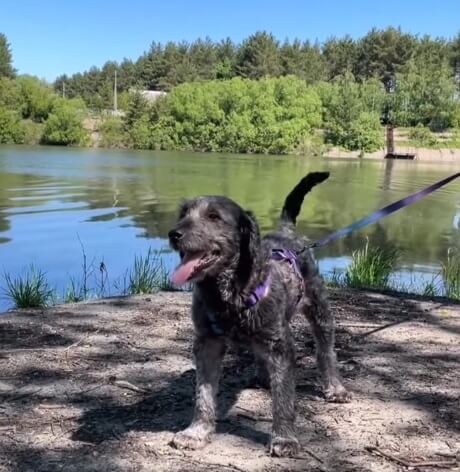
During the second week, his strength began to return.
Little by little, Johnny started shifting positions on his own. He no longer stayed frozen in one place. One morning, he stretched his front legs and sighed. A soft, relaxed sound that told everyone he finally felt safe enough to let his guard down.
Weeks turned into months.
His routine became steady. He ate regularly. He slept peacefully. He allowed gentle touch without hesitation. His injured leg was treated with care, and though recovery took time, he learned to move with growing confidence. Each step was cautious, but determined.
There were moments that stayed with the caregivers. The first time he wagged his tail, just once. Slow and unsure. The first time he leaned into a hand instead of pulling away. The first night he slept through without waking in fear.
One rescuer reflected on those moments quietly, saying “These weren’t dramatic changes.”
But they were everything.
Reading Trust the Right Way
As Johnny healed, his behavior shifted in subtle ways. Softer eyes. Calmer movements. A body that no longer stayed braced for loss.
Not every sign of trust is obvious. According to the American Kennel Club, “But, all a wagging tail means is that the dog is emotionally aroused.” Real recovery often shows up through consistency rather than excitement.
Johnny’s progress was not loud. It was steady.
He chose closeness. He stayed near familiar people. He stopped watching doors as if expecting to be left behind.
From Waiting to Belonging
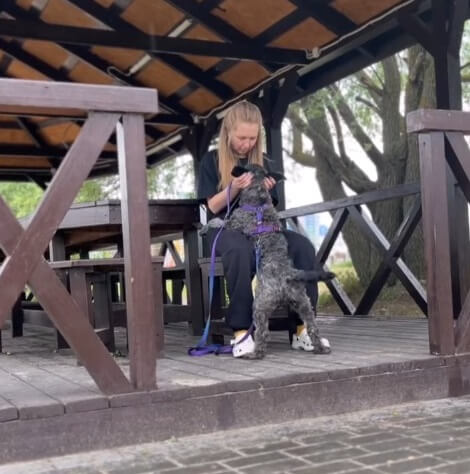
Today, Johnny is fully recovered and living in a safe, loving home.
His body is stronger. His movements are steady. His eyes, once filled with quiet waiting, now carry calm trust. He enjoys human interaction. He seeks affection without fear.
The silence that once defined him has softened into confidence.
Stories like Johnny’s often go unnoticed, not because they matter less, but because they ask us to slow down long enough to see them.
And sometimes, the quiet stories are the ones that save the most lives.
If Johnny’s Story Stayed With You
If this story moved you, consider sharing it with someone who cares about animals.
Quiet rescues rely on visibility just as much as loud ones. Sometimes, one share is enough to help the next waiting dog get noticed.
You may also want to read:
Her Parents Died Suddenly. What Happened to Nia Next Will Stay With You
They Found Him Crying Alone in the Woods. What Freddy Survived Changed Everything


