
She Didn’t Cry or Run: She Just Waited Quietly in an Empty House Until Someone Finally Saw Her
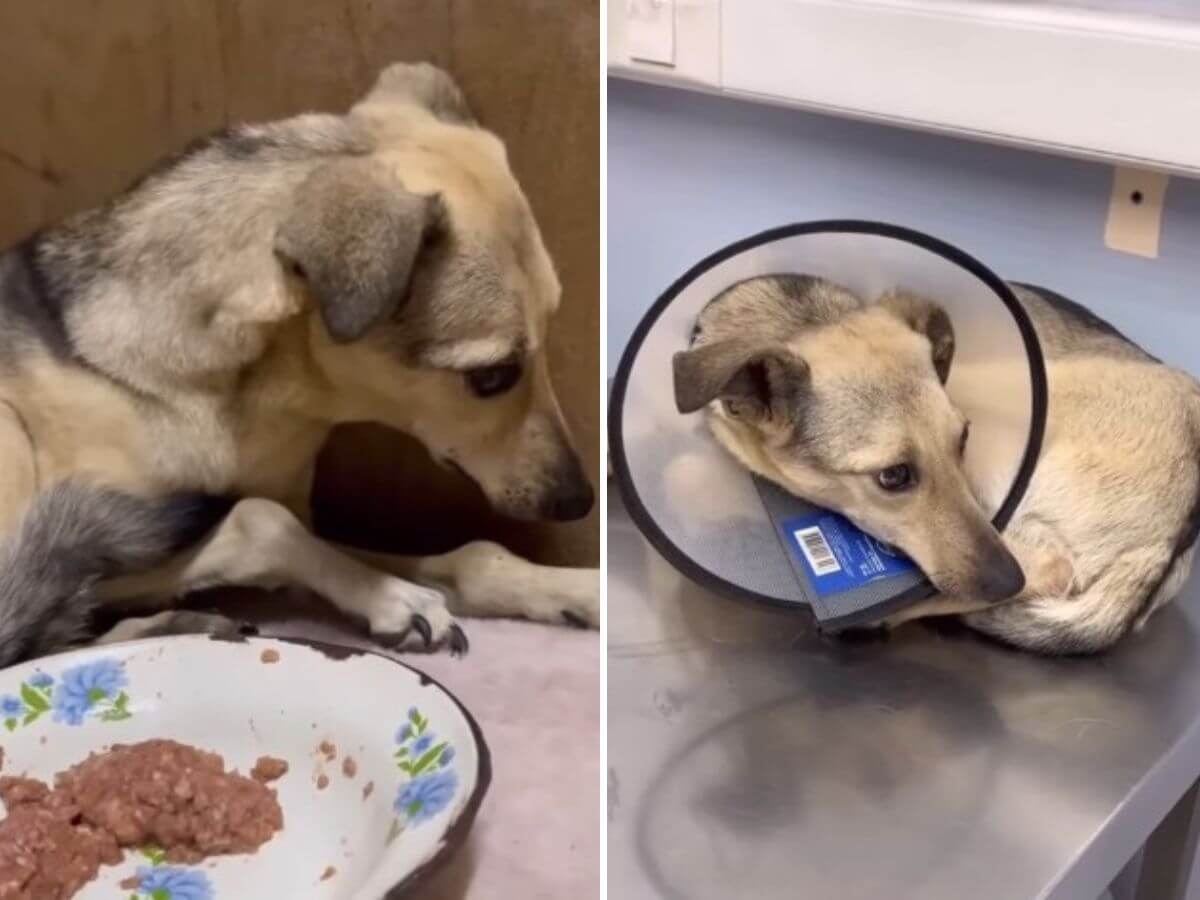
In an abandoned house where silence had settled for far too long, a young dog named Lola waited.
She did not bark. She did not try to escape. She stayed curled in a forgotten corner, watching the doorway with gentle, hopeful eyes. Nothing about her asked for attention. Everything about her asked to be seen.
When someone finally stepped inside the empty home, they did not find panic or resistance. They found a dog who had been waiting quietly for a long time.
This is a story about a quiet kind of survival, and the slow, patient healing that followed. What came next did not happen all at once. It unfolded through small moments that slowly changed everything.
What the Rescue Was About
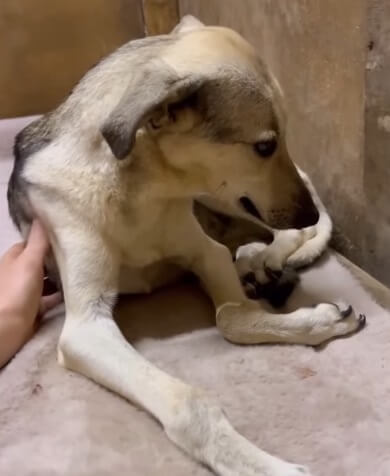
Lola was only two to three years old when she was found alone inside the empty home.
Her body looked tired. Her movements were careful and slow. One of her legs did not move easily, and her posture showed signs of strain that had not started recently. Still, she remained aware. Her eyes followed every sound and every shift in the room, as if she was waiting for something to change.
When the rescuer from pride_azj first saw her, concern filled the space. So did tenderness.
Lola did not pull away. She did not resist. She watched quietly, unsure, waiting for whatever came next.
Rescuers said, “Lola did not bark or run. She simply stayed there, hoping that someone would notice her gentle eyes.”
Why Some Dogs Stay Quiet Instead of Running
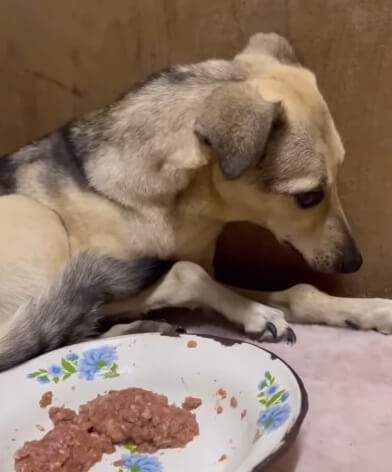
To many people, silence can look like calm.
In dogs, silence can also be a sign of stress. Some dogs do not flee or fight. They freeze.
According to the American Kennel Club, “A reactive dog is more likely to behave instinctively with fight, flight, or freeze than to consider their actions.” In abandoned spaces, stillness can be a way to survive when escape feels impossible.
Lola’s quiet was not ease. It was endurance.
A Gentle First Step Toward Safety
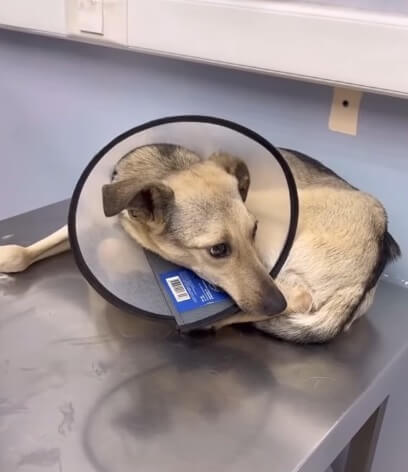
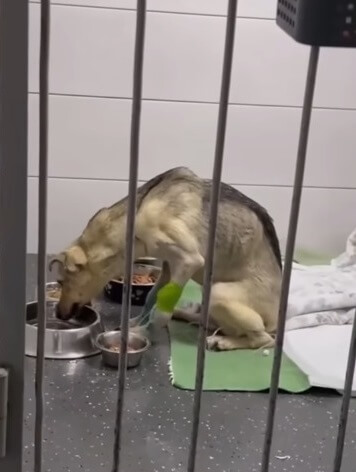
Lola was carefully brought to a veterinary clinic, where unfamiliar sounds and smells filled the air.
Instead of panic, she showed caution. Wrapped in soft blankets and placed on a warm surface, the cold emptiness of the abandoned house was finally behind her. Her breathing slowed. Her tense posture softened.
The shift was subtle, but it mattered.
Rescuers described the moment as deeply still. “It was not dramatic, but it was powerful.”
Choosing Trust Over Fear

As the veterinary team completed her initial care, something small but powerful happened.
Lola lifted her head and looked around the room.
When a gentle hand reached toward her, she did not retreat. She stayed still and accepted the touch.
Rescuers said, “Lola chose calm over fear.”
That choice marked a turning point. In that quiet instant, Lola allowed herself to trust.
Reading the Signs of Stress and Safety
Dogs communicate constantly, even when they do not move much.
According to PetMD, “A dog that’s stressed or uncomfortable will exhibit many of the same postures as a nervous dog.” Watching posture, breathing, and eye movement often says more than sound.
Understanding those signals helped caregivers recognize when Lola was ready for the next step, and when she still needed space.
Healing, One Small Step at a Time
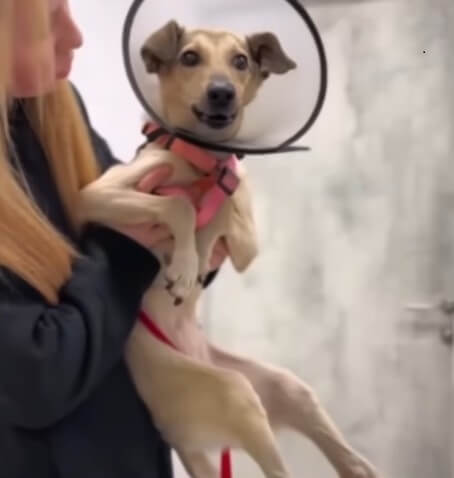
The first days were about rest and stability.
Lola slept often, finally given time to recover. At first, she ate slowly and cautiously. Then one morning, she finished her entire meal and looked up, quietly waiting.
It was a simple act. It brought hope to everyone watching.
As days passed, her strength returned little by little. She learned how to move with her injured leg, balancing and resting when needed. Her posture grew steadier. Her eyes brighter.
By the second week, Lola began responding to gentle voices. When someone entered the room, her tail moved softly against the bedding. She shifted closer during feeding time, choosing comfort over distance.
By the third week, her routine felt familiar. She slept peacefully, ate regularly, and sat up on her own, watching the world with growing confidence.
Her body was healing.
So was her spirit.
Why Going Slow Matters With Quiet Dogs
Dogs that freeze often do so when they feel overwhelmed.
According to a peer-reviewed study published on PubMed Central, “When feeling severely threatened, dogs may freeze completely and no longer show other communicative signals.” Pushing these dogs too quickly can increase stress rather than build trust.
Lola’s recovery worked because no one rushed her.
Where Lola Is Today
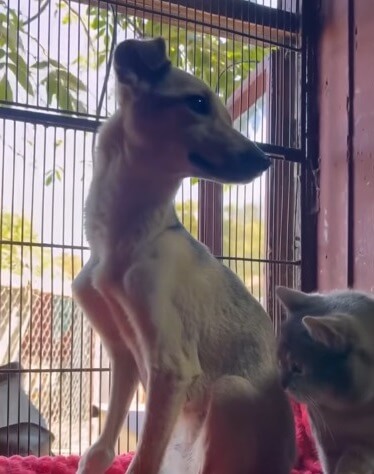
Today, Lola is fully recovered and living in a safe, loving home.
Her health is stable. She has adapted beautifully to her movement. She enjoys calm walks, gentle interaction, and quiet companionship. Her personality remains kind, patient, and affectionate.
The same quiet soul she always was, now finally at peace.
Healing did not arrive loudly for Lola. It arrived through warmth, consistency, and gentle care.
If Lola’s quiet journey stayed with you, consider sharing her story. Sometimes the softest stories are the ones that remind us why compassion still matters.
You may also want to read:
Found in an Abandoned House, This Dog’s Journey Shows the Power of Compassion
Once Adopted as a Puppy then Abandoned, This Dog Later Found the Care He Needed


