
They Left Her Paralyzed in the Snow. One Woman Refused to Let Her Die.
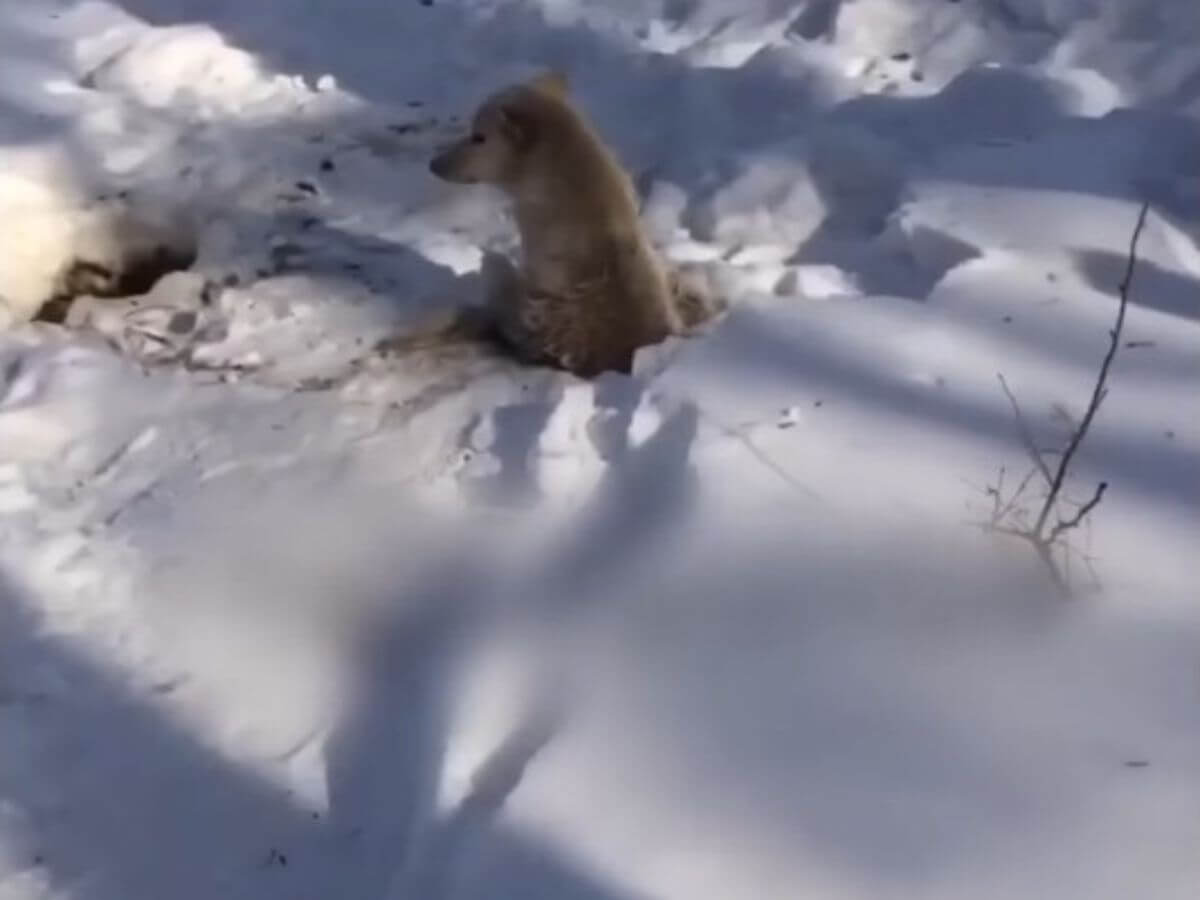
The forest was silent in the way only winter can make it. Snow pressed down every sound. In that stillness, a small dog lay crying, her body locked in place, her legs unable to answer her calls to move.
Her name was Lunka.
She had been left there on purpose.
Someone carried her into the cold, set her down, and walked away. Lunka was paralyzed. She could not stand. She could not follow. She could only wait as the ground pulled warmth from her body and the hours closed in.
Scenes like this are not rare in animal rescue work. They are simply unseen.
Here is why that moment mattered.
Cold does not need time to become deadly. Humane World for Animals warns that “No matter what the temperature is, windchill can threaten a pet’s life.” In a forest like this, survival depends on minutes, not mercy. Lunka did not need a storm to lose her life. Exposure alone was enough.
This is where her story should have ended.
It did not.
The Moment Someone Heard Her Cry
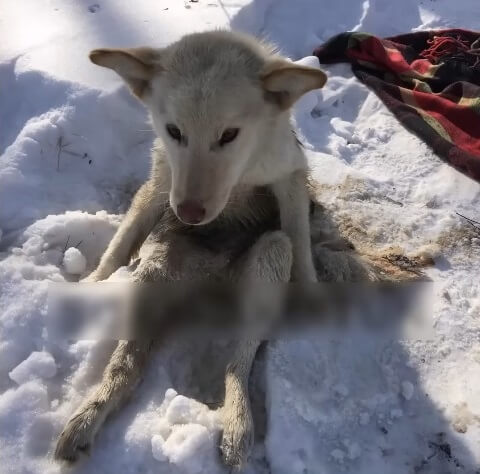
Natasha did not expect to find a dog that day. She was moving through the forest when she heard crying that did not belong there. It was weak. Broken. Repeating.
Lunka lay in the snow, unable to lift herself. Her body showed signs of long hunger. Her eyes carried something worse than pain. They carried surrender.
Natasha lifted her without knowing what came next. Lunka did not resist. She did not react. She let herself be held.
The drive to the hospital felt urgent and endless at once. Natasha hoped for care. She hoped for relief.
What she received instead was a verdict.
What the Clinic Saw
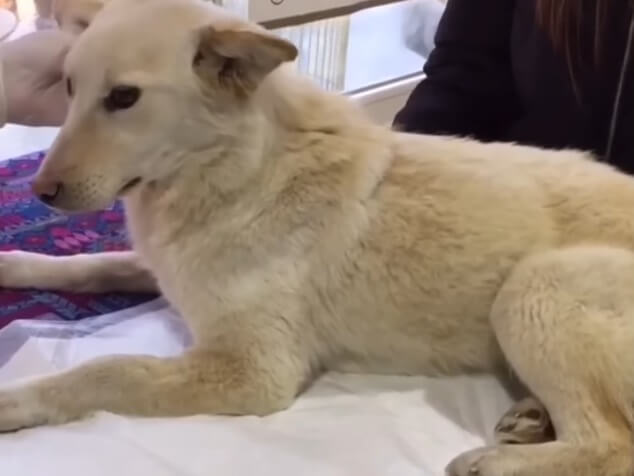
The clinic examined Lunka and saw what the forest had already begun. Paralysis. Severe malnutrition. Cold exposure layered over weeks of neglect.
The recommendation came quickly.
Euthanasia.
Cases like Lunka’s force clinics to weigh suffering against outcome. The American Animal Hospital Association explains how cold injury escalates fast. “Early signs include shivering, weakness, and pale or cool skin, and then lethargy, confusion, shallow breathing, and a slow heart rate as the hypothermia worsens.”
Lunka was already past the early stage.
Natasha listened. Then she refused.
Natasha refused to accept that verdict. “She told them she wouldn’t give up. She wouldn’t let Lunka suffer alone anymore.”
Those words changed the room.
Faced with that resolve, the hospital agreed to try.
Stories like Lunka’s unfold quietly every winter. Many never reach a camera or a clinic willing to pause. They end in places no one goes back to check.
Care Without Guarantees

Treatment began with survival. Warming. Fluids. Careful feeding to avoid shock. Lunka’s body was fragile in ways that numbers could not explain.
Days passed. Then more.
Rehabilitation followed. Gentle movement. Stimulation. Repetition. Lunka did not respond.
The lack of progress weighed heavily. Every session ended the same way. No movement. No control.
The doctors decided surgery was the last option. A spinal operation that carried risk and hope in equal measure.
It failed.
The outcome felt crushing. The pain did not fade. The paralysis remained. Many would have stopped there.
Natasha stayed.
She returned every day. She repeated the exercises. She held Lunka through discomfort and frustration. She chose patience when the results refused to show.
As the rescue team later shared, “She would give everything she had to heal her.”
The First Signs of Change

Then something shifted.
Not all at once. Not dramatically.
A small movement appeared. A response where there had been none. Control followed. Strength began to build in tiny, uneven steps.
Natasha brought Lunka home.
Care became constant. Lunka was carried outside so her legs could feel the ground again. Walks were slow and supported. Every sign of discomfort was watched closely.
The American Red Cross warns caregivers to stay alert during cold exposure recovery. “If your pet is whining, shivering, anxious, slower than usual or stops moving, seems weak” those signs require attention. Natasha watched for all of them.
Months passed.
Muscle returned. Balance followed. One day, Lunka stood without help.
Another day, she took steps.
Then she ran.
Where She Is Today
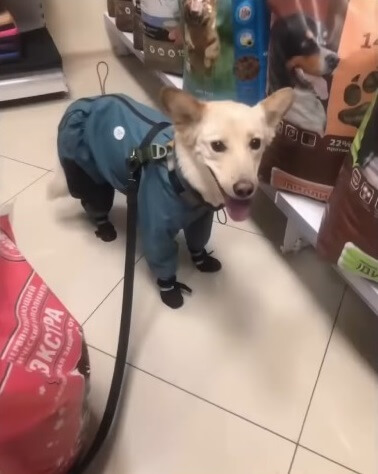
Today, Lunka moves freely. She walks. She plays. She rests without fear of being left behind.
Her life is quiet in the way safety makes possible. Meals arrive. Hands reach for her gently. The forest is no longer part of her future.
Natasha did not save Lunka by chance. She saved her by staying when the outcome looked settled.
This rescue story was shared by sobachkahelp and later published on the Dog Haven YouTube channel. It documents the care, the setbacks, and the choice to continue when the easy answer was to stop.
Why This Still Matters
Lunka survived because one person rejected the idea that some lives are too broken to fight for.
That choice is not rare because it is easy. It asks for time, money, and emotional weight without promises.
Lunka is alive because Natasha carried her out of the snow and stayed.
If this story stayed with you, pass it along. Someone else may need the reminder that showing up can still change an ending.
You may also want to read:
Left Freezing Outside a Grocery Store at Night, Here’s How This 20-Year-Old Dog Survived
Ignored Until He Went Blind, This Old Dog Collapsed in the Snow: Then One Woman Turned Back


