
The Dog Could Hardly Walk With a 14-Pound Tumor. Then a Rescue Team Stepped In
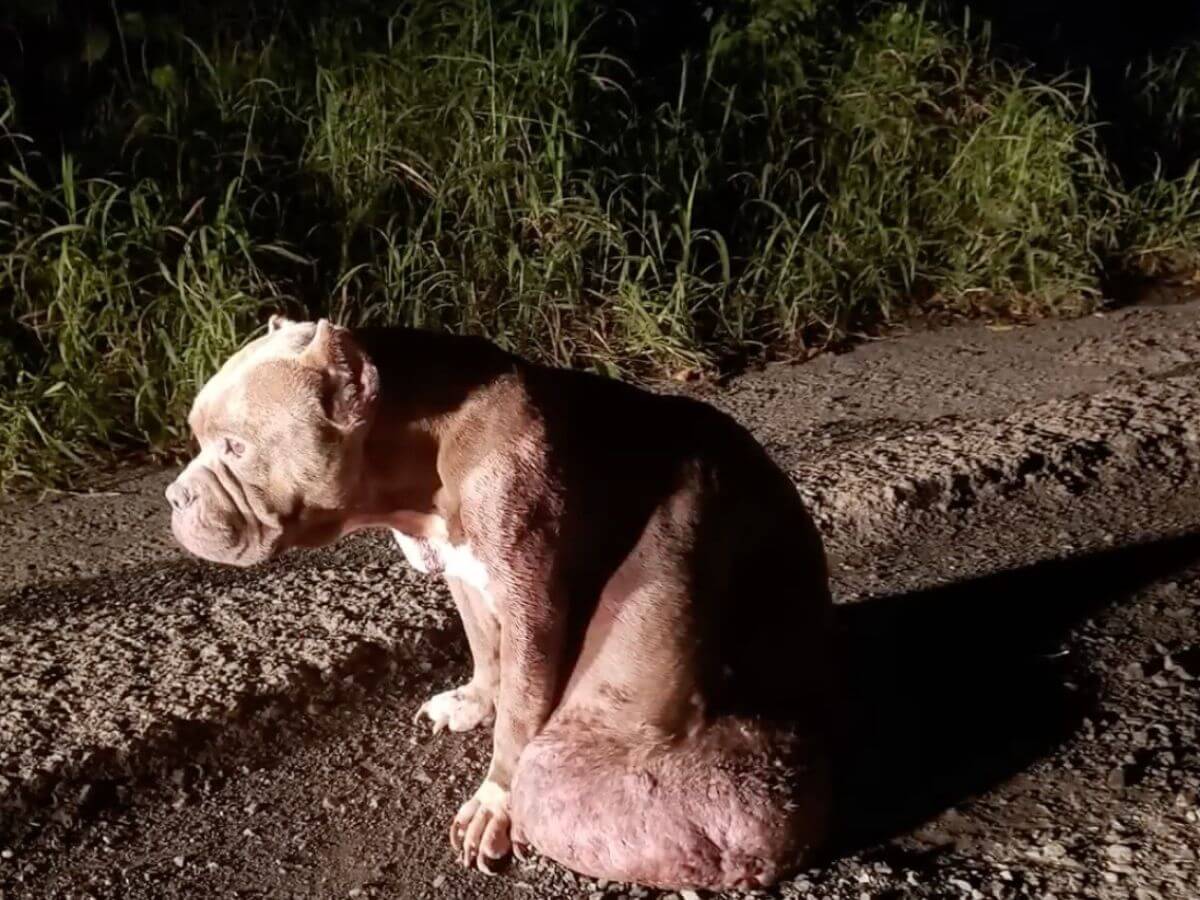
Some rescue stories begin with hope. Magnolia’s began with abandonment.
She was walking slowly along a street, carrying a burden no animal should ever have to endure. Hanging heavily from her body was a massive tumor that made every step difficult. The weight dragged her down and forced her to move with extreme care just to stay balanced.
For Magnolia, even walking a few feet required effort.
According to the rescuers from St. Croix Animal Welfare Center, Magnolia had been left alone outside while carrying a tumor that weighed several kilograms.
She was not just injured.
She had been abandoned while suffering.
Anyone who saw her could immediately tell something was terribly wrong. The growth hanging from her body made normal movement almost impossible, and without help, her condition could only get worse.
Yet Magnolia’s story was about to change.
Because one rescue team saw the dog everyone else had passed by and realized she might still have a chance.
The Moment Rescuers Realized How Serious It Was
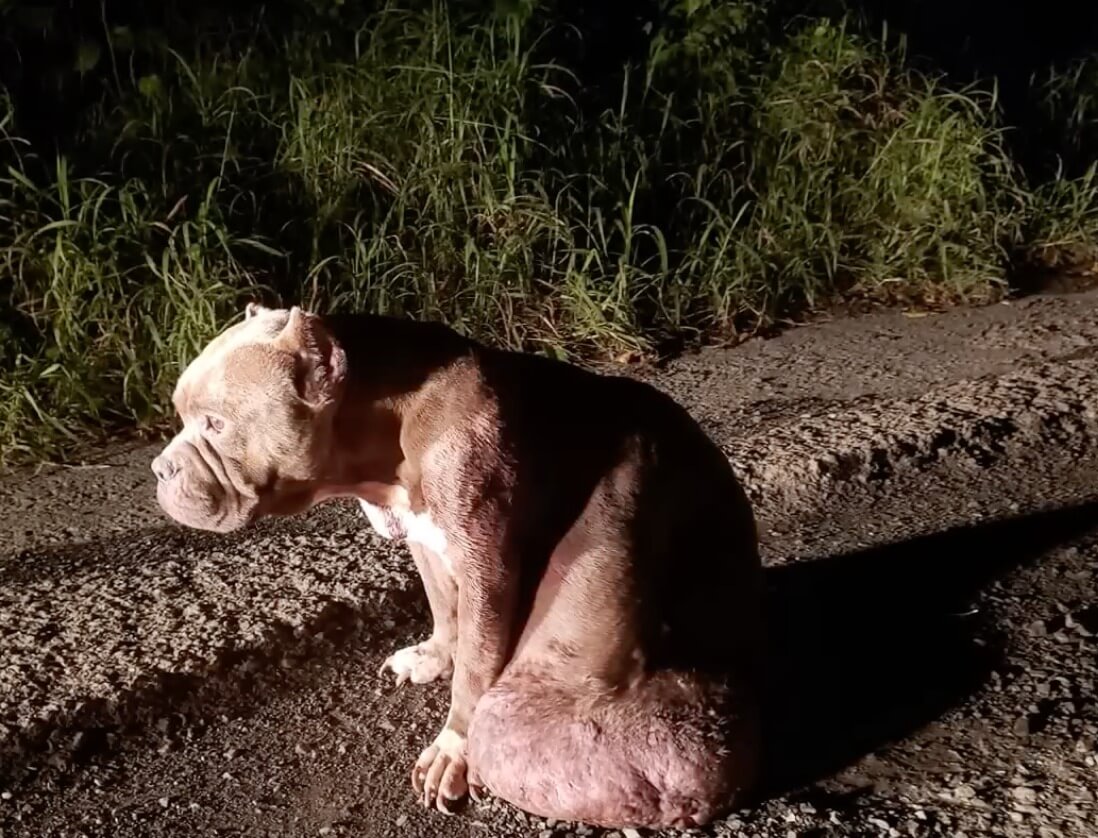
When rescuers approached Magnolia, they immediately understood that her condition was urgent.
The tumor hanging from her body was enormous. Its weight pulled downward each time she tried to walk, making it difficult for her to move normally. Even small movements looked exhausting.
Large growths like this can affect a dog’s ability to move and maintain balance.
According to the American Kennel Club, signs of serious illness in dogs can include “mobility issues like limping or stiffness.”
When tumors grow large, they can interfere with muscle movement and joint balance. For Magnolia, the size and weight of the mass made walking painful and unstable.
It was obvious she needed veterinary care immediately.
The rescue team carefully transported Magnolia to a clinic, hoping there was still time to help her.
A Discovery That Shocked Even Experienced Veterinarians
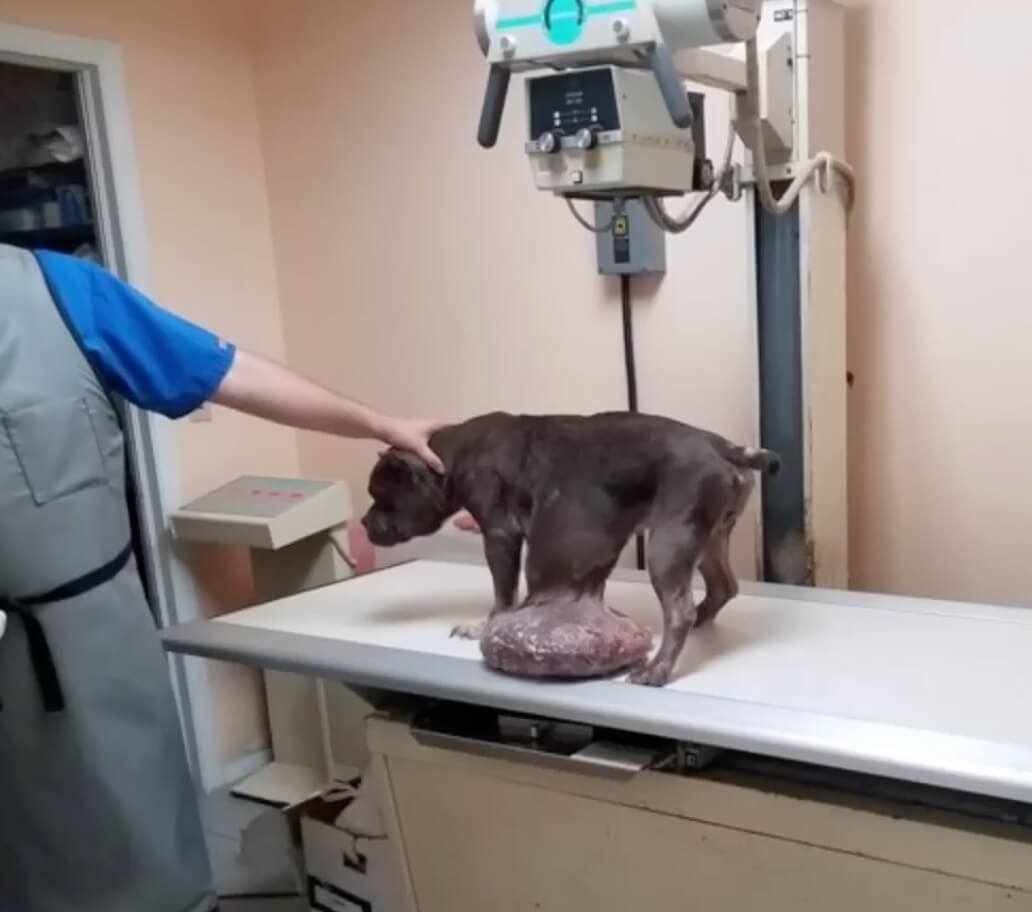
At the veterinary clinic, the staff quickly realized Magnolia’s case was far from ordinary.
Veterinarians see many medical emergencies each year. Still, the size of Magnolia’s tumor stunned even experienced professionals. It hung heavily from her body and had likely been growing for a long time without treatment.
The first step was to run imaging tests.
X-rays provided a mix of relief and concern. The tumor was massive, but there were no immediate signs that it had spread into Magnolia’s internal organs. That meant surgery could still give her a chance.
Even so, the team knew time was not on their side.
Large tumors often become more dangerous the longer they remain untreated.
According to the American College of Veterinary Surgeons, “The smaller the mass is at the time of surgery (3–5cm or smaller) the less likely it will recur, or metastasize (spread) elsewhere.”
Magnolia’s tumor was far larger than that guideline.
In cases where tumors grow unchecked, they can begin affecting surrounding tissue and blood flow. That risk made surgery Magnolia’s best chance.
The veterinary team made the decision to operate.
A High-Risk Surgery
Removing the tumor would not be easy.
It had attached itself to surrounding tissue, which meant surgeons would need to work carefully to separate it without causing severe bleeding. Magnolia’s blood pressure was already slightly low, adding another layer of risk during anesthesia.
Still, the team knew surgery was her best chance.
The procedure lasted for hours.
Veterinarians focused intensely on each step, carefully removing the massive growth while closely watching Magnolia’s vital signs. Every stage required patience and precision.
Finally, the operation ended.
The tumor had been successfully removed.
When the veterinary team placed it on the scale, the number surprised everyone in the room.
The tumor weighed 14.9 pounds.
For a dog Magnolia’s size, carrying that weight had been like walking around with a heavy backpack attached to her body every moment of the day.
Now, for the first time in a long time, she was free from that burden.
The First Signs of Recovery
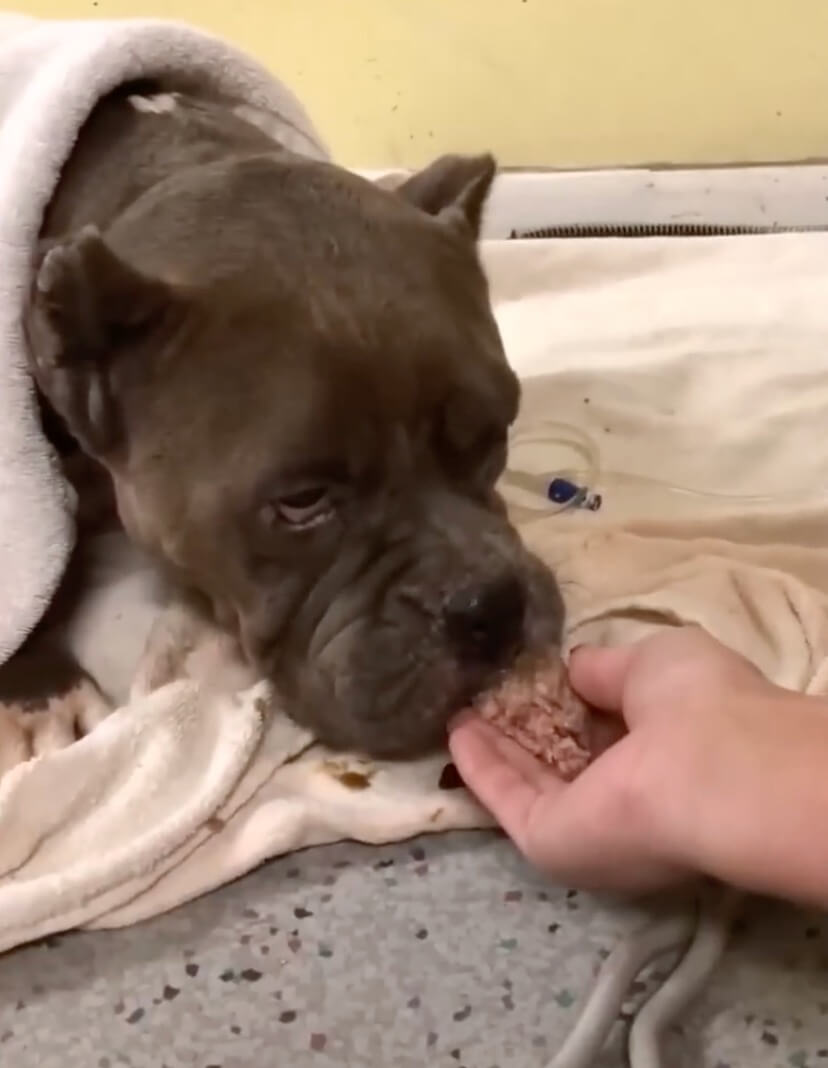
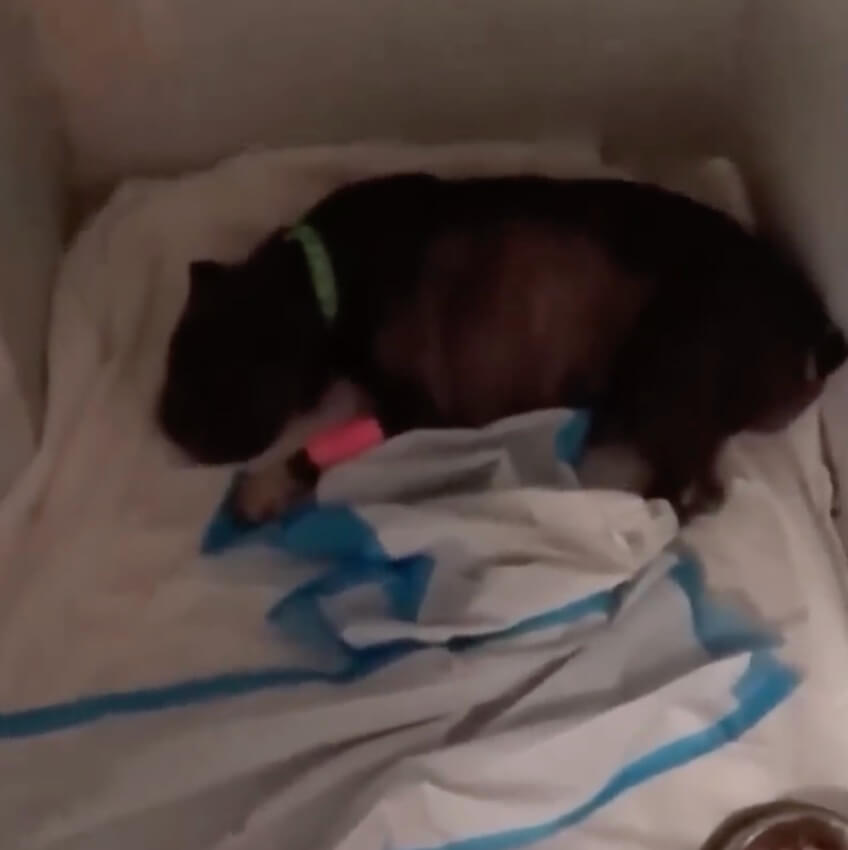
After surgery, Magnolia was placed under close observation.
Major procedures require careful monitoring, especially during the first 24 hours. The veterinary team provided IV fluids and pain management while watching for any signs of complications.
The next morning brought encouraging news.
Magnolia woke up.
And she was hungry.
Her appetite returning was one of the first signs that her body was stabilizing.
Healing after major surgery requires patience and controlled activity.
According to VCA Animal Hospitals, “For most procedures, your dog’s activity should be restricted for 7–10 days after surgery.”
That meant Magnolia’s recovery would happen slowly.
During the first few days, she rested while the veterinary team monitored her progress. Her appetite continued to improve, and her energy gradually returned.
Each day brought small but meaningful improvements.
The First Steps Everyone Had Been Waiting For
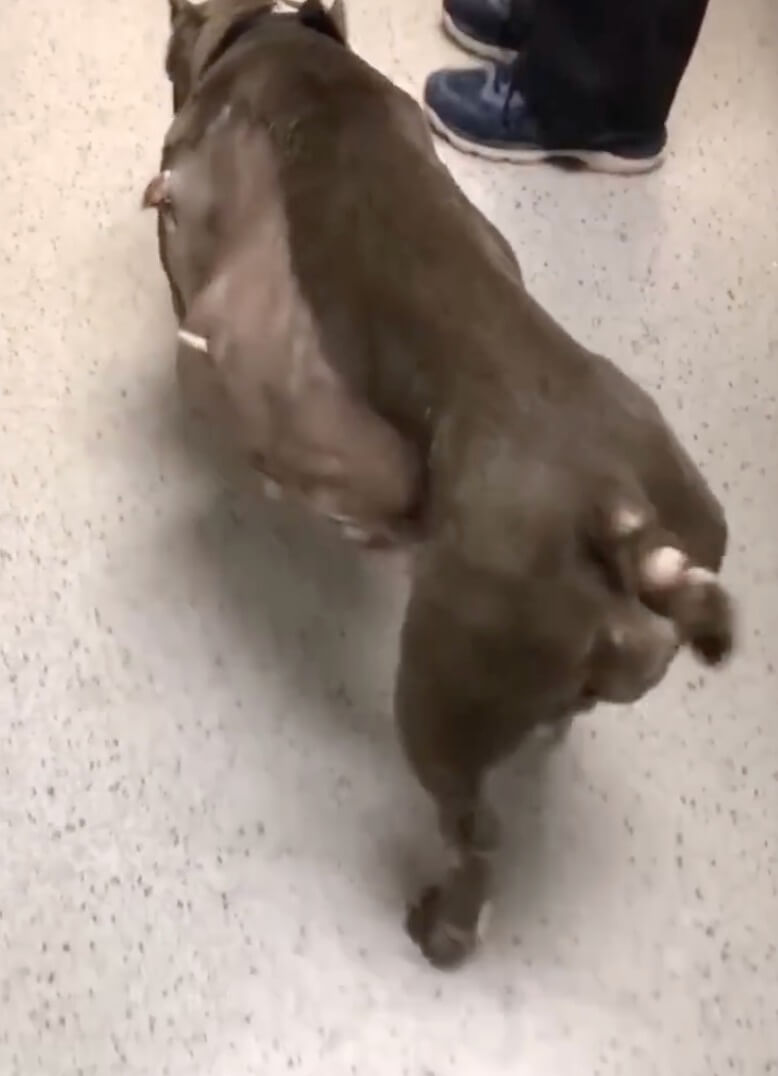
Then came a moment the veterinary team had quietly hoped for.
One morning, Magnolia stood up and began to walk.
Her steps were cautious at first. After carrying nearly fifteen extra pounds for so long, her body needed time to adjust to the sudden change.
But she kept moving.
Each step was steadier than the last.
For the people who had worked to save her, it felt like a small miracle.
The focus soon shifted to helping Magnolia rebuild her strength. Gentle rehabilitation exercises and short play sessions became part of her daily routine. These moments helped her muscles recover while also lifting her spirits.
Something else began to change too.
The sadness in Magnolia’s eyes slowly faded.
Her tail wagged more often. She showed curiosity toward toys and began interacting with the people around her.
The dog who once struggled to move was beginning to enjoy life again.
A Safe Place to Heal
Once Magnolia was stable, the next step was finding her a quieter place to continue her recovery.
She moved into foster care with a dedicated caregiver who could give her individual attention while she healed. The calm environment allowed Magnolia to rest and slowly rebuild her confidence.
Day by day, her strength improved.
She became more playful. Her personality began to shine.
And the dog who had once been abandoned while suffering now had someone looking out for her every day.
Magnolia’s New Beginning
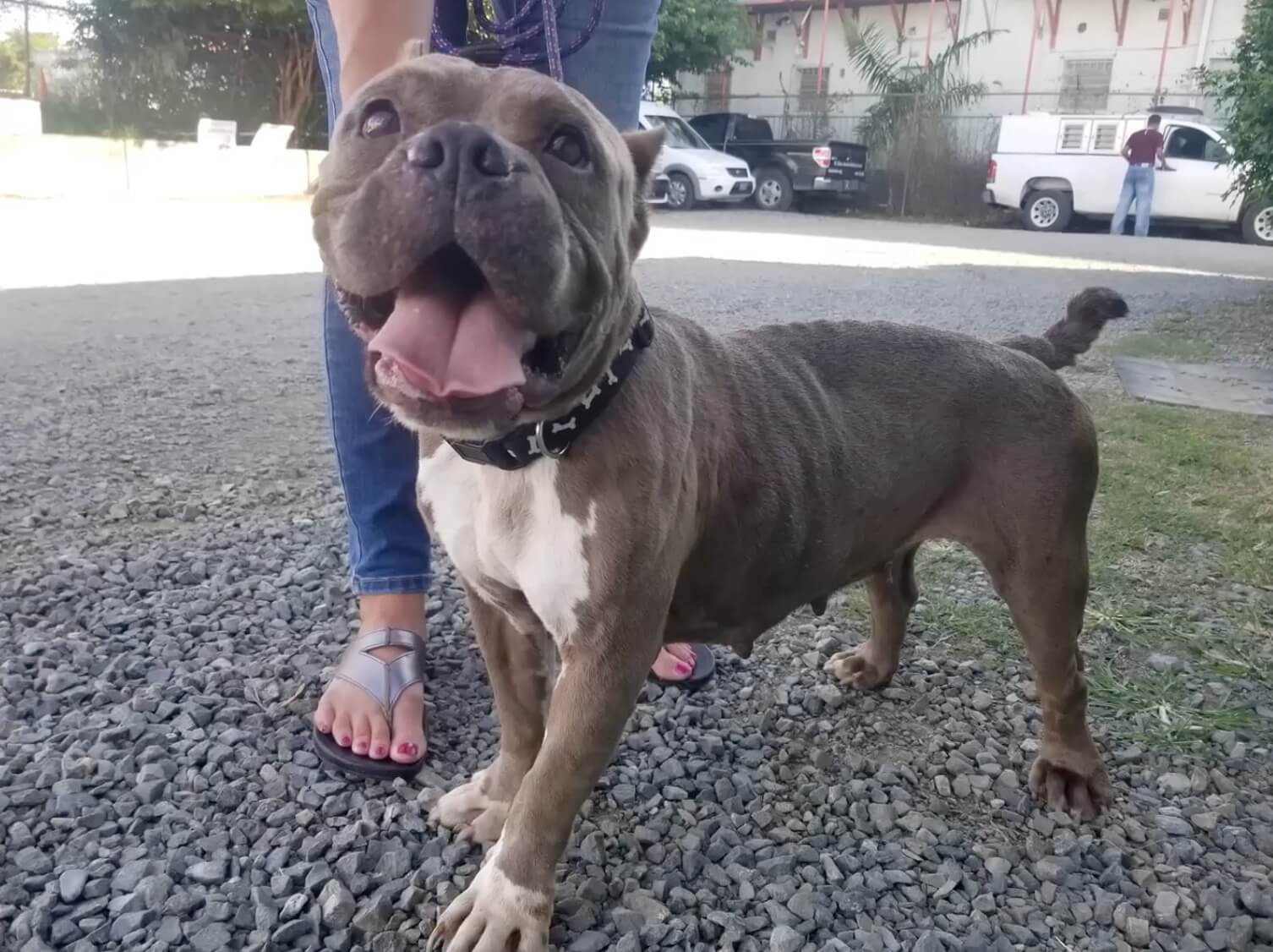
Magnolia’s journey did not end in foster care.
As her recovery continued, something even better happened.
She found her forever home.
The dog who had once been left alone on the street while carrying a massive tumor now had a family ready to give her the life she deserved. Instead of struggling just to walk, Magnolia could now run, play, and enjoy the comfort of a safe home.
Her story is a reminder of what compassionate rescue work can accomplish.
None of it would have been possible without the quick response and dedicated care provided by the St. Croix Animal Welfare Center, whose team stepped in when Magnolia needed help the most.
A Story Worth Sharing
Not every abandoned animal gets the chance Magnolia received.
But stories like hers show how quickly a life can change when someone decides to act.
One rescue team noticed a struggling dog. One veterinary team took on a difficult surgery. One foster home gave her the space to heal.
And now Magnolia is living the life every dog deserves.
If her story moved you, consider sharing it. Every shared rescue story helps more people see the incredible work shelters and rescue teams are doing every day.
Sometimes, that awareness is what helps the next animal get the help they need.
You may also want to read these rescue stories:
Her Spine Was Bent From Hunger. Then One Simple Meal Saved Blair’s Life
A Sick Dog Was Found Alone in a Bali Alley. What the Vet Discovered Changed Everything


