
Manguita Couldn’t See or Walk. The Man Who Rescued Her Promised to Love Her Anyway
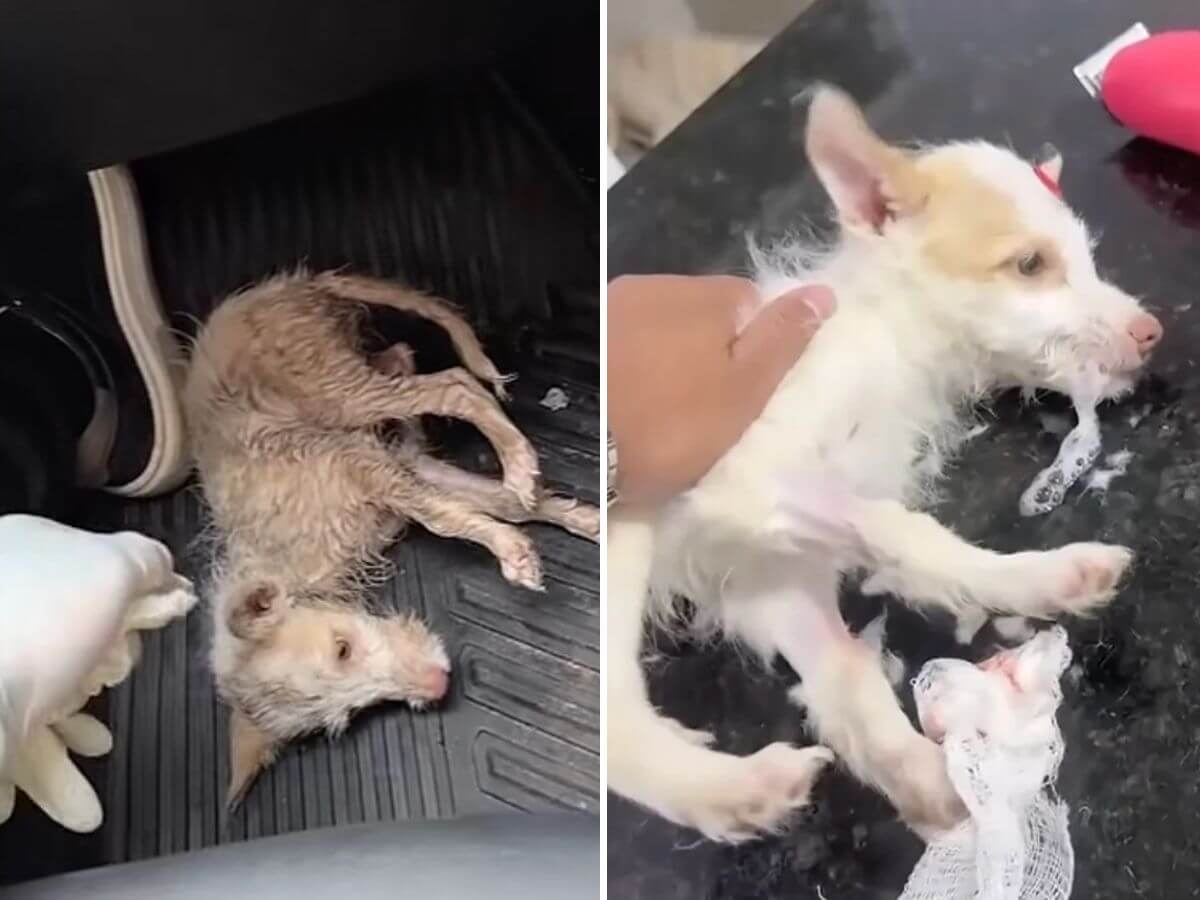
Manguita was beside the road, blind, unable to walk and having seizures when someone stopped to help her.
She needed veterinary care immediately. Even after her first treatment brought back her appetite, the danger hadn’t passed. That night, repeated seizures left the people caring for her afraid they would lose her.
But Manguita survived. As treatment continued, she began eating, resting and wagging her tail at familiar voices. Whether she would walk again remained uncertain, but she had people willing to care for her either way.
A Roadside Discovery Brought Her to Safety
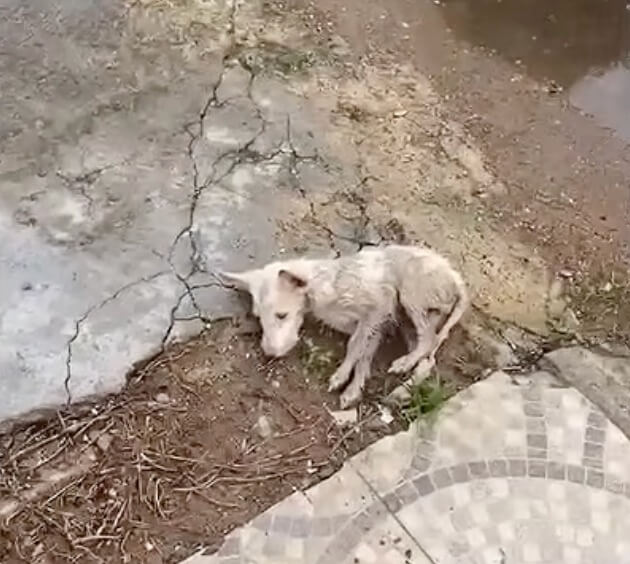
The rescue account shared by Paws Paws credits Marcinho Belota and describes his brother spotting the puppy beside the road on their way home.
They took her to a veterinarian.
The account describes Manguita as abandoned, though the people who found her did not know who had left her there. Her condition demanded attention before they could learn anything more about her past.
She could not see or stand, and she was convulsing.
After her first treatment, something encouraging happened. Manguita began eating the food offered to her while lying down.
She finished the meal.
For the people watching over her, it was a hopeful response. She had an appetite, and she was accepting their help.
The First Night Brought More Seizures
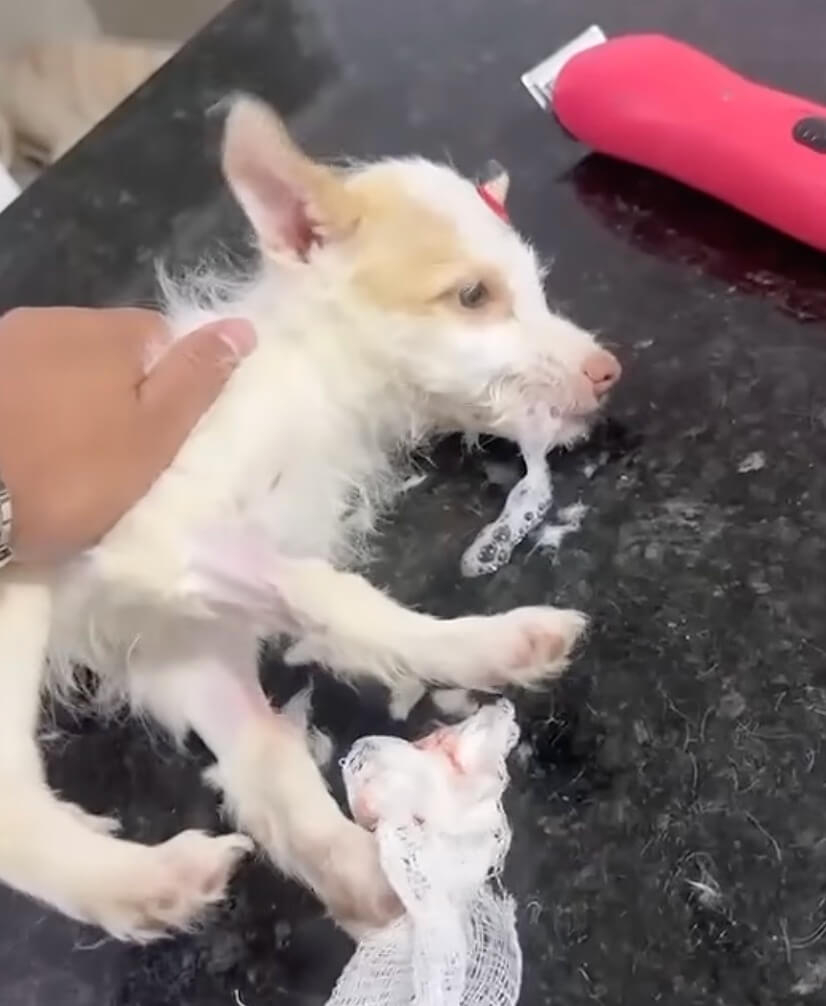
That early encouragement was followed by a frightening night.
The rescue account describes Manguita having several seizures and coming close to death. Her caregivers asked people to pray for her as they waited to see how she would respond.
They had brought her off the roadside and into care. Now, they faced the fear that treatment might not be enough.
If you witness a pet having a seizure, protecting the animal from nearby hazards is one immediate step. In its first-aid guidance, PDSA advises, “Clear some space around them so they can’t hurt themselves.”
Contact your veterinarian for guidance. Repeated seizures, like those described in Manguita’s first night, need urgent veterinary attention.
Manguita made it through the night. Her condition remained serious, and the account continued to describe uncertainty about her recovery.
Her caregivers stayed involved.
She Wagged Her Tail When She Heard Them
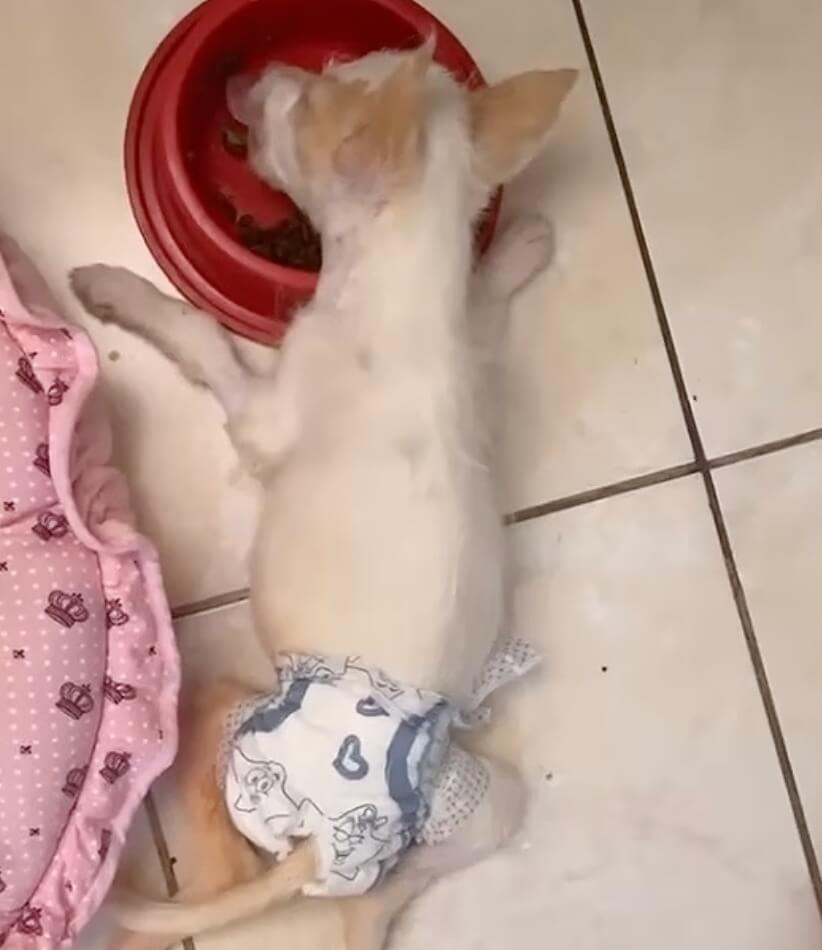
As Manguita continued receiving care, her responses gave the people around her moments of relief.
She ate. She rested. She wagged her tail when she heard familiar voices.
She couldn’t see the people beside her, but she responded to their presence.
Those small moments mattered after the fear of her first night. Her caregivers could spend time with her beyond watching for another medical setback.
For pet owners caring for a blind dog, speaking before making contact can help the dog know where you are.
Battersea explains, “Talking to your blind dog will reassure them and help them understand where you are in relation to them.”
A familiar voice can become part of a predictable routine. Ask your veterinary team how to adapt handling and the home environment to your dog’s other needs, especially when mobility is limited too.
Manguita was facing both challenges. Her caregivers hoped she would eventually walk, while making clear that their commitment did not depend on it.
They Hoped She Would Walk Again
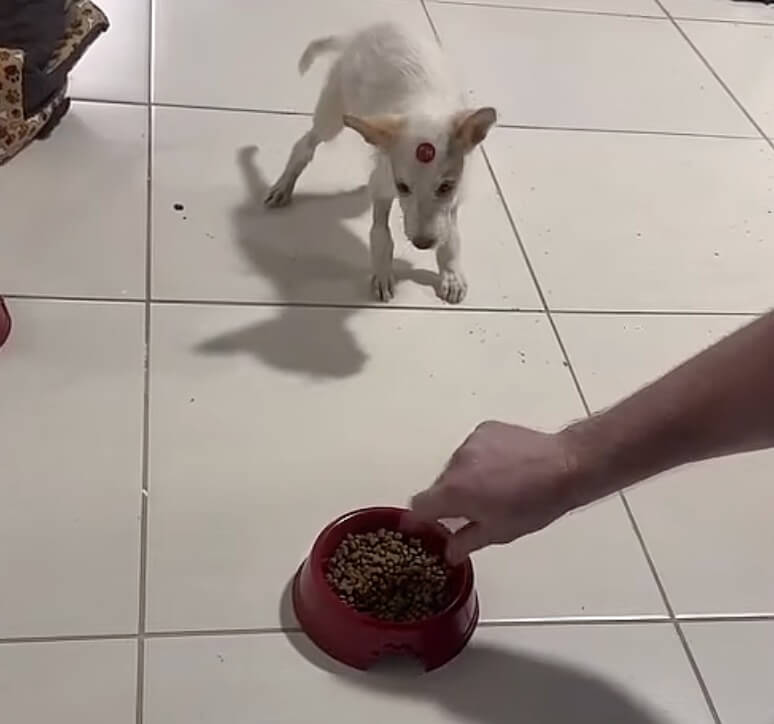
One of the most moving promises in Manguita’s account came before anyone could say what her future movement would look like.
The rescue update expressed hope that she might one day walk again, then added, “…and even if she doesn’t, we will love her regardless of it…”
That promise gave her story a different kind of reassurance.
Walking remained a goal. Being cared for was already part of her life.
Later updates described physiotherapy continuing as her caregivers worked toward that goal. The account did not name the cause of her blindness, seizures or inability to walk, and it did not establish that she regained independent movement.
For pet owners whose pets need help with mobility, rehabilitation should begin with an assessment and a plan suited to the animal.
VCA Animal Hospitals notes, “Rehabilitation therapy is usually safe when performed by trained professionals.”
Ask your veterinarian whether rehabilitation is appropriate and which exercises, if any, you should perform at home. Another dog’s treatment cannot establish what is safe for your own pet.
For Manguita, continued therapy meant her caregivers were still working toward improvement while looking after the needs she had each day.
Manguita Had a Place in the Family
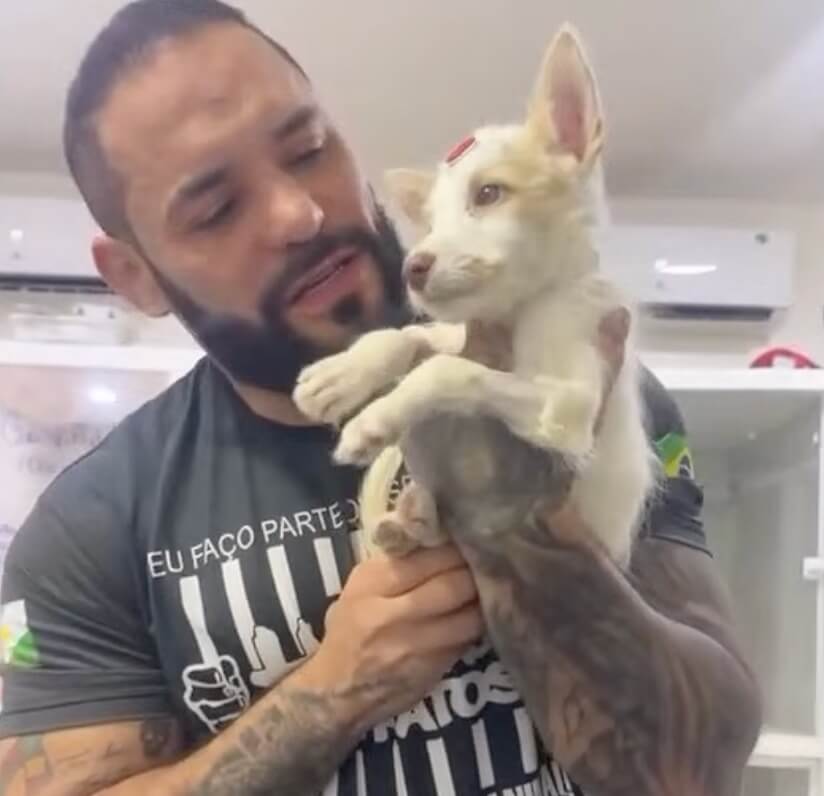
As the account progressed, the focus widened from surviving the first days to continuing her care.
Manguita was eating and responding to affection. Her caregivers described her as making progress, though she still needed physiotherapy and attention.
Then came a simple welcome, “…welcome to the family, Manguita…”
It was a promise of belonging while her recovery was still underway.
Belota continued showing up. One update recorded a visit at 11:23 p.m., a small detail that reflected the attention surrounding her care.
The account closes by describing Manguita as ready for a new life with someone who would love her. It does not provide a dated adoption announcement or confirm that her sight or ability to walk returned.
What had changed was who would be beside her.
Her Care Didn’t Depend on a Perfect Recovery
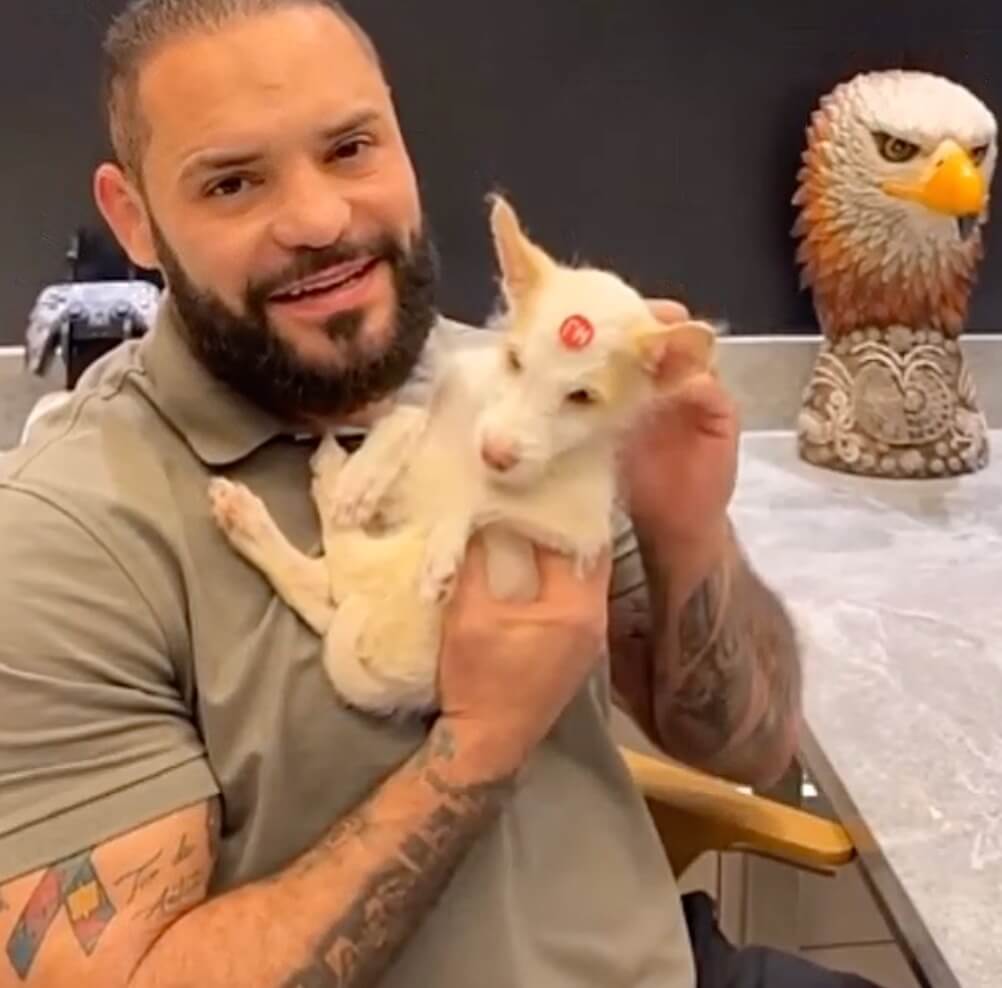
Manguita had been found beside a road when she could not see, walk or keep herself safe.
The people who stopped took her for treatment. They stayed through the frightening first night, welcomed her into the family and continued hoping that therapy would help her move again.
Along the way, she gave them smaller moments to hold on to. A finished meal. Rest after treatment. A wagging tail at the sound of their voices.
Manguita still had care ahead of her. She also had people who had promised to love her as she was.
If her story touched you, consider sharing it to acknowledge the people who care for rescued animals whose recovery takes time, and whose needs may continue long afterward.
Also read:
Betty Was Thin and Frightened, but She Kept Her Three Puppies Safe. Now It Was Her Turn


