
Left for Dead After a Truck Hit Her, Matilda Fought Back in a Way No One Expected
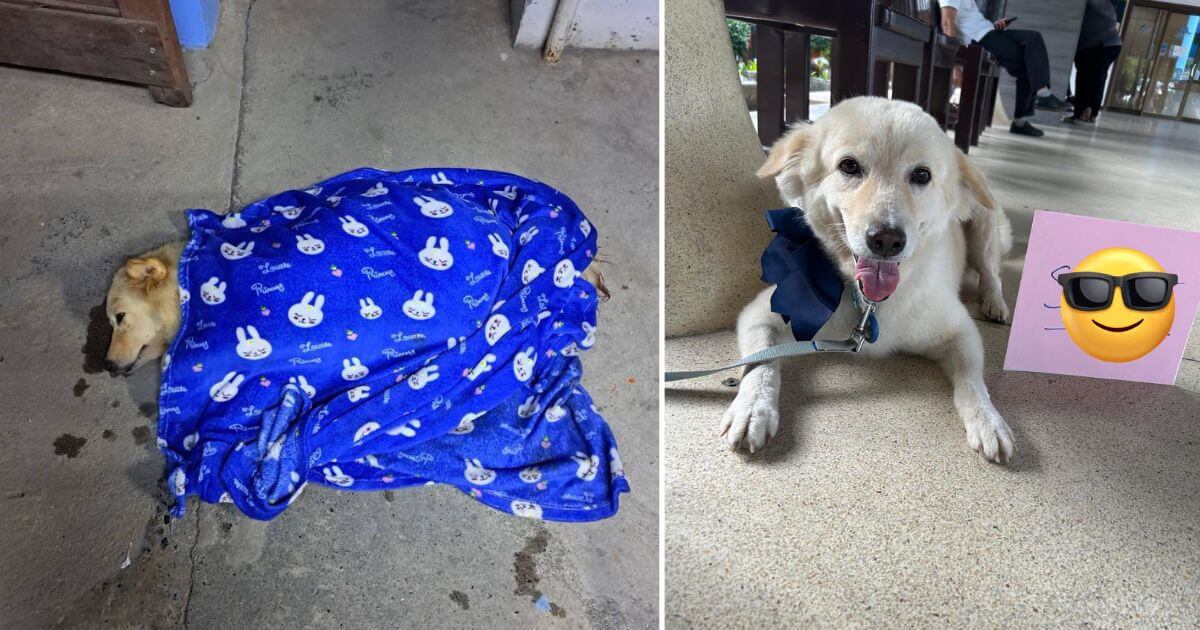
Matilda was discovered by rescuer Niall Harbison lying motionless on a dusty road in Thailand. Her legs were crushed, her body broken, and there was no one around to help. She could not move. She could not relieve herself. It looked like her story was ending before it began.
Witnesses say her eyes, though glazed in pain, still searched for kindness — as if hoping someone would stop and care. For an older dog, not a “cute puppy,” hope is often the first thing lost after a road accident. Many such animals are never rescued.
But when help finally came, rescuers recognized her injuries as the kind of grave trauma veterinarians categorize under “blunt vehicular trauma.”
According to the MSD Vet Manual, such injuries typically involve fractures, internal bleeding, and often damage to spine or organs — all life-threatening without prompt care.
Despite the odds, Matilda’s fight had just begun.
Matilda’s rescue was first shared by rescuer Niall Harbison, who provided photos and updates from her recovery.
Why Vehicle Strikes Often Mean Death for Stray Dogs
Dogs struck by vehicles face far greater danger than broken bones. The force can bruise organs, rupture internal membranes, cause spinal injuries, and lead to shock.
In many parts of Thailand, stray and free-roaming dogs live close to busy roads, increasing their risk of accidents. Even when bystanders find a wounded dog, lack of awareness about proper handling or access to veterinary care often prevents rescue.
If an injured dog is moved carelessly — with its spine or neck twisted — the rescue attempt itself can worsen damage. The safest transport requires a flat, immobile surface and minimal head/neck movement.
Matilda’s rescue team knew this. They carried her gently, immobilized. It was time for critical care.
The First Critical Days: Stabilization, Pain, and Uncertainty
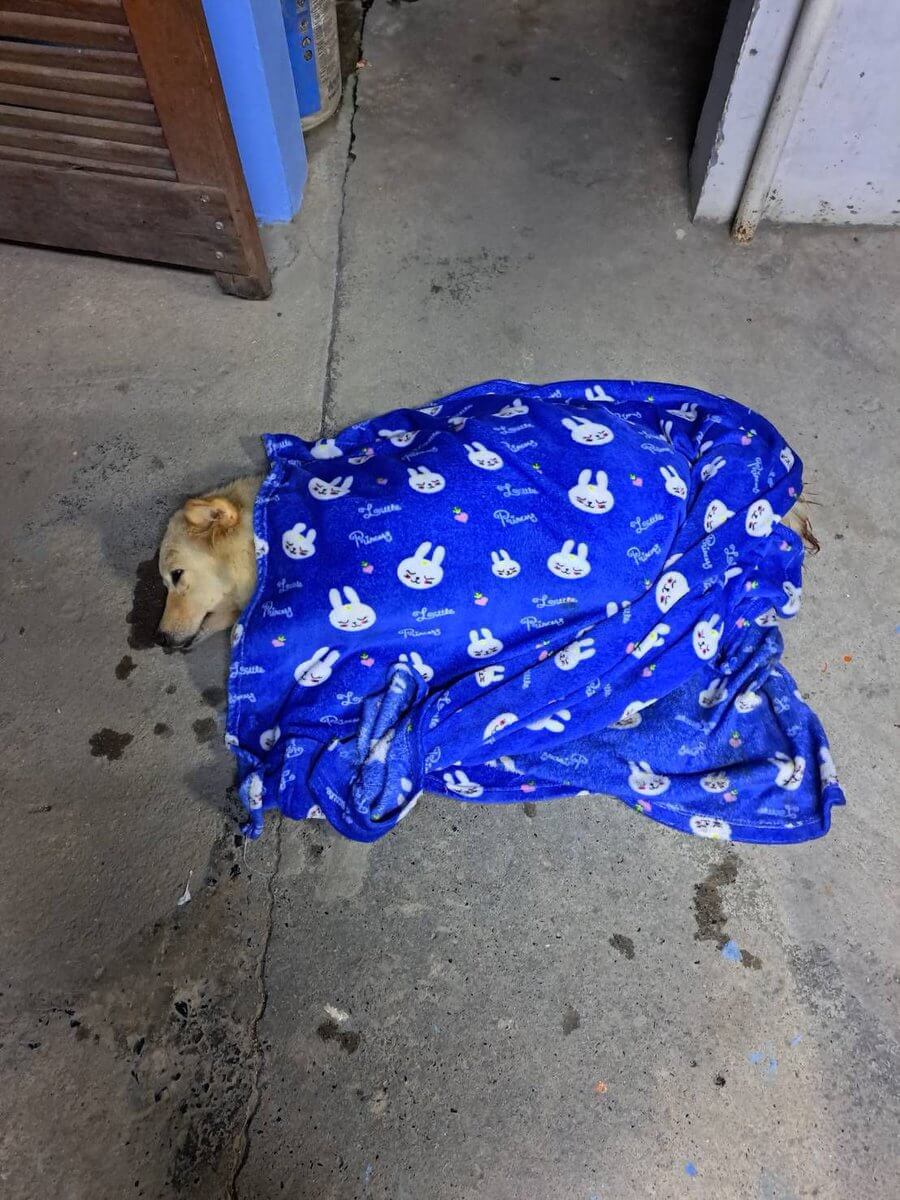
At the field vet clinic, Matilda underwent first-aid triage. Given her crushed legs, internal trauma was suspected. The vet team prepared for fractures, possible spine damage, and the urgent risk of shock. This is standard procedure in emergency medicine for severe trauma patients.
She was kept immobile on a padded board, fluids administered, wounds cleaned, and pain management begun. Movement was restricted; any jostle might cause further harm. The rescue volunteers stayed beside her, whispering soft reassurances while waiting for surgery scheduling.
For days, Matilda lay still. Her breathing was shallow. Her body tensed at every sound. She couldn’t even lift her head. Pain, fear, and shock had bound her world to that stretcher.
But rescue meant the difference between survival and indefinite abandonment.
When Rehab Begins: Why Healing Requires Time and Patience
After initial stabilization, Matilda was moved into longer-term care. Her shattered limbs would need orthopedic repair and slow rehabilitation; rushing recovery risks permanent damage or rejection of repairs.
Experts say that correct rehab — controlled physiotherapy, limited weight-bearing, and careful monitoring — can restore mobility even after severe fractures.
Volunteers carried her everywhere at first — to and from treatment, just to reposition gently. For weeks, she regained small sensations: a shiver, a paw twitch. Some nights, she whimpered. Many nights, she slept on clean blankets but woke shuddering.
There were more hospital stays, more treatment cycles. Yet each time, caregivers noticed tiny improvements. A smoother breath. A less-pained grunt. A slight adjustment against the blanket.
For many dogs in Matilda’s situation, these early stages are often when owners — overwhelmed financially or emotionally — choose euthanasia instead of treatment. But because Matilda was rescued by someone who saw value in her life, she got a chance few survive.
The Breakthrough Week: First Steps, First Hope
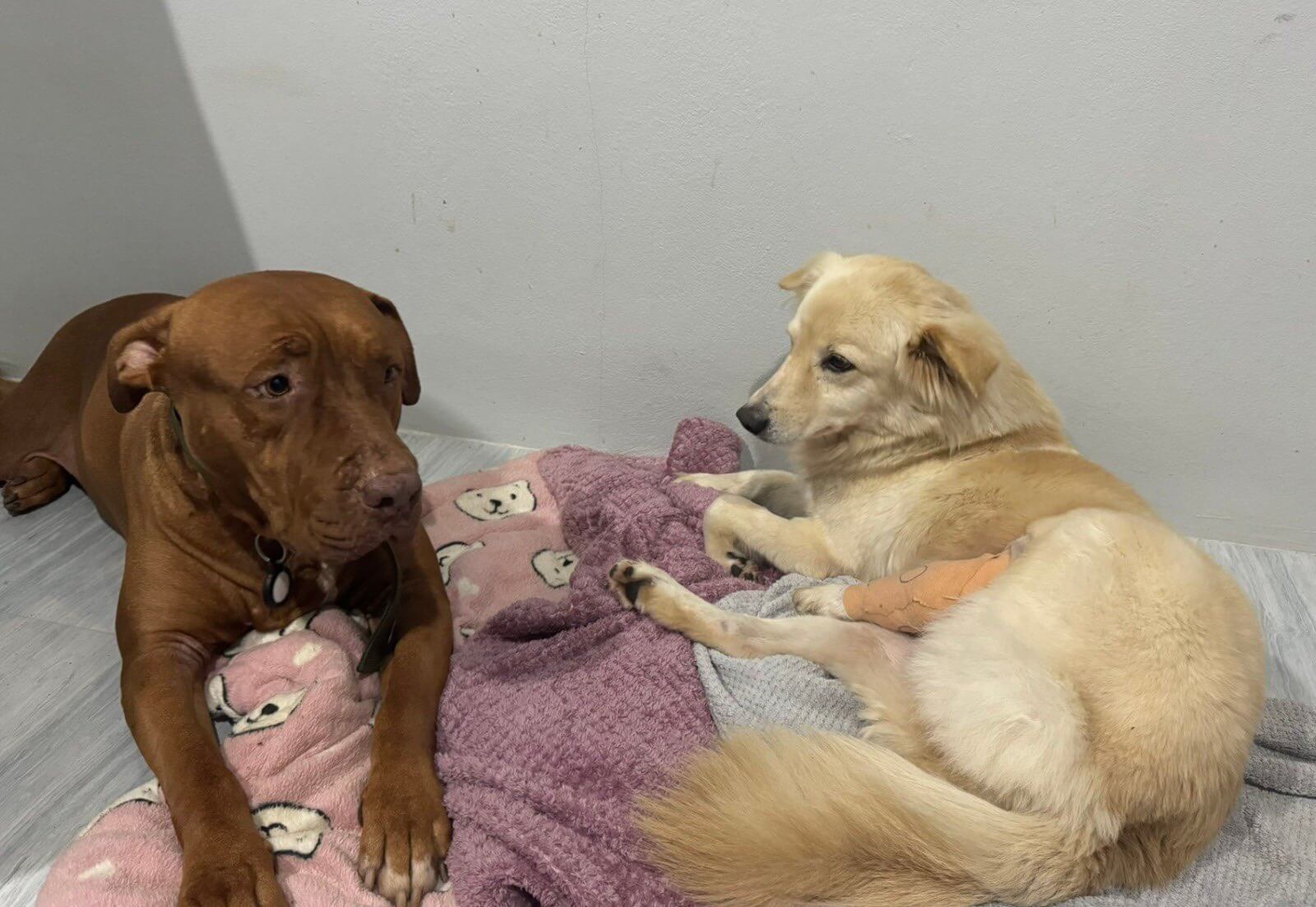
After six months of meticulous rehab and physiotherapy, Matilda did something no one expected: she stood on her own.
She put her weight on a leg — slow, uncertain. Then the other. Legs trembling, body leaning, but she did it. The vet on duty stood still. Volunteers held their breath.
Within days, she was walking unassisted. A little wobbly, at first — but walking. Soon, she managed slow steps on leash, followed by tentative trots. Her tail lifted. Her eyes softened. She started to wag again.
This recovery was much more than physical. According to veterinary trauma care studies, dogs often require months of consistent care, rest, and gradual load-bearing to regenerate bone and tissue strength after severe fractures.
Humane groups such as the Anti-Cruelty Society note that animals recovering from serious injuries need extended periods of restricted movement and careful support while their bodies heal
Matilda’s progress was the difference between being another tragic statistic — and becoming a miracle.
A Chance for a Forever Home: When Hope Comes From Across the World
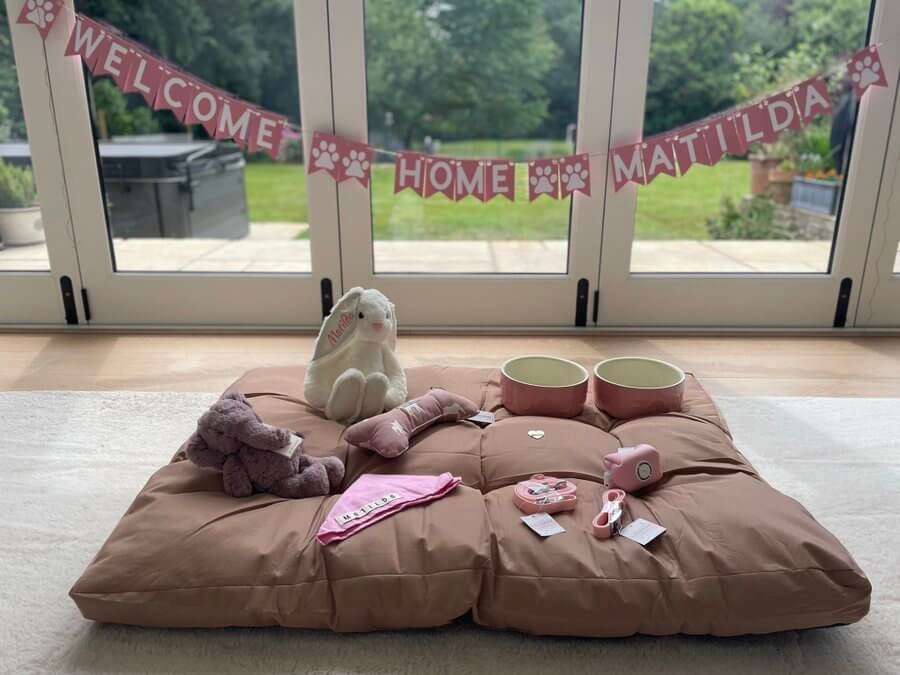
Just when her rehabilitation reached stability, Matilda’s story caught the attention of an overseas rescue network. A family in England — after seeing her photos and medical updates — made the decision to adopt.
International adoption of rescued Thai dogs is possible through well-known organisations like Soi Dog Foundation. They manage logistics, ensure compliance with health and rabies-titer requirements, and help arrange safe travel abroad.
Soon, Matilda was at Samui Airport — weak but alive, stepping into her new future. Volunteers carried her gently through the terminal. She trembled. She yelped. But when her new owner knelt before her, she nudged forward, tail wagging.
It was the first time she walked not for pain relief — but for love.
Why Matilda’s Survival Matters: More Than Just One Dog
Matilda would likely have become just another casualty of stray-dog life in Thailand — broken, ignored, forgotten. Many never get help, buried under growing caseloads and limited resources.
But her story challenges a harsh reality: with care, older or severely injured dogs can heal. With compassion, they can get second chances.
In her case, careful surgery, disciplined rehab, and an adoptive family turned heartbreak into hope.
For every Matilda — there are hundreds waiting. Waiting for someone to stop, notice, care.
What You Can Do If You See an Injured Dog on the Road
If you ever come across a hit-and-injured dog, here’s how rescue groups and vets suggest you act:
- Don’t move the dog hastily. If spinal or internal injuries are suspected, keep the animal’s head, neck, and spine aligned. As the MSD Vet Manual outlines, moving a traumatized dog on a firm flat surface helps prevent further damage.
- Cover the dog’s head with a light cloth if it’s safe. This reduces external stimuli and stress for the injured animal. This reduces external stimuli and stress for the injured animal. Behavior experts note that frightened or hurt dogs often react to noise, sudden movement, and visual triggers, so creating a calmer sensory environment helps keep them from panicking.
- Transport the dog quickly but carefully to a vet or shelter. Avoid jerks, sudden movements, or tight constraints.
- Contact reputable rescue shelters that handle injured strays. Groups like Soi Dog have experience with overseas adoption and trauma recovery cases.
- Share verified rescue stories — raising awareness can encourage others to act.
Even a brief moment of compassion — a voice, a gentle hand — can make a life-saving difference.
Matilda Today: From Broken Body to Beloved Companion
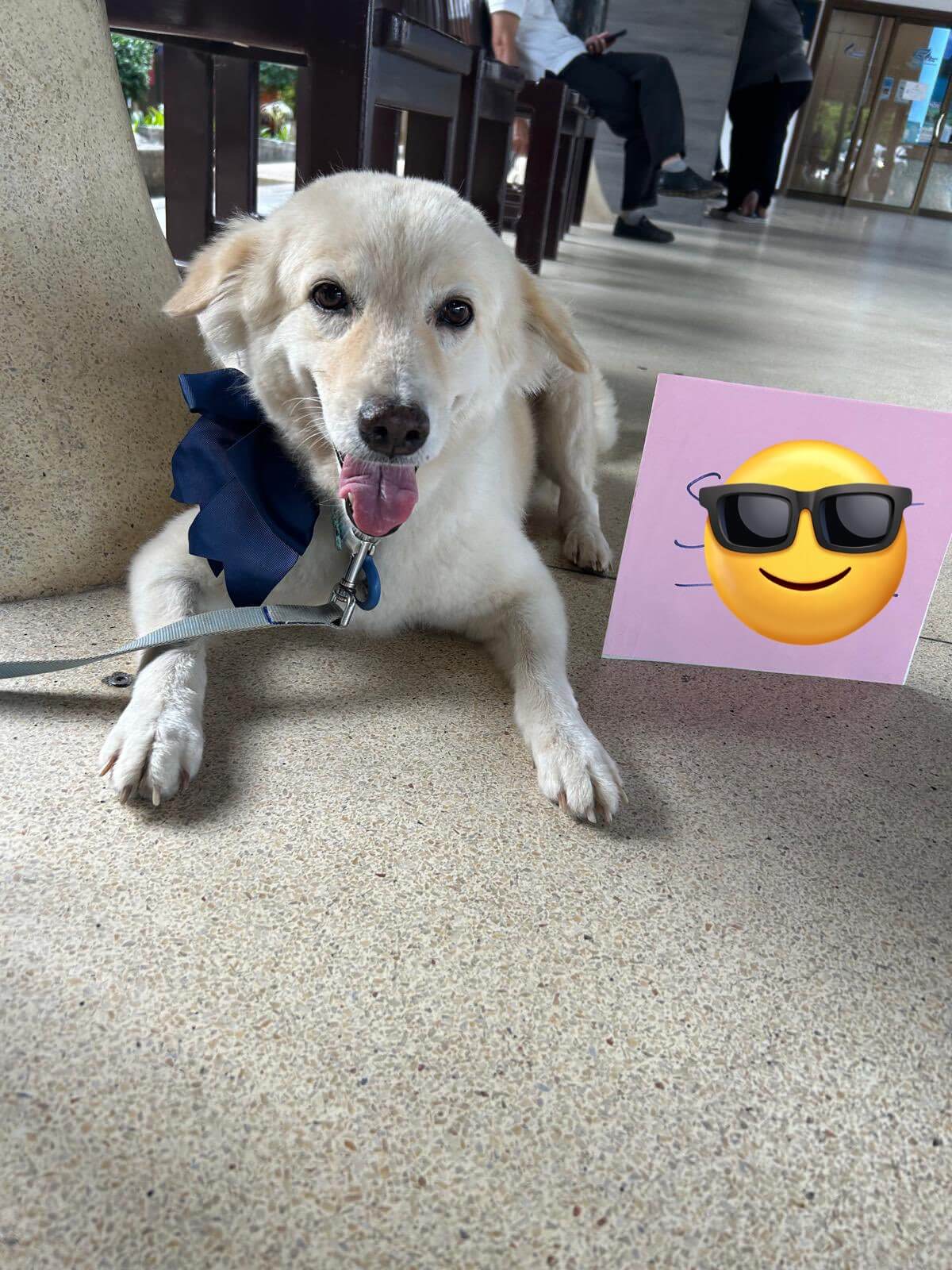
Today, Matilda lives in England with her adoptive family. She runs in a backyard instead of limping along roads. She sleeps in a warm bed instead of on broken pavement. She wags her tail not from fear or hunger — but from joy.
Her recovery reshaped a fate that seemed sealed. Through medical care, rehabilitation, and human kindness, she became more than a rescue dog — she became a reminder that even in the worst circumstances, life can bend toward hope.
Her journey is a call: when we slow down, pay attention, choose care — we can change more lives than we know.
Also check out these rescues:
The Dog Left to Starve in a Locked Cage — and the Rescue That Saved His Life
Left Behind in the Hurricane, She Walked to One Door That Changed Everything


Praise God❤️🙏🏽❤️🙏🏽❤️🙏🏽 to the rescuers, the vet (staff) that heal her and the precious family that gave her a furever loving 🥰 home. Lord please continue to bless this precious fur baby and loving 🥰 home. Amen 🙏🏽
Some people r amazing other people r a…..holes
What a fabulous result