
She Was Found Barely Breathing on Frozen Ground: What Happened Next Gave Everyone Hope Again
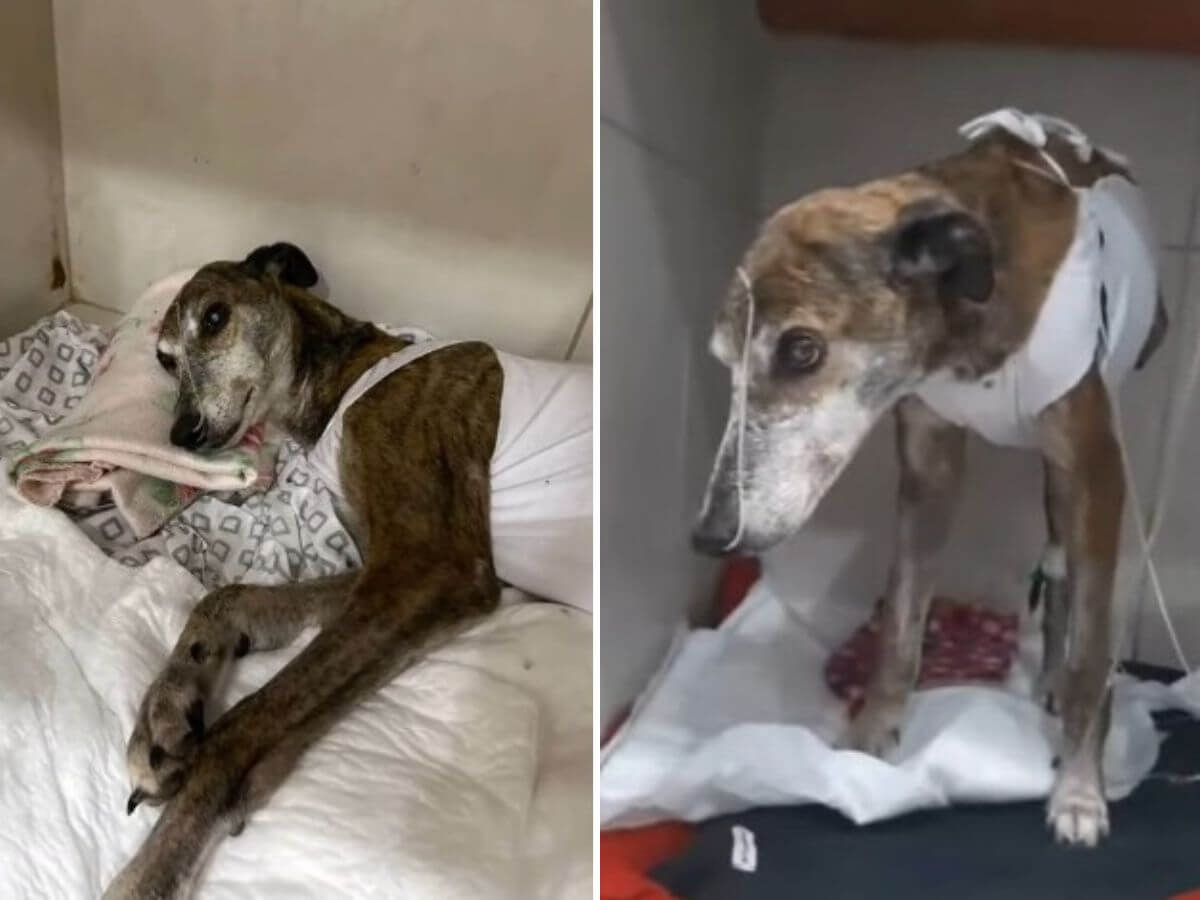
When rescuers from Hogar Amor de Galgo arrived, they did not know if they were too late.
The ground was frozen. The air was quiet. Lying there was a dog named Norita, motionless enough to make time feel suspended. Her body was still alive, but only just.
The team had seen many rescues before. This one felt different from the first moment they stepped closer.
This is not a story about a sudden turnaround.
It is about waiting. It is about choosing to keep going when the outcome feels uncertain. It is about a life that stayed, even when everything else was slipping away.
What followed did not happen quickly, and it did not happen easily. It unfolded one fragile moment at a time.
What the Rescue Team Found on the Ground
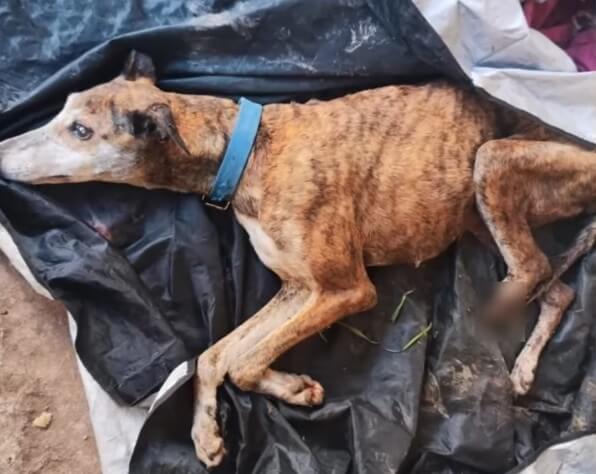
Norita was found in critical condition.
Her body was ice-cold to the touch. Fleas covered her fur. She was so weak she could not lift her head or cry out. One of her back legs was catastrophically injured. Part of it was already gone, and the bleeding had not stopped.
As rescuers knelt beside her, they understood the gravity of the moment right away.
“One look was enough to know this was not just a rescue. It was a race against time,” rescuers said.
Norita did not resist when they touched her. She did not tense when they lifted her from the ground. Pain had already taken almost everything she had left. What remained was quiet endurance.
Why Cold Exposure Becomes Life-Threatening So Fast
Before Norita even reached a hospital, her body was already failing.
Cold exposure pushes dogs into crisis faster than many people realize. Once body temperature drops, organs slow. Blood pressure falls. Shock follows.
According to the American Kennel Club, “For dogs, mild hypothermia begins to set in when their body temperature drops below 99° Fahrenheit,” a threshold that can arrive quickly when a weakened animal is lying on frozen ground.
That reality shaped every decision that came next.
Rushed to Save Her Life
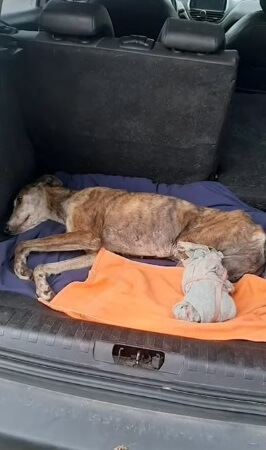
Norita was taken straight to a veterinary hospital.
The team focused on stopping the bleeding, raising her dangerously low body temperature, and starting fluids to support organs that were barely holding on. Tests soon revealed how close she was to losing the fight.
She was suffering from severe anemia. She had only one kidney, and that kidney was already compromised.
The veterinarians were direct. Surgery was not optional. It was the only chance.
As Norita was prepared, she lay completely still on the table, surrounded by hands she had never known before.
Rescuers described the moment as deeply quiet.
“It was as if she had given permission. Do whatever you can,” they said.
What Severe Anemia Looks Like in Rescue Dogs
Anemia often hides behind stillness.
Dogs with rapid blood loss can appear quiet rather than panicked. Their bodies conserve energy because they have no choice.
According to the MSD Veterinary Manual, “After rapid blood loss, the animal usually has an increased heart rate, pale gums, and low blood pressure.” Without intervention, that spiral continues until organs begin to fail.
That is why blood transfusions became part of Norita’s care.
Weeks of Uncertainty
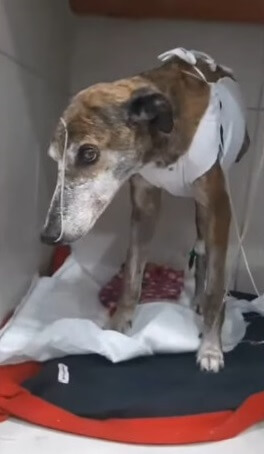
The first weeks after surgery were fragile.
Norita woke weak and disoriented. She barely moved. She did not eat on her own. Blood transfusions followed, one after another, each one buying her more time.
Caregivers watched her around the clock. Every stable hour felt like a quiet victory.
Days passed slowly. Norita remained still, conserving what little strength she had left.
Then, nearly a month later, something changed.
She lifted her head.
It was small. It meant everything.
A Second Battle No One Wanted
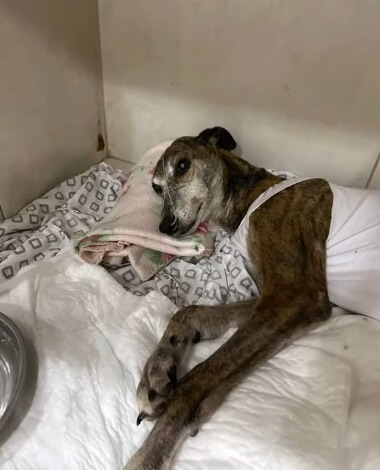
As Norita grew stronger, complications in her injured leg became impossible to ignore.
Infection risk remained high. Pain lingered. Another difficult decision stood in front of the team.
To prevent further suffering, surgeons had to remove the remaining damaged portion of her thigh.
Once again, Norita endured.
This time, recovery moved forward with more certainty. She slept peacefully. Her appetite returned. She began testing her balance, learning how her body worked now.
Then came the moment no one forgets.
She stood.
Unsteady, but proud.
She took one step. Then another.
Rescuers said this was no longer just survival. It had become resilience.
Life After Amputation Is Not the End
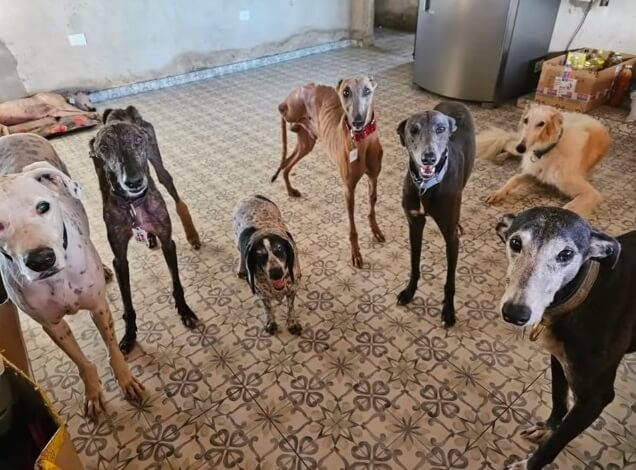
Amputation often sounds final to people who have never watched a dog recover.
For dogs, the absence of pain can change everything.
According to BluePearl Pet Hospital, “Most pets do remarkably well with only three legs and quality of life greatly improves once they are no longer in pain.”
Norita began adapting faster than anyone expected.
Where Norita Is Today
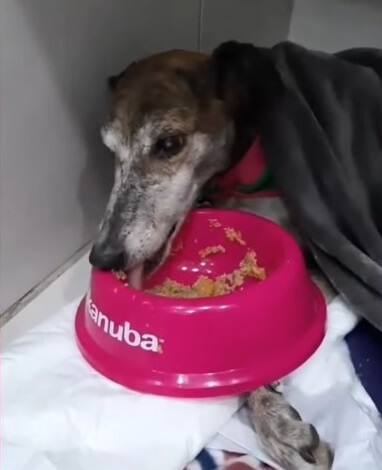
Today, Norita is stable and strong.
She moves confidently on three legs. Her body has adjusted. Her spirit remains intact.
She lives safely at the animal care center, surrounded by people who believe in her. She leans into gentle touches now. She rests her head against caregivers’ legs.
Norita lost part of her body.
She did not lose her will to live.
She did not lose her ability to trust.
She did not lose her place in this world.
Sometimes survival does not look dramatic. Sometimes it looks like standing quietly, supported, and finally at rest.
If Norita’s journey stayed with you, consider sharing her story. Sometimes awareness reaches farther than we expect. And sometimes, it reaches exactly where it is needed.
You may also want to read:
They Left Her Paralyzed in the Snow. One Woman Refused to Let Her Die
She Collapsed in Cold Rain After Days of Seizures. Someone Refused to Look Away


