
Outdoor Safety and Care Guide for Pets
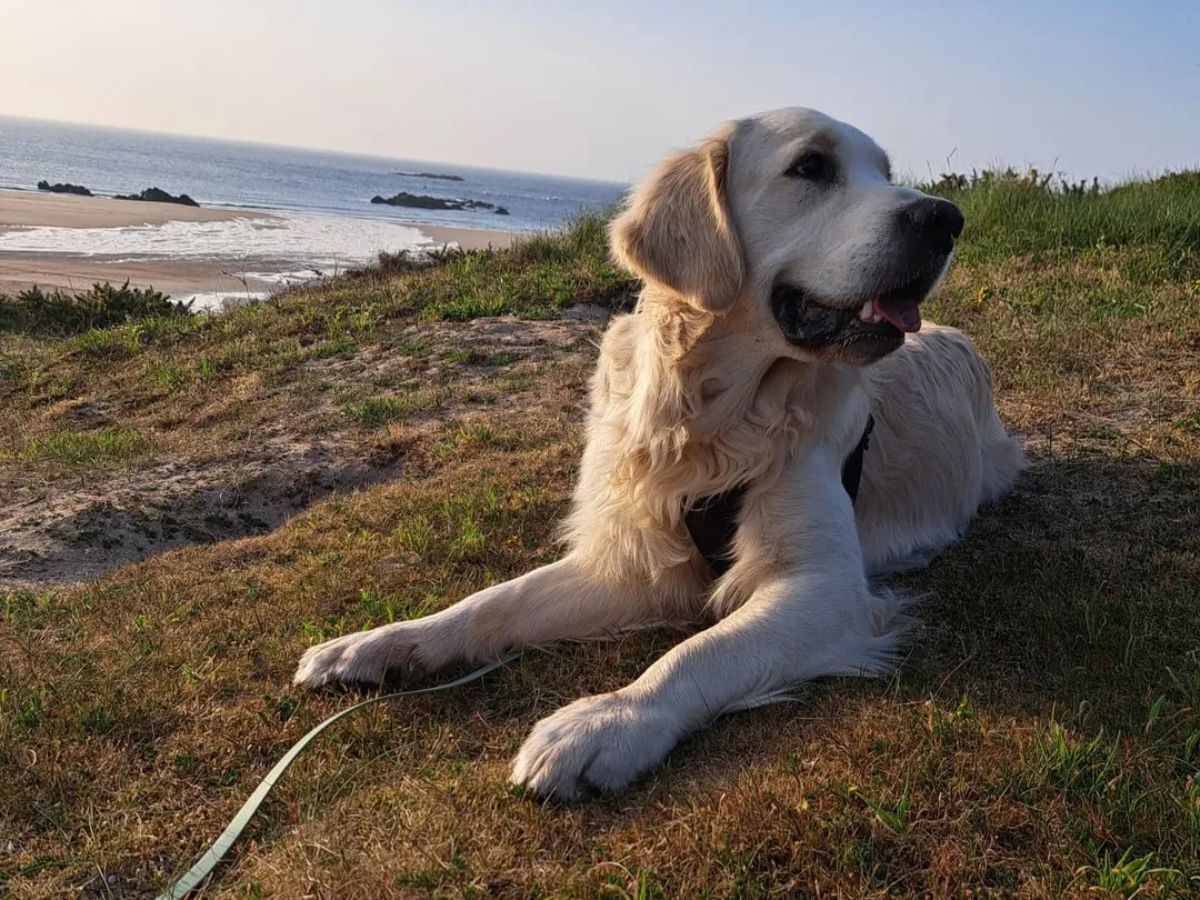
Outdoor time looks harmless. A quick walk. A backyard break. A lazy afternoon at the park.
I have seen more pet emergencies start this way than during any big adventure.
Here is why. Most outdoor injuries do not happen during hikes or road trips. They happen during routines we barely think about. Owners relax because the moment feels safe. Pets push through discomfort because they trust us to notice when something is wrong.
I learned to stop ignoring the small signs. The slower pace. The sudden pause. The moment a walk feels off but easy to dismiss.
This guide focuses on those moments. The everyday outdoor situations where small choices make a real difference. You will learn how to spot early warning signs, adjust habits on the spot, and keep outdoor time enjoyable instead of stressful.
Let’s slow this down and walk through outdoor safety the way it actually shows up in daily life.
Why Everyday Outdoor Time Deserves More Attention
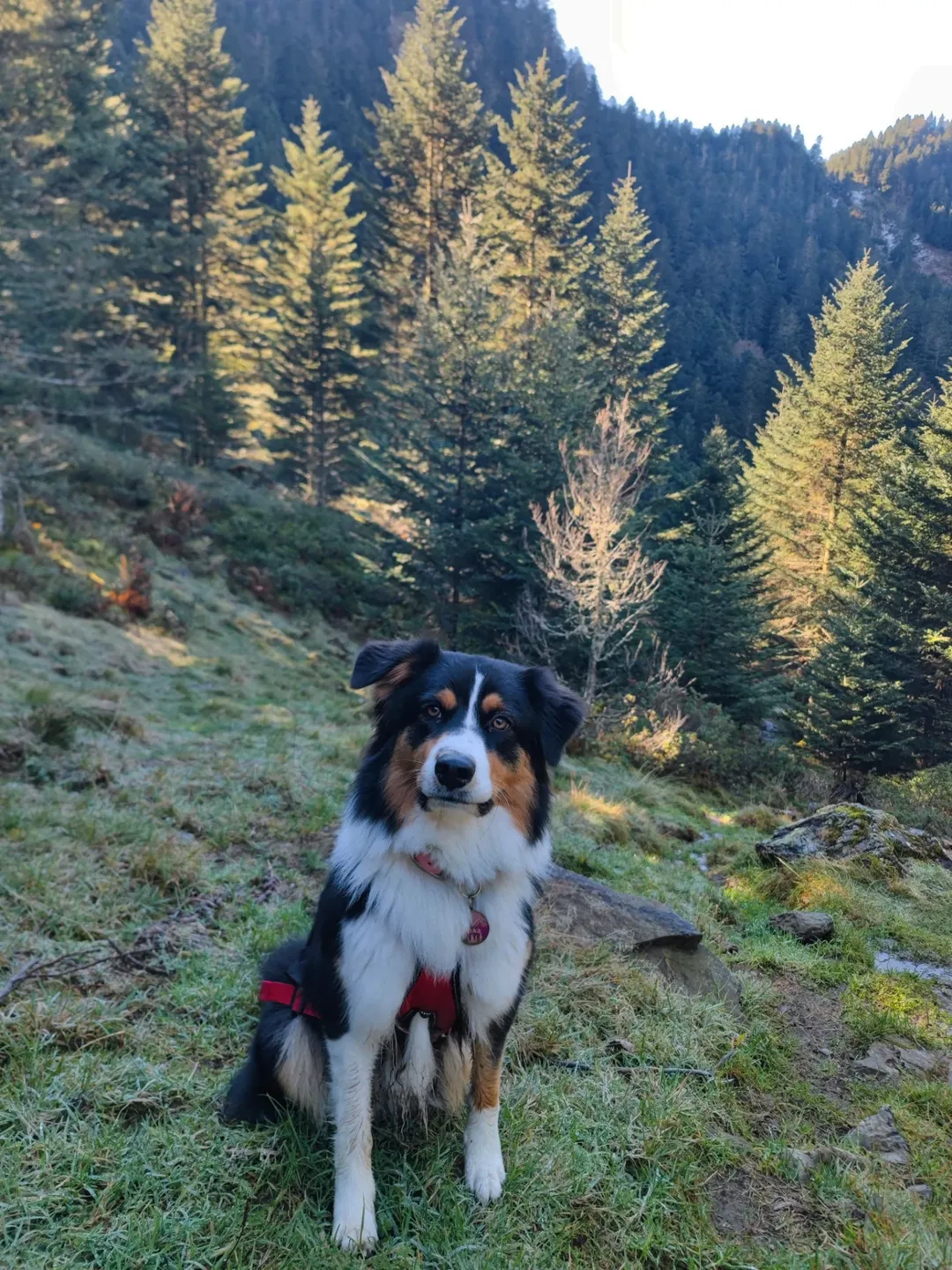
I learned this the hard way years ago. I was walking a dog I knew well. Same route. Same pace. Nothing unusual. Ten minutes in, he sat down and refused to move. No panic. No noise. Just quiet exhaustion.
That moment stuck with me. Outdoor risk rarely announces itself.
Short walks, quick yard breaks, and casual play often feel too small to matter. Yet these are the moments when heat, surfaces, insects, water, and human-made hazards overlap. They build quietly while we assume everything is fine.
Once you start noticing these patterns, it changes how you move through everyday outdoor time. You stop rushing. You watch more closely. You step in earlier.
That awareness sets the stage for the most common issue pets face outside.
Heat Does More Than Make Pets Tired
Dogs and cats handle heat very differently than humans. They do not cool their bodies the same way we do. When heat builds, it has fewer exits.
Veterinary researchers at the Royal Veterinary College studied thousands of heat-related cases and reached a clear conclusion. Early cooling matters more than speed to a clinic.
Their guidance focuses on one simple rule. Cool first, transport second. Active cooling reduces harm when heat stress begins. You can read their findings directly here.
What this means in daily life is simple. Heat stress often starts before it looks serious.
I now treat small changes as signals. A slower pace. Less sniffing. A sudden interest in shade. When I see those signs, the walk ends right then, even if we barely started.
Small choices matter here. Shorten walks when humidity rises. Bring water even on familiar routes. Let rest happen before your pet asks for it.
Once heat enters the picture, the ground itself becomes the next problem.
The Ground Can Hurt Before You Notice
Hot pavement does not feel dangerous until it is. I have watched dogs move confidently across asphalt that would burn bare skin.
The American Kennel Club explains how pavement temperatures climb far beyond the surrounding air and why paw injuries happen faster than most owners expect. They also share a simple check anyone can use.
If you cannot hold your hand on the surface for seven seconds, it is too hot for paws. Their guidance is available here.
This risk shows up during short outings, not just long walks. Paw burns happen fast. They raise body temperature and add strain that pets cannot explain.
I plan routes differently now. Early mornings. Shaded sidewalks. Grass when it’s available. After walks, I glance at paws and watch for licking or uneven steps.
When the ground becomes unsafe, the next threats often come from even lower places.
Ticks and Insects Come Home With You
Outdoor exposure does not end when you step inside. Ticks do not stop at the door. They move from fur to beds, carpets, and couches without much effort.
The Centers for Disease Control and Prevention explains that pets can increase tick exposure inside the home and that daily checks lower risk for both animals and people. They also point out where ticks tend to hide, which makes quick checks more effective.
I used to think prevention meant products alone. What changed things was consistency. Now, after every outdoor session, I run my hands over ears, neck, under collars, and between toes. It takes less than a minute. It prevents the slow panic that comes with finding a tick days later.
Once this habit sticks, it changes how you look at the spaces pets move through every day. That includes your own yard.
Yards Can Be Riskier Than Parks
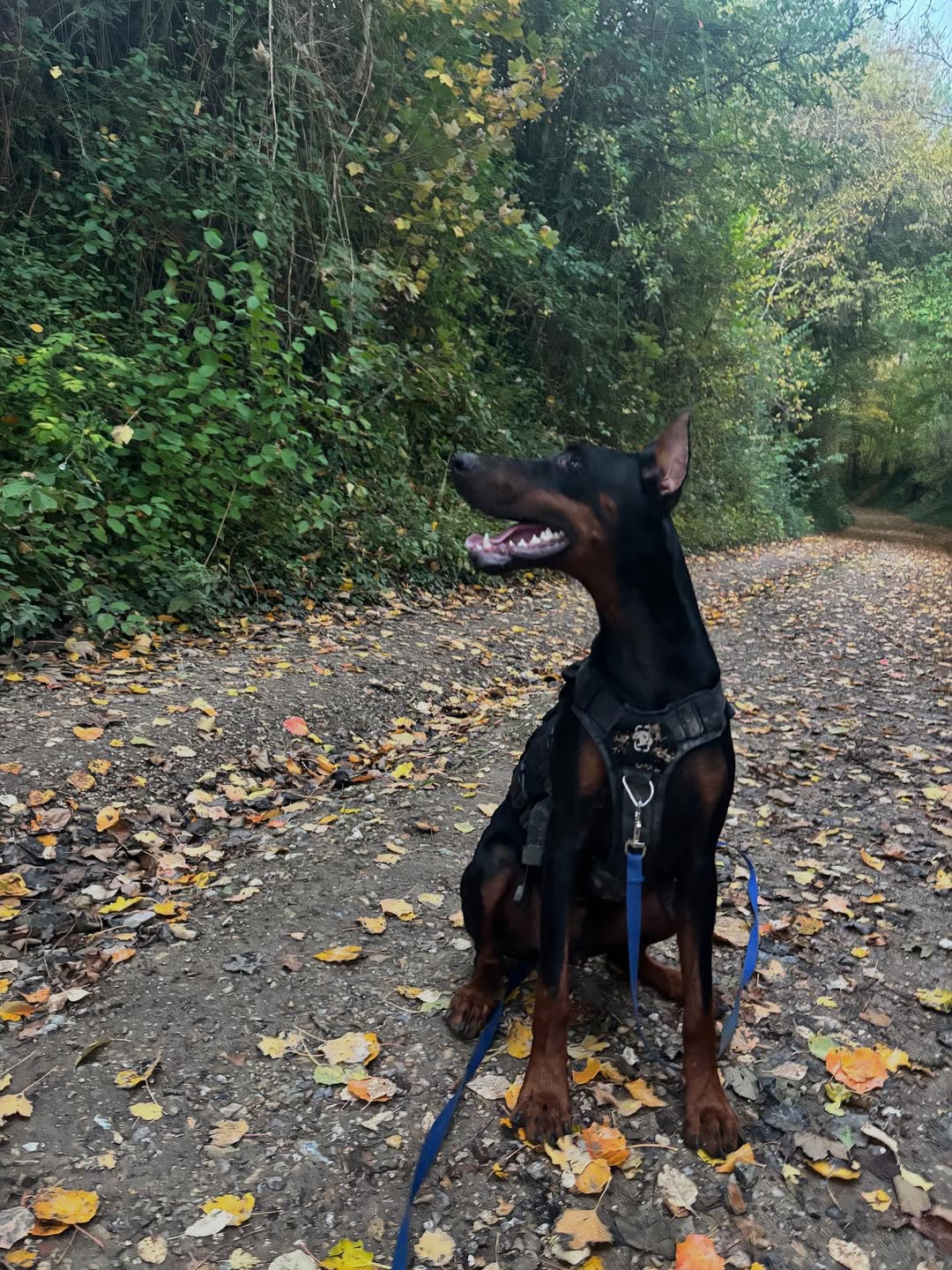
Backyards feel controlled. Gates are closed. The space feels familiar. That sense of safety is often misplaced.
The National Pesticide Information Center, working with Oregon State University and the U.S. Environmental Protection Agency, explains that lawn chemicals remain a risk after application. Pets should stay away until products dry fully and the area ventilates.
I have watched dogs get sick after routine yard time. No digging. No rolling. Just licking paws after walking across treated grass. The exposure looked minor. The reaction was not.
Now I assume any treated surface carries residue. I wipe paws after outdoor time. I keep toys and water bowls off grass when treatments happen nearby. I store chemicals out of reach and out of sight.
This mindset carries over to the areas most owners forget to scan.
Small Spills Can Be Deadly
Antifreeze exposure is one of the hardest outdoor poisonings to catch because it does not look dangerous.
The MSD Veterinary Manual explains that even small amounts of ethylene glycol can be fatal to pets. It also explains why animals are drawn to it and why quick response matters.
Reading that changed how I treat driveways and garages. I do not let pets sniff puddles. I check parking areas after car work. I rinse spills right away, even if they look clean.
The rule I follow is simple. If it looks like water and I did not put it there, pets do not go near it.
From land, the next hidden risk often comes from places that look refreshing rather than dangerous.
Water Is Not Always Safe
Lakes and ponds look refreshing. Dogs see them as giant water bowls. That combination is where trouble starts.
California environmental health experts warn that harmful algal blooms can poison dogs quickly through swimming or drinking contaminated water. Symptoms can appear fast and worsen without much warning.
What changed my habits was realizing how ordinary these water sources are. A quiet park pond. A neighborhood retention basin. A calm lake that looks safe from a distance.
Now I scan the edges before letting a dog near the water. If it looks cloudy, green, or scummy, we stay out. After swimming, I rinse my dog with clean water every time. No exceptions.
Even small puddles can carry bacteria or chemical runoff, especially near roads and parking areas. I bring water and redirect drinking without hesitation.
Once water enters the picture, movement control becomes the next line of safety.
Leashes, Boundaries, and Sudden Freedom
Most outdoor injuries I have witnessed started with one moment of freedom that felt harmless.
A dropped leash. A gate that did not latch. A dog stepping into the street faster than a hand could react.
The American Animal Hospital Association points out that microchips only help when contact details stay current. Many lost pets are not missing for long. They are just hard to return.
What I rely on now is redundancy. Tags checked before outings. Gates tested weekly. Recall practiced in calm spaces before trusting it in busy ones.
Outdoor safety improves through repetition, not perfect control.
Those same instincts help when reading early signs of stress.
Learning to Read Outdoor Stress Signals
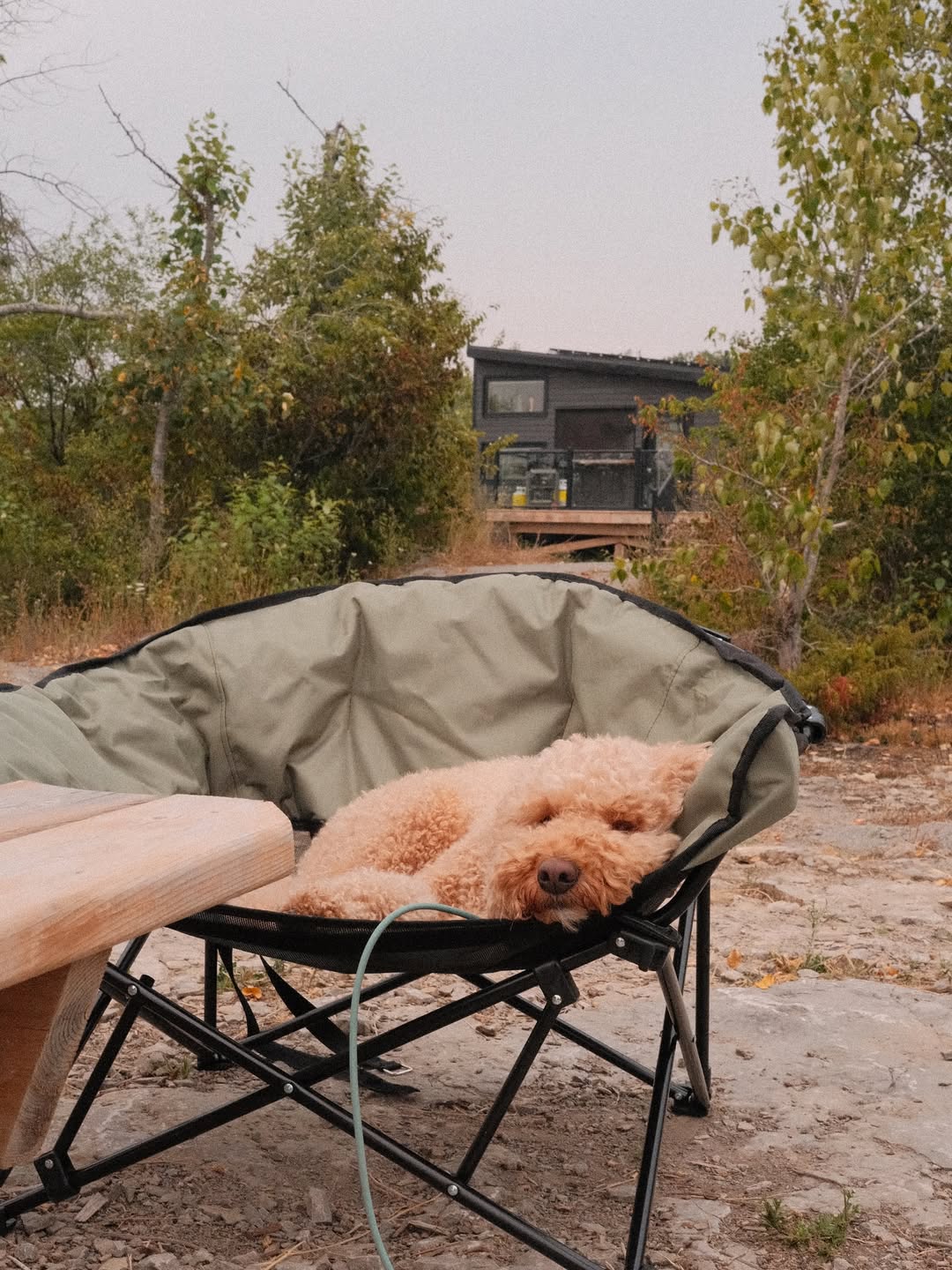
Pets rarely show distress all at once. They show it in fragments.
A dog that stops sniffing. A cat that lowers its body closer to the ground. A pet that seeks shade sooner than expected or turns away from water.
I learned to respect those signals after ignoring them once and wishing I hadn’t. Ending an outing early feels inconvenient. Continuing often leads to regret.
Now I watch posture, breathing, and focus. When something shifts, I respond instead of waiting for clarity.
This awareness gets sharper with time, especially as seasons change and routines adjust.
Seasonal Shifts Change Risk Patterns
Outdoor risks change with the calendar, even when routines stay the same.
Summer brings heat that builds faster than expected. Winter adds ice, salt, and chemicals that cling to paws. Spring and fall feel mild, yet they introduce sudden weather swings and a rise in insects.
What helped me was treating each season as a reset. I shorten walks when heat lingers longer than planned. I rinse paws more often in colder months, even after brief outings. When spring arrives, I slow down enough to check for ticks before heading inside.
These adjustments do not complicate life. They remove guesswork. Over time, they become automatic.
That rhythm sets the foundation for habits that last.
Building Safer Outdoor Habits That Stick
Outdoor safety does not grow from fear. It grows from attention repeated often enough to feel natural.
I bring water because it prevents rushed decisions. I scan the ground because it takes seconds. I check paws because small injuries hide easily. I rinse after water play because residue lingers. I confirm identification because mistakes happen.
None of this feels heavy once it becomes routine.
The payoff shows up quietly. Outdoor time feels calmer. Pets move with more ease. I stop second-guessing decisions because I know what to watch for.
That sense of trust changes everything. It turns outdoor safety from something you worry about into something you live with confidence.
And that is what safe outdoor life should feel like.
The same mindset applies across everyday care, especially when thinking about needs beyond food and shelter and balancing physical and mental care.


