
Persian vs British Shorthair: Grooming, Health, and Personality Differences
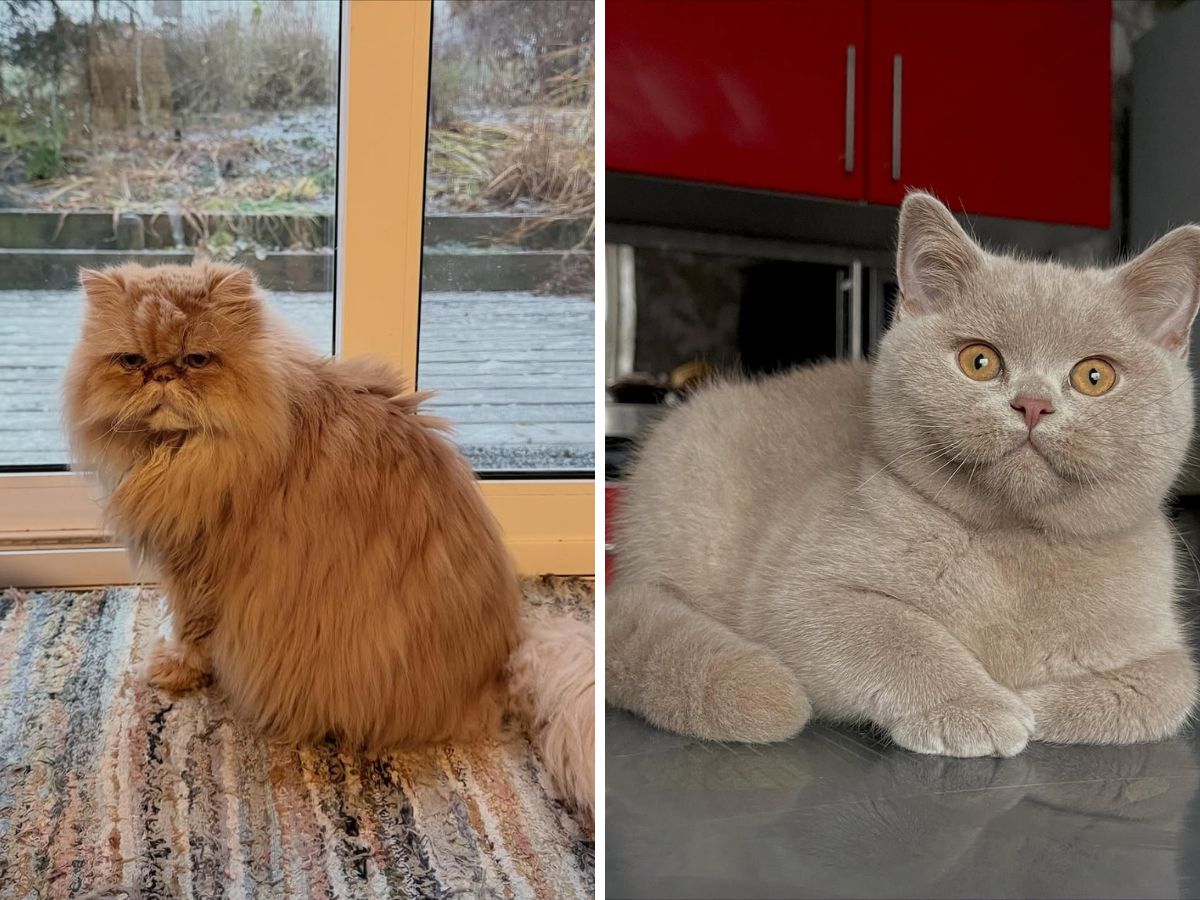
Choosing between a Persian and a British Shorthair often starts with looks. One has a flowing coat and a flat face. The other has a dense plush coat and a round, sturdy build.
Then real life steps in.
This comparison is for people who want to know how daily care actually feels. It is for first time cat owners. It is for families. It is for apartment dwellers. It is also for anyone trying to decide how much grooming, health monitoring, and involvement they can realistically manage without stress creeping into their routine.
When people ask which of these breeds is easier to live with, they are rarely asking about beauty. They are asking which cat fits into their day without constant adjustment, unexpected work, or lingering second thoughts.
Here is why grooming, health habits, and personality patterns shape daily life far more than appearance, and how understanding them early can prevent years of small but draining frustrations.
A reality check before comparing breeds
No cat lives on paper. Breed traits point toward patterns, not guarantees.
Two cats from the same breed can react very differently to noise, routines, and handling. What shapes daily life most is how those traits interact with your space, schedule, and expectations during the first few months at home.
Breed information still matters. It offers a starting framework. It hints at where effort will be required and where things may come more naturally. What it does not do is replace daily care, steady habits, or clear boundaries.
If you approach this comparison with that mindset, decisions feel clearer and regrets tend to stay smaller.
Let’s break it down by how life actually feels at home.
Persian vs British Shorthair at a glance
At first glance, the difference seems simple. One coat is long. The other is short. Daily routines tell a deeper story.
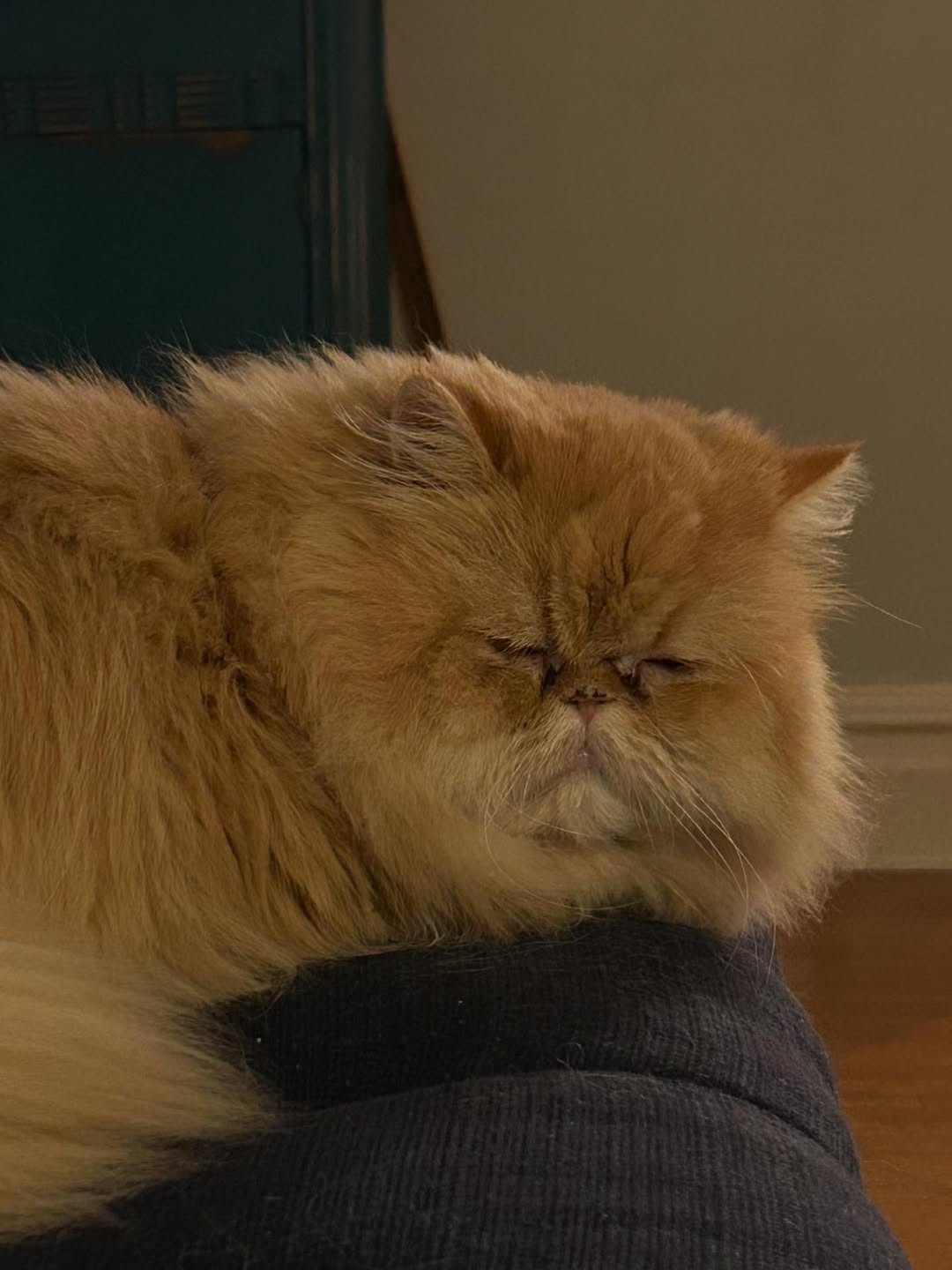
Persians are defined by a long, fine coat and a distinct facial structure. According to the Persian breed standard from the Cat Fanciers’ Association, these traits shape both grooming needs and face care routines that owners must manage consistently. This care does not stay optional once daily life begins.
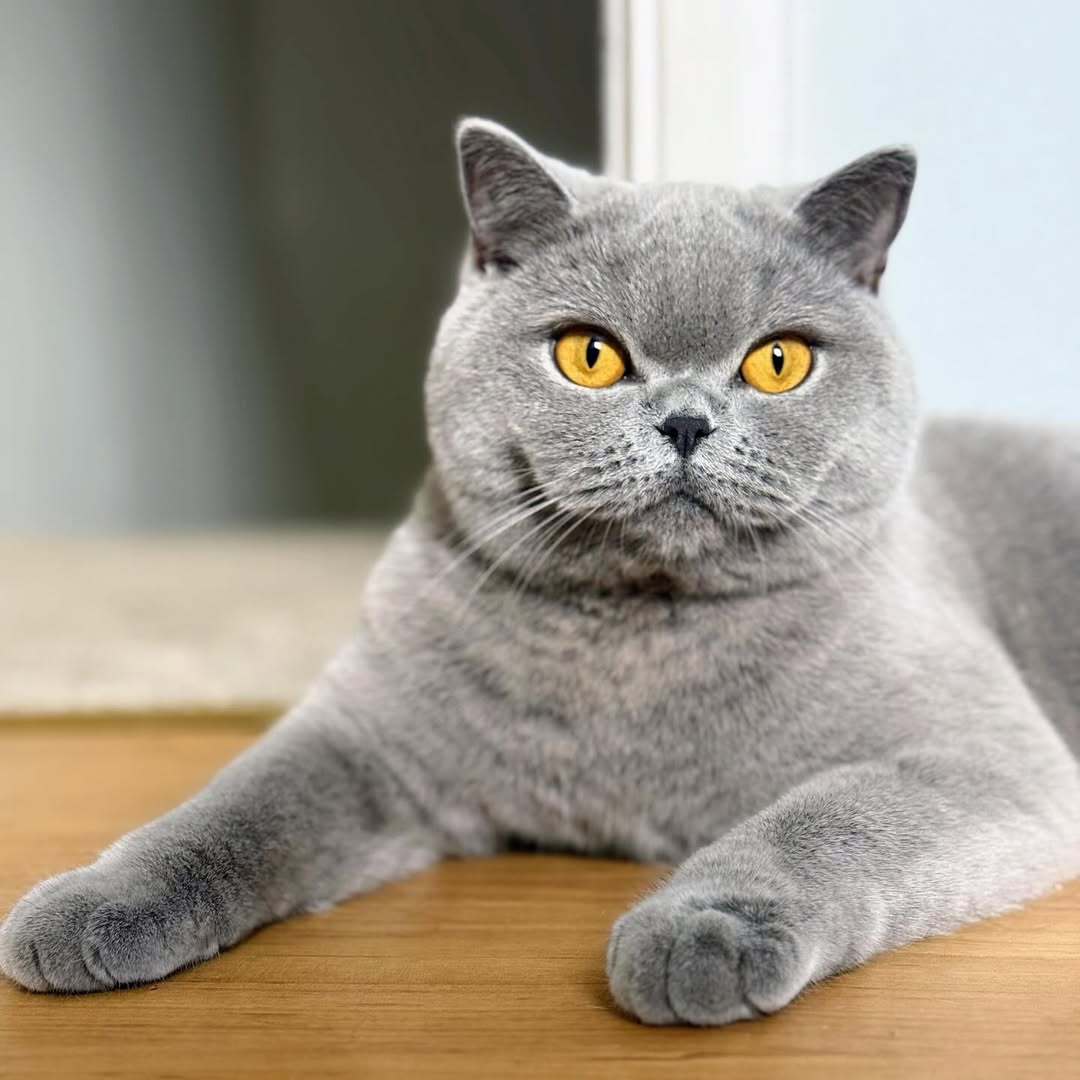
British Shorthairs are built with a dense coat and solid body. The British Shorthair breed standard from the Governing Council of the Cat Fancy describes a balanced structure that often translates into lower grooming intensity and steadier maintenance over time.
Both breeds can form strong bonds. The difference shows up in how much daily upkeep becomes part of your routine, especially during busy weeks.
That difference shapes everything that follows.
Grooming reality: daily care vs background maintenance
Grooming is not a side task with these breeds. It becomes part of the rhythm of the home.
Persians require hands-on coat care. Loose hair mats quickly, especially around the neck, legs, and underside. Skipping brushing even briefly can lead to discomfort and stressful grooming sessions later. Many owners find that short, daily brushing works better than trying to catch up once mats form.
British Shorthairs still shed, but their coat behaves differently. Brushing a few times a week often keeps hair manageable and reduces shedding across furniture and clothing. Grooming tends to feel like background maintenance rather than a daily obligation.
A simple habit helps both breeds. Choose one consistent time each day or week and keep grooming short. Five calm minutes builds tolerance and lowers resistance over time. Grooming becomes expected rather than avoided.
When grooming slips, health concerns often follow, which is where many owners realize how closely the two are linked.
Health monitoring and long-term care expectations
Health care feels easier when it starts early and stays consistent.
Persians carry a known risk for inherited conditions, including polycystic kidney disease. The UC Davis Veterinary Genetics Laboratory explains how genetic testing for PKD can identify risk before symptoms appear, giving owners and veterinarians time to plan and monitor rather than react.
British Shorthairs have their own considerations. Research published through the Journal of Veterinary Internal Medicine and indexed by the U.S. National Library of Medicine documents the presence of hypertrophic cardiomyopathy in this breed, which is why heart screening often becomes part of responsible care conversations.
Health habits matter more than diagnosis lists. Regular checkups, weight tracking, and early conversations with breeders reduce uncertainty later.
Guidance from the American Animal Hospital Association and the American Association of Feline Practitioners shows that preventive care tailored to life stage helps cats settle into stable long-term health routines.
When health feels predictable, daily life feels calmer.
Next steps involve how these breeds fit into everyday routines.
Energy levels and daily routine fit
Neither of these breeds is high-energy in the way some cats are, but their rhythms differ.
Persians often prefer calm environments. They tend to conserve energy and enjoy predictable routines. Quiet mornings, steady afternoons, and low-noise evenings usually suit them well. Too much activity can lead to withdrawal rather than engagement.
British Shorthairs often show moderate activity with short play bursts. They may enjoy interactive play, then settle into rest without demanding constant attention. This balance often works well in households that shift between busy and quiet periods.
A simple action step helps both breeds. Schedule play at the same times each day. Even ten minutes of focused interaction can prevent restlessness and reduce unwanted habits.
Energy patterns influence personality, which is where daily compatibility becomes clear.
Personality patterns that shape household life
Personality is where expectations shape daily comfort.
Persians often show a gentle, reserved presence. Many prefer staying near their people without constant handling. They may watch activity rather than join it, which feels calming in quiet homes. In louder or busier spaces, this same trait can look like withdrawal if owners expect frequent interaction.
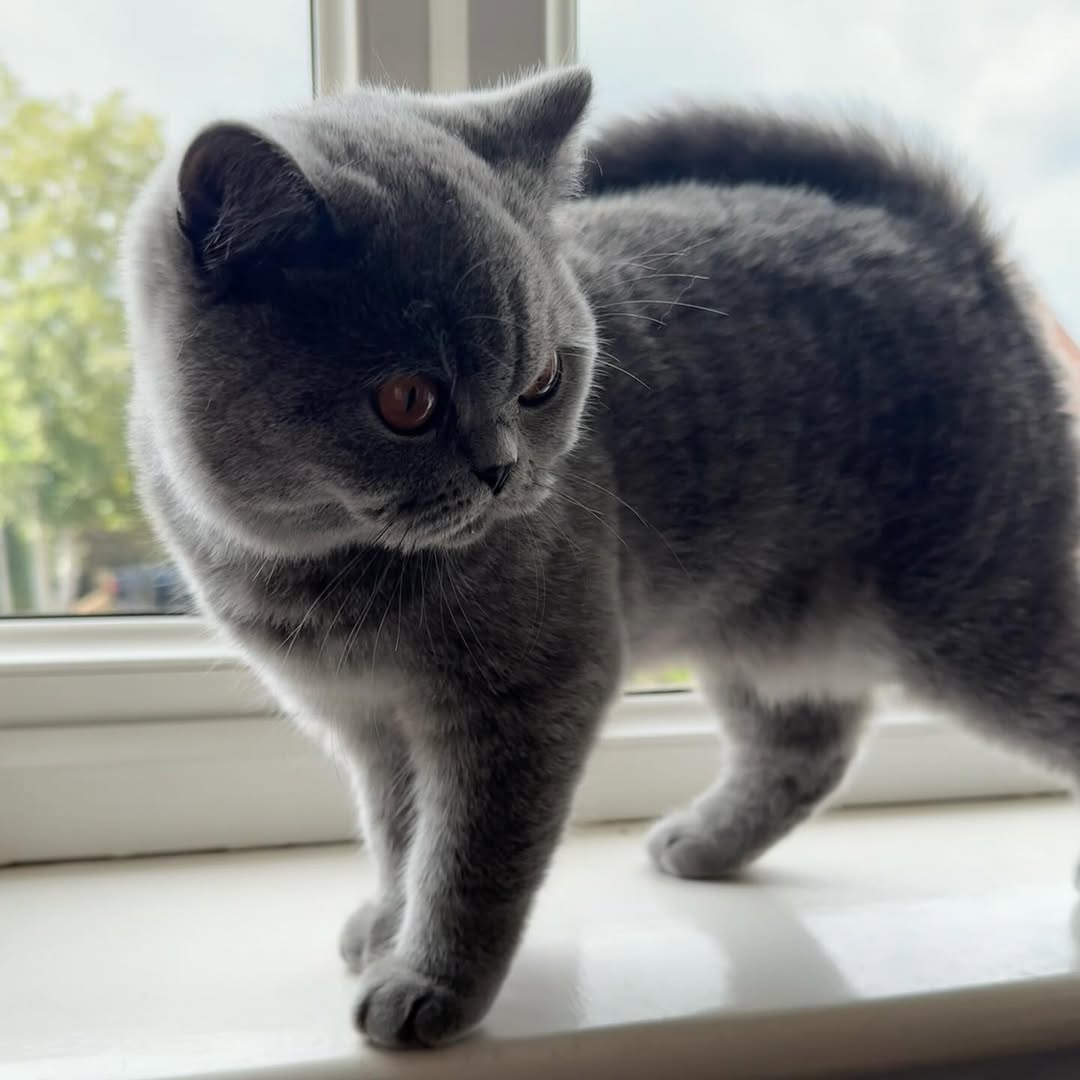
British Shorthairs often settle into a middle ground. They tend to enjoy company without becoming dependent on it. Many accept handling without seeking it, then step away when they have had enough. This pattern often feels steady and easy to manage in homes with shifting energy levels.
Neither approach is better. The difference lies in how much interaction you want built into your day.
A simple self check helps here. Notice how you feel when someone shares your space quietly versus needing regular attention. That preference usually points toward the breed that will feel easier to live with over time.
Personality also shapes how quickly routines stick, which brings us to adaptation.
Trainability and adaptation over time
Trainability is not about tricks. It is about how smoothly a cat adjusts to daily expectations.
Persians often take longer to build comfort with grooming, especially around the face. Short, calm sessions started early matter. Once routines feel familiar, behavior usually remains steady rather than changing week to week.
British Shorthairs often adapt to handling and household rules more quickly. Many settle into litter habits and grooming routines with fewer repeated cues, which reduces tension during the early months.
Guidance from the World Small Animal Veterinary Association shows that tracking daily habits and body condition supports stability for indoor cats whose routines stay consistent over time.
The most useful action step here is patience with structure. Keep routines simple. Repeat them the same way. Progress shows up over months, not days.
When this phase feels rushed, friction often follows.
Common owner mistakes that increase daily friction
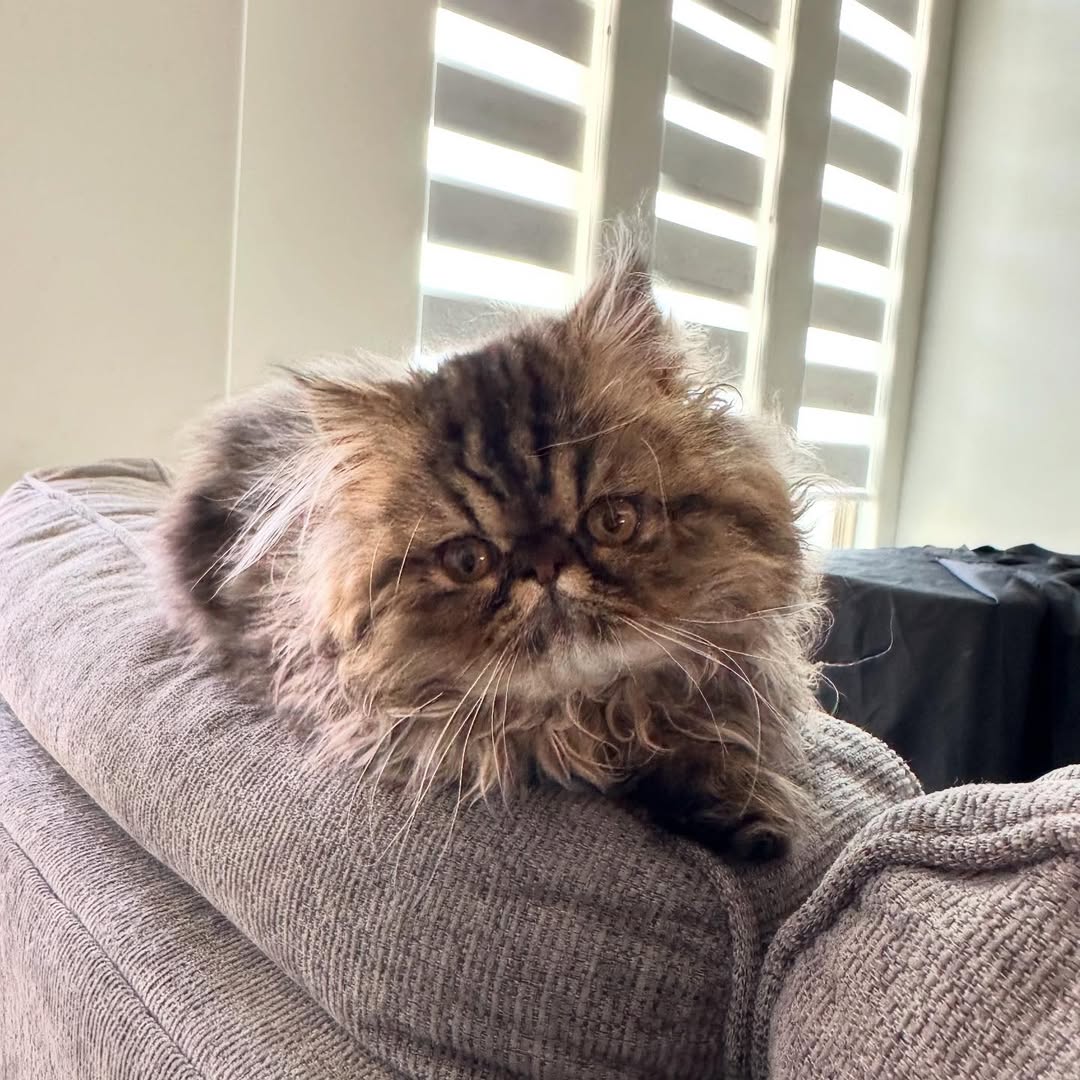
One common mistake is underestimating grooming time, especially with Persians. Skipped care rarely stays invisible for long.
Another mistake is waiting to talk about health until something feels off. Early screening and steady monitoring turn care into a routine rather than a source of worry.
Appearance-driven decisions also create problems. Choosing a breed without matching it to your schedule and tolerance often leads to frustration that has nothing to do with behavior.
Avoiding these mistakes keeps daily life predictable and manageable, which matters more than perfection.
That brings us to the role space plays in how comfortable a cat feels at home.
Home environment match: space, noise, and setup
Your home shapes daily ease more than breed labels ever will.
Persians often settle best in calm spaces with soft resting areas. They usually respond well to predictable layouts and low noise. Quiet corners, stable furniture placement, and consistent pathways reduce startle responses and help them relax into daily routines.
British Shorthairs adapt comfortably to a wider range of spaces. They often appreciate clear walking paths and moderate vertical access without needing elaborate climbing setups. This flexibility tends to make them easier to place in homes that change or feel busy at times.
Apartment living adds another layer. Sound control matters. Rugs soften footsteps. Litter boxes placed away from sleeping areas reduce nighttime disruption. These adjustments often prevent stress behaviors that later get blamed on personality rather than environment.
A simple habit helps before any cat arrives. Walk through your home and picture where a cat will rest, move, and observe. That mental walkthrough often reveals friction points before they turn into daily annoyances.
Which breed fits which lifestyle
This is where the choice usually becomes clearer.
Homes that value quiet routines and feel comfortable with daily grooming often settle into life more easily with a Persian. The care is consistent, but the environment stays calm.
Homes that prefer lower grooming effort and steady independence often find daily life smoother with a British Shorthair. The rhythm feels stable without needing constant adjustment.
Neither choice removes responsibility. What changes is how naturally each breed fits into the pace you already live at.
If one option feels like it would require you to change your habits, that feeling matters.
Choosing with confidence
There is no perfect breed. There is only a better match for your life as it exists right now.
When decisions are based on routine, space, and honest self reflection, daily life with a cat tends to feel calmer and more rewarding over time.
Start with structure. Keep care predictable. Pay attention early. Those habits shape comfort far more than appearance or reputation.
Even with a clear comparison, a few quiet questions usually remain. The answers often sit in the sections that felt most familiar as you read.
Even after a clear comparison, most people pause with a few quiet questions. These are not doubts about the breeds themselves. They are practical checks that come up once someone starts picturing daily life, busy weeks, missed routines, and long-term comfort.
The questions below address those final considerations that often shape confidence right before a decision is made.
Frequently asked questions
Are Persians or British Shorthairs better for first time cat owners?
Both can work, but the experience feels different. British Shorthairs often feel easier early on because grooming demands stay lower and routines settle faster. Persians can suit first time owners who are prepared for daily coat care and a calmer home rhythm. The deciding factor is usually tolerance for grooming, not experience level.
How much grooming time is realistic on a normal week?
For Persians, short daily brushing sessions are common, even if they last only a few minutes. British Shorthairs usually need brushing a few times per week. When grooming is skipped, the time cost often increases later, especially with long coats.
Do these breeds handle being left alone during the workday?
Neither breed thrives on long isolation, but they cope differently. Persians often rest quietly when routines stay predictable. British Shorthairs usually handle alone time well when enrichment and consistent schedules are in place. In both cases, irregular routines cause more stress than absence itself.
Are these breeds good choices for apartments?
Yes, with setup. Persians tend to do best in quieter apartments with soft resting zones and low noise. British Shorthairs adapt well when walking paths are clear and the layout stays consistent. Sound control and litter placement matter more than square footage.
How do these breeds do with children or other pets?
Both can do well when introductions are slow and supervised. Persians often prefer gentle handling and predictable interaction. British Shorthairs usually tolerate activity better but still need space. Household management plays a larger role than breed alone.
What is the most common reason owners feel overwhelmed later?
Underestimating daily care. This usually shows up as skipped grooming, delayed health checks, or routines that change often. When care stays predictable, both breeds tend to settle well.
What single factor matters most for long-term ease?
Routine. Cats that know when to eat, rest, play, and receive attention adjust faster and show fewer stress behaviors. Breed traits shape how routines feel, but routines themselves shape comfort.
If you’re still unsure, revisit the sections that matched your daily routine most closely. That’s where the answer usually sits.
Also read:
Maine Coon vs Ragdoll: Which Cat Breed Is Easier to Live With?
Best Cat Breeds for Small Apartments and How to Choose the Right One for Your Space


