
How Modern Lifestyles Quietly Shape Pet Health and Behavior
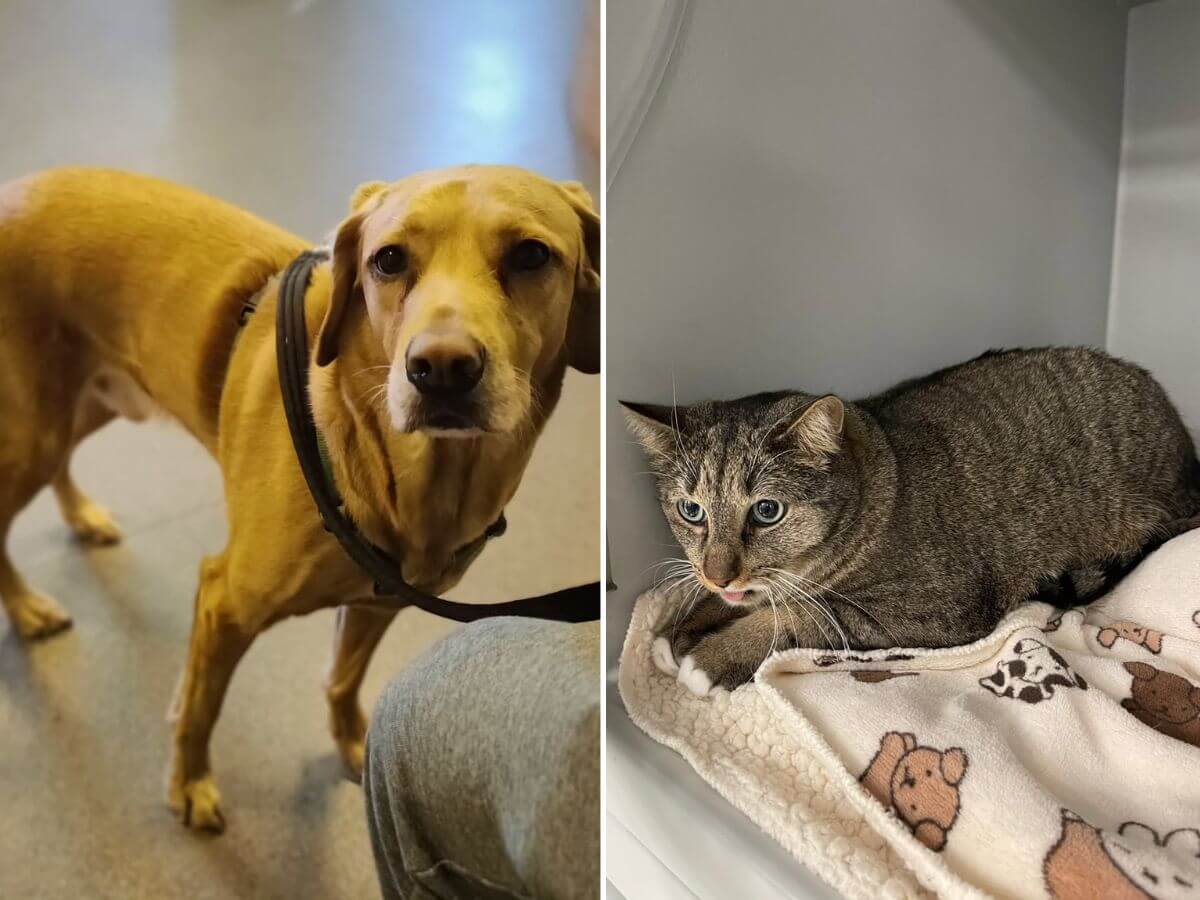
I used to think my pet was lucky. He lived indoors. He ate well. He slept safely.
On paper, everything looked right. Still, his behavior began to shift. Restlessness crept in. Focus faded. His energy felt uneven.
Nothing dramatic happened. Life just got busy. That was the moment I realized something many owners miss. Modern life does not harm pets through neglect. It changes them through daily patterns we barely notice.
If your pet seems off lately, even though you are doing everything right, this may explain why. Small lifestyle habits shape health and behavior more than most owners realize.
Here is what those habits look like, and how to correct them without turning your life upside down.
The Lifestyle Shift Pets Never Chose
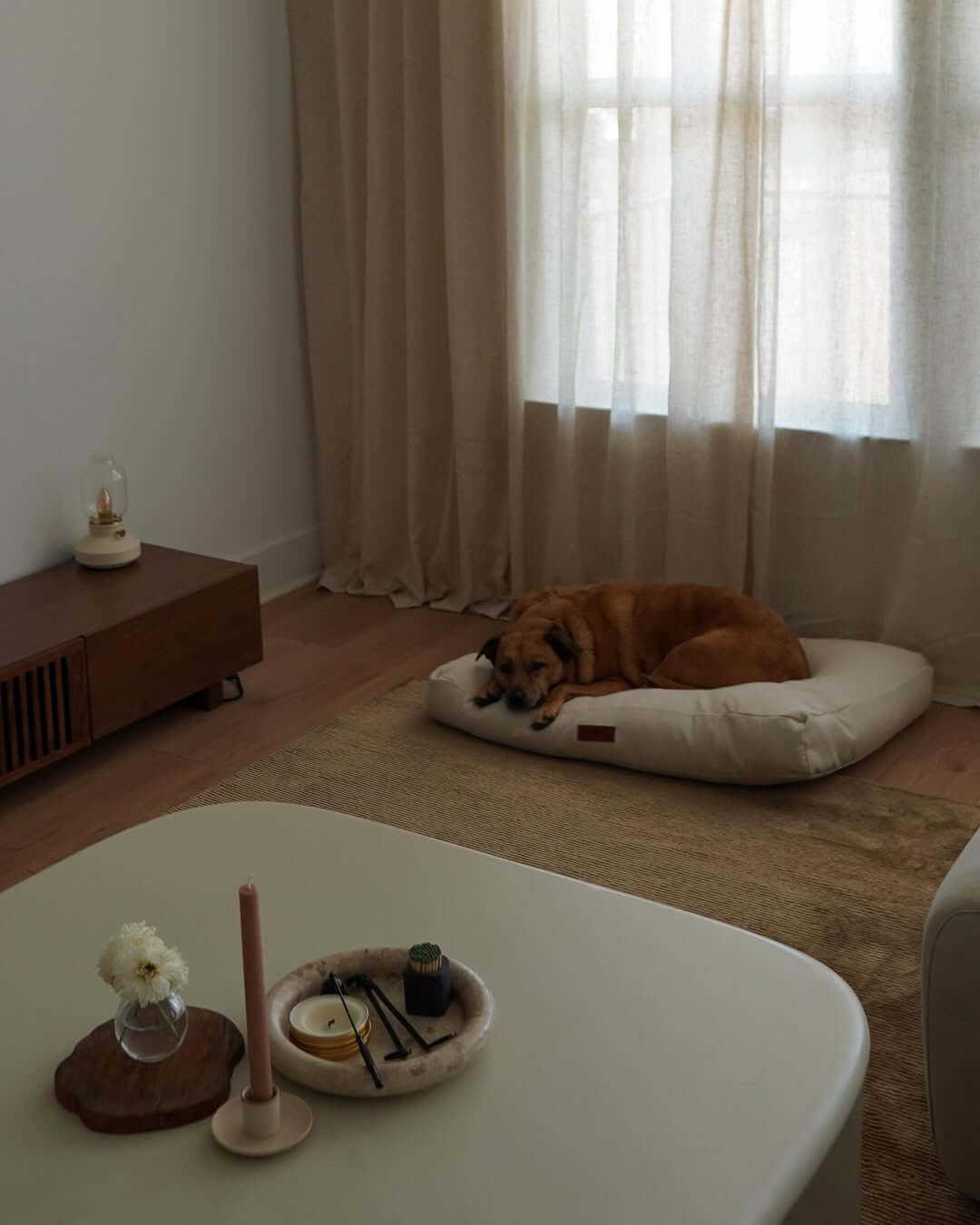
Pets evolved around rhythm. Light and dark. Movement and rest. Predictable social contact.
Modern homes interrupt those patterns without meaning to. Workdays stretch. Screens pull attention away. Schedules slide from day to day.
Pets adapt, but adaptation carries a cost. Health and behavior changes appear slowly, which makes them easy to excuse. What looks like a phase is often a response.
Indoor Living and the Movement Gap
Living indoors keeps pets safe. It also limits natural motion.
Smaller spaces shorten strides. Elevators replace stairs. Walks turn into quick tasks instead of exploration. Over time, bodies respond. Muscles weaken. Weight creeps up. Energy has nowhere to go.
I saw this in my own routine. On busy days, walks stayed short and rushed. Play happened, but without intention. My pet still moved, just not enough.
Small adjustments work better than big plans. Short play bursts indoors still count, even if they last only a minute. Scattering food across the floor adds movement without effort. Rotating toys weekly keeps motion interesting without adding clutter.
Movement does not need more space. It needs intention. Even then, physical activity alone does not explain every change owners notice.
Screen-Centered Homes and Attention Drift
Pets read attention through posture, tone, and eye contact. Phones interrupt all three.
When interaction breaks into fragments, pets notice. Some respond by demanding attention. Others grow quiet and withdrawn.
I caught myself doing this without realizing it. I would pet while scrolling. My hand stayed present, but my focus did not.
Rebuilding connection does not require extra time. One screen-free interaction a day still matters, even if it lasts five minutes. Speaking during routine tasks like feeding or leashing adds reassurance. Ending interactions clearly helps pets understand when connection begins and ends.
Presence shapes trust more than duration.
That leads directly into another pressure point of modern life.
Irregular Schedules and the Anxiety Loop
Unpredictable days confuse pets.
Meals shift. Walks move. Sleep breaks. These changes signal instability, even when care remains loving.
The Cornell University College of Veterinary Medicine explains the role of routine in reducing anxiety, stating: “Schedule your dog’s meals, walks, play time and training time so that they know when to expect these activities throughout the day.”
That single sentence explains why lifestyle drift often shows up as anxiety.
Stability does not require rigid days. Fixing one daily event that never moves helps anchor the rest. Keeping walk cues consistent adds predictability. Ending nights the same way, even on late days, gives pets a clear signal to settle.
Predictability lowers stress without adding work.
Sound adds another layer to this picture.
Noise, Stimulation, and the Overloaded Nervous System
Modern homes rarely rest. Appliances hum, traffic leaks inside, and screens fill what used to be quiet moments.
Pets stay alert longer than they should. Sleep becomes lighter. Recovery shortens. Tension builds quietly.
Softening stimulation does not mean creating silence. One low-noise zone gives pets a place to decompress. Lowering evening volume helps bodies slow down. Predictable background sound during storms reduces sudden spikes in stress.
Calm environments support rest, and rest supports behavior.
Food habits shape this more than many realize.
Convenience Feeding and Metabolic Stress
Busy schedules influence feeding patterns.
Extra treats slip in. Table scraps feel harmless. Small additions add up.
The American Animal Hospital Association cautions against this pattern, noting: “Advise owners to maintain all additional item intake to ≤10% total daily caloric intake to avoid disrupting nutrient balance of the primary diet.”
When calories rise quietly, energy levels swing. Behavior follows.
Counting treats at the start of the day creates a natural stopping point. Replacing some food rewards with play maintains motivation without excess calories. Feeding meals after activity, rather than before, supports steadier energy.
Food fuels behavior as much as bodies.
Movement still needs purpose.
Exercise Without Mental Engagement
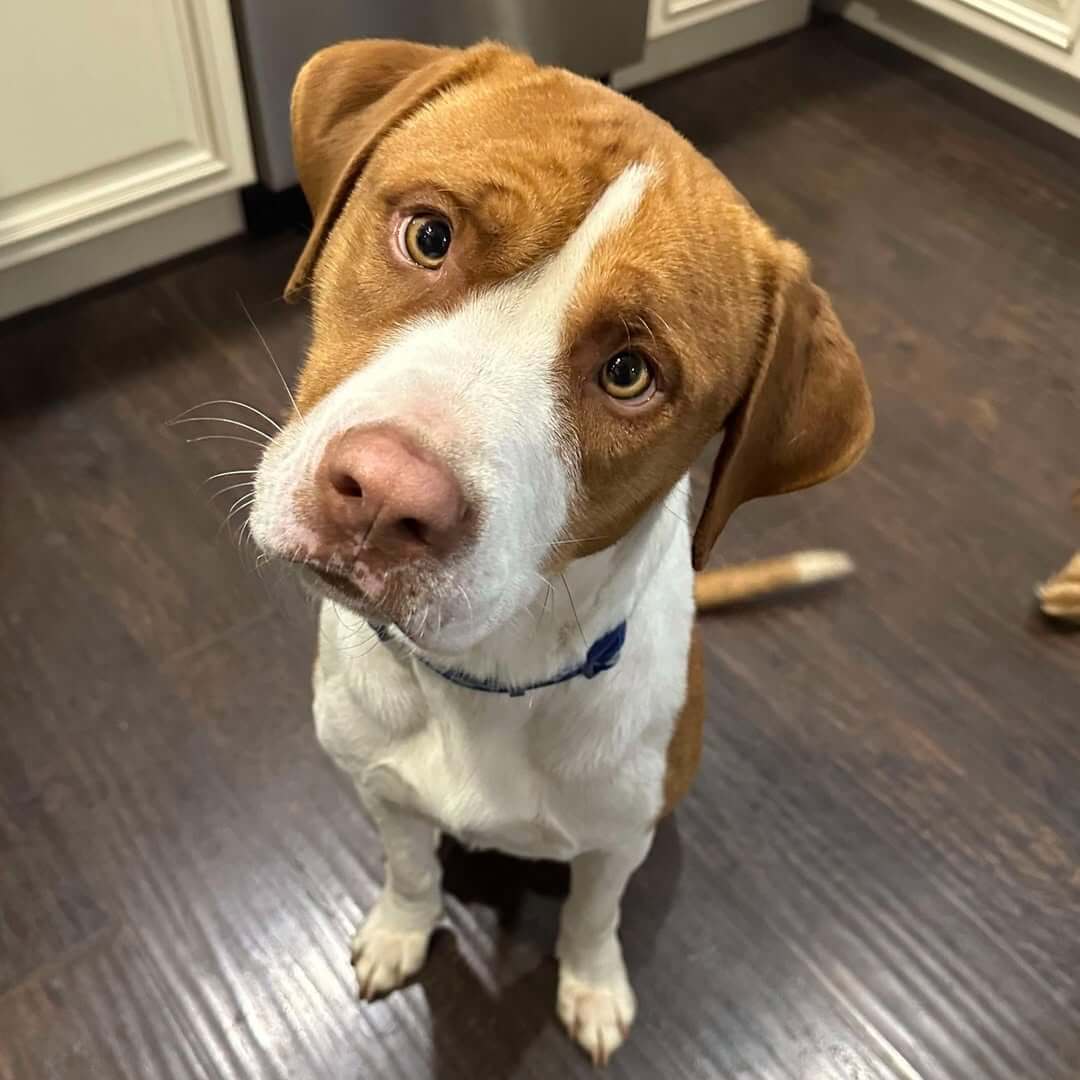
Many pets walk daily and remain bored.
Repetition without challenge leaves mental needs unmet. Boredom turns into chewing, pacing, or withdrawal.
I noticed a shift when I changed one thing. I stopped walking the same route every day.
Varying paths weekly adds novelty. Allowing longer sniffing turns walks into mental work. Adding a simple cue during movement gives pets something to think about.
Mental effort tires pets in healthy ways.
Social exposure plays a role too.
Limited Social Contact and Behavioral Rigidity
Modern pets meet fewer people and environments.
That narrow world creates sensitivity. What looks like personality often traces back to limited exposure.
Expansion works best without pressure. Observing busy spaces from a distance builds comfort. Inviting calm guests introduces variety without overwhelm. Allowing choice during interaction gives pets control.
Comfort grows through exposure, not force.
Health signals often surface last.
Slow Health Changes Owners Miss
Lifestyle effects build quietly.
Weight increases. Joints stiffen. Energy fades. Many owners assume this is normal aging.
The U.S. Food and Drug Administration connects daily habits with long-term health, stating: “Preventing obesity—through a balanced diet and regular exercise—should be a priority in both human and veterinary medicine.”
Small habits compound.
Early signals include slower rising from rest, reduced interest in play, and changes in digestion or coat quality. These are feedback signals, not failures.
So what actually sticks?
Lifestyle Corrections That Last
Big changes fade. Small patterns stay.
I found the most success stacking pet habits onto mine. Movement after coffee. Feeding after walks. Play before screen time.
Pets thrive on consistency, not perfection.
Designing a Life Your Pet Can Thrive In
Modern living is not the problem. Unexamined routine is.
Pets follow patterns long before they understand intention, and they reflect those patterns back to us every day. When routines settle, behavior settles with them.
You do not need more time. You need clearer rhythms.
Your pet is already following them.
You may also want to read:
A Guide to Helping Pets Thrive in Modern Living Spaces
How to Reduce Jumping, Pulling, or Attention-Seeking Behavior in Your Pet


