
How to Maintain Pet Well-Being During Travel or Absences

The first time I left my dog for more than a weekend, I did everything I thought was right.
Food was measured. Walk times were written down. Toys were stacked by the door.
I still came home to a dog who felt off. He was fed and safe, yet something had shifted. That moment forced me to rethink what being “prepared” really means when we leave our pets behind.
If you travel for work, take short trips, or spend long hours away from home, this may sound familiar. You do your best. You plan ahead. Still, the guilt lingers because your pet does not seem quite like themselves when you return.
Pet well-being during absences is not just about care. It is about continuity. Pets notice when routines change, when familiar cues disappear, and when the rhythm of the home feels different, even if everything looks fine on the surface.
The good news is this. Small, intentional choices can protect your pet’s sense of safety before you leave, while you are gone, and when you come back.
Let’s walk through what actually helps, so your next absence feels easier for both of you.
Why Being Away Feels Bigger to Pets Than We Expect
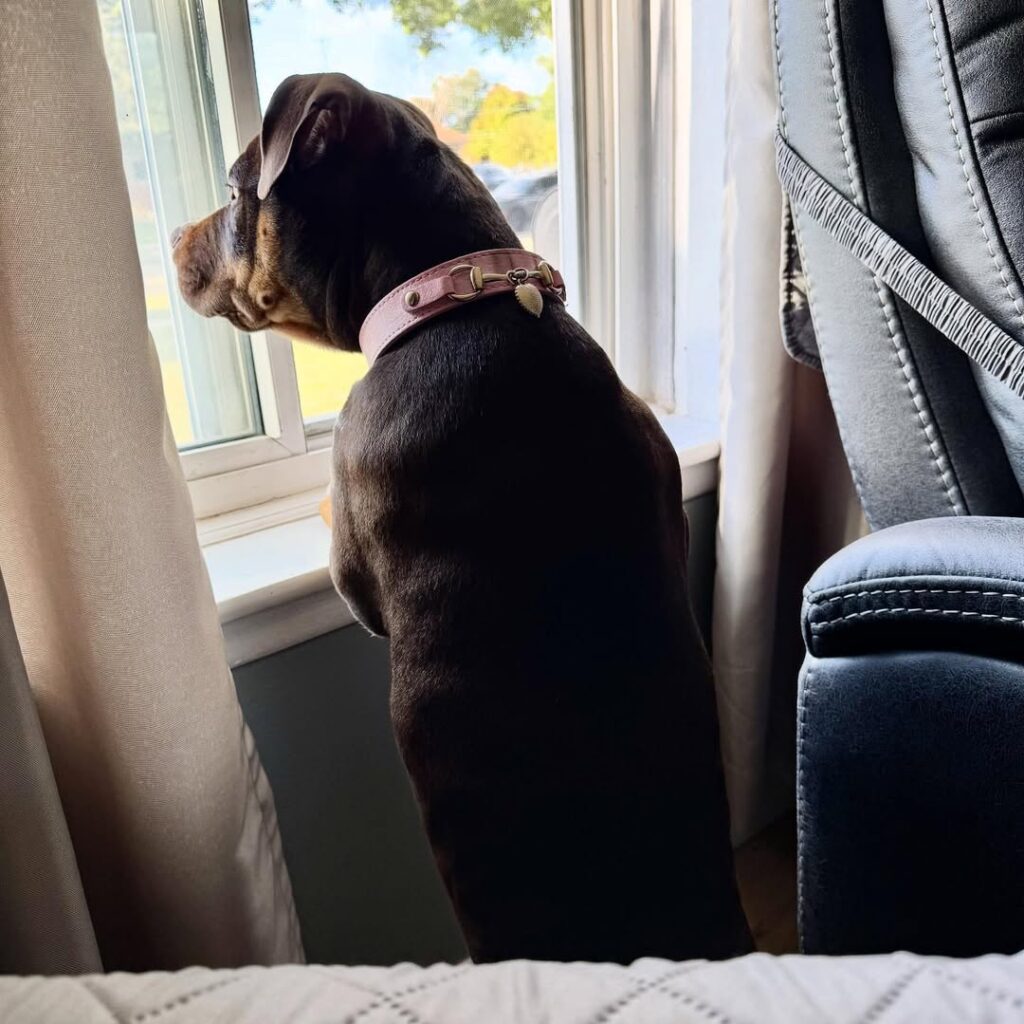
Pets live inside patterns. The sound of keys in the morning. The pause before dinner. The way you sit on the couch at night.
When you leave, those cues disappear all at once.
Veterinary groups explain that even brief disruptions can raise stress because pets rely on predictability more than novelty. Travel changes smells, sounds, movement, and timing in a single stretch.
This explains why a pet may seem fine while you pack, then act differently days later. The reaction often comes after the change, not during it.
Here is why preparation matters. You are not only arranging care. You are protecting the pieces of daily life your pet depends on to feel steady.
That understanding shapes everything that comes next.
Preparing Before You Leave Makes the Biggest Difference
Most people prepare the night before. That is usually too late.
What helped my dog most was adjusting his routine days ahead of time. Dinner shifted slightly earlier. Walks changed by minutes, not hours. I practiced leaving without extra words or emotion.
Animal health professionals recommend easing pets into change instead of forcing sudden breaks. Short, planned absences teach pets that departures are part of life, not something to fear.
The American Animal Hospital Association explains this approach when discussing separation stress and routine stability. Their guidance on gradual exposure and safe spaces is helpful if your pet struggles when you leave.
Try this today. Step outside for ten minutes and return calmly. Tomorrow, stretch it to twenty. These quiet repetitions build comfort without drawing attention to the exit.
Once preparation feels familiar, the next decision becomes easier.
Choosing Care That Fits Your Pet, Not Your Schedule
I used to think boarding was neutral. It is not.
Some pets relax around activity. Others shut down when removed from familiar walls. Personality matters more than convenience.
Veterinary guidance from UC Davis explains that boarding stress often comes from changes in routine, food, and environment. They also encourage visiting facilities early and sending familiar bedding or meals to support comfort.
Before choosing care, ask one honest question. Does your pet recharge through quiet or interaction?
A calm dog may feel safer with a trusted sitter. A social dog may struggle with brief drop-in visits. Matching care to temperament reduces stress more than any schedule ever will.
Once care is set, the focus shifts to what keeps pets settled while you are gone.
What Actually Keeps Pets Calm While You Are Away

Food and walks are obvious. What often gets missed is sensory continuity.
Smell matters. I leave one worn shirt where my dog sleeps. It works better than any new toy.
Sound matters too. Silence can feel unsettling. A low, steady background noise can help some pets rest. Not music. Just a sense of presence.
The American Veterinary Medical Association explains that familiar objects and safe confinement help reduce travel stress. Their guidance highlights known scents, predictable spaces, and secure setups.
Here is one simple change. Avoid deep-cleaning right before you leave. Your pet’s space should still smell like you when you go.
With the environment set, communication becomes the next safety net.
Instructions That Caregivers Can Follow Without Guessing
Clear instructions reduce stress for everyone.
I learned this after a sitter called in a panic over a skipped meal. I had written “feed in the evening.” To me, that meant six. To them, it meant nine.
The ASPCA stresses sharing detailed instructions, emergency contacts, and medical information before leaving. This protects pets when quick decisions are needed.
Write instructions as if the reader has never met your pet. Include timing, location, and tone. Short sentences help. Assumptions cause confusion.
Good instructions free caregivers to focus on care instead of guessing.
The Return Home Matters More Than Most People Think
Coming home is another adjustment.
Some pets cling. Others keep their distance. Both responses are normal.
I used to rush to reassure my dog. Over time, I learned that calm presence works better. I unpack slowly. I sit on the floor. I let him come to me.
Observe before stepping in. Eating, sleep, and bathroom habits often settle within a few days. If changes last longer, patterns matter more than single moments.
This quiet return completes the cycle of absence and sets the tone for the next one.
When Travel or Absences Are Part of Your Life
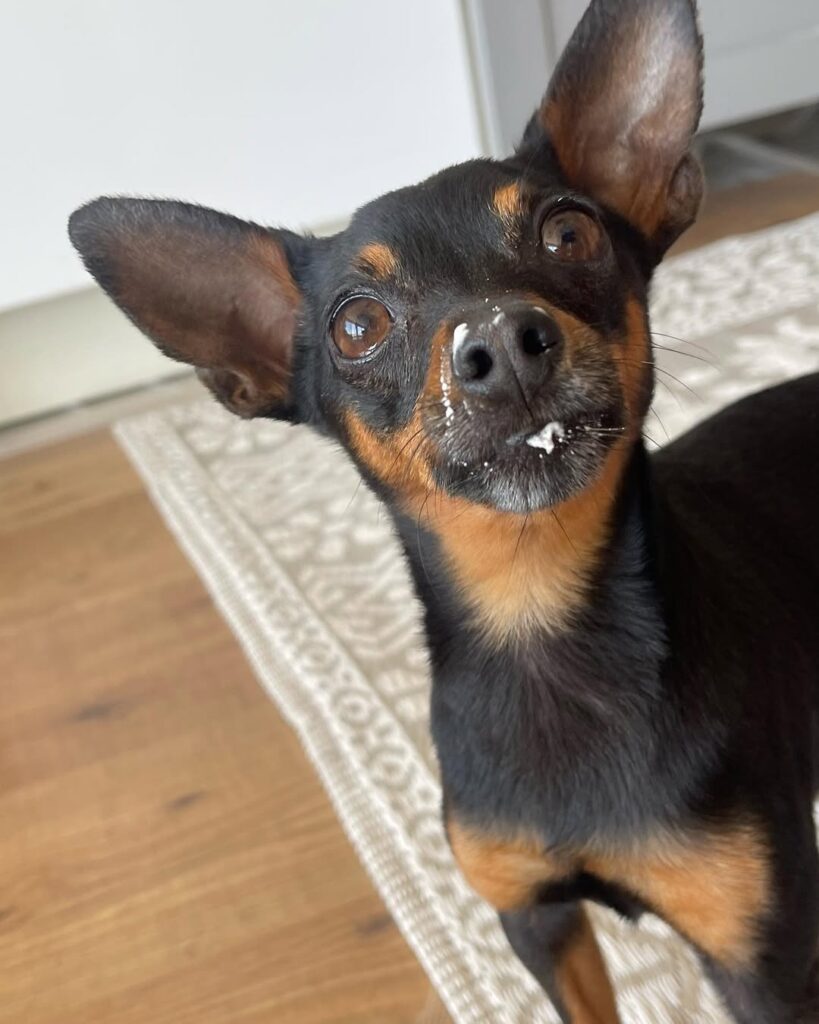
Some people travel often. Others work long shifts. Guilt can build fast in these situations.
What helps is rhythm.
Pets adjust better when daily patterns stay familiar, even if the caregiver changes. Same walk routes. Same feeding times. Same sleeping spot.
Over time, this teaches pets what remains steady, even when schedules shift.
That stability makes it easier to spot when something feels off.
When to Look Closer at Your Pet’s Behavior
Stress does not always look dramatic.
Subtle changes matter. Appetite shifts. Repetitive pacing. Pulling away from interaction.
When travel crosses borders, preparation matters even more. The CDC outlines current requirements for pet travel, including health checks and forms. Last-minute surprises increase stress for pets and owners alike.
For longer or international trips, the USDA advises working with accredited veterinarians early to handle paperwork and timing. This prevents disruptions that can affect pets before travel even begins.
Well-planned travel protects well-being long before departure day.
Small Choices Build a Safer Absence
Pet well-being during travel is not about perfection.
It is about reducing surprise.
When routines shift slowly, care fits temperament, instructions stay clear, and returns stay calm, pets adjust better than many people expect.
You do not need to erase guilt. You need to replace it with preparation.
Your pet does not need you everywhere. They need you to think ahead.
And that is something you can do right now.
Even with thoughtful planning, quiet doubts tend to surface when a trip gets closer or when you are already away.
Most of these questions come from care, not uncertainty. Pet owners want to know whether what they are doing is enough, normal, or helpful.
The questions below speak to those moments, the ones that do not always come up until you are packing a bag or checking in from afar.
Frequently Asked Questions About Pet Well-Being During Absences
How do I know if my pet is actually coping well while I am away?
Coping often shows up in small, steady behaviors rather than dramatic signs.
A pet that eats, rests, and follows familiar routines is usually adjusting, even if their energy feels different at first. Mild changes can happen early and often ease as days pass.
What matters is direction. Gradual settling suggests comfort is returning.
Is it normal to feel guilty even when my pet is cared for?
Yes, and it is very common.
Guilt does not mean something is wrong. It often reflects the bond you share with your pet. Many owners feel this even when care is thoughtful and consistent.
Shifting focus from guilt to preparation helps replace worry with confidence.
Should I keep checking in with my sitter or caregiver?
Checking in is helpful when it is clear and limited.
Frequent messages can add pressure and interrupt routine. A planned update schedule allows caregivers to focus on care while still keeping you informed.
Trust grows when communication has structure.
What if my pet acts differently only after I return?
Delayed reactions are normal.
Some pets hold tension until routine resumes, then release it through clinginess, restlessness, or quiet withdrawal. These responses often fade as daily patterns settle.
Giving space and keeping routines steady usually helps more than sudden changes.
Do pets get used to absences over time?
Many do, especially when absences follow a predictable pattern.
What helps most is familiarity. Same caregivers when possible. Same cues around meals and rest. Same environment.
Pets often adapt better to regular absences than to unpredictable ones.
When should I worry that absences are affecting my pet too much?
Pay attention when changes last longer than expected or begin to interfere with daily life.
Ongoing appetite loss, sleep disruption, or signs of distress deserve closer attention. Patterns over weeks matter more than a single off day.
Early support often prevents longer struggles.
Also read:


