
He Could Barely Stand in the Trash—Months Later, No One Recognizes Him
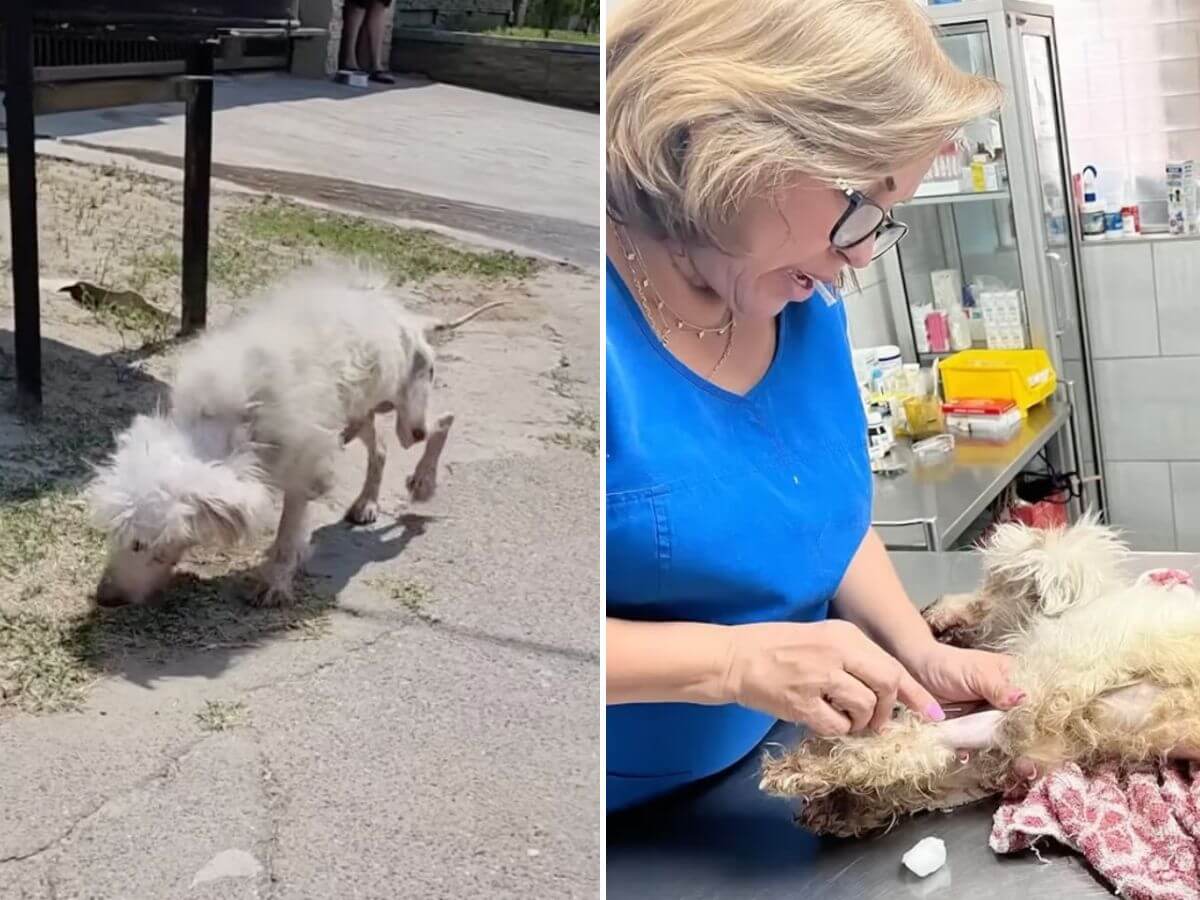
The first thing anyone noticed wasn’t his body. It was the way he moved.
Slow. Careful. Almost like every step hurt.
He was picking his way through a garbage dump, nose close to the ground, searching for anything he could eat. Plastic, scraps, spoiled leftovers. It didn’t matter. Survival had already stripped away choice.
He didn’t look up when people passed. He just kept going.
Until someone finally stopped.
At that moment, it wasn’t clear if he would even make it through the day.
But what happened after that… no one there could have predicted.
The Day They Found Him
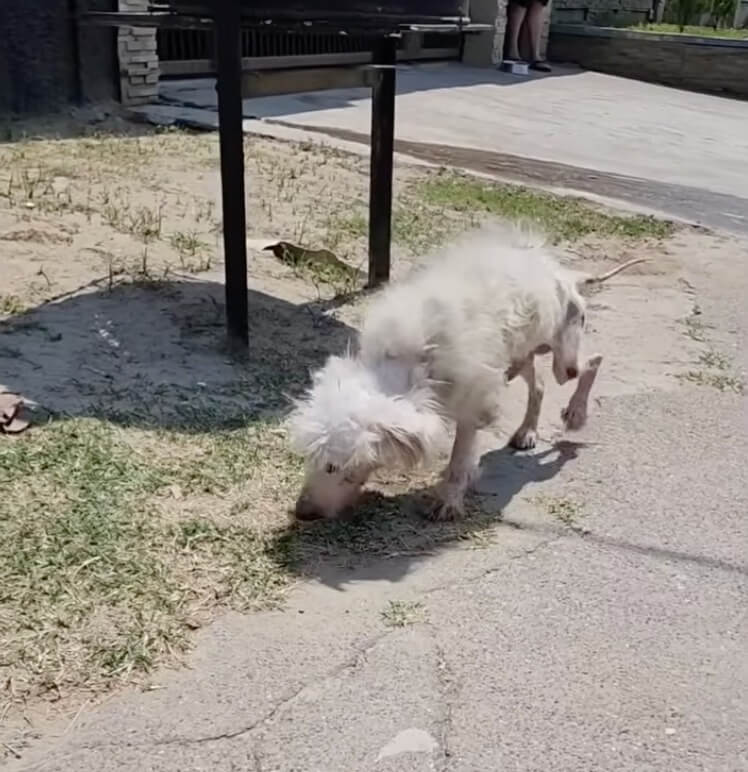
When the rescuers reached the dump, they didn’t see him at first.
He blended in.
Small. Quiet. Moving between piles like he belonged there.
Then one of them noticed how unsteady he was. The way his back legs struggled to keep up with the rest of his body.
That’s when they realized something was very wrong.
As the rescuers later described, “He was wandering slowly among piles of trash, desperately searching for scraps of food.”
Up close, the truth was harder to ignore.
His body was thin beneath what should have been a fuller frame. His coat was rough. Ticks clung to his skin. His eyes looked tired in a way that didn’t match his age.
He wasn’t just hungry.
He was fading.
What Starvation Really Does
Here is why cases like his need careful handling.
Feeding a starving dog isn’t as simple as giving them food all at once. According to PetMD, “When dogs that have essentially been starved suddenly have free access to large amounts of food, they can become very sick and even die.”
That’s why rescues slow everything down. Small meals. Close monitoring. Letting the body adjust again.
His weakness pointed to something deeper too. According to the Merck Veterinary Manual, “These include loss of energy, weakness, and loss of appetite.”
That’s exactly what they were seeing in him. A body that had been running on nothing for too long.
Then there were the ticks. They covered parts of his skin, adding to his already weakened condition. The ASPCA advises, “Check for fleas and ticks daily during warm weather.”
But for a dog living in a dump, there was no one to check. No one to stop it from getting worse.
The First Moments of Care
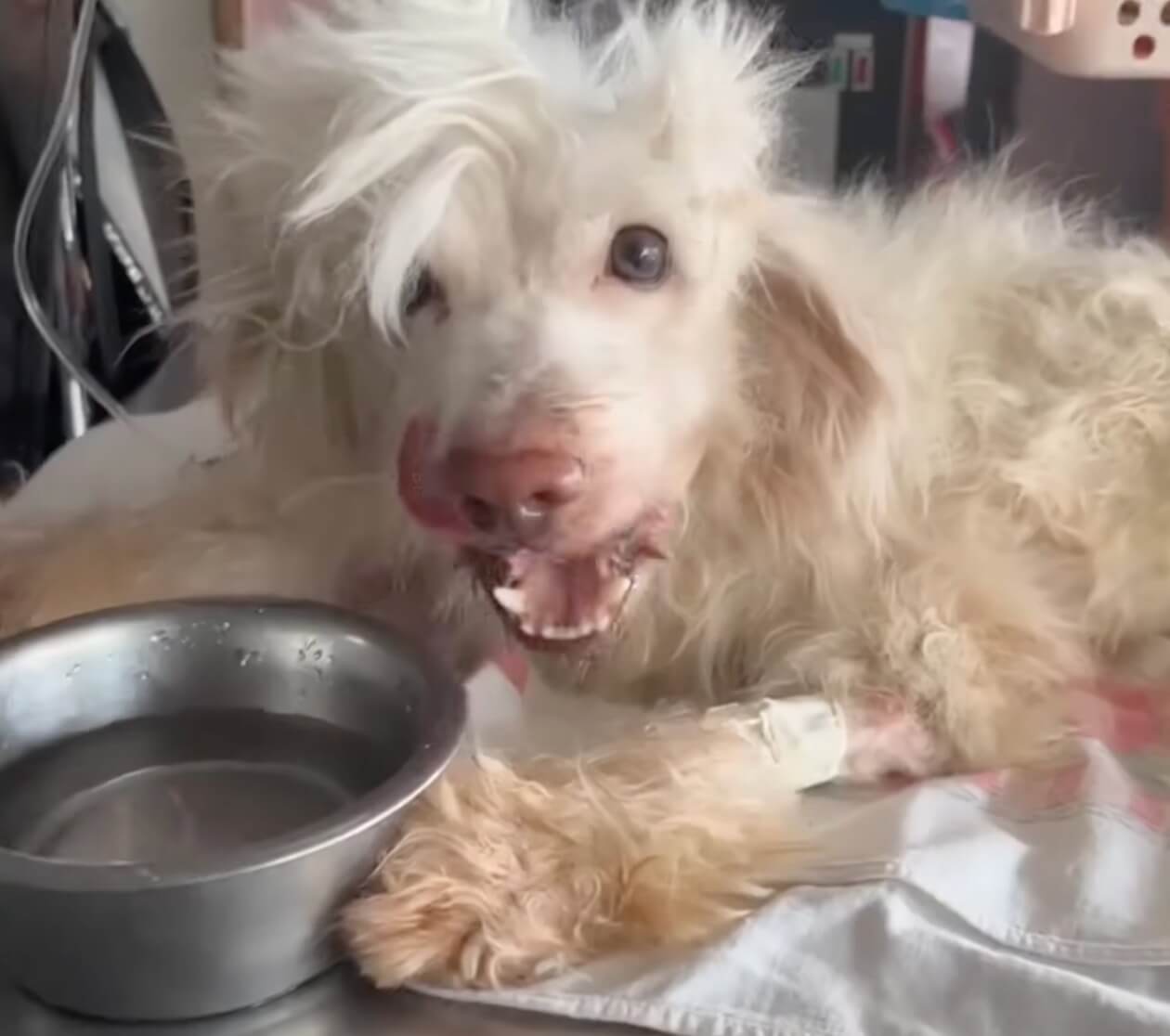
They didn’t rush him.
That part mattered.
Dogs in this condition don’t always trust hands reaching toward them, even gentle ones.
So they kept their voices low. Their movements slow.
Water came first.
Then they began removing the ticks, one by one. Cleaning wounds that had likely been there for weeks.
They named him Phoenix.
Not because he looked strong.
But because they believed he could be.
The Slow Fight Back
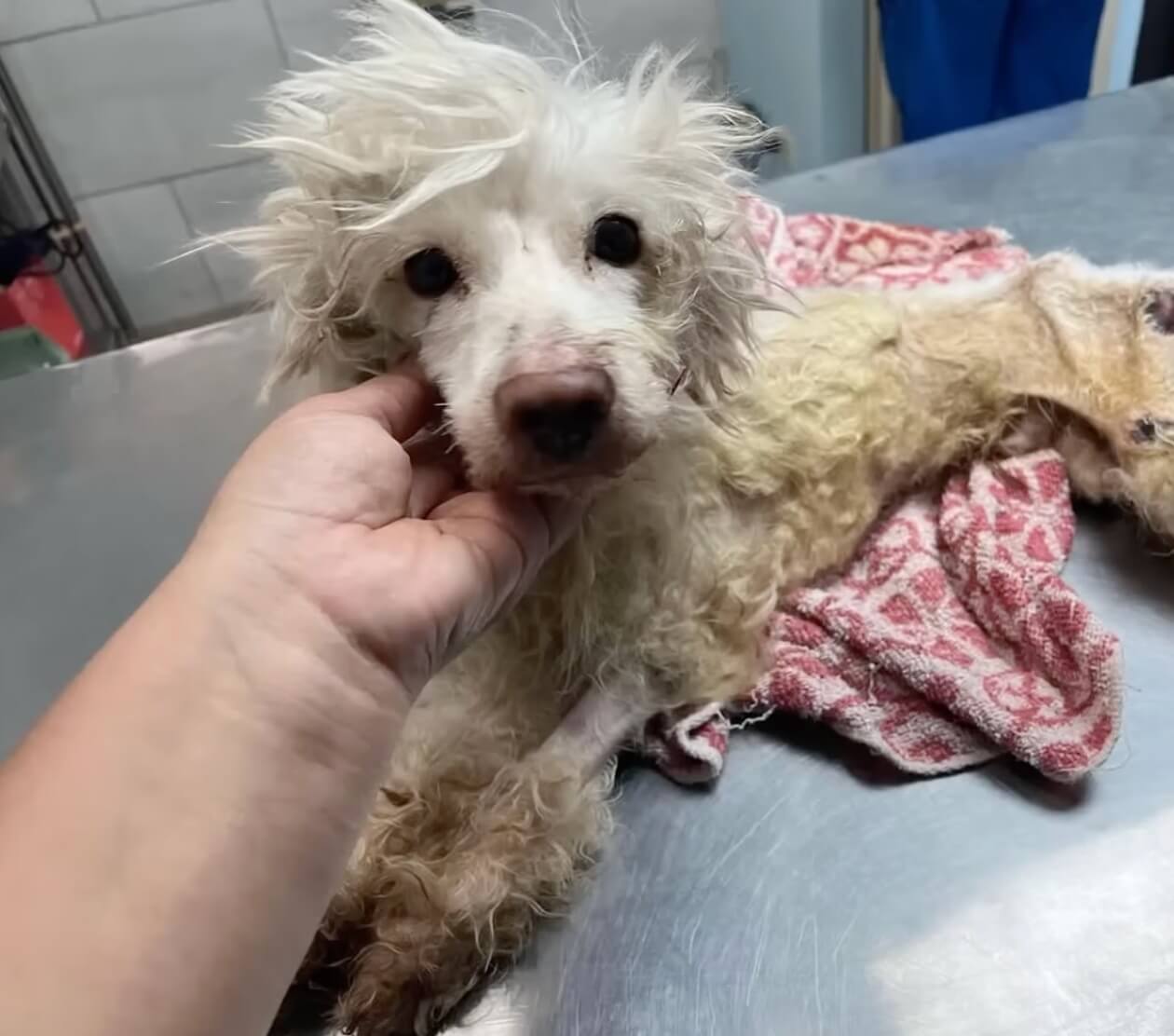
Recovery didn’t happen all at once.
It showed up in small moments.
The first time he finished a meal. The first time he held himself up a little longer. The first time he reacted to something around him.
There were days when progress slowed.
Days when his body didn’t seem ready to move forward.
But he kept trying.
The team started gentle therapy to rebuild strength in his hind legs. At first, even standing was hard. His muscles had weakened from lack of use.
Still, he didn’t give up.
And slowly, something began to shift.
When a Dog Starts to Feel Safe Again
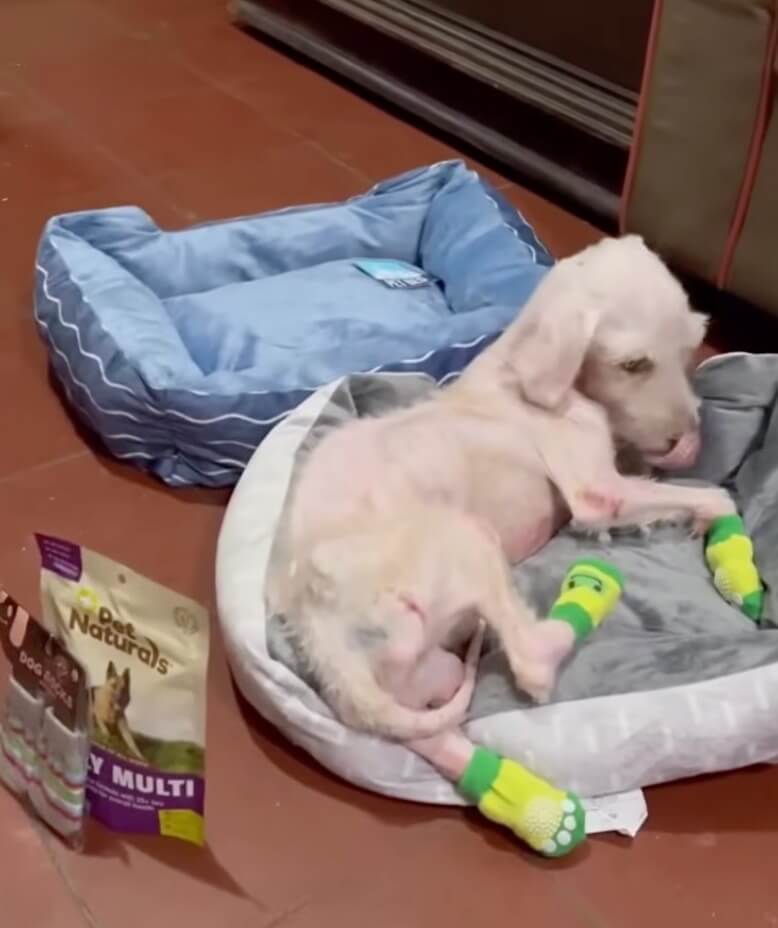
It didn’t happen during therapy.
It happened during rest.
One day, Phoenix rolled onto his back and fell asleep.
Completely exposed. Completely still.
For most dogs, that’s normal.
For him, it meant something else.
It meant he finally felt safe.
He started engaging more. Reacting to other dogs. Showing personality.
Those weren’t just behaviors.
They were signs that he was coming back.
Weeks Turned Into Something More
As the days passed, his body began to respond.
His appetite stabilized. His weight slowly increased. His movements became more controlled.
He started sitting on his own. Then standing longer. Then taking steps that didn’t look forced.
Each small change built on the last.
And over time, the dog they had found in the trash became harder to recognize.
The Moment Everything Changed
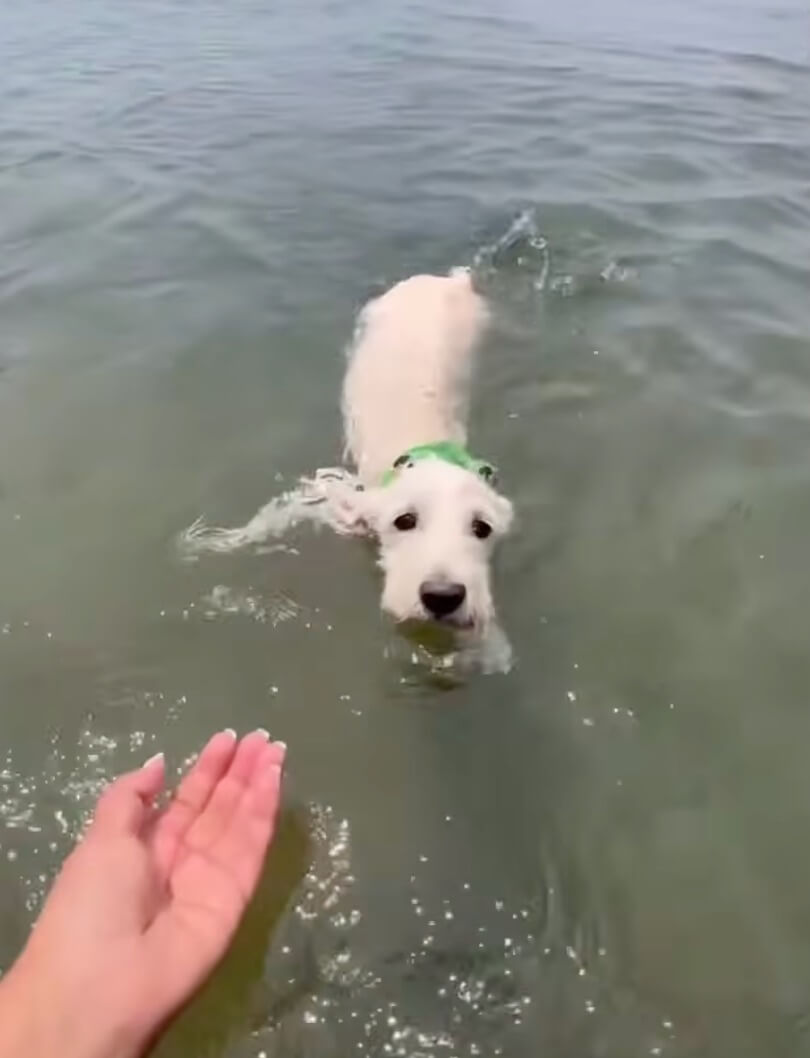
Six months later, the difference was clear.
Phoenix wasn’t dragging himself forward anymore.
He was walking. Exploring. Responding to the world around him.
His coat looked healthier. His eyes were brighter. His body carried strength instead of strain.
He had space to move. People who cared. A routine that gave him stability.
As the rescuers shared, “Through compassion and love, Phoenix’s comeback has been nothing short of a miracle.”
A Life That Finally Feels Like His

Today, Phoenix lives with his foster mom.
He goes outside. He explores. He experiences things most dogs take for granted.
There’s no rush in the way he moves now.
No panic in the way he eats.
Just a quiet kind of normal.
And for a dog who once searched through trash just to survive, that quiet life means everything.
Why Stories Like This Stay With You
It’s easy to focus on how bad things were.
The dump. The weakness. The neglect.
But what stays longer is something else.
That even after all of that, recovery was still possible.
Not fast. Not easy.
But real.
He didn’t just survive that place. He left it behind.
If this story stayed with you, please consider sharing it.
If you’re still thinking about Phoenix, there’s another story that stays with you:


What a heart-breaking story. He looks so pitiful. Thank you for rescuing him. He’s so cute in his after-picture. Bless you.
Thankyou for saving phoenix and making him feel safe and loved. My little Chihuahua was starved and beaten when I got her, she was terrified of everything, especially people, but now she loves people and she is no longer affraid
My love, kisses, cuddles and belly rubs to the beautiful Phoenix ❤️❤️❤️❤️❤️❤️❤️❤️❤️