
Quixote’s Rescuers Gave Her a Wheelchair. Soon She Was Outrunning Them
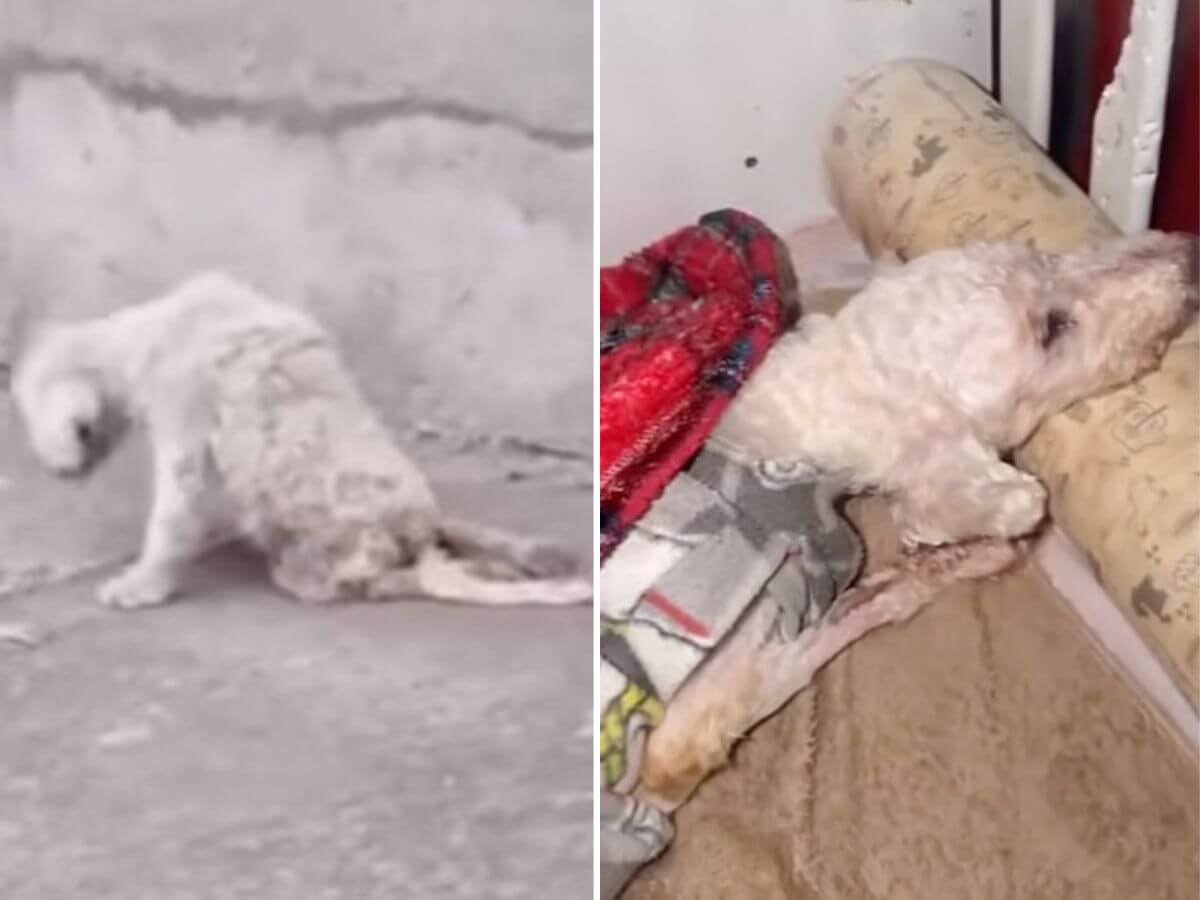
Marina Inserra and her team were driving when they spotted a dog struggling to move. They pulled over. Quixote could barely move her back legs, but she pulled herself toward them anyway.
A man nearby told the team she’d been hit by a car and had been getting around like this for nearly two months. The rescuers asked if they could take her with them. He said yes right away.
A place on the couch
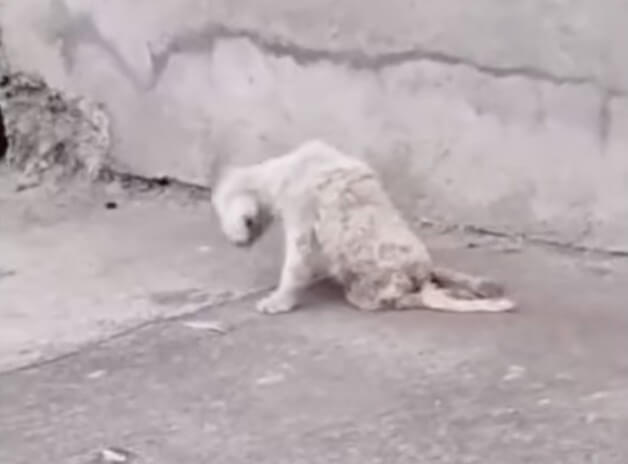
In the rescue account shared by The Moho, one rescuer remembered what it felt like to meet Quixote. “I smiled at her, but inside, I was fighting back tears,” the rescuer said.
While the team waited for a specialist to examine her spine, they gave Quixote time outside to feel the breeze. Indoors, she found a place to stretch out on the couch. The team got to know the look she gave them when she wanted attention.
Then came the news from the specialist. According to the rescuers, the damage to Quixote’s spine was too severe to repair, and she wouldn’t regain the use of her back legs. The team had to find another way to help her get around.
The day her rescuers had to keep up
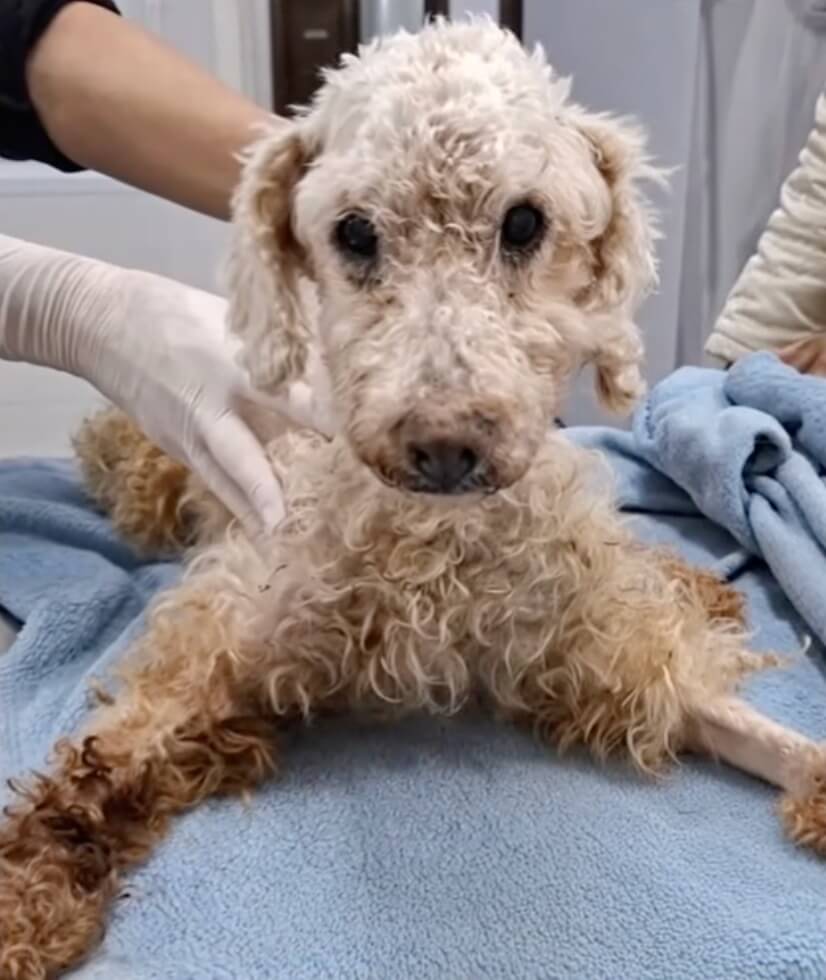
Quixote was unsure of the wheelchair at first. Her rescuers encouraged her as she learned to move with it. In time, she was racing ahead of them.
The American Kennel Club explains, “Dog wheelchairs, sometimes called carts, generally provide support when a dog is paralyzed or if their rear legs can’t support them.” On the roadside, getting to the team had taken all that effort. Now they had to keep up with her.
The wheels gave her a way to move on land. Then her rescuers saw what happened when she got in the water. Quixote splashed and swam, and they could see how much she enjoyed it.
VCA Animal Hospitals describes one benefit of veterinary pool therapy with the phrase “Pool therapy takes almost the entire weight off the joints.” In the rescue account, Quixote’s time in the water was a chance to play.
One more wait for good news
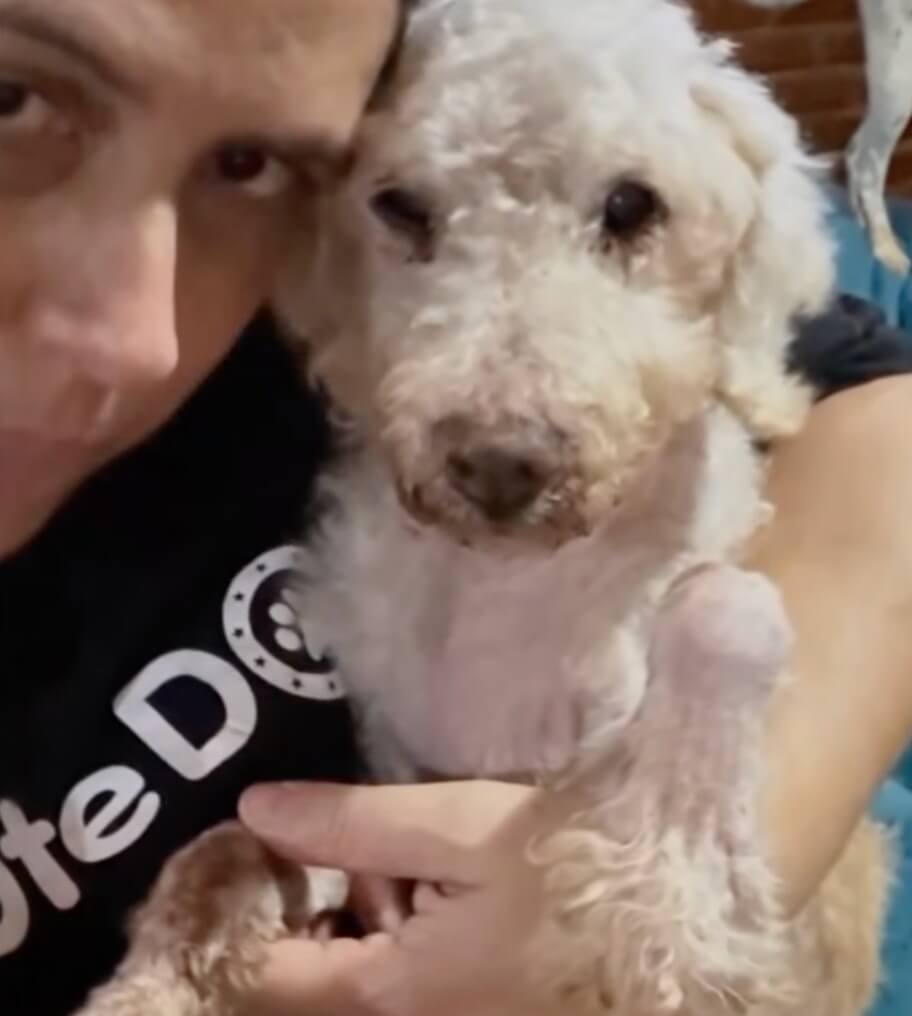
After reviewing Quixote’s X-rays and talking with the vet, the team decided on surgery to address ongoing problems in her hind legs and help her live more comfortably. Once she went in, the team waited for news. As one of the rescuers recalled, “we could only hope that everything would go well.”
The team said the surgery went well and Quixote began recovering. The American College of Veterinary Surgeons explains, “Activity is typically increased in stages based on healing and follow-up evaluations.”
By then, the team knew what Quixote liked about an ordinary day. She liked splashing in the water and getting out in front on her wheels. When she’d had enough, there was always that spot on the couch.
If you know someone who’d love to see Quixote race ahead of her rescuers, send them her story.
Also read:
Duke Could Barely Stand When He Was Rescued. Then He Spent Halloween With a Family.


