
Ranger’s Fight to Walk Again After a Highway Collision Left Him Paralyzed
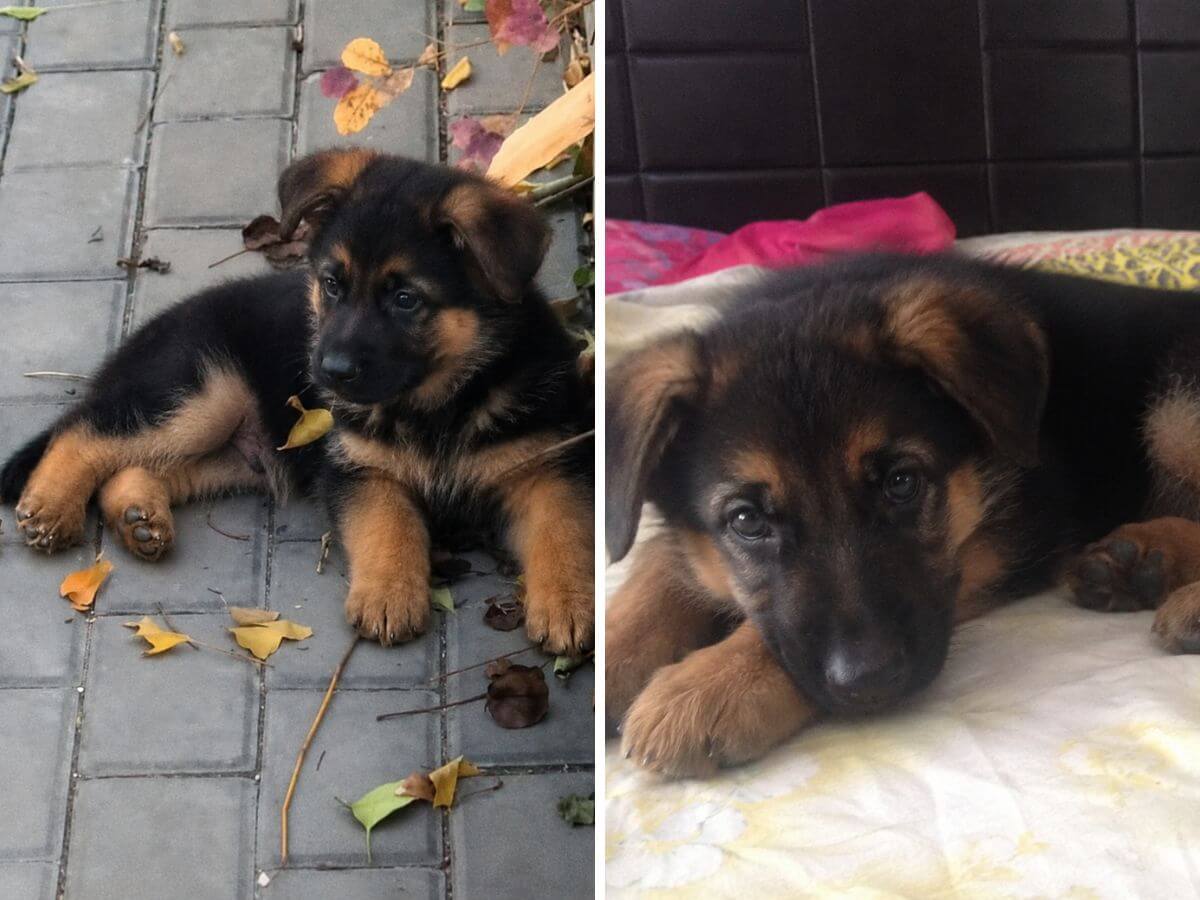
Some rescue stories begin with a call for help.
Others begin with a shelter intake form or a social media post.
Ranger’s story began on the side of a lonely highway where most people would have assumed there was nothing left to save.
At first, the rescuer thought they were looking at a pile of discarded blankets near the shoulder of the road.
Then it moved.
Just barely.
“I slammed on my brakes and ran toward it,” the rescuer later recalled. “When I got closer, I realized it wasn’t trash. It was a puppy.”
What they found was heartbreaking.
A young German Shepherd puppy lay twisted against the edge of the pavement as traffic rushed past only a few feet away.
Fresh blood stained the road.
The puppy was desperately trying to pull himself to safety.
His front paws clawed at the gravel.
His back legs wouldn’t move at all.
Every attempt ended the same way.
He would drag himself forward a few inches before collapsing back into the dirt.
“He looked terrified,” the rescuer said. “Not just hurt. Terrified. Like he couldn’t understand why his body had suddenly stopped working.”
The puppy lifted his head when someone finally reached him.
For a brief moment, their eyes met.
There was pain in those eyes.
Confusion.
Fear.
Yet there was something else too.
Hope.
The rescuer soon learned what had happened.
Witnesses reported that a speeding pickup truck had struck the puppy only minutes earlier. The impact sent him tumbling onto the shoulder of the road. The driver never stopped.
Several people witnessed the collision.
Nobody had managed to reach the puppy before then.
He had been fighting alone.
“I wrapped him in my jacket and carried him to the car,” the rescuer said. “I just kept telling him he wasn’t alone anymore.”
The drive to the emergency veterinary hospital felt endless.
Every second seemed to move slower.
The puppy whimpered softly during the ride.
Then he became unusually quiet.
That frightened the rescuer even more.
“I kept talking to him the whole way there,” they remembered. “I didn’t know if he understood me. I just needed him to keep fighting.”
When they arrived, emergency staff were already waiting.
Within moments, the puppy disappeared through treatment room doors.
Then came the hardest part.
Waiting.
Hours later, a veterinarian finally emerged with answers.
The news was devastating.
The collision had fractured several vertebrae in the puppy’s lower spine. There was severe swelling around the spinal cord, deep bruising around the pelvis, and extensive nerve trauma. Most concerning of all, the puppy had lost movement in both hind legs.
Doctors couldn’t promise he would walk again.
At that stage, they couldn’t even promise he would survive.
The puppy was admitted directly into intensive care.
Tubes.
Monitors.
Pain medication.
Constant observation.
The next several days would determine everything.
The Diagnosis Nobody Wanted To Hear
Spinal injuries are among the most serious injuries a dog can experience.
When damage occurs to the spinal column, the communication pathway between the brain and body can be disrupted. Depending on the location and severity of the injury, dogs may experience weakness, loss of coordination, or complete paralysis.
According to the MSD Veterinary Manual, trauma affecting the spinal column can cause sudden neurological deficits ranging from pain and weakness to complete loss of limb function.
That reality suddenly became Ranger’s future.
The morning after the accident, the rescuer returned to visit him.
The sight was difficult to process.
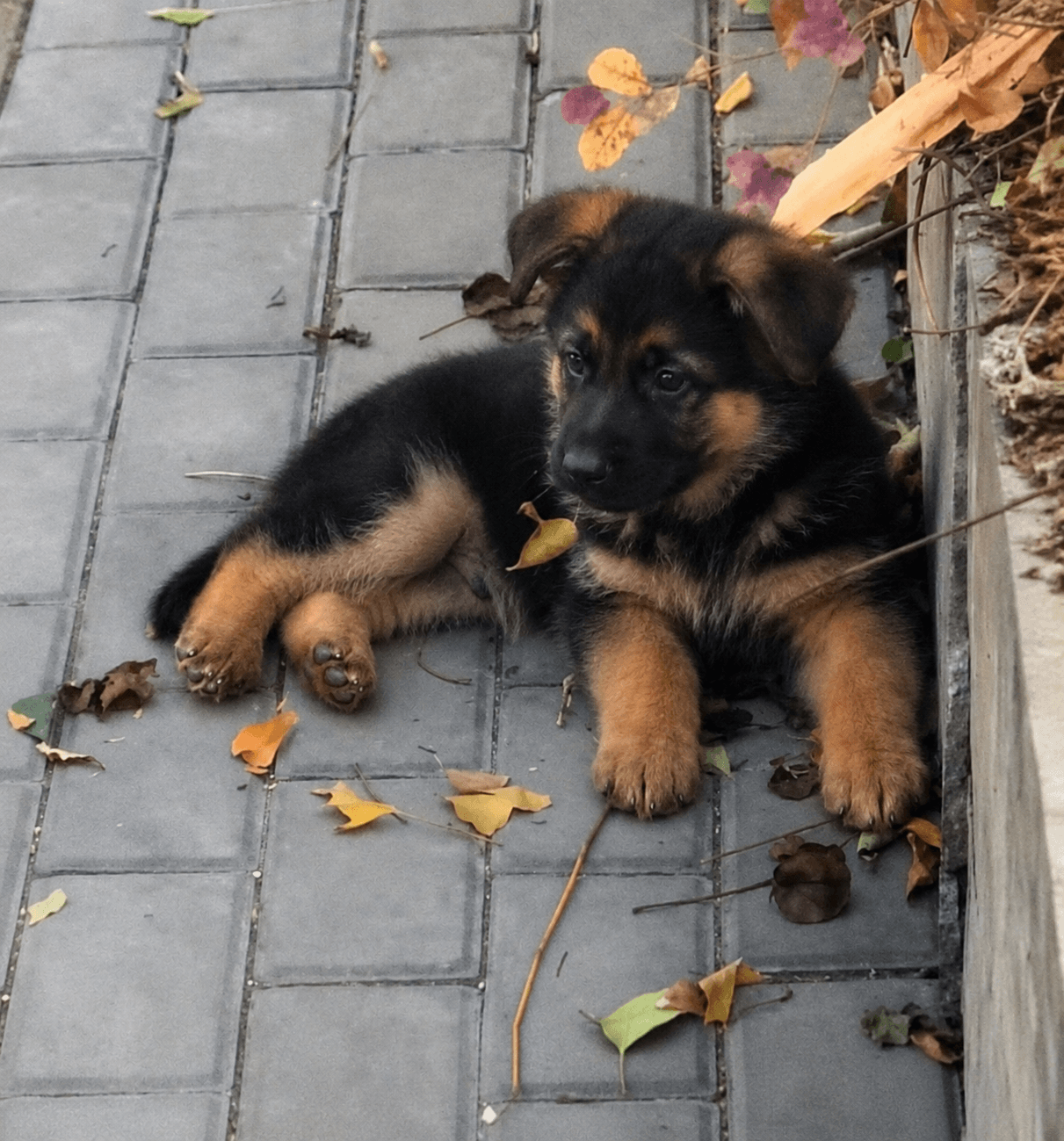
The puppy looked impossibly small inside the ICU enclosure.
Bandages covered much of his body.
One ear folded awkwardly against his head.
His eyes remained half closed.
“He looked exhausted,” the rescuer said. “I honestly wasn’t sure what I was going to see when I walked into that room.”
Then something happened.
The puppy opened his eyes.
He recognized the familiar voice.
His tail moved.
Just slightly.
One small wag.
“It was tiny,” the rescuer recalled. “Most people probably wouldn’t have noticed it. But to me it felt enormous.”
That moment changed everything.
The puppy finally received a name.
Ranger.
Because even lying inside intensive care, broken and frightened, he still looked like a fighter.
Over the next several days, specialists performed more scans and neurological evaluations.
The picture became clearer.
The spinal damage was extensive.
Recovery would be long.
Nobody could offer guarantees.
Some specialists believed partial mobility could return.
Others weren’t optimistic.
Every treatment option carried uncertainty.
Yet everyone agreed on one thing.
Ranger deserved a chance.
The Hard Decision About Treatment
The days that followed were filled with difficult conversations.
Surgeons reviewed scans.
Neurologists reviewed nerve responses.
Veterinary teams discussed possible outcomes.
Every scenario carried risk.
Surgery offered one path.
Conservative treatment offered another.
Neither came with certainty.
That uncertainty is one of the hardest realities families face after traumatic spinal injuries.
Many people assume veterinary medicine can immediately predict whether a dog will walk again.
The truth is often far more complicated.
According to the NC State College of Veterinary Medicine, recovery depends on many factors, including the location of the injury, the extent of spinal cord damage, and how much neurological function remains after trauma.
In some cases, improvement can continue for months.
Sometimes longer.
For Ranger, the team focused first on stabilization.
Reducing inflammation.
Managing pain.
Protecting the spinal cord from further damage.
Giving his body the best possible chance to heal.
The decision was made to continue aggressive treatment and rehabilitation.
It was a commitment that would require patience, resources, and time.
A lot of time.
Nobody knew where the journey would end.
They only knew it deserved a beginning.
Ranger’s First Victories
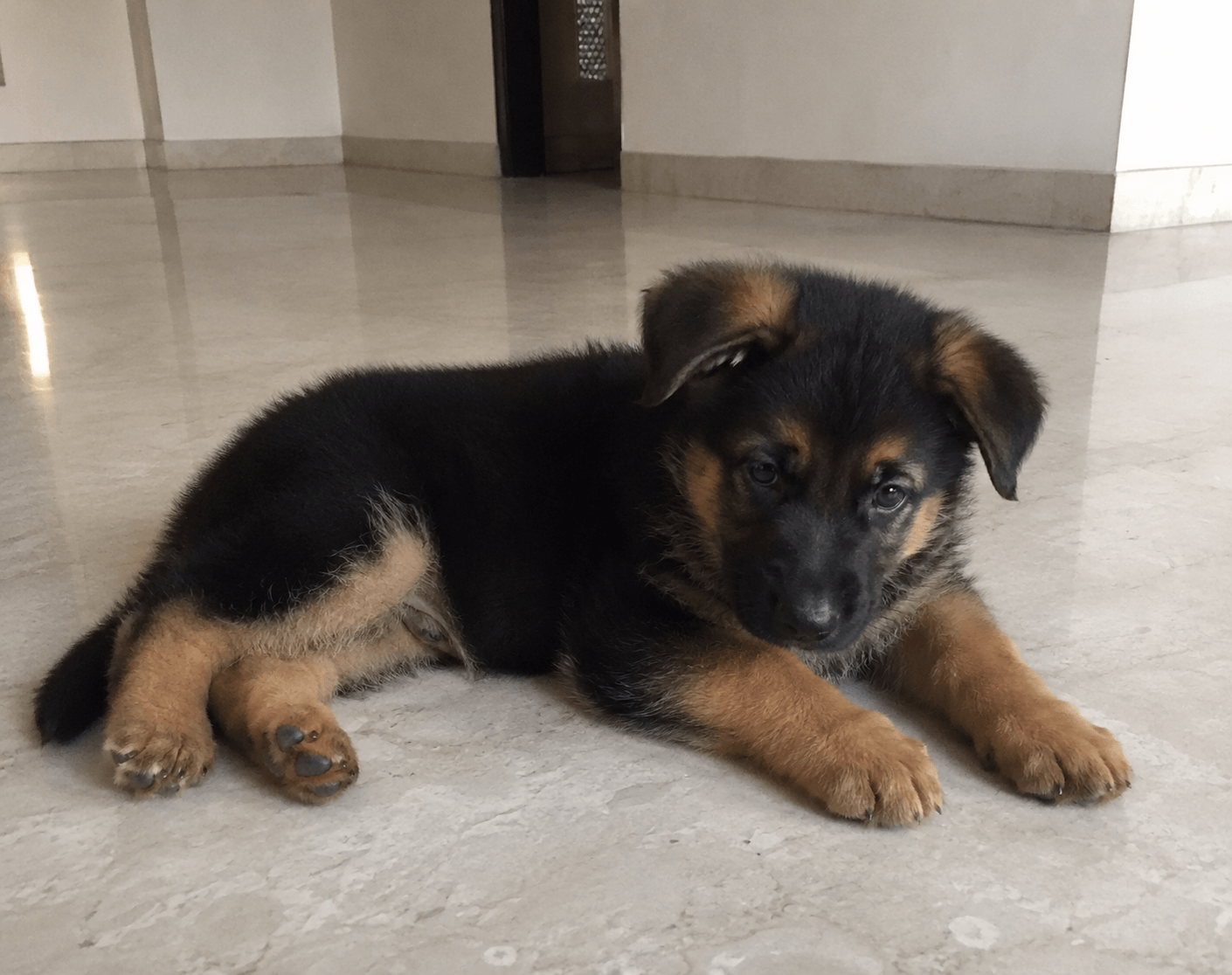
The victories didn’t look impressive.
Not at first.
They certainly weren’t the sort of moments people imagine when they think about recovery.
There were no dramatic breakthroughs.
No sudden miracles.
Just tiny steps.
Tiny improvements.
Tiny reasons to keep believing.
The first victory came when Ranger shifted his weight slightly during a therapy session.
Most people wouldn’t have noticed.
The rehabilitation team did.
They celebrated anyway.
The second victory came when he finished an entire meal without assistance.
The rescuer nearly cried.
After days of uncertainty, watching him eat felt like watching hope return.
Then came another small milestone.
And another.
And another.
Recovery wasn’t happening quickly.
But it was happening.
One day at a time.
What Recovery From A Spinal Injury Really Looks Like
Many people imagine recovery as a straight line.
A dog gets treatment.
A dog gets stronger.
A dog gets better.
Real recovery rarely works that way.
For Ranger, progress often arrived so slowly that it was almost invisible.
Some days felt encouraging.
Other days felt like nothing was changing at all.
The rehabilitation team began physical therapy almost immediately.
At first, the exercises seemed incredibly small.
Gentle stretches.
Assisted standing positions.
Controlled movements designed to keep joints flexible and muscles active.
To an outsider, it might not have looked like much.
To Ranger’s medical team, every movement mattered.
Every session was helping preserve strength while his body continued healing.
One challenge involved something most people never think about until they’re facing it.
Daily care.
Because Ranger couldn’t move normally, many routine tasks suddenly became complicated.
A urinary catheter helped him during the early stages of treatment.
Veterinary staff monitored him closely for infections, discomfort, and other complications that often accompany spinal injuries.
The work was constant.
And yet Ranger never stopped trying.
“He never felt sorry for himself,” the rescuer said. “That was the part that amazed me. He’d have every reason to give up, but he never acted like he wanted to.”
The puppy who had arrived frightened and broken was slowly revealing his personality.
A stubborn personality.
A determined personality.
A personality that refused to quit.
Why Nerve Healing Takes So Long
One of the most frustrating parts of spinal recovery is the timeline.
People naturally want answers.
Will the dog walk again?
How long will recovery take?
When will improvement happen?
The reality is that nerves heal differently than many other parts of the body.
Progress often unfolds gradually.
According to the NC State College of Veterinary Medicine, spinal cord injuries can require extended rehabilitation periods, and neurological recovery may continue for months after the original trauma.
That can be emotionally difficult for families.
There are often long stretches where visible progress appears minimal.
Then suddenly a small improvement emerges.
A stronger response.
A new movement.
A little more strength.
For Ranger, those moments became fuel.
Every tiny gain created another reason to keep going.
And everyone around him needed those moments just as much as he did.
The Community That Refused To Give Up On Him
Word about Ranger’s rescue eventually spread beyond the hospital walls.
People began sharing updates online.
Photos from therapy sessions appeared on social media.
Followers started checking for news every day.
The response surprised everyone.
Messages poured in from people who had never met Ranger.
Some shared stories about their own pets.
Others offered words of encouragement.
Many simply wanted to know whether the little German Shepherd was still fighting.
“He ended up touching people we’d never met,” the rescuer said. “People from all over were checking in on him. It was incredible.”
Support quickly turned into something even more meaningful.
Donations helped offset treatment expenses.
Followers helped fund rehabilitation sessions.
People who might never meet Ranger became part of his recovery story.
That support allowed him to continue receiving specialized care that otherwise may have been difficult to sustain.
The rescuer still remembers reading through the messages.
“There were days when things felt really overwhelming,” they said. “Then we’d read comments from people rooting for him, and it reminded us that we weren’t carrying this alone.”
Ranger wasn’t fighting by himself anymore.
An entire community had joined him.
The Day Ranger Finally Came Home
Nearly two months after the accident, the veterinary team delivered news everyone had been hoping to hear.
Ranger was stable enough to leave the hospital.
Recovery would continue.
Therapy would continue.
Medical appointments would continue.
But he could finally go home.
The rescuer remembers that day vividly.
“It felt like we had been waiting forever,” they said. “I couldn’t stop smiling.”
After weeks surrounded by machines, treatment rooms, and hospital staff, Ranger finally stepped into a place that belonged to him.
A home.
A family.
A future.
The transition brought excitement.
It also brought challenges.
Life with a dog recovering from paralysis requires patience.
Schedules suddenly revolve around therapy sessions, medications, mobility support, and veterinary checkups.
The learning curve can feel steep.
Yet the rescuer says none of it felt like a burden.
“We were just grateful he was alive,” they said.
Ranger quickly settled into his new routine.
His own bed.
His own toys.
His own space.
For the first time since the accident, he could begin living something that resembled a normal puppy life.
At least in his own way.
Learning To Live Life On His Own Terms
One thing became obvious almost immediately.
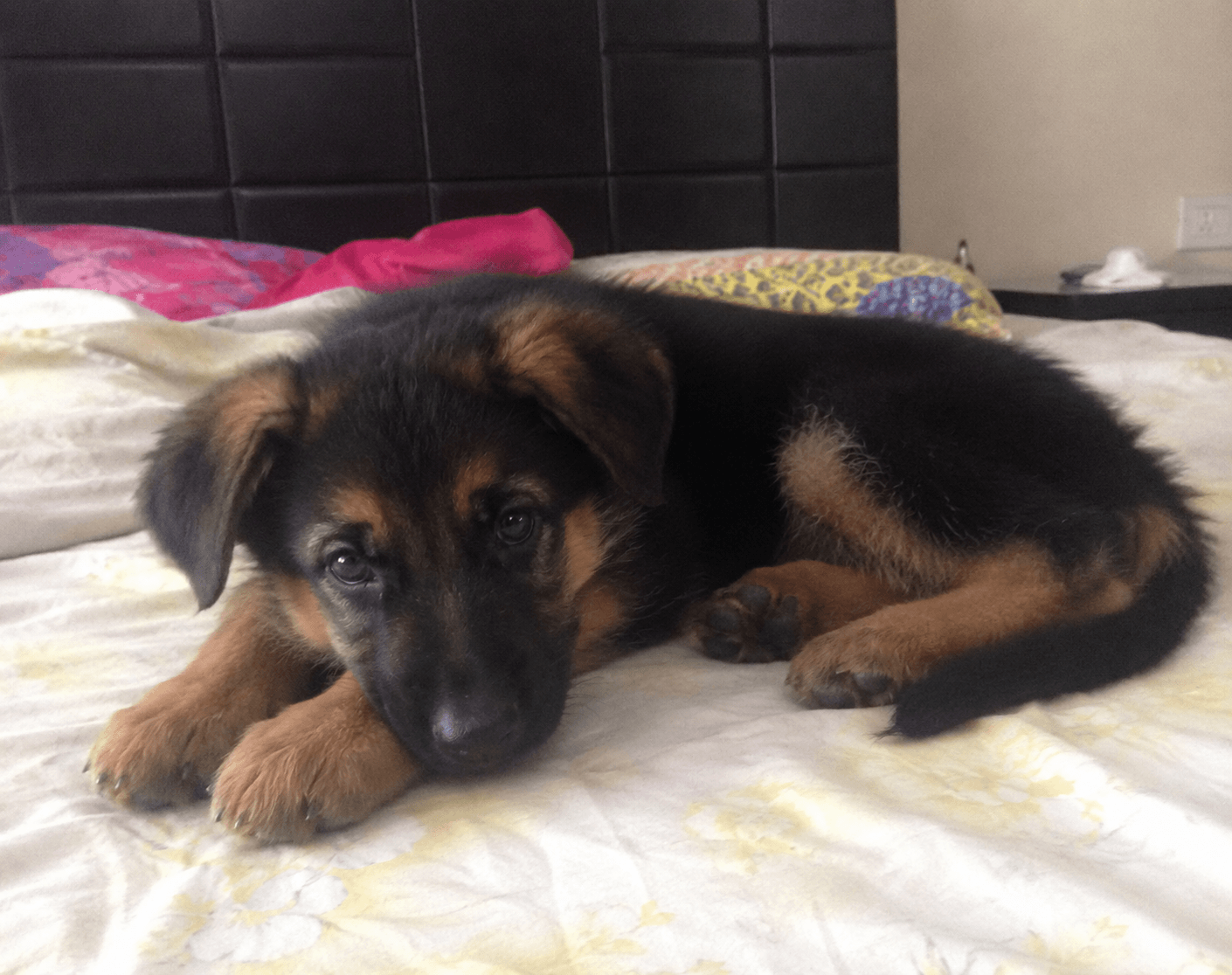
Ranger had absolutely no intention of letting his injury define him.
He investigated every unfamiliar sound in the house.
He followed people from room to room.
He discovered socks.
Then he discovered how much fun it was to steal them.
The household quickly learned not to leave laundry unattended.
“He became a professional sock thief,” the rescuer laughed. “If a sock disappeared, we already knew who had it.”
Then came his greatest obsession.
Tennis balls.
Ranger loved them.
Not casually.
Completely.
He carried them everywhere.
He slept with them.
He guarded them.
He proudly transported them from room to room as though they were priceless treasures.
What made it even more remarkable was that he couldn’t chase them the way other dogs could.
That didn’t matter.
He loved them anyway.
His body had limitations.
His happiness didn’t.
As the months passed, Ranger continued growing.
His appetite improved.
His coat became thicker.
His weight increased.
The frightened puppy found on the highway slowly transformed into a handsome young German Shepherd.
Visitors often struggled to believe they were looking at the same dog.
The physical changes were obvious.
The emotional changes were even bigger.
Fear was gradually replaced by confidence.
Uncertainty gave way to trust.
The puppy who once fought for survival beside a busy highway finally understood he was safe.
And for the first time in his life, he knew he belonged.
Also check out these rescues:
The Dog No One Wanted—Until One Photo Changed Everything
A Cruel Father Ruins His Son’s Pup’s Life – By Beating Her Every Day


